Listen to this article
UK mortgage rates are a critical factor that every prospective homebuyer must consider when navigating the housing market. As interest rates in the UK fluctuate, they can greatly influence affordability and the overall buying power of homebuyers. Understanding these rates helps you decipher how much you can borrow and what your monthly repayments will look like, directly impacting your long-term financial sustainability. This exploratory guide on UK mortgage loans closely examines the interplay between mortgage rates and home buying tips UK, assisting you in making informed decisions. By grasping the intricacies of fixed vs variable mortgage options and current trends in the UK housing market, you can position yourself to make smarter investments in your future home.
When discussing the financial landscape in the UK, one cannot overlook the importance of home financing options such as UK mortgage offerings. These interest rates are pivotal in determining your ability to secure a property and influence monthly obligations significantly. Thus, understanding how these rates work and what factors shape them is essential for anyone entering the housing market. Many buyers find themselves weighing the pros and cons of mortgage affordability, including the decision between fixed-rate and variable-rate mortgages. This guide aims to demystify the current UK housing market trends, equipping you with essential insights whether you are a first-time buyer or looking to reinvest.
The Importance of Understanding UK Mortgage Rates
Understanding UK mortgage rates is pivotal for all homebuyers. Mortgage rates directly affect the affordability of homes, influencing the total costs over the life of the loan. When interest rates are low, buyers can stretch their budgets further, potentially affording bigger or more desirable properties. Alternatively, higher rates can force homebuyers to reconsider their budgets, leading to fewer housing options. Knowing how these rates fluctuate with market conditions helps buyers make informed decisions and strategize their purchases effectively.
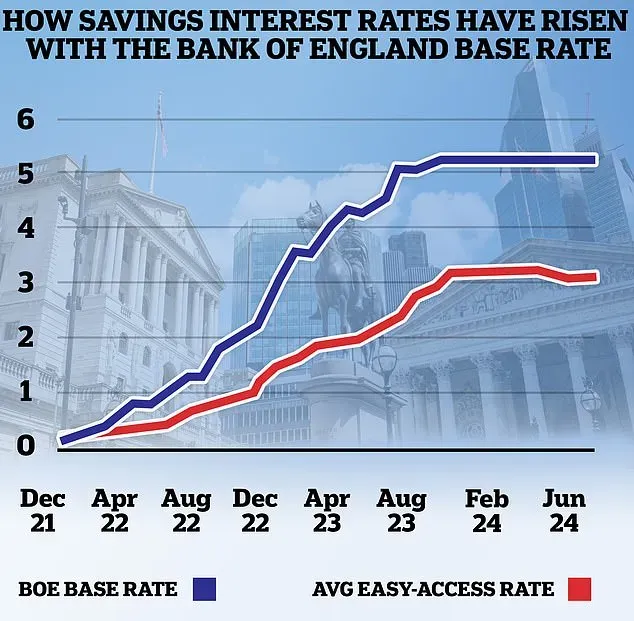
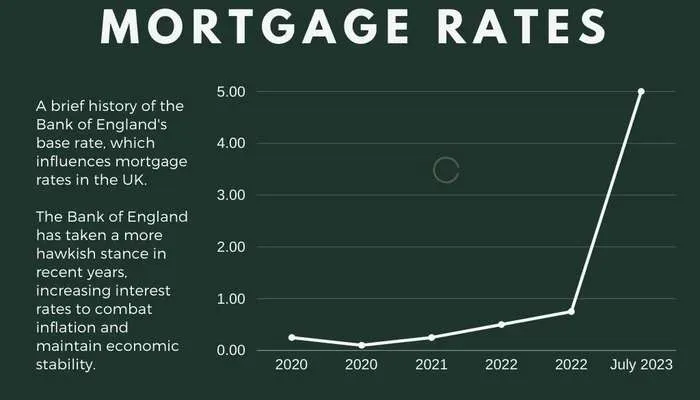
Moreover, the intricacies of mortgage rates can often be confusing. Prospective buyers should focus on how these rates are linked to broader economic indicators. For instance, as the Bank of England alters its base rate, mortgage rates typically respond correspondingly. This relationship means that monitoring changes in the economic landscape—including inflation rates and lender policies—can be crucial for homebuyers looking to secure the best deals on UK mortgage loans.
Types of Mortgages: Fixed vs Variable Rates
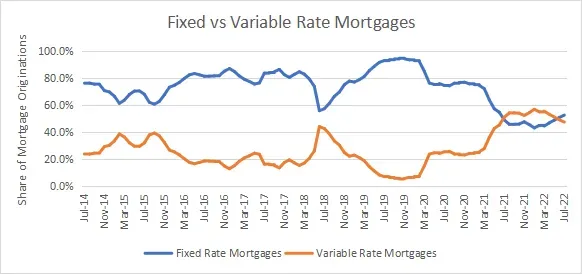
Choosing between a fixed and variable mortgage rate is a significant decision for homebuyers in the UK. Fixed-rate mortgages provide stability, as the interest rate remains unchanged for the duration of the agreed term. This predictability allows borrowers to plan their budgets more effectively without the threat of fluctuating payments due to market changes. For many, the allure of a fixed rate is the peace of mind it provides, especially during uncertain economic times when interest rates may rise.
Conversely, a variable-rate mortgage can initially offer competitive rates, enticing buyers to save money in the short term. However, the risk associated with potential rate increases can lead to financial strain if borrowers are unprepared. It’s essential for buyers to weigh the benefits of lower initial rates against the possibility of increasing monthly payments. Understanding your risk tolerance and financial situation can, therefore, guide you in the selection of the most suitable mortgage type.
How Mortgage Rates Are Set: Key Influencing Factors
Mortgage rates in the UK are influenced by numerous factors beyond the borrower’s creditworthiness. Primarily, the Bank of England’s base rate plays a crucial role in shaping these rates. When the Bank raises the base rate to combat inflation, lenders often increase their mortgage rates to maintain profitability. This chain reaction means that borrowers need to stay informed about such economic policies to understand potential changes in their mortgage repayments.
Another important factor is the competition within the lending market. Increased competition among banks and lenders can lead to lower rates as they try to attract borrowers. Additionally, the current state of the UK housing market, characterized by supply and demand dynamics, directly affects rates. For example, a surge in housing demand amidst limited supply can result in higher mortgage rates as lenders perceive increased risk. Being aware of these trends can give prospective homeowners a significant advantage in securing favorable loan terms.
The Relationship Between Mortgage Rates and Buying Power
The connection between mortgage rates and buying power is crucial for prospective homeowners. If mortgage rates rise, even slightly, the impact on monthly repayments can be substantial. For instance, an increase from 3% to 4% on a £200,000 loan could jump monthly payments significantly, thereby reducing the size of the mortgage that borrowers can realistically afford. This situation requires homebuyers to assess their financial limits carefully.
Understanding how rates impact total borrowing capacity is not merely an exercise in numbers; it fundamentally affects long-term financial health. Higher monthly payments can limit funds available for other expenses related to homeownership, including repairs and maintenance. Therefore, it is essential for buyers to calculate their affordability not just with current rates but also consider future interest rate trends in the UK housing market.
Government Policies That Affect Mortgage Rates
Government policies play a critical role in determining mortgage rates and assisting homebuyers. Initiatives such as Help to Buy and Shared Ownership schemes have made strides in bridging the gap for first-time buyers facing high property prices. By providing financial assistance, these programs not only increase accessibility to homeownership but can also indirectly affect mortgage rate competition as lenders aim to meet the needs of these buyers.
Additionally, changes in government policy regarding housing can lead to shifts in demand and, subsequently, mortgage rates. For instance, if the government announces incentives for builders to increase housing supply, it could help stabilize or even reduce home prices and mortgage rates. Homebuyers must keep abreast of such policies to better understand how they can leverage available assistance and how economic strategies can influence their mortgage journey.
Strategies to Mitigate High Mortgage Rates
When facing high mortgage rates, prospective buyers can employ various strategies to mitigate their impact on buying power. One of the most effective methods is to increase your deposit. A larger deposit reduces the loan-to-value ratio, which can leverage better rates from lenders, thereby lowering monthly payments. This strategy not only improves affordability but can also position buyers as less risky to lenders, attracting more favorable terms.
Improving your credit score is another crucial strategy. A healthy credit history can enhance your chances of securing lower rates. Adopting smart financial practices—like reducing debt and maintaining timely payments—can lead to improved creditworthiness. Additionally, buyers should consider discussing options with multiple lenders to find the most competitive mortgage rates. By actively looking around and not settling for the first option presented, buyers can ensure they make an informed and beneficial financial decision.
Frequently Asked Questions
What are the current UK mortgage rates and how do they impact home buying?
Current UK mortgage rates significantly influence the affordability of home loans. Higher rates mean increased monthly payments, making it essential for borrowers to monitor these rates closely to maximize their buying power.
How do UK mortgage rates compare between fixed and variable options?
In the UK, fixed mortgage rates remain stable over the loan term, offering predictability in payments, whereas variable mortgage rates can fluctuate with market conditions. Understanding the advantages and disadvantages of each option is crucial for homebuyers.
What factors determine interest rates in the UK mortgage market?
Interest rates in the UK mortgage market are primarily influenced by the Bank of England base rate, inflation rates, lender risk assessments, and housing market trends. These factors collectively shape the rates that borrowers experience.
How does the Bank of England base rate affect UK mortgage rates?
The Bank of England base rate directly impacts UK mortgage rates; when the base rate rises, lenders often increase their mortgage rates as well. This relationship means fluctuations in the base rate can significantly affect borrowers’ monthly payments and affordability.
What are some home buying tips for navigating UK mortgage rates?
To navigate UK mortgage rates effectively, consider increasing your deposit, improving your credit score, and comparing offers from different lenders. Being proactive can enhance your affordability in the current mortgage environment.
How do UK housing market trends affect mortgage affordability?
UK housing market trends, such as demand and supply dynamics, can influence mortgage affordability. Rising home prices alongside increasing mortgage rates can reduce overall borrowing power, making it essential to stay informed on these trends when planning a home purchase.
| Key Point | Explanation |
|---|---|
| What are Mortgage Rates? | The interest charged on mortgages, which affect monthly payments and overall home cost. |
| Types of Mortgage Rates | 1. Fixed-Rate Mortgages: Interest remains constant throughout the term. 2. Variable-Rate Mortgages: Interest rates can change based on market conditions. |
| Determining Factors of Mortgage Rates | Factors such as the Bank of England base rate, inflation, lender’s risk assessment, and housing market conditions. |
| Impact on Buying Power | Higher mortgage rates increase monthly payments and reduce total loan amounts available to borrowers. |
| Government Policy Impact | Government schemes can assist homebuyers and influence mortgage rates indirectly through market dynamics. |
| Strategies to Manage Rising Rates | 1. Increase deposit size. 2. Improve credit score. 3. Compare rates among lenders. 4. Consider locking in fixed rates during high market conditions. |
Summary
UK mortgage rates play a pivotal role in determining your home buying power, affecting everything from monthly payments to the total loan amount you can afford. Understanding how these rates work helps potential homebuyers make informed decisions in a fluctuating market. Factors such as the Bank of England base rate and inflation significantly impact these rates, so staying informed is crucial. By effectively managing your finances, increasing your deposit, and exploring various mortgage options, you can enhance your purchasing capability regardless of how rates change. Ultimately, knowledge of UK mortgage rates empowers buyers to navigate the home buying process with confidence.