Listen to this article
When it comes to entering the UK housing market, understanding UK mortgage rates is fundamental for prospective buyers. These rates not only affect your monthly repayments but also have a long-term impact on the overall cost of your property. With the variety of mortgage types available, each with distinct advantages and disadvantages, knowing how to get a mortgage can help you secure the best mortgage deals UK has to offer. Additionally, mortgage rates UK can fluctuate based on economic variables, emphasizing the importance of finding the right time to buy. By armoring yourself with knowledge about current trends and how they relate to mortgage rates, you can make informed decisions that align with your financial goals.
Navigating the complexities of mortgage interest rates is essential for anyone looking to invest in property in the United Kingdom. Understanding how these financial rates influence your purchasing power can make all the difference in your home-buying journey. As you explore various financing options—from fixed to variable rates—being educated about the prevailing conditions in the property market will put you in a strong position. Moreover, knowing how to secure the most advantageous terms can mean substantial savings over the lifetime of your loan. Therefore, getting acquainted with the different mortgage types and their implications is crucial for successfully buying a home.
Understanding the Basics of Mortgage Rates in the UK
Mortgage rates in the UK are a crucial element in the home-buying process, as they dictate how much you will pay for your property over time. Essentially, these rates represent the cost of borrowing money from a lender to finance your home purchase. Understanding mortgage rates is important not just for calculating your monthly costs but also for planning your overall budget for homeownership. As such, aspiring homeowners should familiarise themselves with the various types of mortgage rates available and their implications on the financial aspects of buying a home.
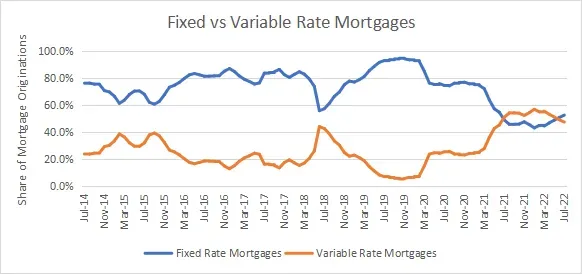
Fixed-rate mortgages provide stability by maintaining the same interest rate throughout the mortgage term, which can range from two to thirty years. For homeowners who value predictability in their financial planning, such options can ensure that their repayments remain constant despite fluctuations in the market. On the other hand, variable-rate mortgages may offer lower initial rates but come with the risk of increasing costs in the future if market rates rise. Completing thorough research on these mortgage types can lead to more informed decisions in seeking the best mortgage deals in the UK.
The Importance of Monitoring UK Mortgage Rates
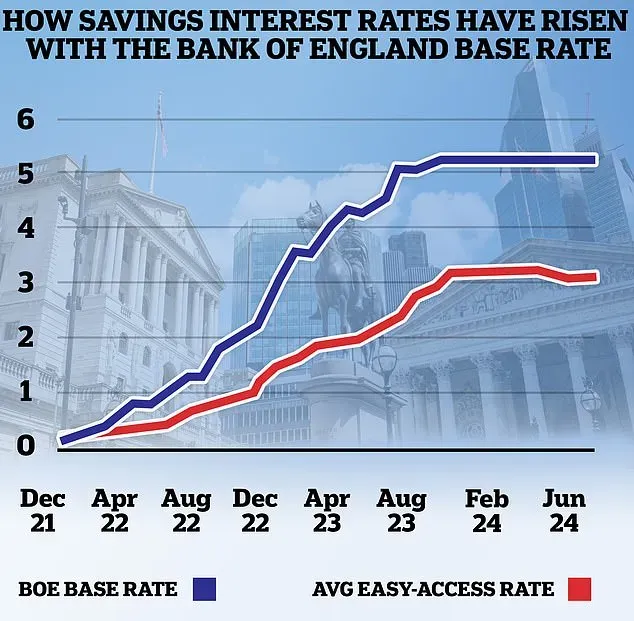
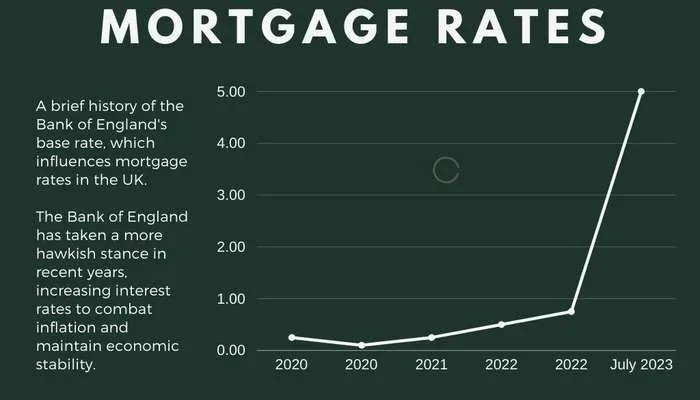
Keeping an eye on current UK mortgage rates is essential, as these can change frequently based on various economic indicators and decisions made by the Bank of England. For example, inflation rates and economic growth can influence the bank’s decisions regarding interest rates, subsequently affecting mortgage rates across the board. For potential homebuyers looking to enter the market, staying updated on these trends could be the key to locking in a more favourable mortgage rate, thus impacting long-term financial stability.
Additionally, monitoring the housing market can provide insights into the best timing for securing a mortgage. In a competitive market, potential buyers may benefit from acting quickly when rates are lower. However, understanding the trends also involves recognising signs that might indicate when to hold off on purchasing or when to act decisively is crucial to capitalising on lower rates.
Types of Mortgages Available in the UK
The UK offers several mortgage types, including fixed-rate, variable-rate, and tracker mortgages, each serving different financial needs and risk appetites. A fixed-rate mortgage is particularly beneficial for buyers who plan to stay in their homes for many years, as it safeguards against interest rate increases. Meanwhile, variable-rate mortgages can appeal to those who anticipate rates will fall or remain stable, although they carry inherent risks due to their fluctuating nature.
Tracker mortgages, which are linked directly to the Bank of England’s base rate, provide a middle ground, allowing payments to decrease when base rates fall. However, they can also lead to increased costs during rate hikes. By examining each type’s terms and conditions, prospective buyers can select a mortgage that aligns with their financial situation, ultimately securing the best possible deal.
Key Factors Influencing Mortgage Rates in the UK
Various factors can influence mortgage rates, including inflation, economic growth, and employment levels. When the economy is strong, demand increases, often leading to higher mortgage rates. Conversely, in times of economic downturn, rates might decrease to encourage borrowing. Furthermore, the Bank of England’s monetary policy is a significant determinant; for example, raising or lowering the base rate can trigger immediate changes in mortgage lending rates.
Understanding these factors and their relationship to mortgage rates is essential for potential homebuyers. It allows them to time their purchases more effectively, ensuring they are not only prepared for possible fluctuations but also taking advantage of lower rates when they arise.
How to Secure the Best Mortgage Deals in the UK
Securing the best mortgage deal in the UK involves several strategies. Firstly, improving your credit score is one of the most effective ways to obtain a favourable mortgage rate. A strong credit score demonstrates to lenders that you are a reliable borrower, helping you qualify for lower interest rates. Prospective borrowers should check their credit reports regularly and take action to correct any potential inaccuracies that could be detrimental to their scores.
Additionally, accumulating a larger deposit can significantly impact the mortgage options available to you. Generally, a deposit of 15% or more opens doors to better rates and more attractive mortgage terms. Potential buyers should also seek and compare multiple offers from various lenders through brokers or comparison websites, ensuring they find the most competitive rates available before committing.
Navigating the UK Housing Market: Timing Your Mortgage Application
Timing is vital when applying for a mortgage in the UK housing market. It involves examining the broader economic context, including interest rate trends, housing demand, and seasonal variations in real estate availability. Generally, applying during periods of low demand can lead to better mortgage rates and more lending options, whereas high demand periods might limit choices and inflate costs.
Furthermore, monitoring announcements from the Bank of England regarding interest rate adjustments can provide valuable insight into the best time to secure a mortgage. Actively engaging with market trends can help potential buyers position themselves strategically to benefit from lower borrowing rates, thus maximising their long-term financial benefits.
Frequently Asked Questions
What are the current UK mortgage rates and how do they affect home buying?
Current UK mortgage rates vary depending on the lender and type of mortgage product. As of late 2023, rates are influenced by factors such as inflation and policy changes from the Bank of England. Understanding these rates is vital for home buyers as they directly affect monthly payments and the overall cost of a home over the mortgage term.
How do fixed-rate and variable-rate mortgages differ in the UK?
In the UK, fixed-rate mortgages maintain a set interest rate for a defined period, providing stability in payments. Conversely, variable-rate mortgages fluctuate with market conditions, which can lead to changing payments. Buyers need to consider their financial situation and market trends when selecting between these mortgage types.
What steps can I take to secure the best mortgage deals in the UK?
To secure the best mortgage deals in the UK, start by improving your credit score and saving for a larger deposit. Additionally, shop around and compare different lenders, and consider consulting with a mortgage broker to access exclusive deals. Overall, being well-prepared can help you find the most favorable rates.
When is the best time to apply for a mortgage in the UK?
The best time to apply for a mortgage in the UK often coincides with favorable economic conditions, such as low interest rates announced by the Bank of England. Monitoring trends in UK mortgage rates can help potential buyers time their mortgage applications for the best deal.
What costs should I consider beyond UK mortgage rates when buying a home?
Beyond UK mortgage rates, buyers should factor in additional costs such as arrangement fees, legal charges, property surveys, and insurance. These costs can significantly influence your overall financial commitment when purchasing a home and should be included in your budget planning.
How does my credit score impact my UK mortgage application?
Your credit score plays a crucial role in your UK mortgage application. A higher score indicates to lenders that you are a responsible borrower, enabling you to access better mortgage rates. It’s advisable to review and improve your credit score before applying to ensure you receive the most favorable terms.
| Key Aspect | Details |
|---|---|
| Mortgage Rates | Interest rates charged on mortgage loans, affecting monthly payments and overall home cost. |
| Importance of Mortgage Rates | Impacts monthly payments and total payment over mortgage term; small differences can lead to significant cost variations. |
| Types of Mortgage Rates | 1. Fixed-Rate Mortgages 2. Variable-Rate Mortgages 3. Tracker Mortgages |
| Current Trends | Fluctuating due to economic factors, inflation, and Bank of England policies affecting lender rates. |
| How to Secure Best Rate | Improve credit score, save for a larger deposit, shop around, consider all fees. |
| When to Lock in a Rate | Consider locking if you find a good rate to protect against market fluctuations. |
| Understanding Affordability | Aim to keep payments under 28% of gross income and account for other homeownership costs. |
Summary
UK mortgage rates play a critical role in determining the affordability of homeownership. Understanding these rates is vital for prospective buyers, as they can have a profound impact on monthly payments and the total cost of your mortgage over time. By familiarizing yourself with the types of mortgage rates available, current market trends, and strategies to secure the best rates, you can make more informed decisions. Investing time to grasp these concepts will not only aid in your immediate decision-making but also contribute to your long-term financial stability.