Listen to this article
UK mortgage rates are a crucial component in the financial landscape, significantly shaped by a variety of economic changes. As a prospective homeowner, understanding the nuances of these rates can help you navigate the complexities of the housing market. Factors such as inflation, interest rates set by the Bank of England, and broader economic shifts all play a vital role in determining mortgage rates UK. With the ongoing economic fluctuations, it’s essential for buyers to stay informed about how these dynamics can impact UK home loans. This awareness can ultimately empower you to make strategic decisions when buying a house in UK.
When it comes to financing real estate, the cost of borrowing is often reflected in mortgage interest rates. These rates are influenced by various economic indicators, including inflation and central bank policies. The Bank of England’s monetary strategies can result in significant shifts in the cost of obtaining a mortgage, affecting numerous aspects of the housing economy. As the market continuously evolves, understanding the intricate relationship between these factors and mortgage pricing is essential for anyone seeking property financing. Buyers must stay up-to-date with trends in interest rates, as they contribute greatly to financial stability in the real estate sector.
Understanding the Fluctuation of UK Mortgage Rates
UK mortgage rates are subject to fluctuation, affected by a variety of economic factors including inflation and the overall economic environment. As the economy rises or falls, lenders adjust their interest rates accordingly, impacting the affordability of home loans for buyers. The relationship between economic stability and mortgage rates is critical; a robust economy typically leads to higher rates due to increased demand and spending, while economic downturns can drive rates lower as lenders aim to stimulate borrowing.
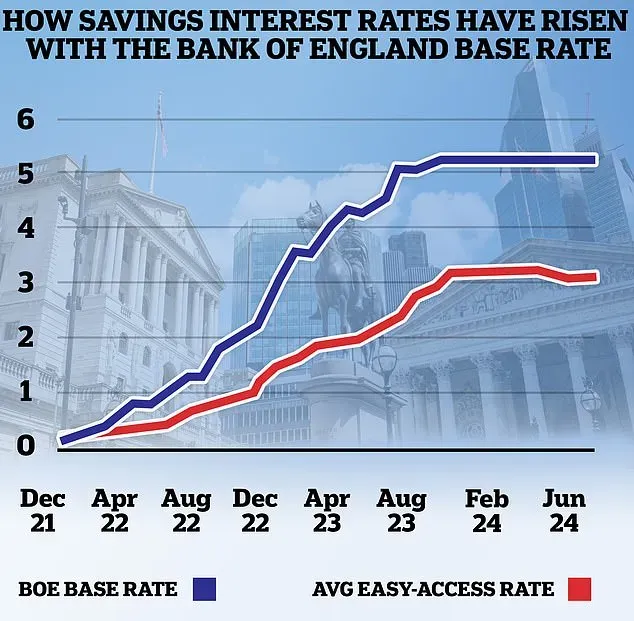
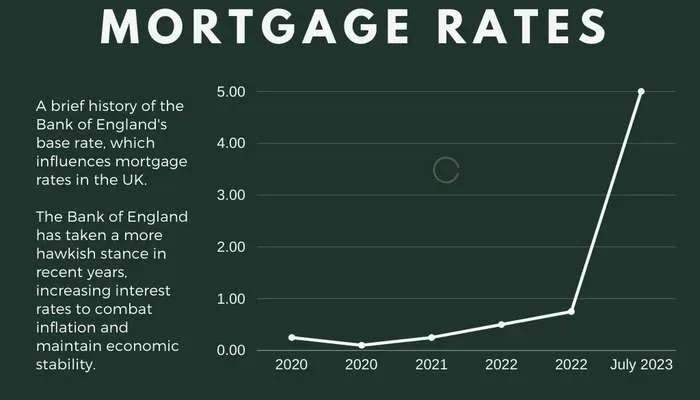
Moreover, mortgage rates in the UK are intrinsically linked to the decisions made by the Bank of England. When inflation rises, the Bank may increase the base rate to maintain financial stability, thereby reflecting similar changes in mortgage rates. It’s important for prospective homebuyers to understand that small fluctuations in these rates can translate to significant differences in monthly repayments, making it essential to stay informed about economic changes.
The Role of Economic Indicators in Shaping Mortgage Rates
Economic indicators such as inflation, unemployment rates, and house prices significantly shape the landscape of mortgage rates in the UK. For instance, inflation impacts purchasing power and prompts the Bank of England to alter base rates to control spending. A rise in inflation often leads to increased mortgage payments, which borrowers must take into account when planning their financial future.
Similarly, fluctuations in unemployment rates can create ripples in the housing market. High unemployment typically leads to reduced demand for mortgages as financial constraints limit individuals’ borrowing capacity. Lenders may respond by offering lower interest rates to attract borrowers back into the market. Understanding these economic indicators is vital for potential homebuyers to navigate the mortgage landscape effectively.
The Impact of the Bank of England on UK Mortgage Rates
The Bank of England is a central player in influencing UK mortgage rates through its monetary policy. By adjusting the base rate, the Bank directs the flow of interest rates across the economy, directly affecting mortgage costs for homeowners. When economic indicators show signs of overheating, the Bank may decide to raise rates to control inflation. This action leads to increased mortgage rates as lenders adjust their offerings in line with the new base rate.
Conversely, during periods of economic uncertainty, such as a recession or reduced consumer confidence, the Bank of England may lower the base rate to encourage borrowing and spending. This reduction often translates into lower mortgage rates, making home loans more affordable for those looking to purchase property in challenging economic climates. Keeping an eye on the Bank of England’s decisions is essential for borrowers to predict potential changes in mortgage rates.
Current Trends in UK Mortgage Rates
As of late 2023, UK mortgage rates are experiencing notable trends influenced by ongoing economic changes, particularly inflation and economic recovery efforts. With inflation showing no signs of abating, the Bank of England has indicated potential future adjustments to the base rate, which will intrinsically affect mortgage rates. Borrowers are advised to stay alert as these trends can lead to rapid shifts in the mortgage landscape, influencing borrowing decisions.
Moreover, the fluctuation in house prices due to supply chain issues and increasing demand can create a diversified impact on mortgage rates. With the prospect of rising prices, prospective homeowners ought to monitor market conditions closely to ensure they lock in the best possible rates for their home loans.
Looking Ahead: Predictions for Future Mortgage Rates
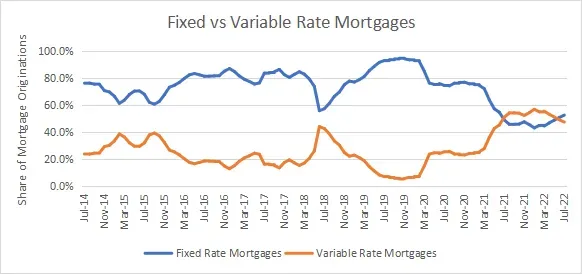
Economic analysts forecast continued responsiveness of mortgage rates to inflation trends and the overall economic health of the UK. Should inflation persist, rates may continue to rise, which promotes the consideration of fixed-rate mortgages to secure lower payments long-term. This approach provides a safety net against the potential for escalating interest rates, which can lead to higher overall costs.
On the other hand, if there is a significant slowdown in economic activity, analysts predict a possible decrease in mortgage rates, presenting an opportunity for potential buyers to secure favourable terms. It’s crucial for buyers to remain adaptable and informed about these predictions to strategise their purchasing decisions effectively in a fluctuating market.
Strategies for Securing the Best UK Mortgage Rates
Navigating the complexities of fluctuating mortgage rates in the UK requires strategic planning and informed decision-making. One effective strategy is to seek pre-approval for a mortgage, which can lock in a favourable rate and demonstrate to lenders that the borrower is a serious contender in the housing market. By securing a rate ahead of a potential increase, borrowers can protect themselves from future rate hikes.
Furthermore, staying informed on market trends and economic indicators allows prospective homeowners to make timely and strategic borrowing decisions. Engaging with a knowledgeable mortgage broker can also provide access to a wider range of products and help identify the best mortgage rates available, ultimately ensuring that borrowers get competitive deals tailored to their financial situations.
Frequently Asked Questions
How do economic changes influence UK mortgage rates?
Economic changes greatly influence UK mortgage rates by affecting inflation, interest rates, and consumer confidence. The Bank of England adjusts the base interest rate in response to economic conditions, which directly impacts mortgage rates. For example, rising inflation typically results in higher mortgage rates as the BoE increases interest rates to control spending.
What role does the Bank of England play in determining UK mortgage rates?
The Bank of England plays a crucial role in setting UK mortgage rates through its Monetary Policy Committee (MPC), which regularly reviews economic indicators to adjust the base interest rate. Changes in this rate directly affect mortgage rates, influencing the affordability of UK home loans for borrowers.
How does inflation impact mortgage rates in the UK?
Inflation significantly impacts mortgage rates in the UK. As inflation rises, the Bank of England may increase interest rates to curb spending, leading to higher mortgage rates. Homeowners facing increased mortgage payments due to inflation may need to adjust their financial strategies when buying a house in the UK.
What is the relationship between economic growth and UK mortgage rates?
There is a direct relationship between economic growth and UK mortgage rates. During periods of strong economic growth, demand for housing may increase, pushing mortgage rates upward. Conversely, economic downturns may prompt the Bank of England to lower rates to stimulate borrowing and support the housing market.
What factors in the housing market influence UK mortgage rates?
Factors in the housing market, such as house prices and demand for properties, play a significant role in influencing UK mortgage rates. Rising house prices can lead to increased demand for mortgages, potentially pushing rates higher. In contrast, falling house prices may prompt lenders to lower rates to attract more borrowers.
How can borrowers secure the best UK mortgage rates amidst economic fluctuations?
Borrowers can secure the best UK mortgage rates by getting pre-approved for a mortgage, monitoring economic indicators and Bank of England announcements, considering fixed-rate options for stability, and working with a mortgage broker to access competitive deals. These strategies can help navigate fluctuations in mortgage rates effectively.
| Key Point | Explanation |
|---|---|
| Understanding Mortgage Rates | Mortgage rates are influenced by economic factors and can fluctuate, affecting repayment amounts. |
| The Role of the Bank of England | The BoE sets the Base Rate, influencing mortgage rates based on economic conditions. |
| Economic Indicators Affecting Mortgage Rates | Inflation, economic growth, unemployment rates, and house prices all impact mortgage rates. |
| Current Trends in UK Mortgage Rates | Recent economic changes have led to fluctuations in mortgage rates, influenced by BoE announcements. |
| Predictions for the Future | Analysts expect rates to respond to inflation trends and overall economic health. |
| Securing the Best Mortgage Rate | Strategies include getting pre-approved, monitoring trends, and considering mortgage types. |
Summary
UK mortgage rates are crucially shaped by various economic factors such as inflation, economic growth, and central bank policies. Understanding the dynamic between these elements is vital for potential homebuyers and those looking to remortgage. With the Bank of England’s monetary policies directly impacting interest rates, staying informed about economic changes can empower borrowers to make strategic decisions regarding their mortgages. As we anticipate future trends, maintaining awareness of economic indicators and utilizing effective strategies can help you navigate the complexities of UK mortgage rates successfully.