Listen to this article
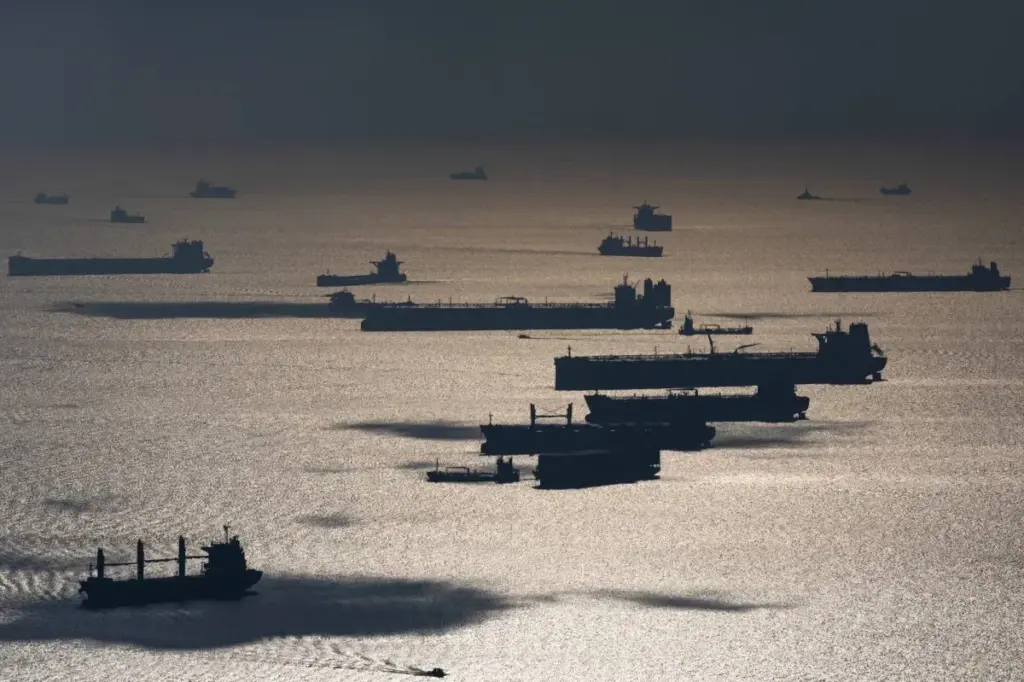
UK military shadow fleet operations represent a significant escalatory step in addressing the complexities of maritime law enforcement and international sanctions. Recently, UK military forces have begun exploring legal frameworks that could empower them to board and potentially detain shadow fleet vessels—ships that operate without a national flag to escape scrutiny and evade oil sanctions. Countries like Russia, Iran, and Venezuela are believed to exploit these tactics, and UK officials are now strategizing to counteract these activities with a robust military response. Notably, the government is leveraging the 2018 Sanctions and Money Laundering Act, which could authorize decisive actions against non-compliant vessels lurking in international waters. With over 500 shadow vessels already sanctioned, the UK remains vigilant in ensuring that its military operations comply with international maritime law while protecting its national interests.
The covert operations of the UK’s naval forces targeting unregistered maritime fleets have garnered increasing attention on the global stage. Known informally as the shadow fleet, these vessels often operate in deception, illegally transporting resources and challenging the enforcement of oil sanctions imposed by western governments. Recent developments highlight the UK government’s commitment to utilize military capabilities to intercept ships violating these sanctions, aiming to bolster maritime security. Additionally, the government’s legal strategies, including provisions under recent legislation, are designed to enhance the operational scope against vessels that lack legitimate registration. As tensions rise globally, the focus on detaining these dubious ships underscores the importance of coherent maritime policies and effective international collaboration.
Understanding UK Military Shadow Fleet Operations
The emergence of shadow fleets has become a significant concern for international maritime law enforcement, particularly regarding oil sanctions enforcement. Shadow fleets, often comprised of vessels operating without valid national flags, have been accused of evading sanctions aimed at nations like Russia, Iran, and Venezuela. The UK military’s recent discussions around the legal authority to board and detain such vessels signify a robust approach towards ensuring compliance with international norms and safeguarding maritime security.
As the UK government considers invoking powers under the 2018 Sanctions and Money Laundering Act, it is vital to understand the implications of such military operations. In recent collaborations with US troops, the UK military has demonstrated its readiness to act against these vessels, as evidenced by the interception of the Marinera oil tanker. This escalation in military readiness aims not only to enforce sanctions but also to diminish the operational capacity of shadow fleets that threaten both economic stability and maritime safety.
Frequently Asked Questions
What are UK military shadow fleet operations and their purpose?
UK military shadow fleet operations refer to the actions taken by the UK armed forces to identify and potentially board shadow fleet vessels that are operating without valid national flags. These operations aim to enforce oil sanctions against nations like Russia, Iran, and Venezuela, which are accused of using unflagged ships to evade international sanctions.
How do UK military forces engage in shadow fleet enforcement?
UK military forces engage in shadow fleet enforcement by identifying vessels suspected of operating without a legitimate flag. This involves collaboration with allies, such as the US, to board and detain ships like the Marinera oil tanker, which is believed to have violated sanctions. The military’s authority to act derives from the Sanctions and Money Laundering Act of 2018.
What legal frameworks support UK military operations against shadow fleet vessels?
The UK government’s operations against shadow fleet vessels are supported by the 2018 Sanctions and Money Laundering Act, which provides a legal basis for using military force to board and detain ships operating without proper flagging. This legal framework is crucial for ensuring compliance with international maritime law while enforcing sanctions.
What actions has the UK government taken against shadow fleet vessels?
The UK government has imposed sanctions on over 500 shadow vessels and conducted operations, such as assisting the US in seizing oil tankers linked to Russia and Venezuela. Actions include increased surveillance and insurance checks on vessels navigating near UK waters to disrupt illegal maritime activities associated with the shadow fleet.
How do shadow fleet vessels evade sanctions and what are the risks involved?
Shadow fleet vessels evade sanctions by sailing under unregistered flags, which allows them to escape scrutiny and enforcement actions from international authorities. This practice poses significant risks, including potential maritime incidents like oil spills, since unflagged ships may lack proper insurance coverage, creating environmental and economic hazards.
What implications do UK military actions against the shadow fleet have on international law?
UK military actions against the shadow fleet are designed to be in full compliance with international law, as stated by Defence Secretary John Healey. These operations aim to deter and disrupt unlawful maritime activities, protecting the integrity of international waters while ensuring that actions taken against unflagged ships adhere to established legal standards.
What is the role of the RAF and Royal Navy in shadow fleet operations?
The Royal Air Force (RAF) and Royal Navy play a vital role in shadow fleet operations by providing surveillance and support for enforcement actions. In recent operations, RAF aircraft and the Royal Navy support ship RFA Tideforce have been involved in surveillance and direct engagement to assist in intercepting shadow fleet vessels suspected of violating sanctions.
What measures are being taken to identify shadow fleet vessels in UK waters?
The UK government is increasing insurance checks and conducting surveillance operations to identify shadow fleet vessels in its waters. Over 600 ships have been inspected to ensure compliance with maritime regulations and to deter illegal activities related to unflagged vessels.
How does the UK military coordinate with international allies regarding some shadow fleet operations?
The UK military coordinates with international allies, primarily the United States, through joint operations aimed at tracking and detaining shadow fleet vessels. This collaboration ensures a unified approach to enforcing oil sanctions and maintaining maritime security while adhering to international law.
What future actions might the UK military take regarding shadow fleet vessels?
Future actions by the UK military regarding shadow fleet vessels may include expanded boarding operations and increased enforcement measures, guided by new legal provisions identified by the government. This escalation aims to strengthen sanctions enforcement and deter hostile maritime activities related to the shadow fleet.
| Key Point | Description |
|---|---|
| Legal Basis for Action | The UK government believes it has identified a legal basis under the 2018 Sanctions and Money Laundering Act to board and detain vessels in shadow fleets. |
| Recent Operations | British armed forces collaborated with US troops to seize the Marinera oil tanker, alleged to be transporting oil for sanctioned countries. |
| Escalation of Action | The UK’s actions are viewed as an escalation against shadow fleets, with plans to apply military force if necessary. |
| Sanctions Imposed | UK has placed sanctions on over 500 shadow vessels believed to fund hostile activities, including Russia’s actions in Ukraine. |
| Impact on Shipping | Around 200 ships have reportedly been driven off seas due to increased UK and allied military presence. |
| Cooperation with Allies | The UK is working closely with the US to monitor and act against shadow fleets, emphasizing the importance of international law. |
| Increased Surveillance | The Ministry of Defence is stepping up operations, including raising insurance checks for vessels to prevent incidents. |
| Importance of Flagging | Proper flagging of ships is essential for legal protections in international waters, with unflagged vessels facing scrutiny. |
Summary
UK military shadow fleet operations are gaining traction as the government explores new legal avenues to combat unregistered vessels that evade sanctions. Recent actions, including the seizure of the Marinera oil tanker, showcase a growing commitment to disrupt illicit maritime activities associated with countries like Russia, Iran, and Venezuela. These operations are crucial for maintaining international law and ensuring that the maritime domain does not become a haven for unlawful trade.