Listen to this article
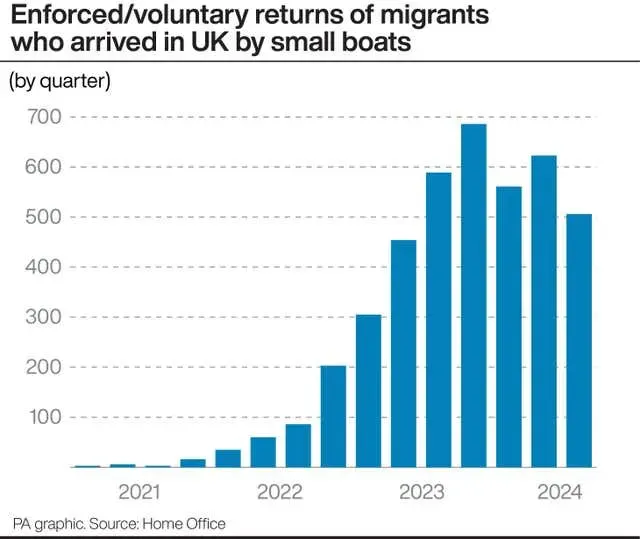
UK migrant returns are at the forefront of current immigration discussions, especially after recent agreements with three African nations. Facing the threat of visa penalties from the UK Home Secretary, these countries have finally consented to accept back their nationals who are illegal migrants or foreign offenders. The recent initiatives underscore a proactive approach to deportation policies, aiming to streamline the repatriation process for individuals who have overstayed their visas or engaged in criminal activities. With a reported figure of over 3,000 potential removals, this development highlights the urgency behind the UK’s call for cooperation on migrant return agreements. As the government positions itself firmly against non-compliance, it is clear that the ramifications for failing to align with these new measures could significantly impact international relations and immigration dynamics.
The topic of UK migrant returns reflects a growing trend in international repatriation efforts, particularly for those illegally residing or committing crimes within the UK. Recent arrangements with Namibia, Angola, and the Democratic Republic of Congo illustrate how nations are increasingly working together on deportations and the safe return of foreign nationals. This cooperative spirit aims to address several challenges associated with undocumented migrants and their reintegration into their home countries. As countries now face opposition and potential sanctions for refusing such agreements, the UK’s strategies emphasize an urgent shift towards more stringent immigration policies to maintain border control.
Understanding UK Migrant Returns Agreements
UK migrant returns agreements are pivotal to managing foreign offenders and illegal migrants effectively. Recently, three African nations—Namibia, Angola, and the Democratic Republic of Congo—have committed to accepting back their citizens in light of visa penalties threatened by the UK. The agreements were prompted by the Home Secretary’s assertion that non-compliance would result in restrictions on visa issuance, thus compelling these countries to cooperate actively with the UK’s return policies.
These agreements signify a broader strategy within the UK government’s immigration framework to ensure compliance from nations regarding the return of their nationals. With more than 3,000 potential removals identified, the collaboration with these African nations represents a key component of the UK’s deportation policies aimed at addressing illegal immigration and ensuring that foreign offenders are repatriated.
Frequently Asked Questions
What are the recent UK migrant return agreements with African countries?
Recently, the UK has established migrant return agreements with Namibia, Angola, and the Democratic Republic of Congo (DRC). This came after the UK Home Secretary warned of visa penalties if these countries did not enhance cooperation in accepting back foreign offenders and illegal migrants from the UK.
How do visa penalties UK affect migrant returns?
The visa penalties UK policy means that if countries like Angola, Namibia, and the DRC do not facilitate the return of their citizens, they risk losing visa privileges for their citizens wishing to travel to the UK. This serves as a strong incentive for these nations to cooperate on migrant returns, particularly for those who are illegally residing in the UK.
What are the deportation policies in the UK for illegal migrants?
UK deportation policies are designed to remove illegal migrants and foreign offenders from the country. Recent agreements with certain African nations allow for deportation efforts to be intensified, with the Home Secretary emphasizing that non-compliant countries will face visa penalties to ensure cooperation.
How many illegal migrants from Africa may be affected by UK return policies?
The UK government estimates that over 3,000 illegal migrants from Angola, Namibia, and the Democratic Republic of Congo may be subject to removal or deportation due to the newly established cooperation on migrant returns.
What impact will the UK migrant return agreements have on future immigration policies?
The UK migrant return agreements signal a tougher stance on immigration, as the Home Secretary has indicated that countries refusing to cooperate on migrant returns could face additional visa penalties in the future. This may affect immigration policies and visa relationships with other nations that do not comply.
Why are foreign offender repatriation efforts important for the UK?
Foreign offender repatriation is crucial for the UK as it aims to maintain border control and ensure that illegal migrants and criminals are removed from the country. The efficacy of return agreements with countries like Namibia, Angola, and the DRC will significantly influence the government’s ability to manage its immigration system.
What challenges exist with the UK migrant return processes?
The UK migrant return processes have faced challenges, particularly with delays in paperwork and strict requirements for individuals to sign their own deportation documents. Such challenges have led to obstacles in effectively removing illegal migrants from the UK back to their countries of origin.
What might happen to countries that oppose UK migrant return agreements?
Countries that oppose UK migrant return agreements may face visa sanctions, limiting the ability of their citizens to obtain visas for travel to the UK. The UK government has indicated that further penalties may be imposed on nations with high asylum claims that refuse to cooperate.
How does the UK’s approach to illegal migrants compare to other countries?
The UK’s approach to illegal migrants, particularly through the implementation of strict return agreements and potential visa penalties, reflects a global trend where countries are seeking to enhance border security and manage illegal immigration more effectively. This strategy aligns with broader international efforts to ensure responsible immigration and promote collaboration among nations.
What are the implications of UK deportation policies on international relations?
UK deportation policies can strain international relations with countries that are opposed to returning their citizens. The UK government’s stance on enforcing return agreements and potentially imposing sanctions may lead to diplomatic challenges as nations react to perceived punitive measures against their citizens.
| Key Point | Details |
|---|---|
| Agreement on Returns | Namibia, Angola, and the Democratic Republic of Congo have agreed to cooperate on the return of illegal migrants and offenders. |
| UK Government’s Threat | The UK threatened to withhold visas from these countries unless they improved their acceptance of returning citizens. |
| Home Secretary’s Statement | Shabana Mahmood emphasized that there will be consequences for governments that refuse to accept their citizens back. |
| Challenges in Returns | Delays in processing and document requirements hindered the return of migrants from these countries. |
| Total Potential Removals | Over 3,000 individuals could face removal or deportation as a result of this new cooperation. |
| Future Penalties | The UK may impose further visa sanctions on countries that do not comply with return agreements. |
Summary
UK migrant returns are now a critical issue following agreements made with three African nations. The recent commitments from Namibia, Angola, and the Democratic Republic of Congo highlight the UK government’s efforts to ensure the repatriation of illegal migrants and offenders, as part of their strategy to strengthen border control. Shabana Mahmood’s firm stance on imposing visa penalties clearly demonstrates the UK’s commitment to enforcing compliance from foreign governments, potentially leading to significant changes in immigration policies and relationships with countries resistant to such arrangements.