Listen to this article
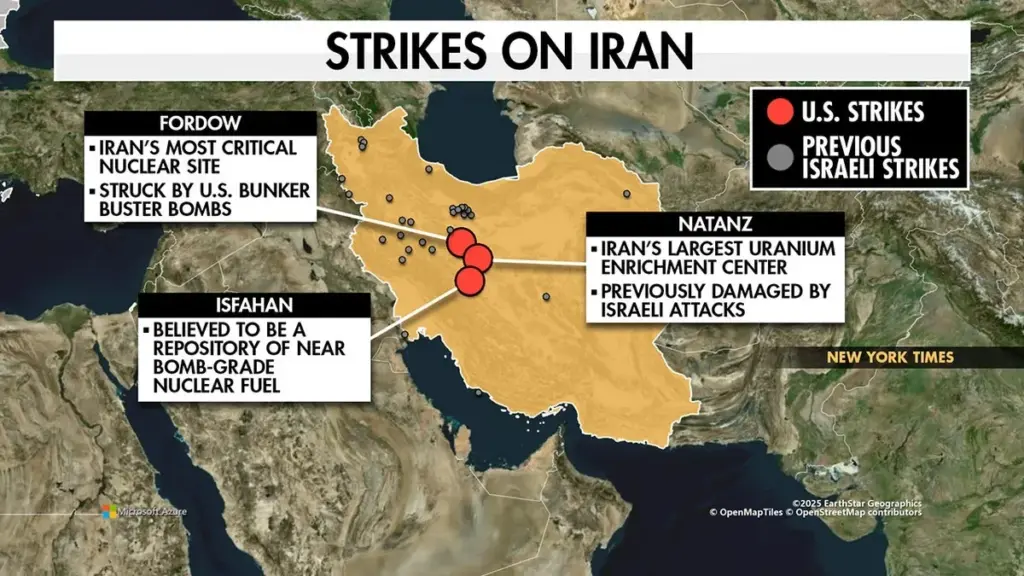
The UK involvement in the Iran conflict has recently come into sharp focus, particularly following the controversial strikes carried out by the US and Israel that targeted key Iranian figures. Sir Keir Starmer, the leader of the opposition, stood firm in Parliament, asserting that the UK does not support regime change through military action, a stance that seems to clash with the aggressive tactics employed by President Trump. Despite the insistence of maintaining Britain’s national interest, Starmer’s decision not to utilize UK military bases for the initial strikes reflects an attempt to navigate a complex geopolitical landscape amidst increasing tensions. Following Iran’s retaliatory actions targeting regional allies, pressures mounted on the UK government to reconsider its military posture in this unfolding crisis. The political stance taken by the UK may not only affect its relationship with Iran but could also resonate through its ties with key allies such as the US, as the region braces for further developments.
The recent strife surrounding Iran has prompted a reevaluation of the UK’s role in this escalating conflict. With military engagements intensifying, the discussion has shifted towards the implications of British bases being used as part of a broader military strategy. Sir Keir Starmer’s firm rejection of offensive strikes highlights a cautious approach to military involvement, which contrasts with the actions of the US and its allies. The dynamics of this political landscape are further complicated by Iran’s aggressive response, raising concerns about the safety and interests of British citizens throughout the Middle East. As diplomatic relations are tested, the continued dialogue surrounding UK military involvement in this conflict remains critical.
The UK Position on Iran: Starmer vs. Trump
Sir Keir Starmer’s condemnation of US President Trump’s approach to Iran marks a significant departure from the aggressive posture often adopted in modern international relations. Starmer emphasized that the UK government does not endorse ‘regime change from the skies,’ reinforcing a commitment to diplomatic solutions rather than militaristic ones. This perspective places him at odds with Trump, who supports direct military interventions as a means to influence change in hostile regimes. Starmer’s assertion that the UK would not permit the use of its military bases in initial US-Israeli strikes reflects a cautious approach, aiming to safeguard British national interests while navigating the complex dynamics of Middle Eastern politics.
The critique of Starmer’s stance by political opponents highlights a significant divide in UK political circles regarding foreign policy. Conservative leader Kemi Badenoch criticized Starmer for not fully supporting US actions, suggesting that a failure to act could weaken Britain’s international standing. This debate is particularly pertinent in the context of the recent increase in hostilities, where the threat of Iranian retaliation has heightened concerns for British citizens and interests in the region. The government’s shifting posture, from initial non-involvement to the potential use of UK bases for defensive measures against Iranian targets, underscores the challenges of maintaining a principled stand while responding to evolving geopolitical threats.
Escalation of Conflict: Iranian Retaliation and UK Concerns
Following the strikes by the US and Israel, which resulted in the death of Iranian Supreme Leader Ayatollah Ali Khamenei, tensions are escalating significantly in the region. Iran’s swift and violent retaliation—targeting multiple nations and assets—has heightened anxieties over the safety of British nationals in areas susceptible to conflict. The Prime Minister acknowledged this direct threat to British interests, which necessitated a reconsideration of military involvement in the region. While the UK’s initial position was one of non-involvement, the subsequent situation called for defensive measures to protect its assets and citizens, illustrating the precarious nature of international involvement.
This escalation not only poses risks to British lives but also raises questions about the UK’s military mobilization strategy. The government’s decision to allow the use of its military bases for defensive operations is a signal of the seriousness of the Iranian threat. However, Sir Keir Starmer’s insistence that this involvement does not equate to joining the US and Israeli offensive actions is crucial for maintaining public support at home. The balance between active participation in international defense strategies and adhering to a doctrine against regime change is delicate, but necessary for the UK’s foreign policy framework.
Political ramifications stem from these developments as various leaders call for a comprehensive understanding of the UK’s role alongside the US and Israel. The differing opinions underscore the growing polarization in UK politics regarding military interventions abroad and the core values guiding such actions.
International Reactions to UK Military Policy in Iran
The UK’s role in the Iranian conflict has sparked robust debates internationally, as allies express varied levels of support for the government’s approach. The US and allies like Australia and Canada immediately backed the strikes against Iran, emphasizing the need for a unified front against perceived threats from Tehran. In contrast, Starmer’s critical stance has drawn scrutiny from political figures who claim that delay in backing US actions may risk diminishing Britain’s credibility on the world stage. The backlash illustrates the delicate balance that the UK must maintain in its relationships with longstanding allies while staying true to its independent foreign policy convictions.
Moreover, domestic political controversies, particularly from left-leaning parties and individuals such as the Liberal Democrats and Green Party representatives, further complicate the narrative. They argue that the UK’s involvement, even in a defensive capacity, may entangle it in broader conflicts with unpredictable outcomes—an echo of historical military entanglements that have not gone as planned. This reflects a deeper concern within the public and political spheres about the ongoing legacy of previous military actions, particularly in Iraq, prompting calls for a clear exit strategy and legislative approval for any further military commitments.
Public Safety and Government Responsibility in the Context of Conflict
As tensions rise, public safety concerns become paramount for the UK government, particularly for the 100,000 British nationals currently residing in or visiting the Middle East. Officials have urged these individuals to register their locations and stay informed about potential threats, showcasing the government’s commitment to ensuring their safety. The Foreign Office is actively monitoring the situation and preparing contingency plans, highlighting the serious nature of Iran’s recent military posturing. This proactive approach is vital for reassuring the public amid increasing fears of retaliatory strikes that could affect British citizens in the region.
Moreover, the ethical implications of military engagement weigh heavily on governmental decision-making processes. Starmer’s insistence on the need for a lawful basis and a concrete plan before allowing military involvement aligns with public expectations for responsible governance. While many advocate for a strong military response to protect national interests, the broader implication of such actions must also be considered, not only in terms of public safety but also the potential for unintended consequences stemming from foreign military offensives.
Lessons from Iraq: Informed Decisions on Military Action
The historical context of British military involvement abroad, particularly the Iraq war, provides a crucial framework for contemporary discussions about military actions against Iran. Sir Keir Starmer’s emphasis on learning from the past informs his rationale for a cautious approach to engagement in conflicts that could spiral into protracted wars. The echo of Iraq resonates in current debates, wherein many fear that an aggressive military stance could lead to similar quagmire situations, highlighted by calls for thorough strategic planning and adherence to international law.
Acknowledging the complexities of military intervention, Starmer argues for a clear purpose and lawful authority before any military action is taken. He has argued for a comprehensive strategy that not only addresses immediate threats but considers the long-term implications of any actions taken. This perspective points towards a growing recognition of the need for accountability in military decisions, particularly as global dynamics shift and new threats emerge in the geopolitical landscape.
Political Divisions Over the UK’s Role in Iran Conflict
The varying responses to the UK’s involvement in the Iranian conflict highlight profound political divisions in the UK Parliament. While the Conservative Party has largely rallied behind US actions, calling for stronger alignment in countering the Iranian regime, opposition parties have voiced legitimate concerns over the implications of military expansionism. The criticisms from figures like Richard Tice showcase the intense pressure on the government to present a united front in international dealings, specifically when it involves crucial allies like the US. However, such pressures must be weighed against public sentiment and historical missteps that come from unplanned military interventions.
Political discussions within the UK are further fueled by contrasting philosophies regarding the obligations and responsibilities that accompany military action. Opposition leaders argue that without solid groundwork and moral justification, the UK risks entangling itself in conflicts that could endanger British citizens and tarnish its international reputation. This dichotomy presents a challenging landscape for the Prime Minister, who is tasked with navigating both the pressures from allies and the critical scrutiny from Parliamentary members as they ponder the best path forward for Britain.
Future of UK Foreign Policy in Relation to Middle Eastern Conflicts
The evolving situation in Iran poses critical questions about the future direction of UK foreign policy in the Middle East. As nations examine their military strategies and diplomatic relationships, the UK must strategically position itself to balance its historical ties with various powers against emerging geopolitical realities. The Prime Minister’s recent moves towards accepting a limited role in the conflict reflect an effort to align UK foreign policy more closely with contemporary threats while avoiding past mistakes that can lead to destabilization.
Furthermore, the broader implications of the situation in Iran on UK-Middle Eastern relations will likely influence policy discussions for years to come. As regional dynamics continue to shift, the UK is pressed to reaffirm its role as a stabilizing force through diplomatic engagement rather than military intervention, seeking alternatives to conflict. Moving forward, UK responses to similar tensions will hinge on lessons learned from past engagements and a firm commitment to uphold international laws and human rights.
Frequently Asked Questions
What is the UK’s current position on involvement in the Iran conflict?
The UK government, led by Prime Minister Sir Keir Starmer, maintains a position of not supporting offensive military actions in the Iran conflict. Starmer has emphasized that the UK does not believe in ‘regime change from the skies’ and has refrained from allowing UK military bases to be used for offensive strikes against Iran, although the use of bases for ‘defensive’ actions has been authorized in response to threats from Iran following US-Israeli strikes.
How did the UK respond to US and Israeli strikes on Iran?
In response to the US and Israeli strikes that killed Iran’s Supreme Leader, the UK initially did not permit the use of its military bases for these strikes. However, after Iran’s retaliatory actions posed threats to British interests, Sir Keir Starmer allowed the use of UK bases for targeted defensive operations against Iranian missile sites, highlighting the need for national interest and lawful military action.
What criticisms has the UK government faced regarding its involvement in the Iran conflict?
The UK government has faced criticism for both its hesitance and eventual decisions related to the Iran conflict. Critics from the Conservative party and others argue that Prime Minister Starmer’s initial refusal to join US actions made Britain appear weak internationally. On the other hand, left-leaning parties have criticized the decision to use bases for any military purpose, calling it irresponsible and urging parliamentary oversight on any UK involvement in military operations against Iran.
Are there any risks associated with the UK’s military involvement in the Iran conflict?
Yes, there are significant risks associated with the UK’s military involvement in the Iran conflict. Critics warn that by allowing US operations from UK bases, the UK could re-enter a conflict akin to previously detrimental military actions. The Prime Minister has acknowledged threats to British citizens in the Middle East and has urged them to register their presence with the government, indicating the potential dangers of escalating conflicts.
What is Keir Starmer’s stance on Trump’s actions concerning Iran?
Sir Keir Starmer has publicly criticized President Trump’s approach to the Iran conflict, specifically the joint US-Israeli strikes. Starmer believes that such actions do not align with the UK’s foreign policy principles, emphasizing a cautious approach informed by past conflicts like Iraq. He has asserted the importance of establishing a lawful basis for military actions and has refrained from supporting any form of aggressive military engagement that could lead to escalation.
What implications does the UK’s position on Iran conflict have for its foreign relations?
The UK’s cautious stance on the Iran conflict may impact its foreign relations, particularly with the US and other allies. While the UK aims to prioritize its national interests and avoid entanglement in aggressive military actions, critics argue that not fully supporting US efforts could undermine the UK’s standing among its allies. This balance between maintaining alliances and adhering to a principled approach to foreign interventions remains a significant diplomatic challenge.
| Key Point | Description |
|---|---|
| Sir Keir Starmer’s Stance | Starmer opposes ‘regime change from the skies’ and defended not using UK bases for initial US-Israeli strikes. |
| Change in Position | Following Iran’s retaliation, Starmer permitted the use of UK bases for ‘defensive’ strikes on missile infrastructures. |
| Criticism from Conservatives | Conservative leader Kemi Badenoch criticized Starmer for not supporting the US action against Iran. |
| Concerns from the Left | Liberal Democrats and Green Party criticized Starmer’s decision, warning of the implications of US involvement. |
| Public Safety Measures | UK officials urged citizens in the Middle East to register their presence in light of the increasing tensions. |
Summary
The UK involvement in the Iran conflict is marked by a cautious stance taken by Sir Keir Starmer, who emphasizes the importance of not engaging in offensive actions. His decision to initially refuse the use of UK bases for US-Israeli strikes has created a rift, as threats from Iran prompted a change in direction for defensive measures. The political landscape remains contentious, with voices from both ends of the spectrum criticizing the government’s decisions. As tensions rise, safety for UK citizens in the region remains a priority.