Listen to this article
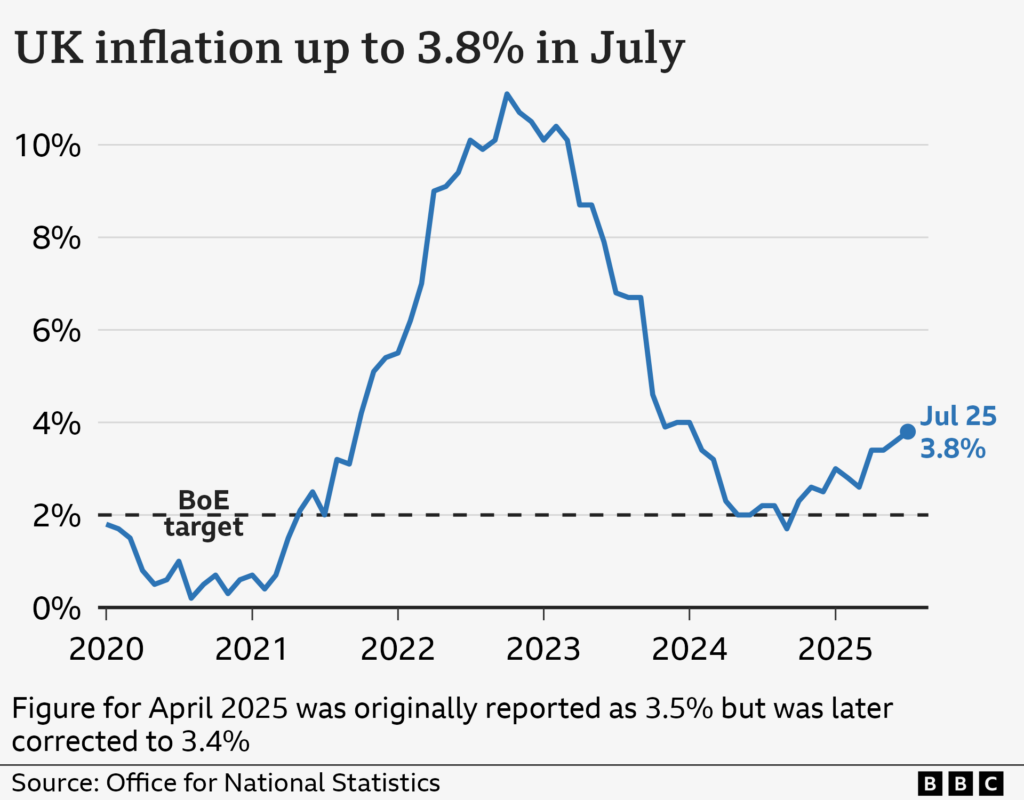
The UK inflation rate recently hit a notable milestone, dropping to 3% in January 2023, down from 3.4% in December. This decrease is largely attributed to falling food and fuel prices, which have contributed to the ongoing discussion surrounding the Bank of England interest rates. As the UK economy navigates these changes, understanding the impact of inflation on the cost of living is crucial for households facing higher prices. Economists believe that the latest inflation statistics may prompt the Bank to reconsider its approach, potentially leading to a cut in interest rates as early as March. With inflation data being a focal point in UK economy news, it is essential to monitor these developments closely as they unfold.
The recent decline in the rate of price increases in the UK reflects vital shifts in the financial landscape, underscoring everyday concerns about expenses for households. January saw a significant dip in inflation, attributable to reductions in essential costs such as groceries and energy, benefiting consumers grappling with rising living expenses. As discussions around the Bank of England’s approach to interest adjustments intensify, the implications for overall economic stability remain a point of interest. With pressures from fluctuating fuel and food prices continuing to shape the cost-of-living narrative, the potential for policy changes signals a new chapter in the UK’s financial recovery. Analysts and citizens alike are keenly observing these trends, as they embody broader economic challenges faced in current times.
Impact of Lower Food and Fuel Prices on Inflation
In January 2023, the UK’s inflation rate saw a significant decline to 3%, a drop attributed primarily to reductions in food and fuel prices. The Office for National Statistics reported that the decrease was marked, with petrol prices falling notably, which played a crucial role in easing overall inflation. Lower costs for bread, cereals, and meat also contributed positively, although some areas, particularly hotel and takeaway services, saw higher prices. This mixed scenario illustrates the complex dynamics where certain sectors benefit from lower input costs while others continue to exert upward price pressure.
Experts suggest that this positive trend in inflation could lead to more strategic actions from the Bank of England, including potential cuts to interest rates. As consumers witness reduced inflationary pressures, the expectation is for a gradual improvement in the cost of living across the UK. Economists have pointed out that this reduction is timely, with forecasts indicating that inflation may continue to fall as additional government measures come into effect, enhancing the overall economic outlook.
UK Inflation Rate Trends and Future Projections
The UK inflation rate, which recently dropped to its lowest point since March 2025, is a vital indicator reflecting the economic climate of the country. Following the downturn from 3.4% in December to 3% in January 2023, there are expectations of ongoing decreases in the inflation rate. This is particularly pertinent given that the government is set to lower household energy bills, a significant cost that directly impacts consumer finances. The anticipated shift in energy pricing is expected to alleviate some pressure on families, consequently playing a role in reducing inflation rates even further.
In the wake of these developments, forecasters predict that the Bank of England could find itself in a position to lower interest rates multiple times throughout the year, potentially bringing rates down to about 3% by the end of 2026. This is tied closely to the unfolding events within the UK economy, where fluctuations in food and fuel prices are closely monitored. As inflation edges closer to the Bank’s target of 2%, the importance of policy adjustments becomes even more apparent, ensuring that economic stability can be achieved without compromising overall growth.
The Role of the Bank of England in Managing Inflation
The Bank of England plays a crucial role in steering the UK economy, especially when it comes to managing inflation rates. With the recent drop in inflation, there is growing speculation about whether the Bank will cut interest rates at its upcoming monetary policy meeting. As the central bank considers the factors influencing inflation, such as the significant rise in food and fuel prices in previous months, predictions suggest that they might lean towards a more dovish approach to foster economic growth and support the cost of living.
Analysts indicate that the decision to adjust interest rates will hinge on further evidence of slowing inflation. The close vote during the last meeting—where the continued rate was barely maintained—highlights the delicate balance that the Bank of England must navigate. The feedback from economic entities and the public sentiment towards inflation significantly influence these decisions, reflecting the interconnected nature of policy management and consumer experience in the UK economy.
Consumer Experience Amidst Changing Inflation Rates
As inflation rates fluctuate, the impact on everyday consumers becomes increasingly evident. While food and fuel prices have seen a decline, which is encouraging, many households continue to grapple with high costs related to other essential items. The British Retail Consortium has noted that heavy discounting in January sales provided temporary relief, but the overall landscape remains challenging. Increased minimum wages and national insurance contributions add pressure, suggesting that while some prices may dropp, others continue to rise, complicating the general consumer experience.
Moreover, business owners, like bakers and small retailers, frequently voice concerns over maintaining profit margins in an environment characterized by volatile prices. As some retailers strive to absorb escalating costs and stay competitive, consumers may enjoy short-term benefits from discounts but may also face unexpected price hikes in the future. The balance between cost-cutting measures and consumer expectations will be vital as the UK navigates through changing inflation rates and strives towards economic recovery.
The Effects of External Factors on Inflation
External factors significantly shape the inflation landscape in the UK, impacting everything from energy costs to international commodity prices. The recent decline in UK inflation to 3% in January can be attributed in part to external influences such as global oil prices and the availability of goods. For example, the fluctuations in petrol prices directly correlate with inflation metrics, providing insight into how international conditions can translate into domestic economic realities. With global uncertainties, continued declines in inflation can be complex and unpredictable, driven by factors beyond the UK’s control.
Additionally, seasonal trends can also play a role. The bump in December prices—often influenced by holiday travel and increased spending— can lead to misleading annual comparisons. As noted by economists, short-term spikes do not reflect ongoing economic health and can mask longer-term trends. Properly analyzing these external factors helps the Bank of England and other economic entities devise more effective strategies in combating rising inflation and ensuring a stable economic environment.
Government Measures to Combat Inflation
The UK government is actively implementing measures aimed at combating inflation and alleviating the cost of living for citizens. Initiatives such as reducing household energy bills and freezing prescription fees are pivotal in the overall strategy to manage inflation rates. Chancellor Rachel Reeves has emphasized these efforts as critical to her administration’s priorities, asserting that comprehensive budget choices are directly impacting inflation levels. This governmental action aims not only to bring relief to consumers but also to support the structural adjustments needed to meet the Bank of England’s target of 2% inflation.
As these measures roll out, their effectiveness will heavily depend on various economic indicators, including consumer behavior and market reactions. Economists project that these proactive policies can lead to a sustained decrease in inflation, fostering a more stable economic environment in the UK. However, analysts caution that the dynamic nature of inflation means continuous monitoring and adjustments may be necessary to ensure that policies remain relevant and effective.
Public Sentiment and Economic Outlook
Public sentiment plays a critical role in shaping the perceptions of inflation and economic vitality in the UK. As reported, many citizens remain cautious despite news of declining inflation rates, still feeling the impacts of previous price increases. The Institute for Chartered Accountants of England and Wales noted that while the figures seem encouraging, there is a tangible disconnect between statistical data and individual economic experiences. This dichotomy emphasizes the importance of transparent communication from policymakers regarding inflation’s trajectory and the measures taken to mitigate its effects.
As inflation trends shift, experts believe that restoring public confidence in the economy will be a gradual process. Sustained efforts by both the government and the Bank of England to manage inflation effectively and communicate progress will be crucial. Engaging the public in understanding these economic dynamics could lead to a sense of empowerment and optimism as consumers look towards an economically stable future.
Analyzing the January Inflation Figures
The inflation figures released for January 2023 indicate a noteworthy change in the UK economic landscape. A reduction to 3% is significant and signifies an important indicator for the Bank of England’s upcoming decisions on interest rates. Economists have highlighted that the contributions of transport, food, and non-alcoholic beverages played a predominant role in this shift. This comprehensive analysis also underscores the complexity of inflation, where multifactorial influences can yield varying results across different sectors.
While the January figures are promising, they still illuminate ongoing challenges. Higher prices for services, including accommodations and takeaways, suggest that not all sectors are benefiting from this inflationary decline. Understanding these nuanced dynamics will be vital as stakeholders in the UK economy—from policymakers to consumers—look to navigate the coming months amidst evolving inflation trends and their implications for everyday activities.
Challenges Ahead Despite Inflation Decrease
Despite the recent decrease in inflation rates, challenges remain ubiquitous across the UK economy. The immediate effects of food and fuel price declines are encouraging, but systemic issues such as rising costs in other sectors underscore an ongoing battle against inflation. Businesses, particularly those in the service industry, continue to face pressures from increased operating costs. The complexities of inflation mean that while some metrics may show improvement, the overall economic picture remains mixed.
It’s crucial for consumers and businesses to remain vigilant as economic conditions continue to evolve. While forecasters hint at a positive trajectory towards lowering inflation rates, it is essential to consider how broader economic policies, incentive structures, and global market dynamics can influence these trends. The path forward will require adaptability and strategic planning, balancing relief initiatives with sustainable growth tactics to foster a resilient economic landscape for all.
Frequently Asked Questions
What is the current UK inflation rate as of January 2023?
The current UK inflation rate as of January 2023 is 3%, down from 3.4% in December 2022. This decline has been attributed to decreases in food and fuel prices, as well as airfare costs.
How do food and fuel prices affect the UK inflation rate?
Food and fuel prices have a significant impact on the UK inflation rate. In January 2023, the drop in prices for these essential goods contributed to a lower inflation rate of 3%, signaling that while prices are rising at a slower pace, overall costs remain high.
What actions might the Bank of England take regarding interest rates due to the UK inflation rate?
Given the current UK inflation rate of 3%, economists suggest the Bank of England may cut interest rates at its March 2023 meeting. A favorable inflation outlook indicates that there could be multiple rate cuts throughout the year.
How do recent UK economy news reports describe the trend in inflation?
Recent UK economy news reports highlight a positive trend in inflation, with January’s rate falling to its lowest since March 2022. Lower costs in transport, food, and non-alcoholic beverages were key contributors to this trend, which is being closely monitored by financial analysts.
What role do government policies play in managing the cost of living in the UK?
Government policies play a crucial role in managing the cost of living in the UK, particularly as inflation rates affect household finances. Initiatives like reducing household energy bills and freezing rail fares help mitigate rising costs, contributing to the recent decrease in inflation.
Are prices actually falling in the UK due to the 3% inflation rate?
While the UK inflation rate has dropped to 3%, indicating that prices are rising at a slower pace, this does not mean prices are falling. Instead, everyday costs for many goods and services are still increasing, just more gradually than before.
What are the expected future trends for the UK inflation rate?
Experts forecast that the UK inflation rate will continue to decline in the coming months, particularly with the anticipated reduction of household energy bills beginning in April 2023, which may further alleviate financial pressures on families.
How did external factors influence the UK inflation rate increase in December 2022?
The UK’s inflation rate increase in December 2022 was influenced by seasonal factors such as increased flight costs during the holiday season and a rise in tobacco tax. These one-time events temporarily elevated inflation before it fell to 3% in January 2023.
What feedback do businesses have regarding the impact of inflation on costs?
Businesses, particularly in the food sector, have reported that rising ingredient costs due to inflation pressures have affected their profit margins. For instance, luxury ingredients have surged in price, forcing some bakers to absorb these costs in order to remain competitive.
How does inflation data impact consumer behavior and retail pricing in the UK?
Inflation data heavily influences consumer behavior, as rising prices lead shoppers to seek discounts and better deals. Retailers are often compelled to engage in discounting practices to maintain sales volumes, which was evident in January’s heavy discounting of clothing and staple items.
| Key Points |
|---|
| UK inflation rate fell to 3% in January from 3.4% in December, influenced by lower food, fuel, and airfare prices. |
| The drop in inflation was due to a decrease in petrol prices and reduced airfare, although prices are still rising but at a slower pace. |
| The Bank of England may cut interest rates at its March meeting due to the positive inflation outlook; predicted cuts could total three times this year. |
| Although inflation is decreasing, it remains above the Bank’s target of 2%. |
| Household energy bills will be reduced starting in April, which is expected to contribute further to reducing inflation. |
| Retail competition and heavy discounting have led to price drops in essential items, benefiting consumers amid rising operational costs for retailers. |
Summary
The UK’s inflation rate has seen a significant decrease, now standing at 3% after dropping from 3.4% in December. This decline has been attributed mainly to reductions in food and fuel prices. Despite the current economic challenges, forecasts suggest that the Bank of England may respond to this positive trend by cutting interest rates as early as March, which would have considerable implications for consumers and businesses alike. As inflation continues on a downward trajectory, the government’s planned reductions in household energy bills are expected to further ease financial pressures on families across the UK.