Listen to this article
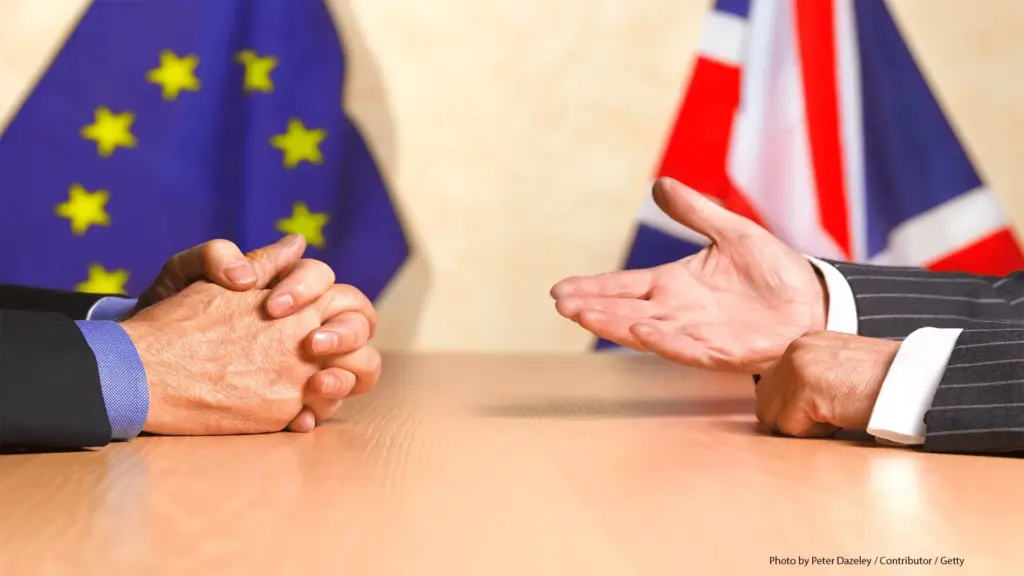
The issue of UK economic alignment with the EU has taken center stage in recent political discourse, particularly with Labour leader Sir Keir Starmer advocating for closer ties if deemed beneficial for the country. In a recent interview, Starmer contended that prioritizing connections with the single market over the customs union could protect crucial trade agreements with nations like India and the US. This strategic shift highlights concerns about the Brexit impact on the UK economy, as discussions around the Labour Party’s EU policy gain momentum within the party. Starmer’s stance suggests a willingness to navigate the delicate balance between national sovereignty and economic pragmatism, as he faces pressures to reconsider previously rejected EU arrangements. The growing dialogue around these issues underscores the significance of understanding UK trade deals amid ongoing negotiations affecting both businesses and consumers.
The dialogue surrounding the UK’s economic relationship with the European Union has pivoted to new considerations, particularly as leaders grapple with the repercussions of Brexit on the national economy. Sir Keir Starmer, in his advocacy for deeper connections, emphasizes the potential benefits of engaging with the EU single market, a move seen as necessary by many to bolster trade and investment. As the Labour Party refines its approach to EU policies, the ongoing debate over options like a customs union reflects broader concerns surrounding trade and economic stability. Starmer’s recent comments have ignited discussions on the importance of maintaining viable partnerships amidst a backdrop of political tension and public scrutiny. Understanding the implications of these policies is crucial for navigating the future direction of UK trade and economic growth.
The Impact of Brexit on the UK Economy
Brexit has significantly influenced the stability of the UK economy, leading to a plethora of economic challenges. Key sectors such as trade, fishing, and agricultural industries have faced shifts as new regulations come into play. The decrease in trade volume and the additional bureaucracy related to customs checks have generated a ripple effect, causing businesses to reassess their positions in both local and global supply chains. Labour Party leaders, particularly under Sir Keir Starmer’s vision, emphasize the necessity for a more strategic approach to the evolving economic landscape, as the interplay between EU alignment and national policies is reconsidered.
As the UK navigates through these post-Brexit challenges, there is significant discourse surrounding the notion that aligning more closely with the EU’s single market could enhance trade efficiency. Sir Keir Starmer’s proposed alignment highlights a pragmatic approach where the interests of UK businesses might prevail over rigid ideological positions regarding EU membership. In this context, the economic synergistic benefits can be harnessed, potentially alleviating some of the adverse economic impacts Brexit had initiated.
Labour Party’s EU Policy Under Sir Keir Starmer
Sir Keir Starmer has been vocal about the need for a recalibrated approach towards the EU, asserting that closer alignment with EU markets is paramount if it serves the UK’s national interests. His stance diverges from traditional Labour positions during the Brexit debate, pushing forth a pragmatic lens through which trade relations and economic policies can be assessed. Starmer argues against rejoining the single market or customs union, prioritising practical trade agreements such as those already developed with global partners like India and the US.
Furthermore, the Labour Party’s EU policy also reflects domestic influences, with pressures from within its ranks advocating for a more comprehensive push towards a customs union. This internal debate showcases a commitment to addressing economic concerns while ensuring that Labour’s coalition remains resilient and forward-looking. Such a policy evolution may encourage a balance between maintaining sovereignty and allowing for necessary economic integrations.
Single Market vs Customs Union: A Strategic Choice
The discourse surrounding whether to align with the EU’s single market or pursue a customs union poses critical decisions for the UK government. Proponents of the single market, like Sir Keir Starmer, argue that its alignment offers stronger economic opportunities compared to a customs union that might limit broader market access. This perspective focuses on reducing trade barriers more comprehensively and suggests that enabling businesses to thrive without rigid regulations may accelerate economic growth, ultimately benefiting the population as well.
On the other hand, supporters of the customs union believe it would better protect vital sectors, especially those dependent on tariff-free access. The debate thus intensifies as various political factions express divergent views on how to deal with the outcomes of Brexit. Strategically prioritising either of these alignments requires thorough consideration of the potential economic ramifications and benefits for the UK’s ongoing trade negotiations on the global stage.
Keir Starmer’s EU Stance: A Balancing Act
Sir Keir Starmer’s strategy emphasises a delicate balancing act between maintaining the outcomes of Brexit and seeking closer cooperation with the EU. His recognition of the need to avoid a hardline approach towards negotiations shows a commitment to adapt Labour policies that can attract both traditional Labour voters and those who feel economically insecure post-Brexit. Thus, his statement regarding potential alignment with the EU’s frameworks signals a significant pivot in Labour’s long-term trajectory concerning European relations.
This balancing approach is not solely about political inclusiveness, but instead is intrinsically related to fostering economic stability and growth. Starmer firmly believes that tapping into the EU’s regulatory frameworks can bolster the UK economy while honouring previous commitments regarding sovereignty, ensuring that the Labour Party represents a future focus for national interest that resonates with large segments of the electorate.
UK Trade Deals: The Post-Brexit Landscape
In the wake of Brexit, the UK has been actively negotiating a variety of trade deals aimed at fostering new economic relationships globally. Significant agreements with nations such as India and the United States highlight the government’s strategy of establishing robust partnerships outside the EU framework. These trades are essential for Britain’s economic recovery and growth as they aim to fill the void left by reduced EU interaction, which many see as a substantial economic opportunity.
However, the challenge remains in ensuring these deals align with the broader economic needs and competences that are requisite for the UK’s long-term prosperity. The Labour Party advocates for transparency and accountability in trade negotiations, cautioning that any agreements must protect workers’ rights and environmental standards. Understanding the implications of these trade deals is vital, as they will play a significant role in defining the UK’s post-Brexit economic identity.
Navigating Trade Relationships Post-Brexit
Navigating traditional and emerging trade relationships post-Brexit remains pivotal. Trade arrangements, particularly those leveraging closer alignment with EU principles, can potentially ease the navigation of customs and regulatory barriers. By adopting measures that harmonize practices, the UK can facilitate smoother operations for businesses operating in multiple jurisdictions. Sir Keir’s call for closer economic coordination with the EU reflects the potential for enhanced trade programs that benefit both sides, avoiding unnecessary adverse effects on the economy.
The contrast between new trade relationships and established agreements with the EU reveals a need for strategic decision-making on negotiation stances. Balancing trade deals that favour UK strategic interests while also conforming to international expectations is critical to the UK’s economic positioning. Sir Keir has backed approaches to ensure these negotiations consider long-term benefits for the UK and emphasise relationships that support thriving industries.
The Role of the EU in UK Economic Recovery
The role of the EU in supporting UK’s economic recovery plays an essential narrative in discussions regarding post-Brexit policies. With significant interdependencies persisting across sectors, the potential for mutual growth remains. Sir Keir Starmer’s ambition to align closer with the EU suggests that there is understanding among politicians that ‘going it alone’ may come with substantial economic costs. By fostering a collaborative attitude towards the EU, the UK may access more favourable market conditions for essential goods and services.
This engagement with the EU doesn’t imply a complete surrender of sovereignty; rather, it’s about finding practical solutions that can boost trade, support local businesses, and ensure compliance with regulatory standards. Hence, re-establishing working relationships could pave the way for a more resilient economy that acknowledges the complexities borne out of Brexit while capturing opportunities for essential economic recovery.
Economic Integration as a Sovereign Decision
Economic integration is often framed as a trade-off between national sovereignty and shared benefits. Sir Keir Starmer has illustrated a vision where the decisions made regarding how closely the UK aligns with the EU can enhance the country’s economic climate without compromising its independence. The recognition that aligning with EU standards in specific sectors—such as food and agriculture—could yield substantial benefits raises the question of what constitutes a beneficial sovereign decision in the new trade context.
Labour’s approach emphasizes pragmatism in negotiations, suggesting that integrating certain elements of EU compatibility would serve the interests of both the UK economy and its global trade ambitions. By positioning alignment decisions as sovereign, the Labour Party aims to reclaim ownership of the discussions while promoting policies that think strategically about the future economic landscape, therefore seeking advantageous outcomes for all UK citizens.
Youth Mobility and Economic Opportunities
The topic of youth mobility post-Brexit has sparked substantial debate regarding education and economic collaboration with the EU. Sir Keir Starmer’s approach around reintroducing programs like Erasmus reflects the understanding that educational opportunities can enhance the UK’s global standing and promote cultural exchanges. Thus, allowing for a framework that supports young individuals in studying abroad serves both educational and economic interests.
Moreover, the potential negotiations surrounding youth mobility schemes also intertwine with discussions of free movement. Starmer’s firm stance against the return of freedom of movement underscores the commitment to control immigration while still fostering opportunities. The balance struck here asserts the Labour Party’s vision of creating economically beneficial policies that would appeal to the younger generations seeking to engage beyond the UK’s borders.
Frequently Asked Questions
What are the implications of UK economic alignment with the EU after Brexit?
UK economic alignment with the EU post-Brexit aims to address trade frictions and boost the economy by considering closer ties such as the single market. This could help secure advantageous trade deals while fostering cooperation on regulations, especially in sectors like food and agriculture.
How does the Labour Party’s stance on EU policy affect UK economic alignment?
The Labour Party, under Sir Keir Starmer, advocates for closer alignment with the EU if it serves the national interest. This approach reflects a shift towards potentially prioritizing the single market over the customs union, thereby influencing UK trade strategy and economic policy.
What is the difference between the single market and customs union in terms of UK economic alignment with the EU?
The single market allows for the free movement of goods, services, capital, and labor, aiming for deeper integration with the EU, whereas the customs union focuses on tariff and trade policies. UK economic alignment with the EU may lean towards the single market to enhance trade relationships globally.
What is Keir Starmer’s position on EU alignment affecting UK trade deals?
Keir Starmer supports closer alignment with the EU’s single market to protect and enhance UK trade deals with countries like India and the US, emphasizing that such alignment should be pursued if it aligns with national interests.
How has Brexit impacted the UK economy regarding EU economic relationships?
Brexit has introduced complexities in the UK economy, with calls for economic alignment with the EU to mitigate these impacts. Closer ties could facilitate smoother trade and help address challenges faced in exports, especially concerning regulatory alignment for sectors such as food and agriculture.
Are there any current proposals for a customs union between the UK and the EU?
Yes, there are proposals within the Labour movement advocating for a customs union, with some party members pushing for this arrangement to pave the way for better economic relations with the EU, although current policy under Starmer does not prioritize this approach.
What are the potential benefits of re-establishing the Erasmus scheme post-Brexit for UK students?
Reinstating the Erasmus scheme allows UK students to engage in educational exchanges with EU countries, enhancing cultural ties and educational opportunities without reinstating free movement, thereby contributing positively to UK-EU relations.
What are the criticisms faced by the Labour Party regarding their EU alignment strategy?
Critics, including Conservative representatives, argue that Labour’s strategy for closer economic alignment with the EU could undermine Brexit, limiting the UK’s ability to set its own regulations and trade deals independently.
What role do trade unions in the UK see for economic alignment with the EU?
Trade unions in the UK advocate for the closest possible political and economic relationship with the EU, believing it is essential for boosting economic growth and securing workers’ rights in a post-Brexit landscape.
How does the Liberal Democrat Party’s view on customs union differ from Labour’s stance on the single market?
The Liberal Democrats prioritize rejoining the customs union over the single market, arguing that true engagement with the EU necessitates free movement, contrasting with Labour’s approach of potential single market alignment without reinstating such freedoms.
| Key Points | Details |
|---|---|
| Sir Keir Starmer’s Position | Starmer advocates for closer alignment with EU markets if it serves national interests, specifically suggesting a shift towards the single market. |
| Prime Minister’s Stance | The Prime Minister prefers the single market over the customs union but does not plan to cross the promises made during the Brexit campaign. |
| Trade Deals Impact | Starmer believes aligning with the single market may safeguard trade deals with India and the US while prioritizing national interests. |
| Labour’s Internal Pressure | Some members within the Labour party support advancing towards a customs union, reflecting differing opinions among party members. |
| Challenges to Freedom of Movement | Starmer insists that proposals, such as a youth mobility scheme, do not mean a return to freedom of movement despite potential arguments to the contrary. |
| Conservative Opposition | The Conservatives argue that Starmer’s approach signals a betrayal of Brexit, suggesting he aims to eliminate the advantage of independent UK trade regulation. |
| Liberal Democrats’ Position | They support closer alignment with the EU but prioritize re-entering the customs union instead of the single market, highlighting the free movement issue. |
| Trade Union Insight | Trade unions express that a close economic relationship with the EU is vital for growth and prosperity in the UK. |
| Potential Models | The UK could consider models like Turkey’s cooperation with the EU, which has stimulated economic growth without losing autonomy over regulations. |
Summary
UK economic alignment with EU is a pressing topic as Sir Keir Starmer advocates for closer ties that could enhance national interests, particularly concerning trade. He calls for shifts towards the single market while Prime Minister insists on evaluating this within the limits of previous commitments. With both party pressures and external critiques in play, the discussion around the benefits versus risks of aligning with EU standards continues to evoke strong opinions across the political spectrum.