
Listen to this article
UK-China relations are currently undergoing a pivotal moment as Prime Minister Sir Keir Starmer engages in high-level discussions in Shanghai. Amidst Donald Trump’s remarks labeling such engagement as “very dangerous,” Starmer seeks to bolster economic ties through China UK investment agreements and enhanced trade initiatives. During his talks with Chinese President Xi Jinping, significant strides have been made, highlighting the importance of the UK as a key business partner for China. Sir Keir’s leadership in fostering these relations corresponds with growing recognition of China’s role in global trade networks. As both nations explore cooperative avenues, the implications of these discussions resonate not just bilaterally, but also in the broader geopolitical landscape, especially in light of Trump’s ongoing commentary on China.
The diplomatic dynamics between the United Kingdom and China are shaping new pathways for partnership, highlighted by recent visits from UK officials to China. The dialogues initiated by leaders like Sir Keir Starmer signify a shift in the UK’s strategic outlook towards engaging with this major global economy. As discussions unfold, agreements on trade and investment, including benefits for businesses, demonstrate the UK’s commitment to nurturing ties with the Chinese market. Furthermore, the growing interaction between these nations invites scrutiny and discussion regarding the implications for international relations. Understanding the evolving context of UK-China engagement is essential as it attracts attention from global stakeholders, ensuring that economic incentives do not overshadow important dialogues about governance and human rights.
The Significance of UK-China Relations
The relationship between the UK and China is pivotal in the context of global trade and diplomacy. As one of the world’s largest economies, China’s influence on international markets is undeniable, making it critical for the UK to foster a robust partnership. This significance has escalated in recent years, particularly as the UK seeks to diversify its trade partnerships post-Brexit. Strengthening ties with China presents an opportunity for the UK to secure advantageous trade agreements, which could be beneficial for both sides. Furthermore, this alliance encourages investment agreements, like the recent commitment from AstraZeneca to establish manufacturing in China, which underscores the mutual benefits at stake.
However, the complexities of UK-China relations cannot be ignored. With rising tensions involving human rights issues and national security concerns, the UK faces a balancing act when engaging with China. The recent comments by former President Donald Trump highlight the geopolitical stakes involved; he indicated that closer UK ties with China might be ‘very dangerous.’ These sentiments illustrate a cautious approach that the UK government must navigate while ensuring that economic progress does not come at the expense of ethical considerations.
Sir Keir Starmer’s Recent Visit to China
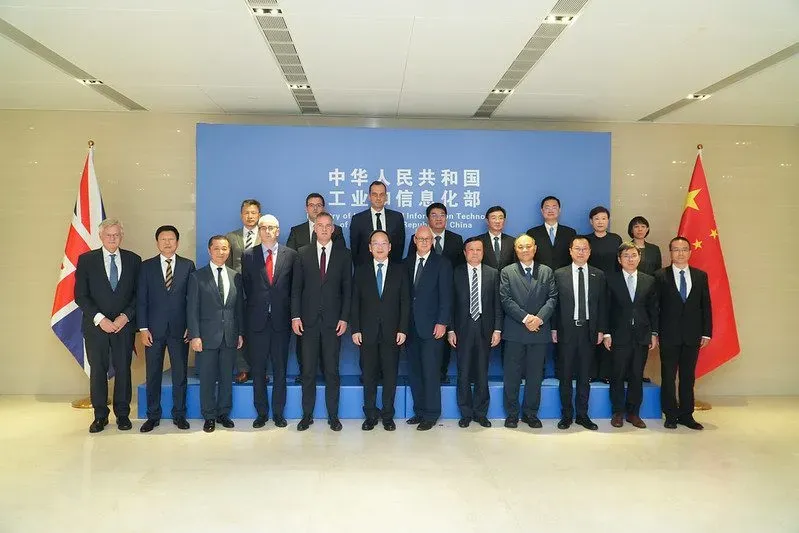
Prime Minister Sir Keir Starmer’s visit to China marks a significant diplomatic event, particularly as it is the first by a UK leader since 2018. During his meetings, particularly with President Xi Jinping, Starmer emphasized the positives of a strong UK-China relationship, stating that the discussions yielded substantial progress. The agreements reached—including visa-free travel for business professionals and agreement on reduced whisky tariffs—highlight a proactive approach towards enhancing trade and investment prospects between the two nations. The visit aimed to demonstrate the UK’s commitment to engagement, responding to criticism regarding previous hesitations to engage meaningfully with China.
Starmer’s positive assessment contrasts sharply with the comments from Trump, suggesting fears associated with UK-China ties. The UK prime minister’s assertion that relations are at a ‘good, strong place’ seeks to bolster confidence among British businesses and investors looking towards China for growth opportunities. However, critics within the UK Parliament have voiced concerns over the implications of deepening ties with a nation criticized for its human rights record. Despite the contrasting narratives, Starmer’s visit may pave the way for future economic partnerships that could influence the UK’s standing in the global market.
Understanding Trump’s Involvement in UK-China Dynamics
Donald Trump’s remarks on the UK’s relationship with China have sparked discussions about the broader implications of international relations for trade. His claim that engaging with China is ‘very dangerous’ for the UK reflects the ongoing tension between Western nations and China, particularly regarding economic dependencies and ethical standards. Trump’s critiques come at a time when the US is grappling with its own strategic interests in Asia, including potential tariffs against nations that align closely with China. Such comments may serve to influence public perception and governmental policy, as leaders reassess their foreign relationships amidst geopolitical uncertainties.
Moreover, Trump’s approach to foreign relations emphasizes a competitive stance, suggesting that while the US may enforce sanctions and tariffs on countries like Canada for their dealings with China, he simultaneously plans to engage with China himself later this year. This duality poses questions for UK policymakers about the balance of power and the potential risks of aligning too closely with China. By keeping an eye on the shifting dynamics of US-China relations, the UK must navigate its partnerships thoughtfully, ensuring that strategic alliances do not jeopardize its economic stability.
Investment Agreements Between China and the UK
Investment agreements between China and the UK are integral to foster mutual economic growth. The recent announcement of AstraZeneca’s £10.9 billion investment into China serves as a testament to the potential benefits of such relationships. By setting up manufacturing facilities in China, AstraZeneca not only expedites its production capabilities but also solidifies its presence in one of the largest pharmaceutical markets worldwide. This move is a clear indicator of how strong investment ties can yield substantial returns for UK businesses, contributing to job creation and economic development.
Moreover, the focus on investment agreements extends beyond just the pharmaceutical sector. The establishment of frameworks for collaboration in organized crime and illegal immigration also signifies a more comprehensive approach towards partnership. By addressing various challenges collaboratively, the UK and China can enhance their bilateral relations, ensuring both nations can effectively contribute to global economic stability. Such initiatives underscore the necessity for trade cooperation in areas beyond traditional sectors, aligning national interests through comprehensive economic and security agreements.
Trade Opportunities Between the UK and China
The trade opportunities between the UK and China have expanded significantly in recent years, especially following Brexit, as the UK looks to secure new trade partners. This shift opens doors for a plethora of economic collaborations, ranging from technology to agriculture. The UK’s established industries can benefit from China’s substantial consumer market, while China, in turn, gains access to high-quality goods and services from the UK. Initiatives like the reduction of whisky tariffs highlight the potential for cross-border trade expansion, which could lead to increased exports and economic prosperity for both nations.
However, navigating trade opportunities requires careful consideration of both ethical standards and geopolitical implications. The UK must balance its economic interests with the need to address human rights issues pervasive in China. Ensuring that trade agreements do not overlook moral responsibilities can help the UK maintain its integrity on the global stage. As such, while there is a clear push towards maximizing trade potential, it is essential that these opportunities are pursued with a holistic appreciation of both nations’ responsibilities towards each other.
The Role of Xi Jinping in UK-China Relations
Xi Jinping has played a crucial role in shaping UK-China relations, particularly through summits and direct engagements with UK leaders. His leadership style and policies have influenced how Western countries interact with China, often leading to a cautious approach from nations like the UK. During Prime Minister Sir Keir Starmer’s visit, Xi’s welcoming remarks and willingness to engage reflect China’s broader agenda of promoting itself as a global partner. Establishing a rapport with Xi serves to enhance bilateral ties, providing a platform for cooperation on pressing international issues.
Nonetheless, the relationship is fraught with challenges, particularly concerning human rights and geopolitical tensions. Xi’s administration has faced widespread criticism for its stance on civil liberties, leading to a precarious image that complicates diplomatic engagements. Despite these criticisms, many within the UK government argue that engaging with Xi is essential for fostering constructive dialogue and collaborative solutions, particularly in trade and investment. Thus, Xi’s influence continues to be a double-edged sword in the UK-China relationship, embodying both the potential for partnership and the complexities that accompany it.
Criticism Surrounding the Trip to China
Sir Keir Starmer’s recent trip to China has drawn considerable criticism from opposition MPs, who argue that engaging with President Xi poses risks to the UK’s national security and ethical stance. The backdrop of serious human rights violations reported by the UN adds a layer of contention to such diplomatic visits. Critics, including shadow home secretary Chris Philp, express concerns that engaging with a government accused of violating human rights could undermine the UK’s moral authority on the global stage. This illustrates the persistent tension between economic pragmatism and ethical governance.
Additionally, the timing of Starmer’s visit coincides with heightened scrutiny of China’s geopolitical ambitions, raising alarm among those who believe that closer ties could compromise the UK’s strategic positioning. The dissenting voices within Parliament advocate for a more cautious approach, suggesting that the UK should prioritize safeguarding its values over pursuing lucrative business deals. This debate around Starmer’s visit epitomizes the broader challenge faced by Western governments: navigating the complexities of international relations while remaining true to national principles.
Future Prospects for UK-China Engagement
Looking ahead, the future of UK-China engagement seems poised for significant developments, especially as global economic dynamics evolve. The recent agreements resulting from Sir Keir Starmer’s visit suggest a renewed focus on building partnerships that can withstand external pressures, such as US critiques of closer ties with China. This potential for cooperation is essential, considering China’s growing economic clout and the UK’s need for diverse trading partners outside the EU. The emphasis on collaboration in various sectors could lead to innovative solutions to shared global challenges, benefiting both nations.
However, the path forward will require careful navigation of existing tensions without compromising ethical commitments. As the geopolitical landscape shifts, maintaining a balanced approach in UK-China relations will be critical. Future engagements must ensure that they not only focus on economic outcomes but also address human rights and security concerns. By adopting a strategic, well-rounded agenda, the UK can position itself as a proactive player in fostering a constructive UK-China relationship that aligns with both economic and ethical imperatives.
Frequently Asked Questions
What are the implications of Sir Keir Starmer’s visit to China for UK China relations?
Sir Keir Starmer’s visit to China marks a significant step in strengthening UK China relations. During his meetings with Chinese President Xi Jinping, important agreements on investment, trade, and cooperation were announced, including a £10.9 billion investment from AstraZeneca to establish manufacturing facilities in China. This suggests that the UK is keen to enhance its business ties with China despite concerns over national security.
How did Donald Trump’s comments on China impact UK China relations?
Donald Trump’s comments labeling the UK’s engagement with China as ‘very dangerous’ reflect the ongoing tensions between the US and China, which could influence UK China relations. While the UK government reaffirmed its commitments to business ties, Trump’s warnings can create a sense of caution and may lead to scrutiny over the nature of UK China investment agreements.
What agreements were made during Sir Keir Starmer’s meetings with Xi Jinping in China?
During Sir Keir Starmer’s meetings with Xi Jinping, several agreements were made, including a focus on visa-free travel, reduced tariffs on UK whisky, and a significant investment from AstraZeneca. These agreements are designed to boost UK China trade and business collaboration, signaling a positive shift in bilateral relations.
What is the significance of the UK’s largest trading partners, including China, for UK China relations?
China currently ranks as the UK’s fourth-largest trading partner, which underscores the significance of UK China relations in the context of global trade. Strengthening ties with China is seen as a strategic move to enhance trade relations despite potential criticisms regarding human rights and national security.
How are UK China relations perceived by UK opposition MPs in light of human rights concerns?
UK opposition MPs have expressed concern regarding Sir Keir Starmer’s trip to China, suggesting that engaging with Xi Jinping overlooks serious human rights violations reported by the UN. They fear that the UK is prioritizing economic gains over national security and moral considerations, complicating the narrative around UK China relations.
| Aspect | Details |
|---|---|
| Donald Trump’s View | Trump expressed concerns regarding the UK engaging with China, calling it ‘very dangerous’. |
| Sir Keir Starmer’s Visit | UK Prime Minister Sir Keir Starmer emphasized a strong relationship with China after meetings with President Xi. |
| Business Agreements | Agreements included visa-free travel, reduced whisky tariffs, and AstraZeneca’s investment in China. |
| US-UK Relations | Downing Street has assured that the US was informed of Starmer’s trip and intentions in advance. |
| Criticism of the Trip | Opposition MPs criticized Starmer for his visit citing national security risks and human rights issues in China. |
| UK’s Trade Relations | China is the UK’s fourth-largest trading partner, while the US remains the largest. |
| Future Engagement | Western leaders, including Trump, are expected to engage further with China, highlighting the complexity of international relations. |
Summary
UK China relations have become increasingly complex and multifaceted, as illustrated by recent statements from Donald Trump and actions taken by Prime Minister Sir Keir Starmer during his visit to China. While Trump warns against deepening ties with China, Starmer actively seeks to enhance business relations through various agreements. Despite mixed reactions and concerns over national security, the UK’s engagement with China reflects a strategic approach in navigating global trade dynamics.

