
Listen to this article
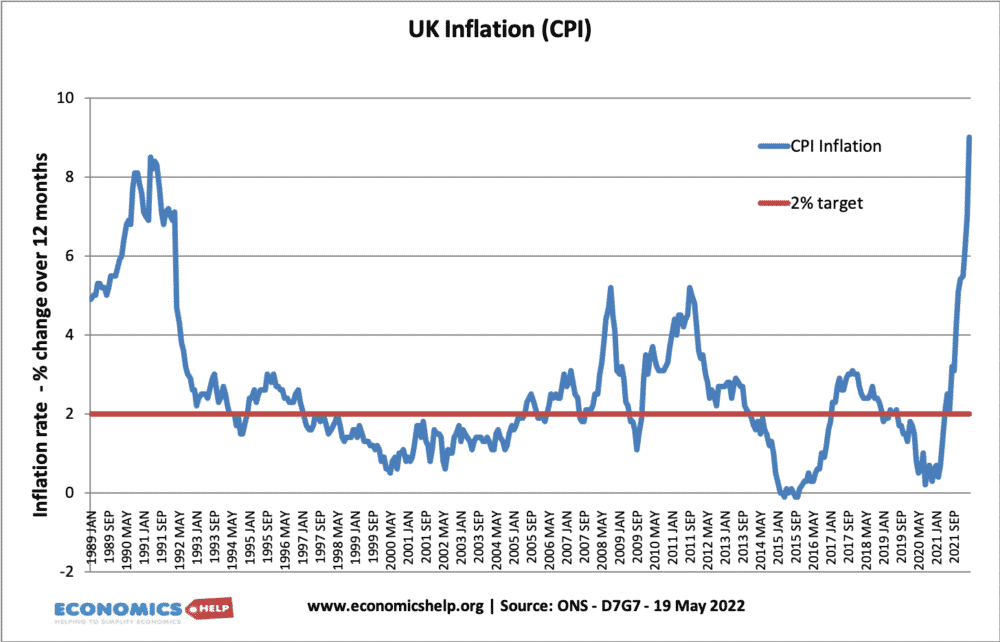
The recent UK Budget inflation reduction measures, unveiled by Chancellor Rachel Reeves, aim to directly address the increasing cost of living crisis facing households today. With inflation currently at 3.5%, the new fiscal policy initiatives, as outlined by a Bank of England deputy governor, could reduce this figure by up to 0.5% by 2026, providing much-needed relief for consumers. These adjustments, including the continuation of fuel duty cuts and energy price freezes, are anticipated to have a significant budget impact on inflation in the coming years. Furthermore, as the UK inflation comparison suggests significant fluctuations, Reeves’ strategic approach may stabilize prices and bolster economic resilience. The focus remains not only on immediate relief but also on meeting the Bank of England’s inflation forecast of 2% by 2027.
Chancellor Rachel Reeves’ latest financial strategy to mitigate inflationary pressures presents a proactive approach to handling the ongoing economic challenges in the UK. This budgetary framework, aimed at easing the financial strain on families amidst a stubborn cost of living crisis, encompasses measures such as capped fuel duties and reduced energy costs. By implementing these changes, policymakers hope to create a ripple effect that also moderates the tempo of price surges. As comparisons of UK inflation rates evolve, these fiscal policies may serve as critical interventions supporting household budgets and fostering overall economic health. With the Bank of England’s inflation targets in sight, these initiatives could mark a pivotal shift in the UK’s economic landscape.
UK Budget Inflation Reduction: Key Measures and Impact
The recent UK Budget introduced by Chancellor Rachel Reeves has been lauded for its potential to reduce inflation by as much as 0.5% next year, as indicated by comments from Clare Lombardelli, a deputy governor at the Bank of England. Key measures such as capping fuel duty, reducing energy prices, and freezing rail fares have been identified as crucial strategies to curb the rising cost of living. These initiatives are expected to take effect from April 2026, and they align with broader objectives to stabilize the economy and control inflation rates.
Moreover, the Office for Budget Responsibility (OBR) has projected that inflation, which currently stands at 3.5%, will experience a gradual decline, ultimately reaching the Bank of England’s target of 2% by 2027. This forecast is critical for households struggling under the weight of a cost of living crisis, as it suggests a pathway towards more stable economic conditions. As the government implements these Budget measures, they aim to not only address immediate inflationary pressures but also to foster long-term economic growth.
Budget Impact on Inflation and Living Costs
The impact of the Chancellor’s Budget on inflation is not merely theoretical; several tangible measures are designed to alleviate immediate financial burdens for UK households. For example, extending the 5p cut in fuel duty allows consumers to save significantly on transport costs, which is vital during a time of rising prices. The removal of green levies from energy bills provides further relief, translating into annual savings of approximately £88 for families. These cuts are strategically timed to address the ongoing cost of living crisis that has placed immense pressure on households across the UK.
Furthermore, the decision to freeze rail fares until March 2027 marks a substantial departure from the historical pattern of fare increases based on inflation metrics. This policy highlights the government’s commitment to maintaining affordable public transport options, which is essential for supporting economic activity and improving the quality of life for everyday commuters. As consumers navigate the intertwining issues of inflation and living costs, such measures could play a pivotal role in stabilising household finances.
Chancellor’s Budget Measures and Economic Growth
Chancellor Rachel Reeves’ Budget has drawn mixed reactions, as some analysts are cautious about its broader economic implications. Despite the projected short-term benefits of reducing inflation, the deputy governor of the Bank of England, Clare Lombardelli, suggested that the overall impact on economic growth may be modest, with only a 0.2% increase in GDP projected by 2027. Such figures indicate that while the Budget has measures to temporarily mitigate inflation, structural challenges in the economy remain that could impede robust growth.
The inclusion of new road taxes on electric and hybrid vehicles from April 2028 raises questions about how sustainable this growth can be, especially as consumers adjust to added costs associated with transitioning to greener vehicles. Furthermore, the Chancellor’s focus on balancing tax and spend measures reflects an attempt to pave a path towards future economic resilience, underscoring the complex interplay between fiscal policy and inflationary pressures. Therefore, it becomes critical for policymakers to monitor both immediate outcomes and long-term economic health as these Budget measures are implemented.
Bank of England Inflation Forecast and Its Relevance
The Bank of England’s forecast plays a crucial role in shaping public and political perceptions of inflation trends in the UK economy. With current inflation at 3.5%, there is cautious optimism as the OBR predicts a drop to 2.5% next year, further aligning with the Bank’s aim of achieving a stable 2% target by 2027. These forecasts set the stage for how both consumers and businesses will plan for the future amidst ongoing economic volatility.
Moreover, as the Bank of England informs its monetary policies based on such forecasts, the nuances of the Chancellor’s Budget become essential for achieving the inflation target. For instance, measures that temporarily lower prices can assist in shifting inflation in the right direction. However, if inflationary pressures persist due to external factors such as global commodity prices or domestic resource constraints, the Bank’s ability to maintain its forecast may become strained, making it critical for the government and the Bank to work cohesively.
Understanding the Cost of Living Crisis in the UK
The cost of living crisis has been a focal point for UK policymakers, epitomizing the financial strain experienced by households due to rising prices across various sectors, from food to energy. The measures put forward in the Chancellor’s Budget are designed to tackle some aspects of this crisis directly. By alleviating energy costs through multiple interventions, the government is seeking to lessen the burden on families who are feeling the pinch as inflation rates soar.
In this context, understanding the broader implications of these Budget measures is essential. For instance, while freezing rail fares and cutting fuel duties provide immediate relief, there remains a pressing need for sustainable solutions that address underlying economic issues. Thus, while the current governmental approach offers a temporary lifeline, ongoing discussions and policies will be critical in ensuring that the cost of living concerns are managed effectively over time.
Evaluating the Chancellor’s Long-term Strategy
Evaluating Chancellor Rachel Reeves’ long-term strategy involves recognizing the balance between immediate relief measures and sustainable economic growth plans. The Budget’s provisions, particularly those targeting inflation reduction, signify an acknowledgment of the public’s urgent needs amidst a cost of living crisis. However, it is equally important to consider how these momentary gains translate into lasting economic stability and growth, which may require more comprehensive structural reforms.
Critically, as the Chancellor moves forward, the challenge will lie in maintaining effective communication with both the public and economic stakeholders. This involves clarifying how short-term measures will align with broader economic objectives, such as increasing productivity and fostering innovation. Hence, while the immediate impacts of the Budget are promising, the success of these initiatives will ultimately depend on their integration into a coherent long-term policy framework that addresses both inflation and growth.
The Political Reactions to the Budget
Political reactions to the Chancellor’s Budget reflect an array of perspectives, particularly regarding its potential to manage inflation and alleviate the cost of living pressures. Opponents have criticized the budget’s measures, suggesting that they may not go far enough in addressing the underlying issues driving inflation. Conservative leader Kemi Badenoch’s comments highlight concerns that the Chancellor’s fiscal strategies could ironically contribute to inflationary pressures through increased taxation and spending.
Conversely, supporters of the Chancellor assert that her measures are necessary interventions designed to navigate an unpredictable economic landscape. By focusing on reducing specific taxes and capping key costs, the Chancellor aims to foster both public support and economic stability. Navigating these political dynamics is crucial for future economic plans, as any perceived misalignment could hinder public trust and dampen the effectiveness of the initiative.
Future Prospects for UK Inflation Control
Looking ahead, the future prospects for UK inflation control will largely depend on the efficacy of the Chancellor’s current Budget measures, as well as external economic conditions. The anticipated reduction of 0.4% to 0.5% in inflation due to specific policy implementations provides a sliver of hope. Still, the broader economic landscape, including global supply chain issues and fluctuating energy prices, will play significant roles in determining whether the UK can achieve its inflation targets over the coming years.
Additionally, the Bank of England’s monetary policies, which would respond to ongoing inflationary trends, will also influence the effectiveness of the Chancellor’s strategy. To navigate the complexities of controlling inflation while ensuring economic growth, there will be a critical need for coordination between fiscal and monetary policies. This integrated approach could enhance the chances of stabilising the economy and ensuring that the cost of living crisis is addressed comprehensively.
Conclusion: Balancing Immediate Relief and Long-term Economics
In conclusion, the Chancellor’s Budget offers an essential array of measures aimed at providing immediate relief from inflation and the cost of living crisis. While projections indicate a potential reduction in inflation due to targeted interventions, the long-term effects on the overall economy remain to be seen. It is imperative that future strategies not only manage current financial pressures but also lay the groundwork for a sustainable economic environment.
Ultimately, achieving a delicate balance between immediate economic relief and long-term growth will be paramount for the Chancellor’s plans moving forward. Policymakers must remain vigilant in assessing the effectiveness of implemented measures and adjusting accordingly to maintain public confidence and economic stability. By fostering collaboration across various sectors, there is potential for a cohesive strategy that benefits consumers and bolsters economic resilience.
Frequently Asked Questions
How will the UK Budget inflation reduction measures impact future inflation rates?
The UK Budget inflation reduction measures, particularly those announced by Chancellor Rachel Reeves, are expected to lower inflation by 0.4% or 0.5% starting from the second quarter of 2026. These changes aim to tackle the cost of living crisis by capping fuel duties and cutting energy prices, leading to a decrease in the overall rate of price increases.
What is the Chancellor’s Budget impact on inflation projections for the UK?
The Chancellor’s Budget is projected to significantly impact UK inflation by reducing it from the current 3.5% to approximately 2.5% next year, as stated by the Office for Budget Responsibility (OBR). This improvement in inflation is largely attributed to measures like freezing rail fares and eliminating green levies from energy bills.
What are the main measures in the Chancellor’s Budget aimed at controlling UK inflation?
Key measures in the Chancellor’s Budget aimed at controlling UK inflation include capping fuel duty, cutting energy prices, and freezing rail fares. These initiatives are designed to alleviate the cost of living crisis and help reduce the inflationary pressures faced by households.
How does the Bank of England’s inflation forecast align with the UK Budget’s inflation reduction measures?
The Bank of England forecasts that the measures introduced in the UK Budget will support a decrease in inflation, potentially aligning with the overall target of 2% by 2027. These measures, particularly focused on energy prices and transport costs, are seen as crucial elements in the effort to manage inflation more effectively.
What have experts said about the impact of the UK Budget on economic growth and inflation?
Experts, including Bank of England deputy governor Clare Lombardelli, suggest that the impact of the UK Budget on economic growth is minimal, with only a 0.2% contribution to GDP growth anticipated by 2027. However, the Budget’s measures are expected to contribute meaningfully to inflation reduction in the short term.
What changes were made in the UK Budget regarding energy costs and their relation to inflation?
In the recent UK Budget, significant changes were made including the removal of green levies on energy bills, which is forecasted to save households around £88 per year. These adjustments are aimed at mitigating inflationary pressures stemming from rising energy costs in the UK.
When will the effects of the Chancellor’s Budget on UK inflation become evident?
The effects of the Chancellor’s Budget on UK inflation are expected to be noticeable from April 2026. Analysts predict a reduction in inflation rates as a direct result of the measures introduced, which will slow down the increasing price levels during that period.
What long-term effects can be expected from the UK Budget inflation measures?
Long-term effects of the UK Budget inflation measures include a gradual return of inflation to the Bank of England’s target of 2% by 2027. The measures aim to stabilize energy prices and control transport costs, which will contribute to a more controlled inflation environment in the years following the Budget.
| Key Point | Details |
|---|---|
| Inflation Reduction Forecast | The Budget could reduce inflation by 0.5% next year, according to Bank of England’s Clare Lombardelli. |
| Measures to Slow Inflation | Capping fuel duty, cutting energy prices, and freezing rail fares are key measures to help decrease inflation. |
| Current Inflation Rate | As of now, UK inflation stands at 3.5%, with forecasts of 2.5% next year. |
| Impact on Economic Growth | The effects of the Budget on economic growth are described as ‘quite small’, with only a 0.2% increase in GDP projected for 2027. |
| Electric Vehicle Road Charge | A new road charge of 3p per mile for electric cars will be implemented from April 2028. |
Summary
The UK Budget Inflation Reduction initiatives aim to significantly mitigate inflation through measures such as freezing rail fares, capping fuel duty, and reducing energy prices. These strategic decisions made by Chancellor Rachel Reeves are expected to play a vital role in curtailing the rising cost of living and ensure a smoother economic trajectory for the UK. By addressing both immediate and long-term inflation concerns, the government seeks to create sustainable financial relief for households while balancing the broader economic implications. Overall, the implications of these measures will be closely monitored as they are anticipated to have a lasting effect on the UK’s economic landscape.

