Listen to this article
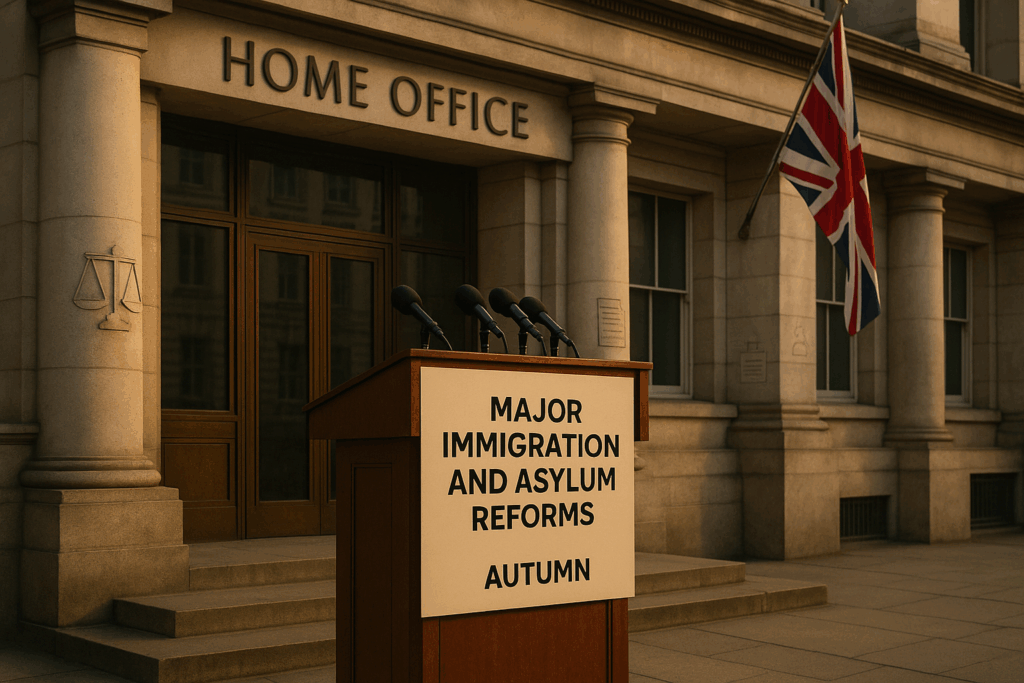
The proposed UK asylum system reforms have sparked significant debate, with Home Secretary Shabana Mahmood asserting that the current immigration framework is “out of control and unfair.” These critical changes seek to reevaluate the asylum process by introducing measures such as temporary refugee status and the elimination of guaranteed housing support for asylum seekers. Alongside this, the government aims to create capped “safe and legal routes” for entry into the UK, attempting to curtail the influx of asylum seekers. While some Labour MPs have expressed serious concerns about the potential impacts of these proposals, others within the Conservative party have cautiously welcomed what they describe as necessary changes in UK immigration policy. As discussions unfold, the question remains: will these asylum system changes truly address the pressures facing the UK, or will they lead to a more tumultuous landscape for those seeking refuge?
The ongoing discussions around reforms in the United Kingdom’s immigration landscape are pivotal as the government seeks to amend how asylum applications are processed. With proposals aiming to restrict refugee status to temporary conditions and enhance the review frequency, many are questioning the implications for those fleeing persecution and conflict. The latest strategies presented, marked by significant shifts in policy direction, have become a focal point among various political factions and advocacy groups. Critics of Shabana Mahmood’s asylum plans warn of creating systemic issues that may force refugees into prolonged uncertainty and alienation within the UK. As alternative routes for entry come under scrutiny, the broader implications for community dynamics and integration remain a contentious aspect of the dialogue surrounding these sweeping asylum reforms.
The Proposed UK Asylum System Reforms
Home Secretary Shabana Mahmood has introduced significant changes to the UK’s asylum system, labelling the current state as “out of control and unfair.” Her proposals aim to alter the very foundation of how asylum seekers are treated, shifting from permanent refugee status to a temporary one. This reform is rooted in the government’s intent to streamline the immigration process and reduce the overall number of asylum claims. Critics, including several Labour MPs, have branded these proposals as dystopian, highlighting the potential for creating an environment of instability and anxiety among those who seek safety and refuge in the UK.
The proposed changes also include a review of refugee status every 30 months, a reduction in support indefinitely available to asylum seekers, and incentives for families to return to their home countries if their asylum claims are refused. The government hopes that by implementing these reforms, it can alleviate pressure on local resources and immigration services. Concerns have been raised that such drastic asylum system changes in the UK could lead to a more closed-off environment for genuine refugees, who already face numerous challenges when transitioning to life in a new country.
Impact of Temporary Refugee Status in the UK
One of the most controversial aspects of the proposed reforms is the switch to temporary refugee status, which critics argue creates a perpetual state of limbo for individuals who are already experiencing trauma and displacement. The frustration expressed by asylum seekers and advocates is palpable, as the changes may severely limit their ability to build stable lives in the UK. As highlighted by immigration lawyer Tony Vaughan, making refugee status temporary might yield feelings of alienation and discourage integration into the community, ultimately eroding the societal supports necessary for successful resettlement.
The implications of this temporary status are complex; it not only limits the rights of asylum seekers but also complicates their long-term aspirations, particularly in terms of family reunification and permanent residency. Advocates stress that people fleeing violence or persecution require stability and support, not an endless cycle of uncertainty. Shabana Mahmood’s efforts to balance these concerns against the UK government’s strict immigration policy may ultimately face significant challenges, as many fear the human cost of such reforms could overshadow any intended efficiency.
Government Asylum Proposals and Political Reactions
Reaction to the government’s asylum proposals has been polarised, with some Conservative members supporting the changes while numerous Labour MPs vehemently oppose them. The proposal to cap refugee status and introduce stricter measures has provoked criticism that ranges from accusations of inhumanity to concerns about how these policies will affect the Labour party’s standing among voters. MP Richard Burgon’s remarks about the policies being morally wrong resonate with many who believe that the UK should uphold its commitment to human rights and provide refuge to those in need.
On the opposite end, Conservative MP Kemi Badenoch welcomed these measures as a necessary step towards more robust immigration control. Her comments indicate a belief that if the UK remains tethered to the European Convention on Human Rights, reforms may not achieve the intended outcomes. The tug-of-war between different political ideologies illustrates the broader discourse around immigration policy in the UK, which continues to evolve amidst ongoing debates concerning fairness and national security.
Capped Safe and Legal Routes for Migrants
The introduction of capped safe and legal routes for asylum seekers is a pivotal aspect of Shabana Mahmood’s reform plans. By providing more structured pathways for legal migration, the government aims to manage the flow of asylum seekers while simultaneously attempting to bolster public confidence in the immigration system. This approach intends to diminish reliance on dangerous journeys across the Channel, particularly by small boats, a point of contention for many UK citizens who have grown increasingly concerned about the consequences of unregulated immigration.
However, the effectiveness of these capped routes is yet to be seen, and doubts linger regarding their implementation and reception among local communities and service providers. Critics argue that simply creating more routes will not resolve the underlying issues that drive people to seek refuge in the UK, such as persecution and violence in their home countries. Enver Solomon of the Refugee Council emphasizes that refugees do not choose the destination based solely on immigration rules; instead, they often have existing ties or community support in the UK due to historical connections. This raises questions about the adequacy of these new measures to genuinely meet the needs of those seeking sanctuary.
Criticism of the UK Asylum System Changes
As the proposed asylum system changes unfold, significant criticism has emerged from various corners of the political landscape. Many Labour MPs have not held back in their condemnation, describing the reforms as draconian and a direct attack on the values of compassion and support that should underpin the UK’s immigration policy. The fear is that the changes will only serve to further alienate vulnerable populations who are already at risk and seeking solace in a new country. As MP Nadia Whittome articulated, the implications of these plans could lead to a dismantling of human rights provisions that have been critical in safeguarding the welfare of asylum seekers.
There are also deeper concerns regarding the implications of reverting to a more stringent asylum model, where the focus shifts from humanitarian considerations to national security. The criticism emphasizes the moral responsibility the UK holds as a signatory of international agreements that protect the rights of asylum seekers. Many advocates warn that undermining these principles in favour of populist sentiment could lead to significant humanitarian consequences, potentially tarnishing the UK’s reputation as a sanctuary for those fleeing persecution.
Challenges in Implementing Asylum Reforms
Implementing the newly proposed reforms in the UK’s asylum system will likely face numerous challenges, both political and logistical. In her assertions, Shabana Mahmood has acknowledged the need for cooperation between political factions to reach a consensus on immigration policy. The pushback from Labour officials and members of the public who fear for the safety and well-being of vulnerable groups represents a significant barrier to the successful enactment of these proposals. Should the government struggle to navigate these challenges, it risks creating additional divisions rather than effectively managing the asylum crisis.
Moreover, logistical issues surrounding the increase in administrative burdens—such as regularly reviewing refugee statuses every 30 months—may strain already overwhelmed resources within the UK immigration system. Previous attempts at reform have resulted in backlash and government backtracking, indicating that introducing sweeping changes without comprehensive support and oversight could be counterproductive. As Shabana Mahmood embarks on this ambitious path, the need for adaptable and humane solutions to asylum seekers’ problems should remain at the forefront of her agenda.
Public Perception of Asylum Policy Changes in the UK
Public perception plays a crucial role in shaping the discussion around asylum policies in the UK. Many citizens feel torn between the values of compassion and safety, highlighting the nuances of a society grappling with high-profile media coverage of asylum seeker narratives. Increasingly, stories of individuals crossing the Channel in search of safety evoke a spectrum of emotions, leading to polarized opinions. While some advocate for an open-door policy to protect the most vulnerable, others express concern about the implications that large influxes may have on local resources and public services.
The government’s attempts to convey a message of controlled migration through reforms may resonate with segments of the populace who feel overwhelmed by rapid demographic changes. However, stories circulated by advocacy groups underline the essential humanity of asylum seekers, which often contradicts the narratives of fear propagated in political debates. An inclusive approach to engaging the public in discussions about asylum could harness compassion as a unifying force, helping to reshape perceptions and foster a more informed dialogue around UK immigration policy.
Future of Asylum Seekers amidst Policy Changes
Looking ahead, the future of asylum seekers in the UK will largely depend on how effectively the government implements proposed reforms and navigates the accompanying controversies. There is a crucial balance to strike between addressing public concerns around immigration and maintaining the country’s moral responsibilities as a refuge for those fleeing dire situations. Observers note that without genuine commitment to creating fair systems that protect asylum seekers, the reforms may not yield the desired outcomes of safety and stability in the long run.
Moreover, the government’s ability to respond to opposition, both within Parliament and among the public, will dictate the sustainability of these changes. The political landscape remains dynamic, and advocates continue to voice their concerns about the long-term implications of the current proposals. As debates around immigration and asylum persist, the commitment to human rights principles and the pursuit of equitable treatment for all individuals will remain a critical focal point in shaping public trust and future government policies.
Frequently Asked Questions
What are the key changes proposed in the UK asylum system reforms?
The proposed UK asylum system reforms under Home Secretary Shabana Mahmood include making refugee status temporary, ending guaranteed housing support for asylum seekers, and creating capped ‘safe and legal routes’ into the UK. These changes aim to manage the current asylum situation more effectively, which Mahmood has described as ‘out of control and unfair’.
How will the new UK immigration policy affect asylum seekers?
The new UK immigration policy will drastically change the landscape for asylum seekers by introducing temporary refugee status, which will be reviewed every 30 months. Furthermore, the time required to apply for permanent residence will increase from five years to 20 years, complicating long-term settlement prospects for asylum seekers.
What is the stance of Labour MPs on Shabana Mahmood’s asylum plans?
Labour MPs have expressed significant concern over Shabana Mahmood’s asylum plans, labeling them as ‘dystopian’ and ‘shameful.’ Some MPs argue that making refugee status temporary could lead to ‘perpetual limbo’ for asylum seekers, highlighting the moral dilemmas posed by the proposed UK asylum system reforms.
What measures are included in the government asylum proposals to manage asylum claims more effectively?
The government asylum proposals include stricter measures such as limiting refugee status to a temporary basis, offering incentives for families with children to leave voluntarily if their asylum claims are refused, and tightening the application of the European Convention on Human Rights to facilitate removals of failed asylum seekers.
Why is the temporary refugee status UK reform considered controversial?
The temporary refugee status UK reform is controversial because it implies a fundamental shift away from permanent refuge, raising concerns about the rights and security of those seeking asylum. Critics argue it could institutionalize a cycle of instability and anxiety for individuals who have fled danger and conflict.
How does the UK plan to ensure cooperation on deportations with African countries?
The UK government plans to enhance cooperation on deportations with African countries by threatening to restrict visa issuance to Angola, the Democratic Republic of Congo, and Namibia unless they comply with deportation assistance. This is part of the broader UK immigration policy reform aimed at streamlining asylum processes.
What is being done to involve community organizations in the UK asylum system?
As part of the reforms, Shabana Mahmood has indicated an intention to increase the involvement of voluntary and community organizations in receiving and supporting new arrivals to the UK, which aligns with the creation of capped ‘safe and legal routes’ for asylum seekers.
How might these asylum system changes impact the number of asylum claims in the UK?
The UK asylum system changes are designed to reduce the volume of asylum claims by implementing stricter eligibility criteria, increasing the waiting period for permanent residency, and enhancing removal processes for those without legal status. However, critics believe that such measures may not deter individuals fleeing life-threatening situations.
What concerns have been raised about the government’s asylum proposals?
Concerns raised about the government’s asylum proposals include their ethical implications, the potential to alienate asylum seekers, and the fear that such policies may exacerbate social tensions and neglect humanitarian responsibilities. Critics warn these reforms may deter future Labour voters and diminish the UK’s commitment to upholding human rights.
| Key Point | Details |
|---|---|
| Reforms Overview | Home Secretary Shabana Mahmood states the asylum system is ‘out of control and unfair’, proposing sweeping reforms including temporary refugee status. |
| Temporary Refugee Status | Refugee status will be reviewed every 30 months, and people could be returned once their home country is deemed safe. |
| Increased Requirements for Permanent Residency | The required time in the UK before applying for permanent residency will increase from 5 years to 20 years. |
| Family Asylum Policy Changes | Families with children denied asylum will face incentives to leave and possible forcible removals. |
| Housing Support Cuts | The government will end guaranteed housing support for asylum seekers. |
| Legal Challenges | Mahmood’s plans may face legal challenges related to the European Convention on Human Rights. |
| Opposition Concerns | Some Labour MPs criticize reforms as ‘dystopian’ and ‘morally wrong’, while others support the Home Secretary’s approach. |
| Response Statistics | So far, 111,800 people have claimed asylum this year, with 39% arriving by boat and 37% through legal means. |
| Community Involvement | Plans include increasing the role of voluntary and community organizations in the asylum process. |
Summary
The recent proposals regarding UK asylum system reforms aim to overhaul a structure perceived as disorganized and unjust. Mahmood’s changes, including temporary status for refugees and cuts to housing support, seek to address rising asylum claims, yet they have sparked significant debate. Critics argue these reforms could lead to inhumane outcomes and exacerbate social tension, while some members of Parliament see potential in a more controlled immigration approach. The path ahead will likely involve negotiations within Parliament and scrutiny under human rights law to ensure a fair balance between safety and compassion.