Listen to this article
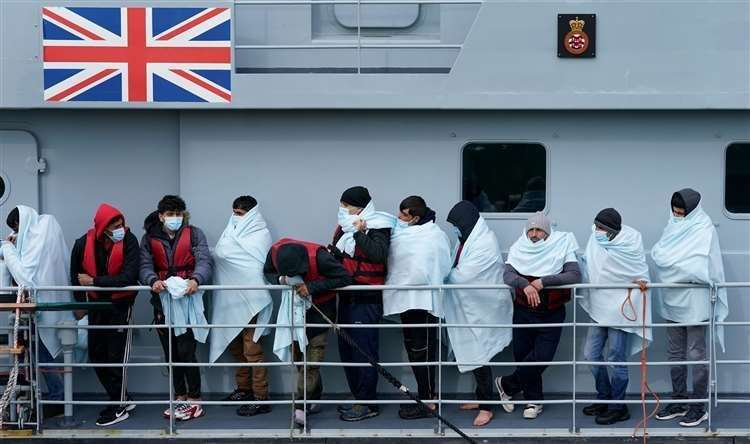
UK asylum seekers are at the center of a sweeping policy overhaul that promises to reshape the nation’s approach to refuge and immigration. Under new regulations set to be announced by Home Secretary Shabana Mahmood, individuals granted asylum in the UK will no longer enjoy permanent residency but will instead face temporary stays. This move is linked to broader UK asylum policy changes aimed at reducing the influx of asylum claims and the number of dangerous small boat crossings. Drawing inspiration from the controversial Denmark asylum model, the UK government is poised to adopt measures that have previously proven effective in tightening immigration regulations. As the public debates the implications of this shift, the discussions surrounding UK immigration reform reveal deep-seated concerns about national security and humanitarian obligations.
Those seeking refuge in the UK, often referred to as asylum seekers, face a new era of uncertainty with proposed changes to the asylum system. Shabana Mahmood, the Home Secretary, is expected to unveil plans that limit refugee status to temporary permits rather than the traditional permanent residency. This significant transformation aligns with recent trends and European best practices, particularly the restrictive policies observed in Denmark. Advocates for reform argue that stricter regulations may discourage future asylum requests while others worry about the ethical implications behind such measures. As the UK navigates these complex discussions, the future for many asylum seekers hangs in the balance.
The Shift Towards Temporary Asylum in the UK
The UK government is poised to introduce a groundbreaking policy that limits asylum seekers to temporary stays, significantly altering the landscape of refugee protection in the country. This shift is heralded as a response to increasing asylum claims and rising concerns over small boat crossings in the English Channel. As Home Secretary Shabana Mahmood prepares to make this announcement, critics and supporters alike are watching closely to see how this measure will impact the future of UK asylum seekers. Under the proposed changes, individuals granted asylum will only have temporary residence, with their status subject to ongoing evaluations—marking a drastic departure from the current system that allows for indefinite leave to remain after five years.
Denmark’s controversial asylum model has notably influenced this new direction in UK asylum policy. The Danish approach requires refugees to renew their temporary residence permits every two years, promoting a system that prioritizes re-evaluation of asylum claims. This policy signals not just a tactical shift in addressing the immediate influx of asylum seekers but also hints at deeper ideological underpinnings. As the UK seeks to mirror Denmark’s restrictionist policies, questions around humanitarian obligations and the legal implications of these approaches loom large. By limiting protections, the government might inadvertently restrict the necessary refuge for those fleeing persecution and conflict, potentially harming vulnerable populations.
The Influence of Denmark’s Asylum Model
Denmark has long been recognized for its stringent asylum and immigration policies, serving as a potential blueprint for the UK in the upcoming reforms. Notably, the Danish parliament has increasingly shifted towards the centre-right ideologies, applauded by many policymakers across Europe, including Shabana Mahmood. The Danish model, which emphasizes temporary asylum permits, has evolved after facing criticism for its harsh contours, particularly in the context of humanitarian crises. The underlying philosophy posits that tightening immigration routes discourages irregular crossings and encourages legal compliance among refugees seeking safety.
Adopting Denmark’s system could, however, invite significant backlash within the UK, as many faith leaders and human rights organizations anticipate damaging repercussions if such measures are enacted. Critics argue that the replication of Denmark’s strategy could reflect a rightward shift in UK politics, undermining the nation’s commitment to international humanitarian standards. Mahmood’s deep admiration for Denmark’s evolving policy mix reveals a political gamble that seeks to balance public sentiment against immigration with the ethical responsibilities that come with asylum policies. The challenge lies in implementing similar policies without alienating traditional Labour voters who champion human rights.
Controversy Surrounding UK Asylum Policy Changes
The proposed changes to asylum seeker policies in the UK have sparked an intense debate, especially among Labour politicians. While Shabana Mahmood argues that tougher measures may be necessary to regain public trust and control over borders, dissenting voices within her party caution against presenting such draconian reforms as viable solutions. The assertion that stricter regulations might limit support for more radical right-wing movements like Reform UK has led to fears of internal party discord, highlighting the challenges Labour faces in aligning their policies with their broader base’s progressive values.
Moreover, the politically charged dialogue surrounding the refugee crisis has provoked strong opinions regarding what constitutes a humane approach to asylum. Critics from within Labour, such as Nadia Whittome and Clive Lewis, argue that leaning towards temporary stays reflects a capitulation to right-wing populism rather than adherence to the party’s foundational principles of equality and inclusion. Mahmood’s strategy may lead to increased polarization, drawing stark lines between those supportive of increased border controls and those advocating for a compassionate stance on asylum seekers, fueling deeper divides within the UK’s political landscape.
Implications of Temporary Asylum for Refugees
Implementing temporary asylum permits indicates a significant shift in the UK’s approach to refugee resettlement, raising crucial questions about the future of humanitarian aid. Those granted asylum may find themselves in precarious situations, as regular evaluations could lead to destabilizing circumstances. The fear of being returned to countries deemed safe could deter potential asylum seekers from applying, which contradicts the spirit of offering refuge to those in need. This dynamic not only endangers the living conditions of those seeking safety but may also impact social cohesion and integration efforts for newcomers in the UK.
Encouragingly, there are arguments in support of this policy shift claiming that it might streamline existing asylum systems and curb the strain on public services, ensuring that resources are allocated effectively. However, such claims hinge on the government’s ability to implement these measures without undermining existing human rights frameworks. There is a delicate balance between enforcing stringent asylum regulations while guaranteeing the respect and protection of individuals fleeing war and persecution. Temporary asylum could pave the way for a more conditional acceptance of refugees, radically altering the very nature of asylum within the UK.
The Future of UK Immigration Reform
As the UK braces for this significant reform in its asylum policies, the implications extend beyond immediate changes for asylum seekers. The proposed transition towards temporary statuses aligns with broader calls for immigration reform that has characterized political discourses in recent years. Shabana Mahmood and the Labour Party face the monumental task of drafting policies that resonate with the electorate while simultaneously maintaining commitments to human rights standards. The proposed reforms signal a turn in the tide of UK immigration attitudes, prompted by fears of uncontrolled borders and public sentiment surrounding immigration issues.
Critics argue that without thoughtful execution of these reforms, public perceptions may peak towards hostility rather than understanding. As Labour considers the lessons learned from Denmark’s model, the need for a compassionate approach to asylum seekers is paramount. While the government seeks to assert control, the question remains: can they enhance security without compromising the UK’s reputation as a beacon of hope for those escaping hardship? The future of asylum policy will shape not only immigration debates but the very fabric of UK’s values and humanitarian commitments.
Challenges in Implementing Danish Asylum Policies in the UK
The move towards adopting aspects of the Danish asylum model will undoubtedly encounter significant challenges in the UK. First and foremost is the legal framework, as any changes must comply with established human rights laws and conventions. The UK’s commitment to the European Convention on Human Rights (ECHR) and obligations under international law impose significant constraints on how far the government can go. Thus, while plans to restrict asylum seekers to temporary protection may gain political traction, their practical implementation must account for legal repercussions and potential disputes in courts.
Furthermore, local public sentiment plays a crucial role in shaping immigration policy. The Danish model has drawn its share of criticism both domestically and from international observers as being overly harsh. Replicating their approach may provoke backlash from advocacy groups, citizens, and even international bodies. The challenge lies in convincing the public and lawmakers alike that temporary status is a measured response to a legitimate crisis without abandoning the core tenets of asylum that highlight the UK as a safe haven for the persecuted. With a politically diverse landscape to navigate, Mahmood’s proposed reforms face not only practical hurdles but also a battle to secure the narrative around asylum.
Public Reactions to Asylum Policy Changes
Public reactions to the anticipated asylum policy changes have been decidedly mixed, reflecting a nation divided on the topic of immigration. Proponents of strict asylum regulations argue that limiting permits to temporary statuses will mitigate the challenges posed by small boat crossings and illegal migration, asserting that the public’s safety and resources must be prioritized. They contend that by deriving inspiration from Denmark’s effective policies, the UK could better control its borders and ensure that only the most deserving cases are granted entry.
Conversely, many citizens express deep concerns about the implications of restricting asylum rights. Activists and human rights groups have voiced alarm over the moral and ethical dimensions of limiting refuge to temporariness, arguing that such a shift may undermine Britain’s longstanding commitment to offer sanctuary to the vulnerable. Critics predict that the new policies would deter legitimate asylum seekers from applying altogether for fear of uncertain futures, ultimately harming social cohesion and the UK’s global reputation as a leader in humanitarian aid.
The Role of the ECHR in UK Asylum Policies
The interplay between the proposed changes in UK asylum policy and the European Convention on Human Rights (ECHR) cannot be overstated, as Mahmood navigates the complex landscape of legal compliance and human rights obligations. Many in the UK government argue that existing safeguards under the ECHR complicate efforts to enforce stricter asylum controls. Consequently, there is mounting pressure for reforms that align national laws with those international obligations, particularly focusing on the provisions surrounding family life and the right to seek asylum.
Moreover, the ECHR serves as a critical litmus test for the legality of any new asylum measure. As policymakers craft restrictive policies inspired by Denmark, they must also ensure that they do not infringe upon the rights enshrined in the ECHR. The challenge resides in finding a suitable balancing act between fulfilling domestic security needs and maintaining adherence to international human rights standards. Should the government fail to honor its obligations, the repercussions may not only affect legal standings but could also spark wider societal resistance to perceived injustices inflicted upon asylum seekers.
The Impact of Temporary Asylum on UK Society
Implementing a temporary asylum system could yield profound impacts on the fabric of UK society, particularly as it affects the integration of refugees into local communities. Those granted temporary status may face uncertainty and instability, challenging their ability to contribute meaningfully to society. The psychological burden of living under the constant threat of renewed evaluations and potential repatriation could lead to long-term detrimental effects on mental well-being and social trust. For UK asylum seekers, the promise of sanctuary might become overshadowed by the fear of being uprooted once more.
Moreover, as the UK grapples with its identity as a welcoming nation, the implications of limiting asylum to temporary stays could reshape public perceptions around immigration and inclusion. This policy shift risks fostering a climate of suspicion and division, which could fuel xenophobia and societal rifts. For communities that traditionally embrace diversity, the transition may challenge the very principles of compassion and asylum that have long defined the British ethos. Moving forward, there lies a critical need for dialogue surrounding the treatment of refugees and societal responses to such profound policy shifts.
Frequently Asked Questions
What are the new temporary asylum policies for UK asylum seekers?
The UK government is set to announce new policies that will limit asylum seekers to temporary stays, meaning that those granted asylum will be required to leave the country when it is deemed safe in their home country. This marks a significant departure from the previous practice of providing permanent refugee status, which used to allow individuals to apply for indefinite leave to remain after five years.
How does the UK asylum policy change align with the Danish asylum model?
The UK asylum policy change draws inspiration from the Danish asylum model, which favors temporary residence permits typically valid for two years. Like in Denmark, the UK plans to implement regular reviews of asylum seekers’ status, reinforcing a system that is designed to be more restrictive and aimed at reducing overall asylum claims.
What are the potential impacts of the UK immigration reform on asylum seekers?
The UK immigration reform proposes significant changes to the treatment of asylum seekers, shifting from a permanent residency approach to a temporary asylum framework. This could lead to increased uncertainty for refugees, as their right to reside in the UK will depend on ongoing assessments of safety in their home countries.
Who is Shabana Mahmood and what role does she play in the asylum policy changes?
Shabana Mahmood is the UK Home Secretary who is leading the initiative to reform asylum policies. She is set to unveil measures that aim to limit asylum seekers’ stay in the UK to temporary periods, citing the need to reduce illegal crossings and manage the asylum system more effectively.
What criticisms have been raised regarding the UK government’s approach to asylum seekers?
Critics, including members from the Labour Party, argue that mimicking Denmark’s stringent asylum policies could undermine the UK’s moral and political stance on refugee rights. Concerns have also been voiced about the implications for family reunification under stricter regulations and the perception that these measures cater to far-right sentiments.
How does the proposed temporary asylum system affect family reunion for refugees?
The UK government’s proposed asylum reforms may restrict family reunion policies similar to those currently in place in Denmark, where tighter regulations control the ability of refugees to bring family members to the country. This could further complicate the lives of refugees seeking to reunite with loved ones.
What are the long-term implications of temporary asylum status for UK asylum seekers?
The shift to temporary asylum status may significantly affect the long-term prospects for refugees in the UK, making it more difficult to achieve permanent residency or citizenship. With ongoing evaluations and the potential for return to their home countries, asylum seekers may face increased instability and anxiety regarding their future.
How do UK asylum seekers’ rights compare with those under the European Convention on Human Rights (ECHR)?
The new asylum policies are expected to adhere to the principles established by the European Convention on Human Rights (ECHR), which includes protections related to family life. However, the UK government, under Mahmood’s leadership, aims to tighten interpretations of these rights in deportation cases, which could pose challenges for refugee rights in practice.
What is the public’s reaction to the proposed UK asylum policy changes?
Reactions to the proposed asylum policy changes have been mixed, with some individuals and groups expressing support for stricter immigration control while others criticize the potential human rights violations. Public opinion will likely play a crucial role in shaping the future landscape of asylum policies in the UK.
Can asylum seekers expect more government support under the new temporary asylum structure?
Under the new temporary asylum structure, it is uncertain whether asylum seekers will receive increased government support. While the Home Secretary emphasizes maintaining sanctuary for those fleeing danger, the move towards temporary status suggests that available resources and protections may be increasingly limited.
| Key Point | Description |
|---|---|
| Temporary Asylum Status | The UK will limit asylum seekers to temporary stays instead of permanent protection. |
| Policy Announcement | Home Secretary Shabana Mahmood is set to announce this policy change. |
| Review System for Status | Asylum status will be regularly reviewed, and individuals may be sent back to their home country when deemed safe. |
| Inspiration from Denmark | The UK is looking at Denmark’s temporary asylum permit system as a model. |
| Controversy | The new strategy may face backlash from within the Labour Party and other political factions. |
| Focus on Reducing Asylum Claims | The UK government aims to reduce the number of asylum claims and small boat crossings. |
| Potential Opposition | Some Labour MPs warn that this approach mirrors far-right rhetoric. |
| Control of Migration | The government believes stricter rules are necessary to regain control over borders and public trust. |
Summary
UK asylum seekers are facing a major change in policy as the government plans to limit their stays to temporary statuses. Under the latest announcement by Home Secretary Shabana Mahmood, successful asylum seekers will no longer receive permanent protection, marking a shift towards a system inspired by Danish practices. This drastic change aims to control immigration and reduce the number of asylum claims while sparking debate and potential opposition within the political landscape. As the new rules are anticipated to reshape the UK’s asylum system, the implications for individuals seeking refuge in the country remain a critical point of discussion.