Listen to this article
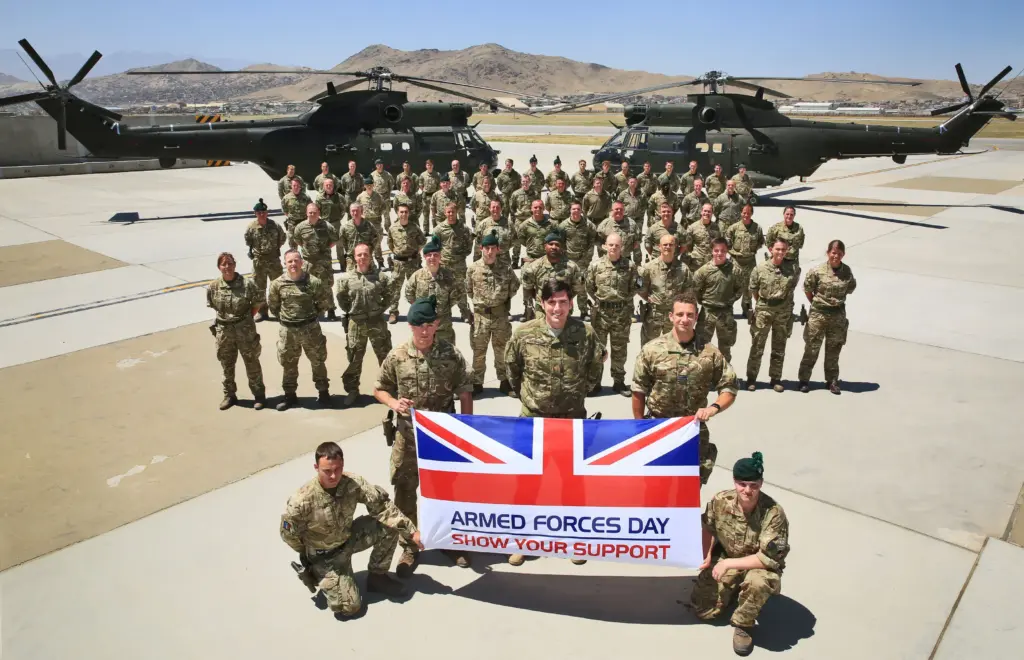
The UK armed forces have once again showcased their active commitment to global security by assisting the US in the recent seizure of a Russian-flagged oil tanker, the Marinera, in the North Atlantic. This operation highlights the UK’s strategic role in combating illegal activities on the high seas, particularly those involving shadow fleets that are integral to Venezuelan oil smuggling efforts. The collaboration between the British Royal Navy and the US Coast Guard underlines the shared commitment to uphold international law and counteract malign activities by rogue states like Russia and Iran. By intercepting vessels connected to sanctioned countries, the UK armed forces are taking a firm stance against illicit oil transportation linked to terrorism and geopolitical instability. Enhanced surveillance and military cooperation exemplify the modern, multi-national approach to maritime security, which includes tackling challenges such as those posed by Russian flagged vessels involved in shadow operations.
In the realm of maritime defense, the British military has reaffirmed its dedication to international law by collaborating with US forces during the recent capture of a tanker linked to Russia. This incident, involving the Marinera, not only underscores the urgency of addressing Venezuelan oil smuggling but also shines a light on the broader implications of shadow fleets that operate outside legal constraints. These ghost vessels pose significant challenges in global shipping lanes, often masquerading under false flags to evade detection and regulatory oversight. The presence of such ships, tied to countries like Russia and Iran, emphasizes the importance of joint operations to ensure safer seas and uphold the rule of law. The participation of the UK armed forces in this operation not only demonstrates their capabilities but also emphasizes their role as a critical ally in the fight against maritime crime.
UK Armed Forces’ Role in International Maritime Security
The UK armed forces have consistently demonstrated their commitment to international maritime security, as evidenced by their recent collaboration with the US Coast Guard in the seizure of the Marinera, a Russian-flagged tanker. This operation highlights the growing need for international cooperation to tackle illegal activities on the high seas, particularly those involving oil smuggling linked to nations such as Venezuela and Russia. By supporting the US in this mission, the British military underscores its strategic priorities in maintaining lawful trade routes and protecting national interests from malign actors.
The Ministry of Defence (MoD) emphasized that British forces, including the Royal Navy and Royal Air Force, played a crucial role in this operation, providing surveillance and naval support to ensure the success of the mission. In an age where shadow fleets are increasingly used to flout international laws and sanctions, the UK armed forces’ proactive stance serves as a warning to those attempting to exploit maritime domains for illicit purposes. The collaboration not only enhances the security of UK waters but also reinforces alliances with key partners, particularly in the fight against terrorism and smuggling.
Combatting Shadow Fleets and Oil Smuggling
Shadow fleets, comprised of older tankers seeking to evade scrutiny, have emerged as a significant challenge in global maritime security. These vessels often carry oil for sanctioned nations such as Venezuela and Iran, and the Marinera seizure exemplifies the ongoing efforts to disrupt these networks. Financial intelligence indicates that up to one-fifth of all oil tankers may be involved in smuggling operations, which poses risks not only to the economies of targeted nations but also to the environmental safety and integrity of international waters.
By working alongside the US in combating these shadow fleets, the UK armed forces are actively participating in a broader strategy to enforce sanctions and uphold international law. The dangers posed by these illicit vessels, particularly in terms of funding terrorism and facilitating hostile activities by countries like Russia, cannot be overstated. This latest operation reflects a concerted effort to deter such practices and maintain a lawful maritime environment, essential for global stability and security.
The Significance of the Marinera Seizure
The seizure of the Marinera not only represents a tactical victory against Venezuelan oil smuggling but also reinforces the legal framework governing maritime operations. With the US Coast Guard acting under a warrant, this operation was executed within the confines of international law, thereby underscoring the importance of lawful intervention in the face of illicit activities. Defence Secretary John Healey stated that the UK would not tolerate malign activities at sea, pointing to the importance of this mission as a deterrent against future violations.
Additionally, the operation has wider implications for global maritime norms, highlighting the growing trend of using false flags and re-flagging to protect vessels engaged in illegal trades. By publicly condemning such practices, the UK and US set a precedent for international naval operations and emphasize the need for cooperation among nations to enforce sanctions effectively against countries that harbor or support such illicit vessels. This reflects a crucial turning point in counteracting threats posed by rogue state actors on the high seas.
Legal and Ethical Dimensions of Maritime Operations
The legal frameworks governing maritime operations are complex and multifaceted, particularly when dealing with vessels under foreign flags. The intervention by the UK armed forces in the seizure of the Marinera illustrates the application of international law in enforcing sanctions against illicit oil trading. Secretary Healey’s remarks about compliance with international laws reinforce the ethical commitment to lawful action against vessels involved in activities deemed harmful to global security.
Moreover, as Moscow denounced the US for boarding a Russian-flagged ship, this case raises critical questions about sovereignty and the rights of nations under international maritime law. The complexities of enforcing sanctions against nations that utilize shadow fleets to mask their operations necessitate a delicate balance between enforcing laws and respecting the sovereignty of nations. Such discussions are essential in forging a collective approach to maritime security that upholds principles of justice while effectively combating oil smuggling and terrorism.
International Diplomacy and Military Coordination
This operation brought to light the crucial role of international diplomacy in coordinating military actions. The communication between Prime Minister Sir Keir Starmer and US President Trump demonstrates the strategic dialogues that inform joint operations. With issues such as the situation in Venezuela and Ukraine at the forefront of discussions, diplomacy remains an integral part of military intervention, underscoring the interconnectedness of military actions and international relations.
The successful seizure of the Marinera, as part of a broader campaign against clandestine oil transportation, reflects the importance of collective effort among allied nations. The appreciation expressed by the US military to the MoD illustrates a strong alliance built on trust and mutual objectives. Such collaboration is vital in addressing security challenges, and it exemplifies how military forces can effectively operate within a diplomatic framework to achieve desired outcomes.
Impacts of Recent Seizures on Global Oil Markets
Recent developments, including the seizure of both the Marinera and the M/T Sophia, have profound implications for the global oil market. With significant oil supplies originating from nations subject to sanctions, the actions by the US Coast Guard signal a stringent approach to enforcing these sanctions. By actively intercepting vessels engaged in smuggling, there may be potential long-term effects on the availability of oil supplies from sanctioned countries, impacting global prices and trade negotiations.
The financial ramifications of such operations extend beyond immediate market responses; they also impact international relations and economic policies surrounding oil imports and exports. Countries may need to recalibrate their strategies concerning energy acquisition, particularly if routes used by shadow fleets are disrupted. As international scrutiny on oil smuggling intensifies, nations may find themselves reconsidering relationships with suppliers and reassessing energy security strategies in light of increased regulatory pressures.
Shadow Fleets and Their Connection to Global Security
Shadow fleets pose a critical risk to not only national security but also global stability, as they facilitate illegal trade in oil among sanctioned nations. The operations of vessels like the Marinera expose the vulnerabilities within maritime governance, presenting challenges that require coordinated international responses. The UK’s involvement in the seizure of the Marinera highlights a broader recognition of the relationship between maritime crime and global security threats.”},{
Frequently Asked Questions
How did the UK armed forces assist in the US Coast Guard operation to seize the tanker?
The UK armed forces provided crucial support to the US Coast Guard operation by deploying Royal Air Force surveillance aircraft and the Royal Navy support ship, RFA Tideforce. This cooperation was essential in the seizure of the Russian-flagged oil tanker, Marinera, linked to Venezuela.
What role does the UK armed forces play in combating shadow fleets?
The UK armed forces, through operations led by the Ministry of Defence, are actively involved in stepping up activities against shadow fleets. This includes collaborating with allies like the US to tackle illicit shipping practices and enforce international sanctions on vessels involved in smuggling oil from countries like Venezuela, Russia, and Iran.
Why was the Marinera tanker targeted by the UK armed forces and US Coast Guard?
The Marinera tanker was targeted due to its alleged involvement in transporting oil for sanctioned nations, particularly Venezuela and Russia. Under US sanctions since 2024, the tanker’s capture aimed to disrupt illicit operations linked to a shadow fleet that undermines international law and fuels terrorism.
What implications does the seizure of the Marinera have for UK armed forces operations?
The seizure of the Marinera illustrates the UK armed forces’ commitment to international security and compliance with maritime laws. By supporting the US Coast Guard, the UK aims to deter malign activities on the high seas, ensuring the safety of global shipping routes from vessels engaging in illegal oil smuggling.
What is the significance of the UK’s collaboration with the US in the Marinera tanker case?
The collaboration between UK armed forces and the US is significant as it reinforces diplomatic ties and military cooperation in addressing shared threats from shadow fleets. Such joint operations affirm the commitment of both nations to uphold international law and counteract the activities of entities like Russia and Venezuela.
How do shadow fleets relate to the actions of the UK armed forces and other nations?
Shadow fleets, which deploy false flags and operate for sanctioned countries, pose challenges to global maritime security. The UK armed forces, in partnership with the US and international partners, are increasingly focused on identifying and intercepting these vessels to uphold sanctions and maintain safe international waters.
What measures are in place to address the activities of Russian flagged vessels like the Marinera?
International sanctions and cooperative military operations, such as those by the UK armed forces alongside the US Coast Guard, are significant measures to address the activities of Russian flagged vessels like the Marinera. These efforts aim to deter illegal oil smuggling and ensure accountability for actions that violate sanctions.
What are the legal ramifications for the UK armed forces in intercepting vessels like the Marinera?
The UK armed forces operate under international law, which allows for the interception of vessels suspected of engaging in illegal activities. The Ministry of Defence has affirmed that their support in operations like the seizure of the Marinera complies fully with legal frameworks governing maritime interventions.
How does the involvement of the UK armed forces impact the fight against Venezuelan oil smuggling?
The involvement of the UK armed forces strengthens the global fight against Venezuelan oil smuggling by enhancing operational capacity and coordination with US forces. This collaborative effort aims to disrupt networks involved in transporting illegal oil and uphold international sanctions against such activities.
What challenges do UK armed forces face when dealing with ghost fleets and illegal tankers?
UK armed forces face challenges including evasion tactics used by ghost fleets, such as changing flags, turning off transponders, and employing older vessels. These practices complicate detection and interception efforts, necessitating advanced surveillance and international cooperation to effectively combat them.
| Key Points | Details |
|---|---|
| UK Armed Forces Role | Assisted the US in seizing the Marinera, a Russian-flagged tanker linked to Venezuela. |
| Operation Details | Involved Royal Air Force surveillance and Royal Navy support ship RFA Tideforce. |
| Legal Justification | Defence Secretary John Healey stated actions were compliant with international law. |
| Malign Activity | Healey highlighted UK’s commitment to combating increasing malign activities at sea. |
| US Military Acknowledgement | Expressed gratitude to the UK for their support during the operation. |
| Shadow Fleet Concern | Marinera part of shadow fleet connected to oil smuggling for sanctioned countries. |
| Potential Risks | Healey spoke of the dangers posed by Iran and Russia regarding UK security. |
| Additional US Actions | US also seized another tanker, M/T Sophia, in conjunction with this operation. |
| International Response | Russia condemned the US seizure and demanded treatment for its citizens. |
Summary
The UK Armed Forces played a crucial role in assisting the US in the seizure of the Marinera tanker, highlighting their commitment to international law and cooperative security efforts. This operation underscores the increasing threat posed by shadow fleets involved in oil smuggling for countries under sanctions such as Venezuela, Iran, and Russia. With the UK’s active involvement, particularly in supporting the US Coast Guard, it illustrates a multi-faceted approach to safeguarding maritime security. The implications of these actions extend beyond immediate law enforcement, marking a significant stance in the UK’s ongoing efforts to address global security challenges.