Listen to this article
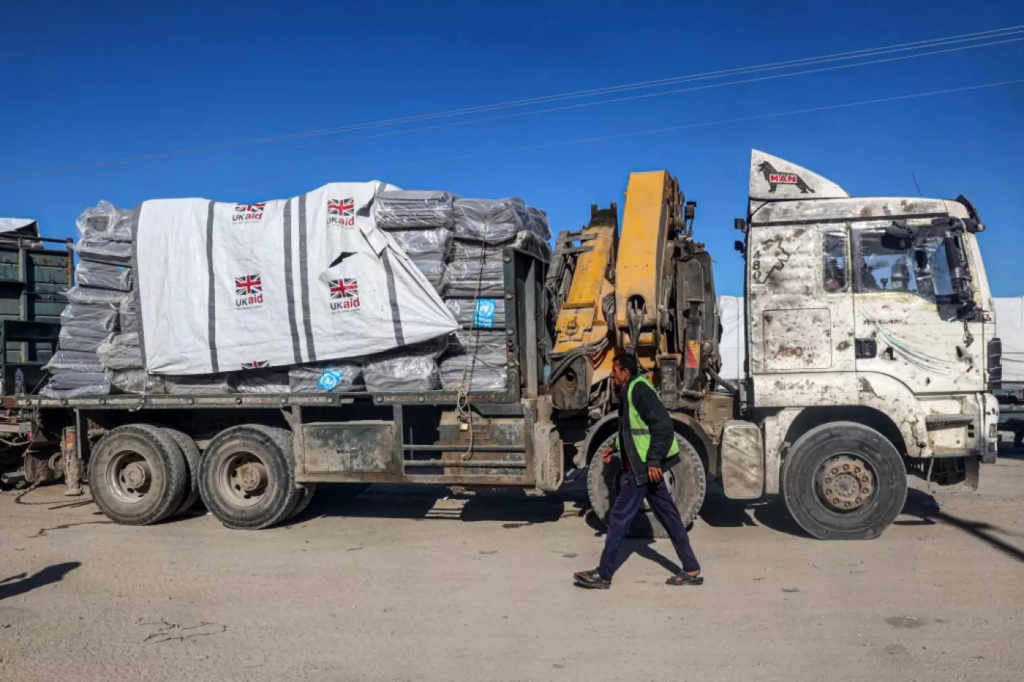
UK aid to Gaza has become a crucial lifeline amidst the ongoing humanitarian crisis plaguing the region. Following a frustrating year-long delay, over 1,100 tents sent by the UK government finally reached Gaza, marking a significant step towards alleviating the dire conditions faced by many residents. The Foreign Secretary has expressed urgency in facilitating more effective aid distribution, especially as the UN estimates that 1.5 million people urgently require shelter due to harsh winter weather. With the ceasefire between Hamas and Israel still in place, international aid delivery must be prioritized to ensure that vulnerable families are provided with necessary winter shelter in Gaza. This scenario underscores the importance of consistent support and action from the UK government to address the pressing needs of the Gazan population, as every moment counts in providing relief to those suffering in this crisis.
Assistance from the UK to the beleaguered region of Gaza is vital as the area grapples with an escalating humanitarian disaster. The transfer of much-needed resources, including temporary housing units, reflects the UK’s commitment to provide support amid the ongoing challenges shaped by years of conflict. Despite the recent ceasefire between major factions, the immediate concerns for displaced families continue to increase, particularly with winter approaching. Effective strategies for international aid coordination are essential for delivering supplies swiftly and securely, ensuring that those in need can access adequate shelter and support. The unfolding situation requires concerted efforts from global actors to foster humanitarian access and restore some sense of normalcy to the lives of countless individuals affected.
The Dire Humanitarian Crisis in Gaza
The humanitarian crisis in Gaza has reached alarming levels, particularly with the onset of winter. With approximately 1.5 million people in urgent need of shelter, many families are left to endure harsh conditions under the crumbling infrastructure that has been severely impacted by years of conflict. The situation is exacerbated by the recent heavy rains, leading to increased displacement and suffering as families try to protect their loved ones with inadequate resources.
As the UK government has pointed out, the delays in the delivery of aid have been catastrophic. The current ceasefire between Hamas and Israel has done little to alleviate the struggles faced by Gazans. Critically, the ongoing issues with aid access underscore the need for prompt and efficient humanitarian responses to save lives and provide relief for those worst affected by the ongoing crisis.
UK Government Aid and its Impact
The UK government has actively sought to address the dire conditions in Gaza through humanitarian aid. The recent shipment of over 1,100 tents is a testament to the UK’s commitment; however, the delays in delivering this essential lifeline highlight significant logistical challenges. These tents are crucial as they not only provide immediate shelter for displaced families but also serve as a beacon of hope amidst the chaos.
Despite the welcome arrival of these tents, UK aid efforts must be bolstered to meet the pressing needs of the population. As statistics reveal, nearly 90% of Gaza’s population has been displaced since the conflict escalated, indicating the scope of assistance required. The importance of the UK government’s support cannot be overstated, as further contributions could significantly ease the suffering faced by many families this winter.
Delivering Humanitarian Aid to Gaza: Challenges and Solutions
Delivering humanitarian aid to Gaza presents persistent challenges that must be addressed urgently. The UK government has criticized the delays in aid delivery, citing the need for aufficient access to the region. The logistics of distributing aid are complicated by the existing political situation and have resulted in many families waiting for much-needed assistance. The aid’s arrival must become more efficient to truly impact those in desperate need.
Moving forward, it is essential for international aid organisations to collaborate more closely with local agencies to navigate the complexities of aid distribution. Solutions may include ensuring all crossings into Gaza remain open and trained personnel are deployed to oversee the distribution of supplies. Creating synergies between generated aid and the ongoing reconstruction efforts will be vital in facilitating a successful delivery of humanitarian assistance.
Winter Shelter in Gaza: A Critical Need
With winter approaching, the necessity for effective shelter solutions in Gaza is critical. The recent delivery of tents from the UK is a small yet significant step toward meeting the urgent needs of a displaced population. Each tent can accommodate a family, enabling them to find refuge from the extreme cold and rain. As families previously lived under makeshift shelters or exposed to harsh weather, these tents are a vital intervention.
Nevertheless, while the immediate need for shelter is being addressed, long-term solutions must be pursued to improve the overall living conditions in Gaza. International aid must not only focus on temporary fixes but also incorporate plans for rehabilitation and recovery to ensure that displaced residents have access to sustainable housing and infrastructure as the reconstruction process progresses.
The Importance of a Ceasefire for Humanitarian Access
A durable ceasefire between Hamas and Israel is necessary for ensuring sustained humanitarian access to Gaza. While a ceasefire has been established, the delivery of aid remains hampered, indicating the fragile nature of peace in the region. The UK’s plea for open crossings highlights the urgent need to allow humanitarian agencies to provide much-needed services without restrictions.
Moreover, a stable ceasefire could create an environment that fosters collaboration between humanitarian organisations and local governments. This partnership is essential to facilitate the strategic delivery of aid and to develop frameworks that ensure the rights and needs of the Gazan population continue to be met in the aftermath of conflict.
International Aid Delivery Efforts in Gaza
The international community plays a pivotal role in addressing the ongoing humanitarian crises in Gaza through aid delivery efforts. Agencies such as UNICEF have actively participated in advocating for increased access to humanitarian support. The recent arrival of UK aid highlights the extensive work done by international organisations to help alleviate suffering in this war-torn region.
As various nations contribute aid, it is vital for cooperation and coordination among donors to maximise the impact of the assistance. Streamlining international aid delivery not only ensures that resources reach those in need but also enhances accountability among organizations involved, leading to better outcomes for the Gaza population amid this prolonged humanitarian crisis.
UK’s Role in Gaza’s Reconstruction Efforts
The UK has positioned itself as a key player in Gaza’s reconstruction efforts by providing financial and logistical support for humanitarian initiatives. With significant portions of infrastructure destroyed, UK aid is directed toward rebuilding not just shelters but also critical public services that have been obfuscated by the conflict. This comprehensive approach is necessary for facilitating long-term recovery in the region.
To complement the immediate need for shelter and supplies, rebuilding initiatives must include health facilities, educational institutions, and water infrastructure. This holistic development strategy is vital for ensuring that Gazans have the resources needed to recover from the devastating consequences of the ongoing conflict, thereby improving resilience against future crises.
Advocacy for Unhindered Humanitarian Access
Advocacy for unhindered humanitarian access remains a core focus for the UK government and various international bodies engaged in alleviating the suffering in Gaza. As outlined by Foreign Secretary Yvette Cooper, the insistence on opening all crossings into the region is paramount for ensuring that essential aid can flow freely to those who need it most. Continued advocacy efforts will play a crucial role in addressing the logistical challenges faced in the region.
Furthermore, raising awareness about the humanitarian situation in Gaza can galvanize support and encourage other nations to contribute towards aid initiatives. A collective global effort to provide humanitarian assistance will not only make a significant difference in alleviating human suffering but will also strengthen calls for lasting peace in the region.
Future Prospects for Gaza’s Stability
Looking ahead, the stability of Gaza depends on various interconnected elements, including a consistent helpline of humanitarian aid and a commitment to peace from both local and international stakeholders. The ceasefire between Hamas and Israel provides a framework for negotiations, but concrete actions must follow to build trust among the community and encourage sustainable development.
In fostering an ongoing dialogue and supporting reparative measures, the international community can work with local leaders to create a robust foundation for long-term stability. This multifaceted approach needs to involve humanitarian, political, and economic dimensions to address the deep-rooted issues contributing to the volatility in Gaza.
Frequently Asked Questions
What is the status of UK government aid to Gaza amidst the humanitarian crisis?
The UK government has been actively involved in providing aid to Gaza, particularly in response to the worsening humanitarian crisis. Despite the arrival of over 1,100 tents designed to provide winter shelter in Gaza for those affected by the conflict, delays in aid delivery have raised concerns. The Foreign Secretary has emphasized the need for unhindered humanitarian access to ensure that UK-funded aid reaches those in need.
How does the recent ceasefire between Hamas and Israel impact UK aid delivery to Gaza?
The recent Hamas-Israel ceasefire has created an opportunity for UK aid delivery to Gaza. However, significant delays have still been reported, with UK government aid struggling to reach the vulnerable populations even post-ceasefire. The Foreign Secretary has urged that all crossings into Gaza be opened to facilitate the efficient delivery of humanitarian aid.
How is UK aid helping families in need of winter shelter in Gaza?
UK aid is making a substantial impact by providing winter shelter in Gaza, with recent shipments of tents capable of housing families of five. These tents offer critical protection against harsh weather conditions, delivering respite to approximately 12,000 individuals as temperatures drop and rains worsen. This aid is a vital lifeline for those displaced by ongoing conflict.
What are the challenges faced in delivering international aid to Gaza?
One of the primary challenges in delivering international aid, including UK government aid to Gaza, is the ongoing conflict and bureaucratic delays at border crossings. Despite international efforts, previous shipments have faced significant setbacks before reaching affected areas, hindering timely humanitarian access and exacerbating the humanitarian crisis.
What can be expected from UK aid to Gaza in the coming months?
In the coming months, further UK aid initiatives are anticipated to address the entrenched humanitarian needs in Gaza, particularly as winter progresses. The UK government is advocating for open border crossings and more efficient delivery of aid to support reconstruction efforts needed to help the nearly 1.9 million displaced individuals in the region.
How does the United Nations view the situation regarding UK aid to Gaza?
The United Nations has expressed grave concerns over the humanitarian crisis in Gaza, highlighting the urgent need for aid, including UK contributions. With 1.5 million people in desperate need of winter shelter, UN officials stress the importance of ensuring that international aid delivery systems are in place to avert further humanitarian disasters.
Why is winter shelter in Gaza crucial during the ongoing humanitarian crisis?
Winter shelter in Gaza is crucial due to the extreme weather conditions and the dire living situations faced by displaced families. As infrastructure continues to be damaged from years of conflict, vulnerable populations need secure, warm places to protect against cold winds and heavy rains. UK aid, in the form of tents and other supplies, is essential in providing this necessary shelter during the winter months.
What role does UNICEF play in the delivery of UK aid to Gaza?
UNICEF plays a critical role in the delivery of UK aid to Gaza by coordinating efforts to ensure that humanitarian assistance reaches those in need, especially vulnerable children and families. The organization has noted the importance of the recent arrival of UK aid-supported tents, stressing that while this is a positive step, much more extensive assistance is necessary to address the ongoing challenges faced by children in the region.
| Key Points | Details |
|---|---|
| Criticism of Delays | The UK government criticized delays in aid shipments, specifically the arrival of 1,100 tents taking over a year. |
| Concerns Over Aid Access | Foreign Secretary Yvette Cooper highlighted that UK-funded aid has faced access issues despite a ceasefire. |
| Dire Situation | The UN warns 1.5 million people in Gaza need urgent shelter as winter approaches. |
| Impact of Tents | Tents can house families of five and provide shelter for around 12,000 people during winter. |
| Call for Action | Cooper urged for the opening of crossings to ensure unhindered humanitarian access. |
| Ongoing Need for Aid | While aid arrival is welcomed, Cooper emphasized the need for extensive reconstruction efforts. |
| Displaced Population | Approximately 1.9 million people in Gaza have been displaced since the recent conflict began. |
| Future Outlook | UNICEF indicates that more aid is essential despite the arrival of tents. |
Summary
UK aid to Gaza has become increasingly critical as humanitarian conditions deteriorate. With over 1.5 million individuals needing urgent shelter and significant delays in aid delivery, it is imperative for the UK government to push for immediate and unhindered access for aid supplies. The recent arrival of tents capable of housing thousands is a welcome step, yet much more support is needed to address the extensive humanitarian crisis as winter sets in. Continued advocacy for open crossings and increased international collaboration will be essential in ensuring the affected families receive the assistance they desperately need.