Listen to this article
The recent U.S. military action in Venezuela has sparked intense debate and controversy, igniting discussions about international law and the legitimacy of foreign intervention. Led by the Trump administration, this operation resulted in the capture of Venezuelan President Nicolás Maduro, a move that many experts argue could violate established norms of international relations. Prominent figures, such as Foreign Secretary Yvette Cooper and Senator Marco Rubio, have found themselves at the center of this discourse, grappling with the implications of such actions on global diplomacy. Critics in the UK Parliament, including several opposition leaders, have voiced their concerns about the legality of the U.S. maneuver, emphasizing the need for accountability under international law. As the situation unfolds, it raises critical questions about the balance of power and the responsibilities of nations in addressing perceived threats to democracy.
The escalating tensions surrounding the United States’ military operations in Venezuela have drawn significant attention to the broader implications of sovereign interventions. This contentious act, which has led to the arrest of the Venezuelan leader, challenges the principles of international governance and invites scrutiny regarding the ethical responsibilities of world powers. Influential political figures, including key diplomats and members of parliament, are now engaged in a pressing dialogue about the legality and moral justification of such actions, especially concerning the greater geopolitical landscape. As nations grapple with the aftermath and the potential ramifications for international cooperation, critical voices within the UK and elsewhere are calling for a comprehensive dialogue on the adherence to established international frameworks. Ultimately, the unfolding events not only spotlight the plight of Venezuelans under authoritarian rule but also the delicate dance between national interests and global legal structures.
U.S. Military Action in Venezuela: Legal Ramifications
The recent U.S. military action in Venezuela, resulting in the capture of President Nicolás Maduro, has sparked intense debates regarding its legality under international law. U.S. Foreign Secretary Yvette Cooper emphasized the need for adherence to international norms during her discussions with her American counterpart, Marco Rubio. This military intervention raises questions about the legitimacy of unilateral actions taken by a state without explicit approval from international bodies such as the United Nations. Critics argue that actions such as these could undermine the established international legal framework designed to maintain peace and order.
The Trump administration’s move can be viewed as a breach of international law, leading to significant backlash from various global leaders and political factions. With prominent figures like Yvette Cooper holding the U.S. accountable for its actions, the legitimacy of military interventions is being scrutinized. The conservative stance, as articulated by leaders like Kemi Badenoch, reflects a complex dilemma where they acknowledge the gravity of Maduro’s regime but also caution against setting a perilous precedent that could disrupt the rules-based international order.
Frequently Asked Questions
What are the implications of U.S. military action in Venezuela regarding international law?
The recent U.S. military action in Venezuela has raised significant questions about its legality under international law. Foreign Secretary Yvette Cooper emphasized in Parliament that compliance with international law is crucial and urged the U.S. to provide a legal justification for its actions. Critics argue that this military operation, which resulted in the capture of Nicolás Maduro, could set a dangerous precedent that might undermine existing international agreements.
How has the U.S. military action in Venezuela affected relations with the UK government?
The U.S. military action in Venezuela has created a rift between the U.S. and some allies, particularly the UK. Foreign Secretary Yvette Cooper reminded U.S. Secretary Marco Rubio of the need to adhere to international law while discussing the situation. The British government faces pressure from opposition parties to take a firmer stance against Trump’s actions, indicating potential diplomatic strains that may arise due to this military intervention.
What role did Yvette Cooper play in addressing U.S. military action in Venezuela?
Yvette Cooper, the UK Foreign Secretary, actively engaged with U.S. officials regarding the military action in Venezuela. She highlighted the importance of international law during her discussions with Marco Rubio and underscored the need for a legal framework supporting U.S. actions. Cooper also advocated for a peaceful and democratic transition in Venezuela, indicating the UK’s desire to influence a resolution aligned with the will of the Venezuelan people.
What are the criticisms surrounding Trump’s military intervention in Venezuela?
Critics, including various UK politicians, argue that Trump’s military intervention in Venezuela constitutes a breach of international law. They point out that while Maduro’s regime is problematic, such actions by the U.S. threaten to disrupt global political stability and could embolden authoritarian figures like Vladimir Putin. Labour MP Emily Thornberry has been vocal about the risks posed to the rules-based international order due to these unilateral military decisions.
How do international reactions reflect on the validity of U.S. military actions in Venezuela?
International reactions to U.S. military actions in Venezuela have been mixed, with significant scrutiny over its legitimacy. Many argue that these actions cannot circumvent international law and should instead respect the sovereignty of nations. The ongoing discussions within the UN Security Council and statements from various global leaders reflect concerns about the potential consequences of U.S. actions for global governance and international relations.
What message does the U.S. military action in Venezuela send to other countries?
The U.S. military action in Venezuela may send a concerning message to other nations, suggesting that unilateral military interventions could be acceptable under certain conditions. Critics warn that this precedent might encourage other countries, such as Russia, to disregard international law and engage in similar actions, potentially destabilizing regional and global politics.
What has been the response from the UK government regarding U.S. actions in Venezuela?
The UK government’s response to U.S. actions in Venezuela has been cautious, with Foreign Secretary Yvette Cooper emphasizing the importance of adhering to international law and seeking a peaceful resolution. However, Prime Minister Keir Starmer and other politicians have been criticized for their lack of a definitive stance against Trump’s military intervention, prompting calls for clearer condemnation of potential violations.
How does public opinion reflect on U.S. military action in Venezuela?
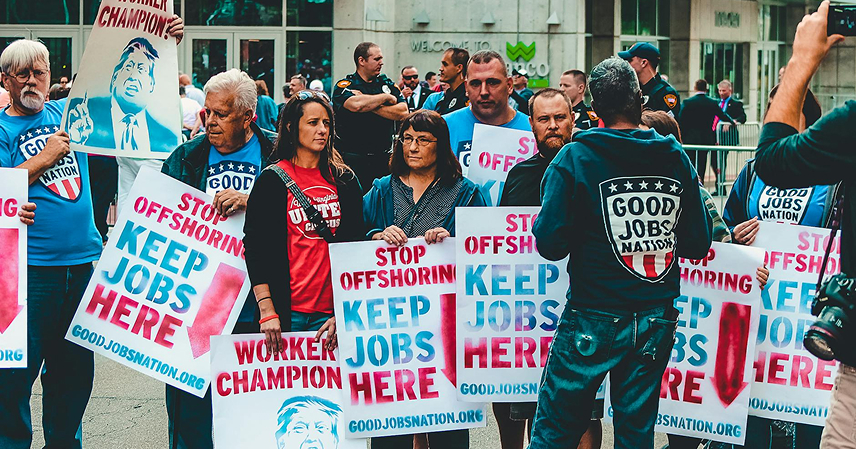
Public opinion on U.S. military action in Venezuela is polarized. Demonstrations against Maduro’s capture highlight significant opposition to U.S. intervention strategies, with critiques focusing on ethical and legal implications. Many view the action as an overreach that undermines Venezuela’s sovereignty and express concerns about the broader repercussions for international norms and security.
What potential effects could U.S. military action in Venezuela have on the geopolitical landscape?
The potential effects of U.S. military action in Venezuela on the geopolitical landscape could be profound. Security experts warn that such interventions may embolden authoritarian regimes worldwide and lead to escalated tensions among major powers. The operation could also impact U.S. relationships with allies who advocate for a more collaborative and diplomatic approach to resolving conflicts.
What are the arguments for and against U.S. military intervention in Venezuela?
Arguments for U.S. military intervention in Venezuela typically point to the need to address humanitarian crises and combat drug trafficking linked to Maduro’s regime. In contrast, arguments against it emphasize the violation of international law, potential destabilization of the region, and the understanding that such actions may set dangerous precedents in international relations.
| Key Point | Details |
|---|---|
| U.S. Military Action | U.S. President Donald Trump launched an operation resulting in the capture of President Nicolás Maduro, raising concerns about violations of international law. |
| UK Government Response | Foreign Secretary Yvette Cooper emphasized the need for the U.S. to operate within international law and advised collaboration for Venezuela’s democratic transition. |
| Political Reactions | Conservative leader Kemi Badenoch criticized the Prime Minister’s lack of clarity on the issue, while opposition parties urged stronger condemnation of U.S. actions. |
| Concerns Over Global Stability | Experts warned that U.S. military action could encourage other nations to ignore international agreements and destabilize global politics. |
| Criticism of Trump’s Justification | Critics argue that concerns about drug trafficking and terrorism do not justify breaches of international law, as highlighted by Liberal Democrat leader Ed Davey. |
Summary
U.S. military action in Venezuela has sparked significant international debate, especially regarding its legality and implications for global order. With President Trump’s operation resulting in Nicolás Maduro’s capture, criticism surrounding the violation of international laws has intensified. Political leaders in the UK, including Foreign Secretary Yvette Cooper, have called for adherence to international law while also emphasizing the need for a peaceful democratic transition in Venezuela. The situation continues to draw attention to the balance between national interests and global diplomatic frameworks.