Listen to this article
The TV licence fee increase has become a hot topic in the UK, with the government announcing it will rise by £5.50 to £180 starting April 1. This annual fee is essential for funding the vast array of BBC shows and services, and its cost will continue to align with inflation until 2027, following an agreement from 2022. Currently priced at £174.50, the fee saw a rise of £5 last year, with further increases projected for the future. Households also need to be aware of the financial implications associated with the licence fee for over-75s, as well as payment plans available to help manage the UK TV licence cost. Moreover, the black and white TV licence will also experience an increase, underscoring the broad impact of this rise on all viewers.
As discussions around the BBC funding continue, the rise in TV licence fees signifies a crucial juncture for public broadcasting in the UK. The increase not only reflects economic adjustments but also raises questions about the sustainability of the current funding model. Alternatives, such as introducing a subscription or advertising-based approach, could reshape how households engage with BBC content. The focus on affordability, especially for vulnerable groups, such as those eligible for free licences among the elderly, highlights the government’s commitment to fair broadcasting access. Consequently, the upcoming changes will significantly influence how citizens view the relevance and value of their licence fee payments.
Understanding the Upcoming TV Licence Fee Increase
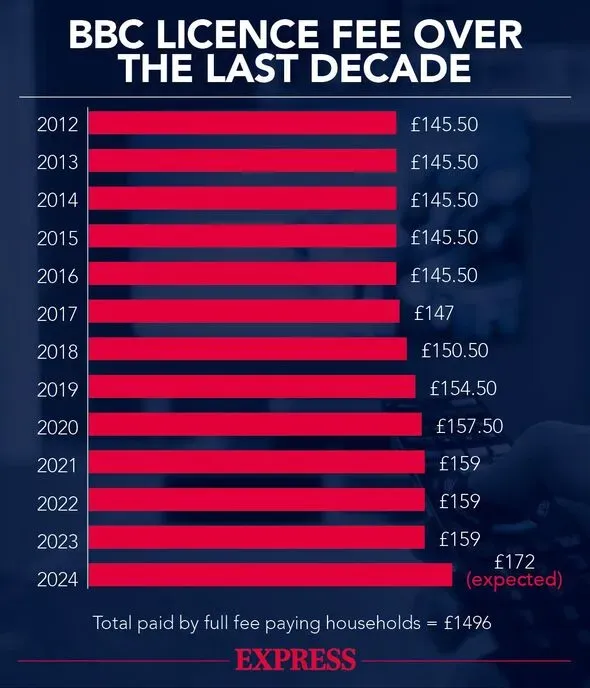
The UK government has recently announced a £5.50 increase to the TV licence fee, raising the total cost to £180 starting April 1. This increase is part of a strategy to adjust the fee annually according to inflation until 2027. With the previous year already seeing a £5 increase and a projected rise of £10.50 in 2024, it is evident that the costs of maintaining BBC services are rising. Households across the UK will need to prepare for this adjustment in their annual budgets as the licence fee becomes another factor in understanding overall living costs.
The rationale behind the fee hikes is tied to the BBC’s operational needs and its commitment to providing quality programming and services to the public. The government supports the licence fee model, highlighting its importance to fund an array of BBC offerings, from news to entertainment. However, with rising living costs, many individuals may wonder if the current licensing model is sustainable, particularly with increasing scrutiny and discussions around alternative funding options.
The Debate on the BBC Licence Fee Model
The discussion around the BBC licence fee is intensifying as the government looks into sustainable funding models. The intention to keep an open mind about potential changes signals that the current system may not be long-term viable. Among various proposals include potentially replacing the flat-rate licence fee with tiered payment plans based on the services utilized by viewers. This could mean that those who utilize iPlayer heavily might pay more than occasional users, bringing a more personalized approach to funding BBC services.
Moreover, there is growing dialogue regarding transitioning to an advertising or subscription-based model, similar to platforms like Netflix or Hulu. While this could alleviate the financial burden on households, it carries the risk of undermining the BBC’s public service ethos, which prioritizes access to all regardless of income. As consultations progress, the debate highlights the balance between sustainable funding and maintaining a universal, publicly accessible broadcasting platform.
Impact on the TV Licence Payment Plans
To ease the financial strain of the increased TV licence fee, the government has reiterated its commitment to facilitating manageable payment plans. By allowing households to spread their payments over the year, the aim is to reduce the immediate financial impact of the fee increase. This financial flexibility is particularly vital for those on fixed incomes or facing tighter budgets due to the increasing cost of living. The availability of simpler payment schemes could provide crucial support for many UK residents.
In addition to the standard payment options, there remain provisions for certain demographics, ensuring that those most affected by the cost increases can still access BBC content. For example, free licences continue for individuals over 75 who claim pension credit, along with discounts available for care home residents and the blind. These measures reflect the government’s commitment to making the licence fee fairer and more accessible for all UK households.
Considerations for the Licence Fee for Over-75s
The TV licence for individuals over 75 has been a significant topic of discussion amid the broader conversation about the BBC licence fee. While free licenses are currently available to those receiving pension credit, changes to eligibility criteria in the future could impact how this demographic accesses BBC services. The possibility of reevaluation makes it imperative for the government to ensure that any reforms do not disproportionately affect older viewers who rely on BBC programming as a primary source of information and entertainment.
Additionally, keeping the dialogue open regarding the future of the over-75s licence fee is crucial, especially considering the growing population of elderly individuals in the UK. As discussions continue, the emphasis on supporting elderly citizens reflects a commitment to inclusivity within the broadcasting landscape, ensuring that all demographics can continue to enjoy essential public services without unnecessary financial barriers.
Understanding the Black and White TV Licence Fee Increase
The annual fee for a black-and-white TV licence is set to rise to £60.50, increasing from £58.50. This fee is distinct from the standard colour TV licence and caters specifically to those who choose to watch BBC programming in black and white. While black-and-white televisions are becoming if not rare, there is still a niche audience that prefers this mode of viewing, and hence the fee remains relevant.
However, it’s worth noting that the increase in black and white TV licence fees is a reflection of the overall trend in the broadcasting sector where all forms of licensing are pegged to inflation. The quirky nature of black and white viewing also poses a unique question about how the BBC adapts to changes in audience behavior and licensing needs, especially as the preference for color broadcasts continues to dominate.
Future of the UK TV Licence Cost Structure
As the government actively explores the future of the UK TV licence cost structure, it becomes evident that change is on the horizon. The current approach that mandates a flat fee for all households regardless of their BBC usage patterns may soon be challenged. The opportunity to consider more nuanced payment models could pave the way for a fairer system that aligns better with individual viewing habits.
In conducting consultations around these potential changes, it’s essential for the government to engage with a diverse audience. Gathering public opinion on how they utilize BBC services will provide crucial insights that should inform any future licensing models. Balancing revenue needs with audience preferences will be key to sustaining both the BBC and public satisfaction.
The Importance of Reliable Funding For BBC Services
At the heart of the BBC’s operations is the importance of reliable funding, which the licence fee provides. This funding model supports diverse programming, comprehensive news coverage, and localized storytelling that unites audiences across the UK. As the BBC’s spokesperson highlighted, the licence fee underpins not only the BBC’s ability to operate but also supports the creative industries, which are vital for both cultural and economic vitality.
Nevertheless, the discussion surrounding funding reforms indicates that securing this financial stability into the future is paramount. As viewers’ expectations evolve, the BBC must adapt its services to meet changing demands while ensuring that it remains a publicly accountable organization. The ongoing dialogue about funding comes at a critical juncture in the BBC’s history, shaping how it will navigate future challenges and opportunities.
Household Responsibilities and the Licence Fee Regulations
All UK households are obligated to pay the TV licence fee if they watch or download BBC programming via iPlayer, whether on a television or any other device. The scope of this regulation includes viewing live broadcasts across multiple platforms, which extends to smartphones, tablets, and laptops. This comprehensive definition aims to cover the evolving landscape of media consumption, ensuring consistent funding for BBC services.
Given the increasing array of devices used for accessing BBC content, it is crucial for households to remain compliant with licence regulations to avoid penalties. With fee increases and ongoing discussions about the legitimacy of the licence fee, public understanding of these regulations becomes ever more critical. Staying informed on both rules and services provided under the licence can aid households in navigating these financial obligations effectively.
Exploring Sustainable Alternatives to the Licence Fee
As the UK government evaluates the current licence fee system, considerations for sustainable alternatives are gaining momentum. Options that range from varied pricing structures to an altogether different model involving subscriptions or advertising could reshape how BBC funding operates. These alternatives aim to create a more equitable system that could better reflect the changing media consumption habits among the UK population.
Transitioning to a new funding model carries inherent risks, particularly regarding the BBC’s mission to serve everyone without bias. However, pursuing reforms that enhance accountability and responsiveness to audience needs while generating revenue could establish a robust future for the BBC. The ongoing discussions about these potential shifts underline the importance of responsive public service broadcasting amid changing times.
Frequently Asked Questions
What is the new cost of the TV licence fee increase starting April 1, 2024?
The TV licence fee is set to increase by £5.50 to a total of £180 starting from April 1, 2024. This increase follows a government announcement and aligns with annual inflation adjustments.
How does the TV licence payment plan accommodate households facing financial difficulties?
To alleviate the pressure of the TV licence fee increase, the government is offering straightforward payment plans that allow households to pay their £180 TV licence in smaller, manageable installments.
What are the funding implications of the TV licence fee increase for the BBC?
The increase in the TV licence fee plays a crucial role in funding the BBC, allowing it to maintain the financial stability needed to deliver a wide array of services and high-quality content to UK audiences.
Are there any exemptions from the TV licence fee increase for over-75s?
Yes, free TV licences remain available for over-75s who receive pension credit, despite the recent TV licence fee increase. This measure aims to support the elderly during financial challenges.
What is the new cost for a black-and-white TV licence following the increase?
With the TV licence fee increase, the cost of a black-and-white TV licence will also rise by £2, bringing the new total to £60.50 for the upcoming financial year.
How often will the TV licence fee increase in the future?
The TV licence fee will continue to rise annually in alignment with inflation until 2027, as per the government’s established agreement.
Is there a possibility of changing the current BBC licence fee model?
Yes, the government has indicated that it is exploring alternatives to the current BBC licence fee model, including potential advertising or subscription-based systems.
What does the increase in the UK TV licence cost mean for public service broadcasting?
The increase in the UK TV licence cost is critical for sustaining public service broadcasting, ensuring that the BBC can continue to provide reliable news and quality content while supporting the creative industries in the UK.
What regulations apply for needing a TV licence in the UK?
A TV licence is required for all UK households that watch or stream BBC programming via iPlayer, any live TV service, or record shows as they air, on any device including TVs, laptops, and smartphones.
How has the government responded to concerns about the TV licence fee increase?
The government has acknowledged financial concerns among households and is committed to ensuring the TV licence funding model remains fair and affordable while supporting public service broadcasting.
| Key Point | Details |
|---|---|
| TV Licence Fee Increase | The fee will increase by £5.50 to £180 starting from April 1. |
| Annual Price Changes | The licence fee will rise annually in line with inflation until 2027. |
| Previous Increases | TV licence fees increased by £5 last year and are projected to rise by £10.50 in 2024. |
| BBC Funding | The licence fee funds BBC services and supports the creative industries in the UK. |
| Future Funding Models | The government is considering various funding models, including advertising or subscription options. |
| Supporting Measures | The government is committed to maintaining the fee structure and ensuring affordability for the public. |
| Exemptions | Free licences are available for over-75s on pension credit and reduced fees exist for care home residents and blind individuals. |
| Definition of Licence Fee Requirement | The fee applies to households watching BBC content live or via iPlayer or other online platforms. |
| Black-and-White TV Licence Increase | The cost of a black-and-white TV licence will increase from £58.50 to £60.50. |
Summary
The TV licence fee increase is set to take effect with a £5.50 hike to £180 starting April 1. This adjustment has significant implications for funding the BBC, ensuring it can continue providing a range of services while also facing discussions around its future financial models. With planned increases tied to inflation until 2027 and government considerations for alternative funding strategies, the landscape of TV licensing in the UK is poised for change. As the government reviews these arrangements, it emphasizes affordability and fairness in the funding system, particularly for vulnerable populations. Ultimately, the need for a sustainable funding model for the BBC remains vital to preserve public service broadcasting.