Listen to this article
The tragic Tumbler Ridge shooting has sent shockwaves through British Columbia, marking one of the darkest days in the region’s history. On a seemingly ordinary Tuesday, Jesse Van Rootselaar, an 18-year-old, unleashed a wave of violence at Tumbler Ridge Secondary School, resulting in the devastating loss of eight lives, including beloved educators and young students. Reports of the active shooter in Tumbler Ridge revealed that authorities responded swiftly, yet the aftermath left a tight-knit community grappling with grief and disbelief. Known details about the suspect, who identified as a woman and had previously faced mental health challenges, have fueled discussions about the alarming intersection of mental health and gun violence in society. As news of the incident spreads, many are left reflecting on the implications of such shocking tragedies and the pressing need for comprehensive approaches to address gun violence and its root causes.
The recent shooting incident in Tumbler Ridge, a small community in British Columbia, has raised numerous concerns regarding safety in educational institutions. The act of violence, which has been characterized as an active shooter event, unfortunately mirrors a larger pattern of tragic school shootings that have occurred globally in 2023. As the community mourns, many questions arise surrounding the mental health of individuals who commit such heinous acts, shedding light on broader issues related to gun control and societal wellbeing. The tragic events surrounding this shooting not only affect the victims and their families but also the entire community, which is striving to comprehend the reasons behind such violence. This situation highlights a significant need for dialogue and action regarding mental health support and preventive measures against potential tragedies.
Overview of the Tumbler Ridge Shooting Incident
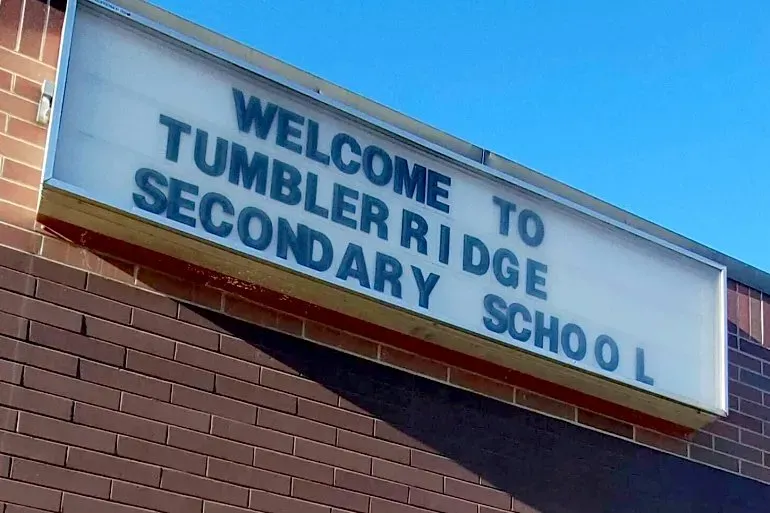
The tragic shooting incident at Tumbler Ridge Secondary School marked one of the deadliest days in British Columbia, claiming the lives of eight individuals, including students and educators. Jesse Van Rootselaar, identified as the shooter, was only 18 years old and had a complicated background. The authorities confirmed that he took his own life shortly after the attacks, leaving the community stunned and grieving. As the investigation unfolds, various aspects of the shooting are being scrutinized, including the mental health issues that were reportedly prevalent in Van Rootselaar’s past.
Witnesses reported the chaos that ensued when news of an active shooter reached the police at approximately 13:30 local time. Officers rushed to the scene within two minutes, but the urgency was met with a grim reality as they encountered gunfire and discovered the mortality of the situation. The school, which typically serves a small population of students, became the center of tragedy and trauma for the close-knit community of Tumbler Ridge.
Understanding the Psychology Behind Gun Violence
The tragedy in Tumbler Ridge sheds light on a pressing issue within society — the link between mental health and gun violence. According to reports, Jesse Van Rootselaar had a history of mental health-related interventions by local authorities, suggesting that better access to mental health care may have been pivotal in preventing this tragedy. With rising concerns about school shootings across North America, understanding the psychological roots of such violent behavior is crucial. The tragedy illustrates not just a failure of prevention but also the ongoing societal stigma surrounding mental health, which continues to impede progress in addressing these critical concerns.
Research shows that individuals with mental disorders do not inherently equate to violent behavior; in fact, they are often more likely to be victims rather than perpetrators in violent incidents. Nonetheless, the focus shifts towards implementing supportive mechanisms that can assist individuals in crisis, helping them lead healthier lives, and steering them away from potential paths of violence. Community resources and education are necessary tools that can create pathways for understanding and aid when it comes to addressing troubling behaviors before they escalate.
The Impact of Gun Legislation on School Safety
The active shooter incident at Tumbler Ridge raises pressing questions regarding gun legislation and its implications for school safety. Following the shooting, authorities highlighted that Jesse Van Rootselaar had previously held a valid firearms license that had since expired. This situation calls into question the adequacy of current laws governing firearm ownership and the mechanisms in place to monitor individuals with potential mental health issues. There is a pressing need to revisit gun control legislation, advocating for stricter guidelines that ensure firearms do not fall into the hands of individuals who may pose a risk to themselves or others.
Moreover, the need for comprehensive background checks and mandatory mental health evaluations could prove vital in preventing future tragedies. As discussions surrounding gun control intensify, the impact of legislation on preventing school shootings like this one cannot be understated. Communities across Canada are now more than ever calling for advocacy and change to ensure environments for students are secure, allowing learning to flourish without fear. Legislative actions must be seen as part of a broader strategy that includes advocacy for mental health resources and education.
Community Response and Healing Post-Shooting
In the aftermath of the Tumbler Ridge shooting, the sense of loss has reverberated throughout the small community and beyond. Mayor Darryl Krakowka of Tumbler Ridge has expressed the pain it’s caused, as nearly every resident has a personal connection to the victims, reiterating the importance of community ties in healing. Trauma recovery efforts need to be a priority for this community which now faces the sobering reality of navigating grief and loss. Public vigils and memorials are being organized to honor the lives that were taken, offering a space for collective mourning and support.
Mental health services will be crucial in helping the community begin to heal after this devastating incident. Programs providing trauma therapy and counseling can make a critical difference, enabling residents to process their grief and shock in a safe environment. Schools and community centers could potentially serve as hubs for support, providing safe spaces for discussion and healing. Throughout this healing journey, the importance of collective resilience and support will be vital in overcoming the pain and working towards a future where such violence is unimaginable.
Victims and Their Stories
As the community of Tumbler Ridge grieves the loss of its residents, the stories of the victims — particularly students and educators who lost their lives in this tragedy — are becoming central to the narrative of this dark day. Among those killed were promising young students, educators who dedicated their lives to teaching, and family members who were loved dearly by their community. Each life represents a unique story, a bright future extinguished too soon. It is essential to remember these individuals not just for the tragedy they were involved in but for the joy and contributions they brought to their families and friends.
This tragic event serves as a heartbreaking reminder of the casualties of gun violence and the lasting impact it has on families and communities. The families of victims are now faced with unimaginable grief; their stories and enduring legacies need to be acknowledged. Communities rallying around the victims’ families can provide essential emotional and practical support as they navigate their loss. As the healing process begins, remembering the victims and honoring their lives through memorials and community initiatives can help maintain their memory alive.
Possible Motives Behind the Tumbler Ridge Shooting
As investigators delve deeper into the shooting incident involving Jesse Van Rootselaar, a comprehensive examination of possible motives is unfolding. The complexities of mental health and individual circumstances leading up to the event might offer crucial insights. While the immediate motive remains elusive, understanding the broader picture of gun violence and its correlation with mental health issues can be informative in understanding why such an event might occur. Psychological evaluations and background checks that might reveal underlying issues can also serve as a preventive measure in the future.
In cases like the Tumbler Ridge shooting, comprehensive analyses are necessary to assess behavioral patterns leading to such violence. Many cases of school shootings are often linked to a culminative history of social isolation, bullying, or personal crises. Identifying early warning signs and offering timely intervention can play a pivotal role in preventing such tragedies. Authorities and mental health professionals must collaborate to develop protocols in schools and communities designed to recognize and assist at-risk individuals before they spiral into violence.
Lessons and Prevention Strategies from the Tumbler Ridge Incident
Reflecting on the Tumbler Ridge shooting can yield essential lessons for communities regarding prevention strategies against gun violence. Building early warning signs into school environments, coupled with secure communication channels for students to report concerning behaviors, can avert future tragedies. Enhanced training of school staff on recognizing signs of distress and implementing intervention protocols can create a culture of safety within educational settings. Raising awareness about the importance of connecting students with mental health resources is key in fostering healthier environments.
Furthermore, engaging families in open discussions about mental health can dismantle stigmas attached to seeking help. This openness can empower those in need of support to reach out before reaching critical breaking points. Communities must engage in dialogues about mental health and gun violence while advocating for legislative changes that can strengthen the safety nets around youth. A collaborative approach involving educators, mental health advocates, and law enforcement can be effective in creating a proactive stance against gun violence.
The Role of Media in Reporting on Gun Violence
Media portrayal of incidents like the Tumbler Ridge shooting plays a significant role in shaping public perception and discourse around gun violence. Ethical reporting and responsible media practices are vital in preventing sensationalism and minimizing the promotion of copycat violence. In the wake of such tragedies, it’s crucial for journalists to focus on the human stories behind the events while considering how coverage can impact the community’s healing process. Highlighting the challenges faced by victims’ families and the resilience of the community can foster dialogue that promotes healing.
Moreover, media can serve as a catalyst for change by shedding light on the systemic issues surrounding mental health and gun violence. Engaging the community in conversations through thought-provoking articles and programs can pave the way for advocacy and action toward gun reform and enhancing mental health resources. Sensitively addressing these topics with compassion and accuracy can also help dismantle the stigma surrounding mental health, encouraging more individuals to seek help without fear of judgment.
Future Implications for Gun Control Policies
The aftermath of the Tumbler Ridge shooting brings forth critical discussions about the future of gun control policies within British Columbia and across Canada. Considering that Jesse Van Rootselaar previously held a firearms license, law enforcement and policymakers need to reevaluate how licenses are issued and maintained. Stricter regulations on firearm ownership, particularly for individuals with known mental health issues, must be discussed at legislative levels to enhance the safety of communities. Reviews of current gun laws require robust dialogue among stakeholders, including mental health professionals and lawmakers.
As communities strive to prevent such incidents from reoccurring, advocacy for proactive measures such as better monitoring systems and improved mental health services will be indispensable. By focusing not only on gun ownership but also on the underlying factors contributing to violence, policymakers can create more comprehensive strategies aimed at reducing gun violence in schools and communities. A commitment to changing legislation, along with a dedication to improving mental health access, can work hand-in-hand to foster safer environments for all.
Frequently Asked Questions
What happened during the Tumbler Ridge shooting in British Columbia?
The Tumbler Ridge shooting involved an 18-year-old suspect, Jesse Van Rootselaar, who opened fire at Tumbler Ridge Secondary School, resulting in the deaths of eight people and injuring at least 25 others. The incident took place on a Tuesday afternoon, and Van Rootselaar was later found dead from a self-inflicted gunshot wound.
Who was Jesse Van Rootselaar and what is known about the Tumbler Ridge shooting suspect?
Jesse Van Rootselaar, identified as the shooter in the Tumbler Ridge incident, was transitioning from male to female and had a history of mental health issues. Authorities confirmed that he previously held a valid firearms license, which had expired, and he had dropped out of Tumbler Ridge Secondary School four years prior to the shooting.
What motives have been suggested for the Tumbler Ridge shooting?
The motive behind the Tumbler Ridge shooting remains unclear as authorities continue their investigation. The police noted that they had previously responded to mental health calls at the suspect’s home, but no definitive motive has been established for the tragic events.
What were the consequences of the Tumbler Ridge active shooter incident?
The Tumbler Ridge active shooter incident led to the deaths of six individuals at the school, including a teacher and students, along with two additional fatalities at a nearby home. At least 25 others were injured, and some remain hospitalized.
How has the Tumbler Ridge community responded to the shooting tragedy?
The community of Tumbler Ridge, with a close-knit population of about 2,400 residents, has been deeply affected by the shooting. Mayor Darryl Krakowka expressed that he personally knew many victims, highlighting the community’s tight bonds and collective grief over the loss.
What firearms were used in the Tumbler Ridge shooting?
During the Tumbler Ridge shooting, authorities discovered two firearms at the scene: a long gun and a modified handgun. The specific roles each firearm played in the incident are still under investigation.
How does the Tumbler Ridge shooting relate to mental health and gun violence?
The Tumbler Ridge shooting highlights the ongoing discussions surrounding mental health and gun violence, as police reported previous interactions with the suspect’s family that related to mental health issues. This tragedy underscores the need for comprehensive approaches to address mental health concerns in relation to gun ownership.
What has been the official response to the Tumbler Ridge shooting?
Officials, including Canadian Prime Minister Mark Carney, have condemned the Tumbler Ridge shooting as an act of unheard cruelty. The response has included condolences for the victims’ families and a commitment to investigating the circumstances surrounding the shooting to prevent future tragedies.
| Key Points |
|---|
| An 18-year-old suspect identified as Jesse Van Rootselaar involved in a shooting in Tumbler Ridge, BC. |
| Shooting resulted in the deaths of eight individuals and injuries to over 25 others. |
| Suspect was found dead at the scene from a self-inflicted gunshot wound. |
| Motive for the shooting remains unclear; investigation ongoing. |
| Six victims were students at Tumbler Ridge Secondary School, along with a teacher. |
| Authorities do not suspect involvement of any other individuals in the shootings. |
| Suspect previously held a valid firearms license that has expired. |
| Canadian Prime Minister Mark Carney and Tumbler Ridge Mayor expressed grief and concern for the community. |
Summary
The Tumbler Ridge shooting marks a tragic event in British Columbia, where the devastating actions of a single individual led to the loss of multiple lives and significant injuries to many others. The shooting has impacted not just the victims but also the small close-knit community, showcasing the deep scars such violence can leave on a town. With a continued investigation into the suspect’s motives and the true implications of this attack, the Tumbler Ridge shooting serves as a stark reminder of the importance of addressing mental health issues and ensuring the safety of communities.