Listen to this article
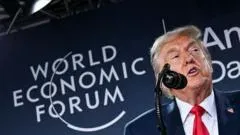
Trump’s jabs have become a sensitive topic among Europe’s leaders, particularly following his recent speech at the Davos summit. During this highly publicized address, he made bold claims asserting that without U.S. intervention, Europe would be speaking German, a remark that many found both offensive and misguided. European leaders responded with a mix of indignation and incredulity, as Trump’s comments about acquiring Greenland added fuel to an already tense situation. As transatlantic relations continue to fray, his remarks about military support and European defense capabilities are fueling critical discussions at the EU summit scheduled for February 2023. With ongoing tensions and these provocative statements, it’s clear Trump’s impact on European politics is significant and far-reaching.
In recent discussions surrounding transatlantic dynamics, Trump’s provocative statements have elicited notable responses from European officials. His recent speeches, including at the World Economic Forum, reflect a challenging relationship characterized by jabs and confrontational rhetoric. Many European leaders are striving to navigate their interactions diplomatically while also addressing issues like trade tensions and military support. With the EU summit approaching, the discourse surrounding Trump’s comments on Greenland and NATO obligations have put European leaders in a precarious position. As they prepare for upcoming negotiations, understanding these dynamics is crucial to reinforcing a unified and effective response to Trump’s agenda.
Trump’s Jabs and Their Impact on European Diplomacy
Donald Trump’s jabs during his recent speech at the Davos summit have stirred significant concern among European leaders. His remarks, seen as patronizing and inaccurate, may only serve to alienate allies who have historically collaborated with the U.S. on various fronts, from economic policies to defense strategies. By suggesting that Europe has lost its way without acknowledging the complex web of transatlantic relations, Trump risks further straining diplomatic ties. As European leaders prepare to respond to his statements, there may be a pivotal shift in the dynamics of cooperation between the U.S. and the EU.
Furthermore, Trump’s tendency to belittle key European figures, such as French President Emmanuel Macron, does not bode well for future negotiations. His mocking comments serve as a reminder that while he attempts to strengthen bilateral ties, he simultaneously undermines the very leaders he needs as allies. This pattern of behavior is becoming tiresome for many, as they respond with a mix of annoyance and resignation. The European Union’s upcoming emergency summit reflects this frustration, marking a critical point in their response to Trump’s unyielding approach.
The European Leaders’ Response to Trump’s Greenland Remarks
In light of Trump’s controversial comments regarding Greenland, European leaders have expressed a mix of relief and disbelief. Danish officials, while relieved that military force was ruled out, continue to grapple with the implications of Trump’s desire for the territory. His assertion that Greenland should be acquired due to its geopolitical importance raises eyebrows, as many EU members firmly believe in the sovereignty of the region. This disconnect highlights the increasing divergence in transatlantic relations, where Trump’s agenda does not align with European perspectives on negotiation and respect for international boundaries.
As European leaders navigate this contentious topic, the tone taken during discussions may significantly influence the future of U.S.-EU relations. They are now faced with the challenge of countering Trump’s narrative while maintaining diplomatic decorum. The urgency of the situation was underscored by the emergency EU summit in Brussels, where leaders are expected to formulate a cohesive response. Whether they choose to adopt a more aggressive stance or wait out Trump’s threats remains to be seen, but the underlying tension indicates a pivotal moment for transatlantic diplomacy.
Assessing the Broader Implications of Trump’s Davos Address
Trump’s address at the Davos summit raises questions about the future trajectory of U.S.-European relations, especially in the face of ongoing trade disputes. His assertion that Europe is not contributing adequately to NATO military efforts reflects a broader sentiment that could culminate in heightened economic tensions. The proposed tariffs on European goods signal a willingness to confront these issues aggressively, which may provoke a similar response from European leaders, further complicating transatlantic relations. As both sides navigate these waters, the stakes continue to rise, with implications for global economic stability.
Moreover, the lack of clarity on tariff proposals and Trump’s willingness to provoke European allies could have lasting effects on global markets. As Trump’s administration reiterates demands for increased European defense spending, the European Union must balance the demands of its member states with the potential backlash from the U.S. Failure to address these growing tensions could lead to a trade war that would not only affect European economies but also reshape the landscape of international relations in an increasingly multipolar world.
Examining the EU’s Strategies in Response to U.S. Aggression
The European Union’s response strategies to Trump’s aggressive policies are critical as they strive to maintain unity among member states. As tensions escalate, the EU must balance the desire for multilateral diplomacy with the need for collective action. The impending EU summit represents a strategic crossroads where leaders will need to decide whether to escalate their rhetoric or pursue a more cautious approach. This decision will significantly affect the EU’s ability to respond effectively to U.S. challenges and preserve its own economic interests.
In building a cohesive response, European leaders must prioritize collaboration and convey a unified front against unilateral actions from the U.S. This includes potential counter-tariffs, which could serve as a means to deter further unilateral policies. By fostering solidarity among EU member states and presenting a strong, collective response, the EU can assert its commitment to transatlantic relations while safeguarding its interests in the face of unpredictable U.S. diplomacy.
The Future of Transatlantic Relations Amid Trump’s Challenges
As we look to the future of transatlantic relations, the enduring impact of Trump’s tone and policy decisions looms large. His speeches at international forums, such as Davos, have often emphasized transactional relationships over traditional alliances, fundamentally reshaping the way European leaders perceive the U.S. This shift could lead to a reevaluation of Europe’s reliance on American leadership, pushing them to seek more autonomy in international affairs as they grapple with Trump’s unpredictable rhetoric.
Moreover, the long-term consequences of Trump’s approach may extend beyond immediate policy disputes. Should European leaders choose to pivot away from the U.S. in favor of fostering stronger regional or global partnerships, the dynamics of power could shift significantly in the coming years. This potential rebalance suggests a need for both U.S. and European leaders to re-engage on core issues, ensuring that mutual interests are at the forefront of future negotiations and paving the way for a more cooperative global landscape.
Tariffs and Economic Tensions: A Closer Look
The upcoming tariffs proposed by Trump highlight a critical aspect of U.S.-EU relations as the two blocs continue to experience economic tensions. The threat of imposing tariffs on European goods has the potential to disrupt trade, exacerbate economic challenges, and raise prices for consumers. As European leaders consider their options in response, they must navigate the fine line between retaliation and diplomacy to avoid escalating the situation further.
These economic strategies reflect broader geopolitical interests, where trade becomes not only a matter of financial exchange but also a point of leverage in international relations. The discussions at the EU summit will likely center around how to counteract the potential negative impacts of Trump’s tariffs while maintaining economic stability within Europe. The importance of presenting a united front cannot be overstated, as a fragmented response could further embolden U.S. policies that threaten the economic interests of the EU.
Crisis Management in Greenland: A European Perspective
Greenland’s situation has become a focal point in discussions about geopolitical strategy and crisis management, particularly in light of Trump’s comments. The Danish Foreign Minister’s remarks suggest that despite the perceived relief of military threats being downplayed, the reality of safeguarding Greenland’s interests remains paramount for Europe. This crisis not only underscores the importance of sovereignty but also highlights the complexities of global politics where territories like Greenland become pawns in larger strategic games.
From a European perspective, managing this crisis requires a nuanced approach that balances diplomacy and security. The response from Greenland’s government in preparing residents for potential threats speaks volumes about their commitment to independence and self-determination. As tensions mount over Trump’s ambitions, European leaders must reinforce the sovereignty of Greenland, ensuring that any discussions surrounding its future occur in partnership with its own residents rather than as a unilateral decision imposed by outside powers.
Mockery and Diplomacy: The European Reaction
Trump’s mocking tone towards European leaders, particularly during his speech at Davos, poses a serious challenge to diplomatic relations. While humor can sometimes lighten discussions, the repeated jabs have created an atmosphere of tension that European leaders are finding increasingly difficult to navigate. The irony of a U.S. president belittling allies while espousing American exceptionalism indicates a disconnect that threatens to erode the pillars of diplomacy built over decades.
The European response must strive to rise above the mockery, focusing instead on substantive dialogue that addresses core issues. Leaders like Macron, who have faced Trump’s jabs directly, must balance their reactions to maintain respect while asserting European dignity. By emphasizing collaboration over confrontation, they can steer discussions towards more productive outcomes that serve the interests of both sides, reinforcing the need for respectful communication in transatlantic relations.
Preparing for EU’s Emergency Summit: A Pivotal Moment
The imminent EU summit in Brussels marks a defining moment for European leaders as they grapple with the ramifications of Trump’s recent comments and policies. This emergency meeting provides an opportunity for EU states to come together and collectively address the challenges posed by U.S. tariffs and the ongoing diplomatic tension. As leaders convene, the focus will be on crafting a united response that not only counters Trump’s threats but also reaffirms the importance of transatlantic cooperation.
In preparation for this summit, European leaders are tasked with aligning their strategies to ensure an effective and cohesive message. The discussions will likely revolve around countermeasures to Trump’s proposed tariffs, with many leaders advocating for a robust yet measured approach. This pivotal moment could redefine how Europe’s relationship with the U.S. evolves, setting the stage for negotiations that address both economic concerns and broader geopolitical tensions in a rapidly changing international landscape.
Frequently Asked Questions
What were the key takeaways from Trump’s speech at the Davos 2023 summit regarding European leaders’ responses?
President Trump’s speech at the Davos 2023 summit included jabs directed at European leaders, leading to various reactions from them. Many found his comments insulting and overbearing, particularly his assertion that Europe is heading in the wrong direction. The European response to Trump’s remarks underscored their frustration over his attitude, especially when addressing transatlantic relations.
How did European leaders react to Trump’s jabs about Greenland during his Davos 2023 speech?
During his Davos 2023 speech, Trump’s jabs about Greenland were met with relief from some European leaders who appreciated his ruling out military force but concerned by his ongoing ambition to acquire the territory. Danish officials highlighted the absurdity of his remarks, emphasizing that Greenland is not for sale and that Trump’s perspective ignores its sovereignty.
What implications do Trump’s jabs have for transatlantic relations following his remarks at the EU summit in February 2023?
Trump’s jabs during his speeches, particularly at the EU summit in February 2023, have intensified concerns over transatlantic relations. European leaders, feeling disrespected by his comments, face a dilemma on whether to escalate countermeasures against U.S. policies, especially regarding tariffs that Trump threatened on eight countries.
Did Trump’s comments about NATO and European military capabilities during his Davos speech resonate with European officials?
Trump’s comments at Davos regarding NATO and his jabs about European military capabilities received a mixed response. His historical references to Denmark’s quick surrender in WWII were deemed offensive, overlooking Denmark’s contributions to NATO missions. These remarks highlight ongoing tensions in U.S.-EU discussions about security and military spending.
What was the overall tone of Trump’s jabs directed at French President Macron during the Davos summit?
Trump’s jabs directed at French President Macron during the Davos summit were mocking in tone, particularly targeting his use of sunglasses and commenting on his seriousness. This approach reflects Trump’s pattern of personal attacks on European leaders, which may be wearing thin and affecting diplomatic relations.
| Key Points | Details |
|---|---|
| Trump’s Jabs at European Leaders | Trump’s speech included jabs that many European leaders found tiresome, complicating US-Europe relations. |
| Misrepresentation of History | Trump’s comments suggested Europe owes its safety to the US, neglecting historical complexities and partnerships. |
| Acquisition of Greenland | Trump’s insistence on acquiring Greenland drew ire from Europe, especially given Denmark’s stance on its sovereignty. |
| Military Critique | He criticized Denmark’s military history while ignoring Denmark’s contributions to NATO and US-led missions. |
| France and Macron’s Response | Trump mocked French President Macron, signaling rising tensions as these jabs seem trivial to European leaders. |
| Impending Tariffs | Trump threatened new tariffs against particular European nations, escalating trade tensions. |
Summary
Trump’s jabs during his speech at the Davos summit are sparking frustration among European leaders who view his remarks as both insulting and unnecessary. His confrontational attitude and historical misrepresentation concerning Europe are damaging transatlantic relations. As European leaders prepare to respond to Trump’s policies, particularly regarding the acquisition of Greenland and potential tariffs, it remains to be seen how these tensions will unfold on the global stage.