Listen to this article
In a significant diplomatic move, the UK has opted not to join Trump’s Board of Peace, primarily due to concerns surrounding Russian President Vladimir Putin’s involvement. Foreign Secretary Yvette Cooper made this announcement during her appearance on BBC Breakfast, where she expressed that the UK would not be among the signatories of a board that aims to tackle international conflicts, particularly the ongoing Gaza conflict. This board, touted by Trump as a vehicle for Middle East peace, has raised red flags regarding its legitimacy, especially due to the absence of commitments from other major UN Security Council members. As discussions continue, the focus remains on how Trump’s proposed framework will handle vital issues related to the Gaza conflict while addressing international conflict resolution. With Putin’s concerns looming large, the situation presents a complex landscape for diplomacy and peacemaking on a global scale.
The initiative dubbed Trump’s Board of Peace has stirred controversy and debate on the world stage, as key figures like UK Foreign Secretary Yvette Cooper publicly weigh in on the challenges it faces. This new peace framework, which ambitiously aims to resolve longstanding disputes such as the Gaza conflict and bolster stability across the globe, has been met with hesitation from multiple governments. With concerns about Russia’s potential role and the board’s implications for international governance, the dialogue surrounding this initiative highlights broader issues of global peace efforts. The intricate relationships between nations like the UK, the US, and Russia underscore the complexities in pursuing effective international conflict resolution strategies. As the geopolitical landscape shifts, the reactions to Trump’s Board of Peace will undoubtedly influence future diplomatic missions aimed at achieving lasting peace in regions like the Middle East.
UK Foreign Secretary Yvette Cooper’s Stance on Trump’s Board of Peace
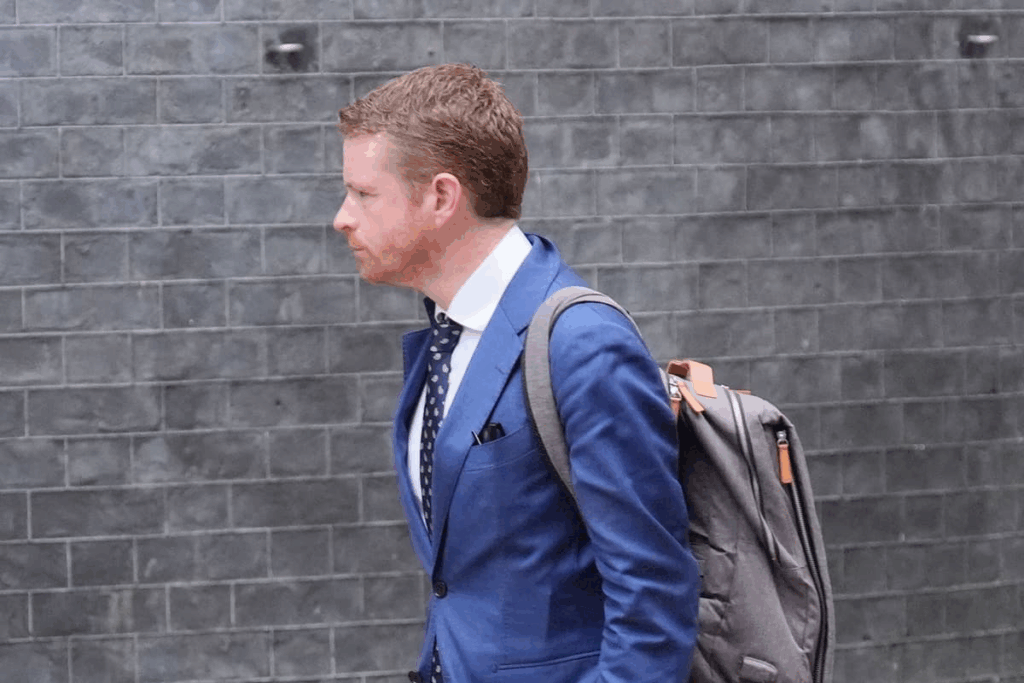
UK Foreign Secretary Yvette Cooper’s decision to not join Trump’s Board of Peace underscores the intricate relationship between international diplomacy and national interests. At the World Economic Forum in Davos, Cooper clearly articulated that the UK’s hesitance stems from serious concerns about Vladimir Putin’s possible involvement. This move reflects the broader apprehension in Western nations regarding engaging with Russia in peace initiatives while substantial conflicts persist, particularly in Ukraine.
Cooper’s statement highlights not only the UK’s strategic considerations but also the complexities that arise when peace discussions involve contentious figures like Putin. The potential for Putin’s participation raises eyebrows, particularly when the international community is wary of his track record on conflict resolution. The UK’s refusal also emphasizes its commitment to uphold a legal framework in international treaties, indicating a preference for collaborative and transparent diplomatic engagement over unilateral moves.
Concerns Over Putin’s Involvement in Global Peace Initiatives
The potential inclusion of Vladimir Putin in discussions surrounding Trump’s Board of Peace raises critical questions about the efficacy and credibility of such peacekeeping efforts. Critics argue that having a leader who is perceived as an aggressor complicates the dialogue surrounding international conflict resolution, especially in areas already fraught with tension, such as the Gaza conflict. The criticisms stem from a broader skepticism about whether parties involved can genuinely commit to peace when their track records suggest otherwise.
Moreover, Putin’s acceptance of an invitation without a clear commitment to peaceful resolutions poses a significant risk to the integrity of any peace initiative. It brings to light the challenges facing international alliances and the need for cohesive action among world leaders to foster stability in the Middle East and beyond. Furthermore, as countries contemplate their roles in organizations like Trump’s Board of Peace, the balance of interest between addressing ongoing conflicts and ensuring that all participants adhere to international law becomes paramount.
The Role of Trump’s Board of Peace in Middle Eastern Stability
Trump’s Board of Peace is presented as an ambitious initiative to tackle longstanding issues in the Middle East, particularly the volatile Gaza conflict. The board aims to provide a structured dialogue framework between Israel and Hamas, with the hope of fostering long-term peace and stability. However, the absence of key stakeholders, notably the UK and other permanent members of the UN Security Council, raises concerns about its viability and effectiveness as a diplomatic platform.
While some countries like Saudi Arabia and Turkey have expressed support for this initiative, the overall reception has been mixed. The lack of comprehensive coverage regarding Palestinian territories in the board’s charter has also drawn criticism. Critics suggest that without a full commitment to including all relevant parties, including Palestinian representatives, any progress towards enduring peace may be hindered.
Legal and Ethical Implications of Trump’s Peace Initiative
The decision by the UK to refrain from signing the Board of Peace raises important legal and ethical questions, particularly regarding the unilateral nature of Trump’s approach to conflict resolution. Cooper’s comments illustrate a significant point: the necessity for an inclusive treaty that respects international law and acknowledges the rights and claims of all parties involved in the Middle East conflict. The problem of legal treaty issues not being fully addressed in Trump’s initiative complicates the legitimacy of the board.
Furthermore, emerging dialogues point to the broader implications of creating a forum that might undermine the roles of established international organizations, such as the United Nations. Critics argue that any peace initiative not rooted in legal frameworks risks delegitimizing its outcomes and could potentially exacerbate conflicts rather than resolving them. This raises critical concerns that the Trump administration must address if it intends to be taken seriously in international peace negotiations.
International Reaction to Trump’s Board of Peace
The international community’s reaction to Trump’s Board of Peace has been tepid, with many nations expressing reserved support contingent on substantial changes to the proposal. The skepticism largely revolves around the concerns raised by the UK, reinforcing the idea that any peace initiative must involve transparent negotiations and a commitment to inclusive dialogue. Without the participation of key global players, the board may struggle to assert its relevance in the ongoing quest for peace in the Middle East.
As discussions unfold, the balance of influence demonstrates the strained dynamics of international relations. Countries like France have shown willingness to collaborate on peacekeeping, yet their support hinges on addressing worries about Russia’s involvement in such initiatives. The need for a united front in the face of regional turmoil is becoming increasingly apparent, particularly with ongoing crises in Ukraine and the Middle East.
Long-term Goals of Trump’s Peace Initiative
At its core, Trump’s Board of Peace is designed to extend its influence beyond the immediate crisis in Gaza, ostensibly aiming to create a framework for stability and governance in conflict-affected areas around the globe. By attempting to broaden the agenda, the initiative reflects a deeper recognition that peace is not just the absence of conflict, but also the existence of cooperative governance and developmental opportunities. Countries engaged in the process must assess how these long-term goals can be realized.
Furthermore, as seen with Trump’s discussions at Davos, the vision for an ‘everlasting’ peace in the Middle East necessitates a nuanced understanding of regional dynamics and stakeholder involvements. Countries must navigate the intricacies of local politics and ensure that any peace framework established is both sustainable and equitable across all factions involved.
Strategic Implications for UK Foreign Policy
The UK’s decision to opt out of Trump’s Board of Peace highlights significant strategic considerations in the realm of foreign policy. By prioritizing compliance with legal frameworks and ethical diplomacy, the UK signals its commitment to maintaining a leadership role in global affairs. This careful maneuvering demonstrates a willingness to remain aligned with allies and uphold international standards, even as tensions between the US and UK continue to evolve.
Moreover, the UK’s stance reflects its broader geopolitical objectives, particularly through its support for diplomatic initiatives that promise to duly address the realities of the Gaza conflict and international governance issues. As the landscape of global diplomacy shifts, the UK’s foreign policy approach signifies the importance of collaboration and comprehensive strategies that avoid unilateral commitments that may compromise ethical considerations.
Implications for Global Peace Efforts
In a world rife with conflicts, Trump’s Board of Peace embodies a contemporary approach to international conflict resolution that needs to resonate beyond a single region. The initiative echoes a persistent hope for global stability; however, its success will depend significantly on its acceptance by the international community. Effective peace efforts in the Middle East can serve as a model for resolving other global conflicts, provided that they integrate multi-national perspectives and actions.
The implications of this initiative extend beyond the immediate geopolitical rivalries and could set a standard for future peace agreements. If effectively managed, it could not only reshape relations in the Middle East but also foster a more unified international response to conflicts worldwide—provided it adheres to principles of inclusivity and accountability, which seem to be areas of contention presently.
Potential for Future Peace Agreements
As negotiations surrounding Trump’s Board of Peace continue, there remains an opportunity to refine the initiative into a more effective vehicle for achieving meaningful peace agreements in the region. The discussions emphasize the importance of learning from past experiences in peacebuilding, where inclusive dialogue has been paramount to resolving long-standing disputes. If other nations actively engage in the framework without sidelining critical issues, it could pave the way for more productive outcomes.
Additionally, there is potential for collaborative efforts that address the underlying causes of conflicts, such as poverty, governance failures, and historical grievances. The success of future peace agreements will largely depend on recognizing these multifaceted issues and integrating them into the discussions of frameworks that aim to achieve lasting stability in the Middle East and beyond.
Frequently Asked Questions
What is Trump’s Board of Peace and its significance in international conflict resolution?
Trump’s Board of Peace is a proposed international organization aimed at resolving global conflicts, including the ongoing Gaza conflict between Israel and Hamas. The board, chaired by Donald Trump, seeks to address broader international peace issues, though it has faced criticism for its structure and lack of references to Palestinian territories.
Why did the UK Foreign Secretary Yvette Cooper decide not to join Trump’s Board of Peace?
UK Foreign Secretary Yvette Cooper announced that the UK will not join Trump’s Board of Peace due to concerns about Vladimir Putin’s potential participation. Cooper emphasized that joining the board raises legal treaty issues and that there has been no commitment from Putin towards peace efforts in Ukraine.
How does Trump’s Board of Peace aim to address the Gaza conflict?
Trump’s Board of Peace intends to provide a framework for resolving the Gaza conflict by promoting stability and governance in the region. Through this initiative, the US aims to bring together countries like Saudi Arabia and Turkey to support solutions for this long-standing conflict.
What are the key criticisms regarding Trump’s Board of Peace?
Critics have raised concerns that Trump’s Board of Peace may undermine the United Nations’ efforts, as its charter does not address Palestinian territories. Additionally, there are apprehensions about the legitimacy of the board since no permanent members of the UN Security Council have committed to joining.
How might Trump’s Board of Peace affect future international relations?
Trump’s Board of Peace could significantly influence international relations by seeking to redefine how conflicts are managed globally. With a focus on fostering communication and governance in conflict-affected regions, the board’s effectiveness will largely depend on the commitment of participating countries and the legitimacy of its actions in the eyes of the global community.
What role did Putin’s potential involvement play in the UK’s decision on Trump’s Board of Peace?
Putin’s potential involvement played a critical role in the UK’s decision to refrain from joining Trump’s Board of Peace. Foreign Secretary Yvette Cooper highlighted the lack of commitment from Putin to peace, especially regarding ongoing conflicts like Ukraine, which raises concerns about the efficacy of the board in achieving its peace objectives.
What countries have shown interest in joining Trump’s Board of Peace?
Countries such as Saudi Arabia, Turkey, Egypt, and Israel have expressed interest in joining Trump’s Board of Peace. This diverse participation reflects a strategic approach to addressing regional conflicts, particularly the situation in Gaza.
What implications does Trump’s Board of Peace have for the Middle East peace process?
Trump’s Board of Peace has significant implications for the Middle East peace process, as it seeks to shift the focus onto negotiations that may bypass traditional frameworks. Its emphasis on governance and collective security in conflict zones could either facilitate new dialogues or complicate existing efforts towards achieving lasting peace.
| Key Points |
|---|
| The UK refrains from signing onto Trump’s Board of Peace, citing concerns over Putin. |
| The board’s charter does not address Palestinian territories. |
| Countries including Saudi Arabia and Turkey support the initiative. |
| The UK’s commitment to Ukraine remains strong, emphasizing diplomatic discussions as negotiations evolve. |
Summary
Trump’s Board of Peace has emerged as a significant initiative aimed at resolving global conflicts, particularly focused on the situation in Gaza. However, the UK has opted out of joining this board, primarily due to apprehensions regarding Russian President Vladimir Putin’s potential involvement. The ongoing international discourse around this board highlights the complexities of global diplomacy and the intricacies of treaty law in peace efforts. As the world observes the developments surrounding Trump’s Board of Peace, its implications for international relations and conflict resolution will remain pivotal.