
Listen to this article
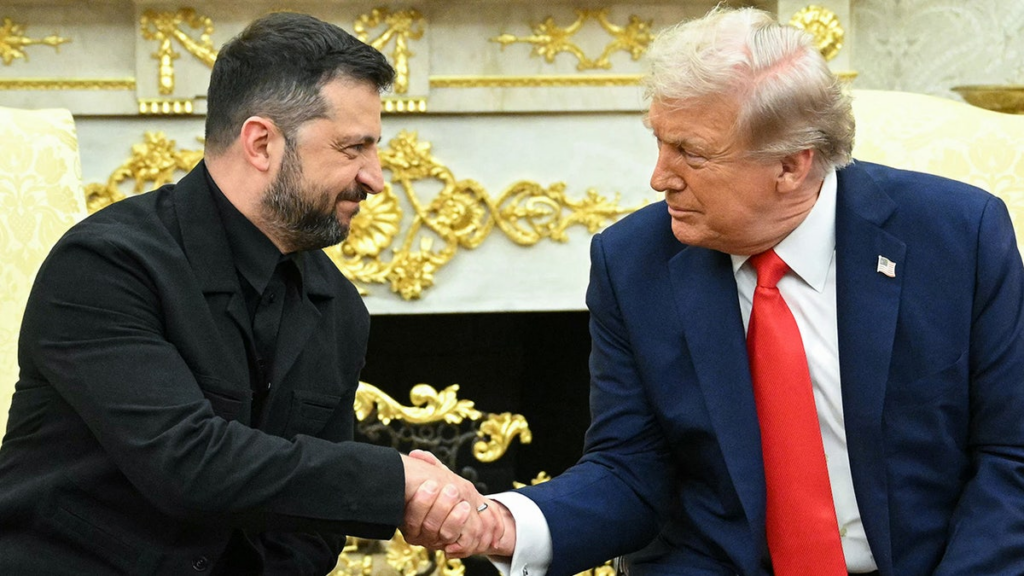
In a pivotal moment for diplomatic relations, the anticipated Trump-Zelensky meeting could reshape the dynamics of the ongoing Ukraine-Russia conflict. As President Volodymyr Zelensky prepares for his potential visit to the US, discussions have centered on a comprehensive US Ukraine peace plan aimed at addressing the escalating tensions. The backdrop of these discussions highlights the urgent need for collaborative international efforts to secure lasting stability in the region. With recent updates signaling a common understanding between US and Ukrainian officials, the stage is set for significant developments in Zelensky’s upcoming trip. This meeting not only symbolizes a critical step in Zelensky Trump relations but also reflects the international community’s dedication to finding resolution amidst the turmoil.
In recent days, the discussions surrounding the potential meeting between former President Trump and Ukrainian President Zelensky have gained significant attention. This crucial encounter aims to solidify diplomatic ties and explore viable solutions concerning the conflict affecting Ukraine and Russia. As Zelensky makes plans for his visit to the United States, there is a growing emphasis on formulating a robust peace agreement that addresses the various facets of the ongoing hostilities. The evolving relationship between the two leaders highlights an urgent quest for peace, reflecting the broader interests of not only Ukraine but also European allies invested in regional security. With multiple stakeholders involved, the implications of their dialogue could resonate across the political landscape, underscoring the necessity for a united front against aggression.
The Anticipated Trump-Zelensky Meeting
The upcoming meeting between President Donald Trump and Ukrainian President Volodymyr Zelensky has garnered significant attention amidst ongoing diplomatic discussions related to the Ukraine conflict. Rustem Umerov, Ukraine’s National Security Chief, expressed optimism about securing an official meeting in the US this month. The meeting is expected to focus on finalizing a peace agreement that was preliminarily discussed in Geneva, highlighting the importance of US involvement in the negotiations. By bringing President Zelensky to the US, both leaders can engage in crucial talks aimed at resolving the current tensions and reaching a comprehensive peace plan that addresses the needs of both Ukraine and Russia.
Although the White House has not confirmed the logistics of the Trump-Zelensky meeting, the timing seems critical as ongoing military actions between Russian and Ukrainian forces continue. Observers note that such a summit could either pave the way for a lasting peace or exacerbate existing divides. The discussions prior to this meeting have already laid a foundation, as Umerov mentioned that both nations have found common ground on several core terms of the proposed peace initiative. The stakes are high, as various alternative proposals have surfaced, especially from European allies, striving to ensure Ukraine’s sovereignty while addressing Russia’s expansionist ambitions.
Exploring the US-Ukraine Peace Plan Dynamics
The U.S.-Ukraine peace plan has been a focal point of recent diplomatic efforts, with President Zelensky actively participating in shaping its outcomes. Recent conversations have indicated that a shared understanding has emerged regarding the framework of this plan, despite ongoing disagreements with Russia. The developments hint at a shifting landscape in the Ukraine-Russia conflict, where Ukraine is seeking assurance of territorial integrity in any peace negotiations. Zelensky’s endorsement of changes to the peace plan emphasizes Ukraine’s desire for a strategy that does not capitulate to Russian demands, particularly concerning the crucial territory in Donbas.
However, the revised proposals from the US and European allies have encountered skepticism, especially from Moscow, which has dismissed key adjustments as unconstructive. The future of these discussions hangs in the balance as officials continue to push back against Russian claims while attempting to maintain a united front among NATO and EU partners. With various stakeholders involved, including the potential for a summit with Trump, it remains to be seen whether these diplomatic overtures can stabilize the region and facilitate a resolution to the ongoing conflict.
Implications of Zelensky’s US Visit on Ukraine-Russia Relations
President Zelensky’s anticipated visit to the US carries significant implications for Ukraine-Russia relations. The meeting with President Trump could serve as a crucial moment in solidifying support from the United States, which has been pivotal in Ukraine’s defense against Russian aggression. Analysts believe that this visit might not only reinforce diplomatic ties, but also energize international support for Ukraine’s position in the ongoing conflict. By engaging directly with the US administration, Zelensky aims to garner commitments that could deter further Russian incursions and bolster Ukraine’s military capabilities through continued aid.
Moreover, the optics of a Trump-Zelensky meeting could send a powerful message to Moscow regarding Western unity and support for Ukraine. As negotiations for peace continue in varying formats, including the talks being held in Abu Dhabi, the outcome of Zelensky’s US visit may influence Moscow’s calculations. If the engagement produces tangible commitments from the US, it might compel Russia to reconsider its stance in upcoming discussions. Conversely, if the meeting does not yield substantial results, it might embolden Russian efforts to assert control in disputed territories.
Current Developments in the Ukraine-Russia Conflict
As the Ukraine-Russia conflict persists, recent developments highlight the ongoing volatility of the situation. Reports indicate that both sides are engaging in intensified military operations, with casualties rising due to ongoing airstrikes. Ukraine’s military has been on high alert, responding to missile attacks while officials continue to call for a comprehensive peace agreement. The recent meeting in Abu Dhabi between US officials and Russian representatives signifies a continuing, albeit tense, dialogue aimed at de-escalating hostilities. However, skepticism remains among Western allies regarding Russia’s willingness to engage genuinely in peace discussions.
Simultaneously, the human cost of the conflict remains staggering, with mounting civilian casualties and infrastructure damage reported daily. Zelensky’s efforts to seek additional support from the West—particularly through the lens of the US-Ukraine peace plan—are critical as the conflict enters a new, challenging phase. The battle for public sentiment and international support plays a key role in the overall dynamics of the war, as Ukraine seeks to fortify its defenses while pursuing a diplomatic route to lasting peace.
The Role of NATO in the Ukraine Conflict
NATO’s engagement in the Ukraine conflict has become increasingly relevant as the situation escalates. In response to threats from Russian military activities, NATO has deployed additional forces and undertaken aerial patrols in regions such as Romania and over the Black Sea. This move underscores NATO’s commitment to protecting the integrity of its member states while sending a clear message to Russia about the serious consequences of its aggressive maneuvers. The ongoing commitment of NATO allies to support Ukraine, including increasing military assistance, echoes the broader strategy of containing Russian influence in Eastern Europe.
Furthermore, NATO’s involvement bolsters Ukraine’s defensive capabilities as it faces continuous challenges on its eastern front. With recent announcements regarding troop deployments and military exercises, NATO is striving to assure its members of the collective defense principle under Article 5. The tension stemming from ongoing military operations necessitates coordinated response efforts among NATO allies, further emphasizing the geopolitical significance of the Ukraine-Russia conflict. As such, the interplay between NATO’s strategic decisions and Ukraine’s autonomous efforts can critically shape the trajectory of the armed conflict.
Zelensky’s Advocacy for Strengthened Military Support
In light of Russia’s continued aggression, President Zelensky has consistently advocated for an increase in military support from the international community, especially from the United States. His calls for providing advanced weaponry and military resources highlight the urgency of enhancing Ukraine’s defense mechanisms against Russian advances. By framing military aid as essential for Ukraine’s sovereignty, Zelensky aims to solidify the narrative that external support is critical during this critical juncture in the conflict. His direct outreach to US officials underscores a tactical approach of securing more substantial commitments from key allies.
Zelensky’s interactions with both NATO and EU leaders also play a significant role in garnering support for military initiatives. Increasing military assistance is crucial not only for immediate defense needs but also for ensuring long-term stability in the region, potentially paving the way for a more favorable negotiating environment in peace talks. Emphasizing the significance of military readiness while simultaneously pursuing diplomatic avenues exemplifies Zelensky’s multifaceted approach to addressing the ongoing challenges his nation faces amidst the conflict.
European Allies and the Ukraine Crisis: A Unified Front
European nations have collectively mobilized to support Ukraine in the face of Russian aggression, highlighting a unified front against potential threats to regional stability. Leaders across the continent are advocating for comprehensive strategies that would not only bolster military assistance but also address the humanitarian crisis emerging due to the ongoing conflict. The recent proposals discussed in coalition meetings emphasize Europe’s commitment to supporting Ukraine’s sovereignty while pushing for peace negotiations that reflect international norms and standards. This collaborative approach illustrates a resolve to stand in solidarity with Ukraine during these trying times.
Moreover, the response from European allies is pivotal in reinforcing diplomatic efforts toward achieving a sustainable peace in the region. With leaders actively engaging in talks and coordinating strategies, EU nations are emphasizing the necessity of a concerted approach to counteract Russian advances. It is apparent that the stakes are high, and the forthcoming discussions will shape not only the direction of the conflict but also the broader geopolitical landscape in Europe. The aspiration for a united European response underscores the belief that long-term peace can only be attained through solidarity and sustained diplomatic engagement.
The Impact of International Relations on Ukraine’s Strategy
The intricacies of international relations profoundly influence Ukraine’s strategy in navigating the challenges posed by the ongoing conflict. As Zelensky emphasizes the importance of building strong alliances, the role of international diplomacy is evident in shaping Ukraine’s approach to negotiations with both Russia and Western powers. The development of strategic partnerships has become crucial as Ukraine seeks to reinforce its position on the global stage, particularly in light of fluctuating dynamics among world leaders. Zelensky’s outreach efforts underscore the need for a well-coordinated international approach to support Ukrainian sovereignty.
Furthermore, the shifting geopolitical landscape, exacerbated by tensions with Russia, requires Ukraine to adopt an adaptable and responsive strategy in its foreign relations. As alliances shift and new agreements emerge, maintaining flexibility in diplomacy will be vital for Ukraine to navigate the delicate balance of power. The potential for a successful peace plan heavily relies on the ability to articulate a cohesive strategy that capitalizes on existing international relationships while cultivating new alliances that can offer critical support against Russian encroachment.
Future Prospects for the Ukraine-Russia Conflict
As discussions surrounding the Ukraine-Russia conflict continue, the future prospects remain uncertain, with diplomatic efforts harried by ongoing military strife. The anticipated Trump-Zelensky meeting represents a critical turning point in these efforts, potentially opening doors for a more robust peace framework. Both nations face considerable pressure to achieve a lasting resolution, especially amidst escalating violence and mounting international scrutiny. The convergence of diplomatic avenues with military preparedness will likely shape the trajectory of negotiations in the times to come.
Ultimately, the complexity of the Ukraine-Russia conflict demands a nuanced understanding of regional geopolitics and international relations. As stakeholders from various backgrounds engage in talks, what emerges in the immediate future could establish precedents for how conflicts are resolved in the current global landscape. The continued involvement of key players, including NATO and European allies, will play a significant role in not only supporting Ukraine but also ensuring that any eventual peace agreement adequately addresses the security concerns of all parties involved.
Frequently Asked Questions
What is the significance of the Trump-Zelensky meeting in the context of US-Ukraine relations?
The Trump-Zelensky meeting is significant as it symbolizes ongoing diplomatic efforts to solidify US support for Ukraine amid the ongoing Russia-Ukraine conflict. President Zelensky’s potential visit to the US, discussed during their talks, aims to finalize a peace plan that ensures Ukraine’s sovereignty and addresses security concerns.
How might the Trump meeting with Ukraine’s Zelensky impact the peace plan with Russia?
The Trump meeting with Zelensky could greatly impact the peace plan with Russia by aligning US support with Ukraine’s negotiating position. This meeting may help clarify Ukraine’s demands and strengthen its stance against Russia’s aggressive actions, potentially leading to a more favorable peace agreement.
What topics are expected to be addressed during the anticipated Trump-Zelensky meeting?
During the anticipated Trump-Zelensky meeting, key topics expected to be addressed include the progress on the US-Ukraine peace plan, military and economic support for Ukraine, and strategies to counter Russian aggression. The meeting aims to bolster Ukraine’s defense capabilities while facilitating diplomatic solutions to end the conflict.
What have been the reactions from both countries regarding the Trump-Zelensky meeting?
Reactions to the Trump-Zelensky meeting have varied, with Ukraine expressing optimism about finalizing key terms of the peace plan during Zelensky’s visit. However, Russia has dismissed proposed amendments to the peace framework, indicating ongoing tension and disagreement that could complicate negotiations.
When is the Trump-Zelensky meeting expected to take place?
The Trump-Zelensky meeting is expected to take place at the earliest suitable date in November. Ukrainian officials, particularly Rustem Umerov, have stated their intention to organize this meeting soon to finalize arrangements related to the ongoing peace discussions.
What are the critical issues Zelensky hopes to resolve during the anticipated meeting with Trump?
Zelensky hopes to resolve critical issues regarding the terms of the proposed US peace plan, including security guarantees, military support from the US, and the legal recognition of Ukraine’s territorial integrity. These discussions are vital in advancing Ukraine’s position against ongoing Russian aggression.
Have there been any updates on the contents of the peace plan discussed between Trump and Zelensky?
Yes, updates indicate that both US and Ukrainian delegations have reached a ‘common understanding’ on the core terms of the peace plan, which is seen as a constructive step forward. However, there are still significant differences between the conditions acceptable to Ukraine and those favored by Russia.
Why is the relationship between Trump and Zelensky pivotal for Ukraine amidst the conflict with Russia?
The relationship between Trump and Zelensky is pivotal for Ukraine as it represents a crucial channel for US assistance and support amidst the conflict with Russia. A strong bilateral relationship can enhance Ukraine’s negotiating power and provide essential resources to counteract Russian military actions.
What potential outcomes are anticipated from the Trump-Zelensky meeting regarding US support for Ukraine?
Potential outcomes from the Trump-Zelensky meeting may include reaffirmed commitments for military and financial aid to Ukraine, a clearer roadmap for peace negotiations with Russia, and heightened diplomatic efforts to restore stability in the region, which is critical for Ukraine’s sovereignty.
How does the Trump-Zelensky meeting align with broader geopolitical interests in Eastern Europe?
The Trump-Zelensky meeting aligns with broader geopolitical interests in Eastern Europe by reinforcing US support for Ukraine as a key partner in countering Russian expansionism. Strengthening this alliance can enhance regional security, deter further aggression from Russia, and promote democratic stability in the region.
| Key Points |
|---|
| Ukraine’s security chief seeks to arrange President Zelensky’s visit to the US to discuss peace efforts with Trump. |
| US and Ukraine have reached a common understanding on key terms of a peace deal; details are still pending. |
| There have been ongoing military exchanges, with casualties reported on both sides amid continued airstrikes. |
| Zelensky expressed optimism regarding proposed changes to the US peace plan aimed at resolving the conflict. |
| Russia has indicated it will not agree to terms that recognize Ukrainian sovereignty over occupied regions. |
| The meeting in Abu Dhabi between US and Russian officials aims to further discuss the possibilities of the peace deal. |
| NATO has increased its military presence in Eastern Europe amid ongoing tensions and drone interceptions. |
Summary
The Trump-Zelensky meeting aims to pave the way for constructive dialogue regarding the ongoing conflict in Ukraine. With Ukraine’s security chief expressing urgency to arrange this high-level engagement, it highlights the importance of US involvement in stabilizing the situation. As both parties work towards a peace agreement, the outcomes of this potential meeting may significantly influence diplomatic relations and efforts to end hostilities in the region.

