Listen to this article
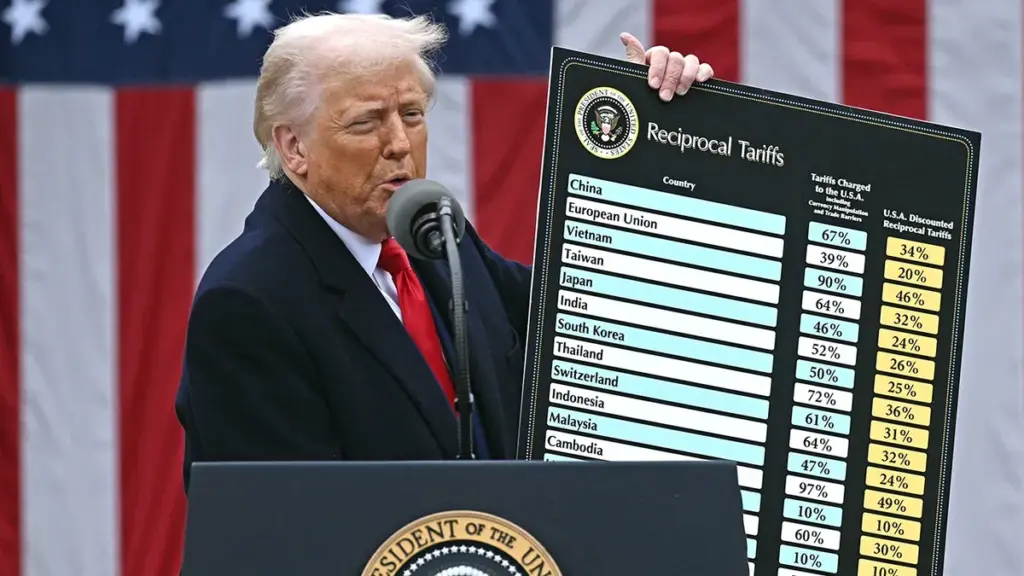
The issue of Trump tariffs on Greenland has ignited a heated debate between the United States and NATO allies, with significant implications for transatlantic relations. Recent statements from Sir Keir Starmer highlight concerns over the U.S.’s approach to establishing control over the strategically crucial island, following Trump’s threats to impose a 10% levy on imports from several European nations. Amidst growing Arctic security concerns, Starmer emphasized that applying tariffs to allied nations pursuing their own security strategies is misguided. The interconnectedness of Greenland, Denmark, and U.S. foreign policy has never been clearer, as highlighted by the reactions from European leaders and the potential impact on Greenland’s future. This pivotal moment in Greenland-Denmark relations underscores the delicate balance between economic policies and national security in the Arctic region.
The recent situation surrounding tariffs imposed by Donald Trump on Greenland has sparked discussions about the broader implications for international relations and Arctic sovereignty. These proposed trade levies represent more than just economic measures; they signal a troubling shift toward aggressive U.S. policies in its pursuit of strategic territories, particularly in the high north. As allies like Denmark brace for adverse effects, the dialogue surrounding the potential U.S. acquisition of Greenland raises pressing questions about global alliances and Arctic security protocols. Politicians across Europe are calling for unity in the face of perceived threats to their territorial integrity. This scenario not only highlights Greenland’s strategic importance but also reflects the vital role of international cooperation in maintaining stability in an increasingly contested region.
Trump Tariffs on Greenland: A Diplomatic Dilemma
The recent discussions surrounding the Trump tariffs on Greenland highlight the nuanced diplomatic relations between the US and its allies. Sir Keir Starmer’s firm stance against these tariffs underscores the importance of maintaining strong ties within NATO, especially concerning the strategic interests in the Arctic region. The imposition of a 10% tariff on goods imported from countries like the UK reflects an approach that could jeopardize transatlantic relations, which have been foundational to security in the Euro-Atlantic sphere. Starmer emphasized that applying tariffs on allies sends the wrong message about collective security efforts, and could ultimately undermine broader NATO goals.
Furthermore, the tariffs threaten to disrupt the delicate balance of power and cooperation that underpins the Greenland-US-Denmark relationship. With Trump’s administration viewing Greenland as a strategic asset amidst rising Arctic security concerns from nations like Russia and China, the tension heightened by tariffs could have lasting implications for regional stability. Sir Keir’s insistence that the future of Greenland should be determined by its people and Denmark, rather than dictated by external pressures such as tariffs, resonates with broader sentiments about sovereignty and international partnership.
The Arctic Security Concerns in Greenland and Beyond
As geopolitical tensions mount, Arctic security concerns have become increasingly pertinent in discussions about Greenland’s future. The strategic location of Greenland, which sits between North America and Europe, makes it a focal point for military interests, particularly those of the United States. Both the Danish government and NATO allies understand the significance of maintaining peace and stability in the region, especially in light of growing assertiveness from Russia. The call to prioritize Arctic security highlights the need for cooperation among allied nations to address common global challenges.
Moreover, the desire for a unified response to these security challenges is reflected in the collaborative efforts of multiple European nations. With Denmark leading initiatives to reinforce territorial integrity, the solidarity among NATO allies, as evidenced by their joint statements against the proposed tariffs, demonstrates a commitment to uphold both national and collective interests. As climate change continues to draw interest in Greenland’s natural resources, ensuring that these areas remain peaceful and well-managed becomes paramount for all NATO member states involved in Arctic affairs.
Sir Keir Starmer’s Response to Trump’s Approach
Sir Keir Starmer’s reaction to Trump’s threats of tariffs has been notably firm—asserting that they would be detrimental to not just the UK’s economy, but also the broader transatlantic relationship. In conversations with allies, he has been vocal about the need for an ‘adult debate’ on security and trade issues surrounding Greenland. This calls for a level of diplomacy that respects the sovereignty of nations like Denmark and the wishes of the Greenlandic people, particularly in an era where national interests are often weaponized amidst trade disputes.
Starmer’s calls for dialogue rather than confrontation reflect an understanding that imposing tariffs can be counterproductive, potentially leading to further chaos in international trade relations. By emphasizing a unified approach to Arctic security, he aims to reassure both domestic constituents and international partners that the UK will not waver in its support of Denmark’s sovereignty over Greenland, aligning with broader NATO objectives to maintain stability in the high north.
Tariffs and the Impact on Transatlantic Relations
The potential implementation of Trump’s tariffs raises serious questions about the future of transatlantic relations. As countries like the UK and Denmark collaborate to maintain the status of Greenland, the threat of economic penalties could create rifts that linger long beyond the tariffs themselves. Comments from various political figures in the UK denote a growing concern that these tariffs may lead to a fractured alliance, undermining both security measures and economic partnerships that have taken years to build.
Moreover, the collective statement from the affected nations illustrates a strong stance against what many perceive as unjust economic coercion. This solidarity reflects an understanding that their shared governance of international norms and values transcends monetary disputes. While the imposition of tariffs aims to leverage negotiations regarding Greenland’s future, it risks alienating allies who view such measures as detrimental to both diplomatic relations and mutual interests in securing the Arctic.
Denmark’s Firm Stance on Greenland’s Sovereignty
Denmark’s position regarding Greenland has remained resolute, with officials clearly stating that Greenland is not for sale. This assertion of sovereignty is crucial in the context of broader conversations about Arctic security and US ambitions in the region. The Danish government has been proactive in reassuring both Greenland and their NATO allies that they will maintain control over the territory, aligning with the principles of self-determination and diplomatic engagement that underpin international law.
Additionally, Denmark’s emphasis on cooperation rather than coercion mirrors the sentiments of other NATO allies voicing their support for the Kingdom of Denmark and its claims. As concerns over Arctic security grow, it appears that the nation is prepared to solidify its defenses and work with partners to ensure that Greenland’s future is guided by the wishes of its people, not external pressures. This solidarity among allies underscores the understanding that Arctic stability relies on unity against external threats, including economic aggressions such as tariffs.
Global Reactions to Trump’s Greenland Strategy
The global response to Trump’s strategy concerning Greenland and the accompanying tariffs has been varied, indicating a deep-seated concern about the implications of such an aggressive stance towards allies. Within the UK, political leaders have unified in critiquing Trump’s approach, suggesting it creates unnecessary friction among NATO allies. Described as ‘deeply unhelpful,’ the tariff proposals have sparked discussions about the balance of power and the future of international relations, particularly in the context of the Arctic.
Internationally, responses range from supportive to highly critical, as many nations value Greenland’s autonomy and reject the notion that it could be treated as a bargaining chip in trade negotiations. The emphasis from Denmark, along with other European countries such as Norway and Sweden, illustrates a concerted effort to protect their shared interests in the region. By rallying together against Trump’s threats, these nations highlight their commitment to the partnership and security arrangements that have historically defined their interrelations and bolster their collective voice in global diplomatic discussions.
The Role of NATO Allies in Arctic Security
NATO allies have historically understood the significance of Arctic security for their collective defense strategy, particularly amidst increasing threats from non-allied nations. Greenland’s geographical positioning makes it a crucial component in the broader NATO framework, enabling enhanced surveillance and protection measures against incursions that could compromise Euro-Atlantic interests. The recent tariff discussions have spurred dialogue about how member states can better collaborate to secure their collective interests in the region, transcending economic pressures to uphold strategic imperatives.
In light of ongoing debates about defense spending and military capabilities in the Arctic, NATO allies remain committed to enhancing their readiness. The solidarity observed in their reactions to Trump’s policies not only strengthens their diplomatic ties but also serves as a reminder of their shared responsibilities to safeguard Arctic security. Continuous cooperation in military exercises, intelligence sharing, and strategic planning forms the backbone of this alliance, ensuring that every member is fortified against common threats while fostering regional stability in Greenland.
Greenland’s Natural Resources and Global Interest
The mounting interest in Greenland’s natural resources, particularly as climate change makes them more accessible, adds another layer of complexity to the conversation surrounding its status. Rare earth minerals, uranium, and other resources could signal a new gold rush in the Arctic, exemplifying why countries are keen on maintaining influence over the territory. This quest for resources raises significant questions about exploitation and environmental impacts, compelling both Greenland and Denmark to carefully consider how these developments align with their goals for sustainable management.
Countries like the US are increasingly aware that natural resources in Greenland could shift the balance of power within the Arctic, compounding the security concerns already at play. US claims about the inadequacy of Denmark’s ability to protect these resources from threats posed by nations like China and Russia only heighten the urgency of collaborative international frameworks. As such, there exists an inherent need for cohesive policies that not only address security but also ensure resource usage aligns with environmental standards and the aspirations of the Greenlandic people.
The Economic Ripple Effects of Tariffs
Understanding the economic ripple effects of Trump’s proposed tariffs on goods from allied nations highlights a potential crisis that reaches beyond mere currency values. Tariffs are known to increase costs for consumers and businesses alike, which can lead to inflation and economic strains in import-dependent economies. The interdependencies among NATO allies imply that these tariffs, aimed at pressuring Denmark and Greenland, could ultimately hurt US businesses as well, signifying a classic case of a self-inflicted wound within the larger framework of international trade.
Moreover, the backlash from European countries underscores the potential for a trade war that could destabilize the fragile recovery from economic downturns experienced globally. The collective efforts of nations affected by these tariffs show a robust commitment to protecting their economic interests while standing firm against coercive tactics. By asserting their intentions to unite against unilateral tariff actions, NATO allies send a message that their mutual interests prevail over economic bullying, thereby reinforcing the legitimacy of their trade partnerships and collective security arrangements.
Frequently Asked Questions
What are Trump tariffs on Greenland and why are they controversial?
Trump tariffs on Greenland refer to the proposed 10% levy on goods imported from European nations, including the UK, as part of the controversial attempt to negotiate the US purchase of Greenland. These tariffs have raised concerns among NATO allies, as they could undermine transatlantic relations and harm economies.
How do Trump tariffs on Greenland affect NATO allies?
The Trump tariffs on Greenland have significant implications for NATO allies, particularly since they apply pressure on these countries while the US pursues its interests in Greenland. Allies, including Denmark and the UK, argue that imposing tariffs on them undermines collective security efforts in the Arctic.
What is the reaction of Denmark regarding Trump tariffs on Greenland?
Denmark has strongly opposed Trump tariffs on Greenland, asserting that the territory is not for sale and emphasizing the need for security in the Arctic. Danish officials have stated that any attempt to take control of Greenland could jeopardize the NATO alliance.
Did Sir Keir Starmer discuss Trump tariffs on Greenland with the US president?
Yes, Sir Keir Starmer spoke with President Trump about the tariffs, indicating that applying tariffs on NATO allies opposing the US takeover of Greenland is wrong. He highlighted the importance of collective security and the need for dialogue.
What implications do Trump tariffs on Greenland have on Arctic security?
Trump tariffs on Greenland could destabilize Arctic security by straining relations between the US and its European allies, who are committed to protecting regional interests. This situation raises concerns about cooperation on shared threats, including those from Russia and China.
What do Trump tariffs on Greenland mean for Greenland residents?
The Trump tariffs on Greenland may create economic uncertainties for residents, as they could impact trade and pricing on imported goods from allied nations. Additionally, the geopolitical tensions surrounding Greenland’s future could affect local stability.
How do Trump tariffs on Greenland relate to security concerns in the Arctic?
The intent behind the Trump tariffs on Greenland is partly rooted in national security concerns, as the US argues that it needs to oversee Greenland to better protect against threats from Russia and China. However, this approach has drawn criticism from NATO allies who prioritize diplomatic solutions.
What statement did the eight European countries make regarding Trump tariffs on Greenland?
The eight countries—Denmark, Finland, France, Germany, the Netherlands, Norway, Sweden, and the UK—issued a joint statement condemning Trump tariffs on Greenland, stating that such taxes undermine transatlantic relations and jeopardize security cooperation in the Arctic.
How have international relations changed due to Trump tariffs on Greenland?
International relations have become strained due to Trump tariffs on Greenland, as European allies believe these measures jeopardize unity and cooperation within NATO. This conflict has led to increased discussions about the importance of respecting each nation’s sovereignty and territorial claims.
What strategic importance does Greenland hold amidst Trump tariffs and potential US takeover?
Greenland holds significant strategic importance due to its location between North America and the Arctic, serving as a critical point for monitoring and military operations. The interest in Greenland intensified with Trump’s tariffs as both geopolitical and economic considerations come into play.
| Key Points |
|---|
| Sir Keir Starmer told Trump it would be ‘wrong’ to impose tariffs on allies. |
| Trump announced a 10% tariff on goods from eight European nations until a deal on Greenland is reached. |
| Calls for the US to take control of Greenland are based on national security concerns. |
| Denmark emphasizes that Greenland is not for sale and any attack would threaten NATO. |
| The eight affected nations issued a joint statement opposing the tariffs as harmful to transatlantic relations. |
| Trump’s administration suggests military action is a possibility, but prefers a purchase deal. |
| Criticism of Trump’s tariffs comes from across the UK’s political spectrum, stating they are counterproductive. |
| Greenland’s strategic importance is highlighted due to its natural resources and military significance. |
Summary
Trump tariffs on Greenland have sparked significant international concern, as Sir Keir Starmer articulated the potential fallout from imposing such tariffs on allies. The situation underlines the geopolitical complexities surrounding Greenland’s status, emphasizing the need for diplomacy over punitive measures. Many allied nations have rallied in support of Denmark’s sovereignty, cementing their collective stance against tariffs that threaten transatlantic relationships.