
Listen to this article
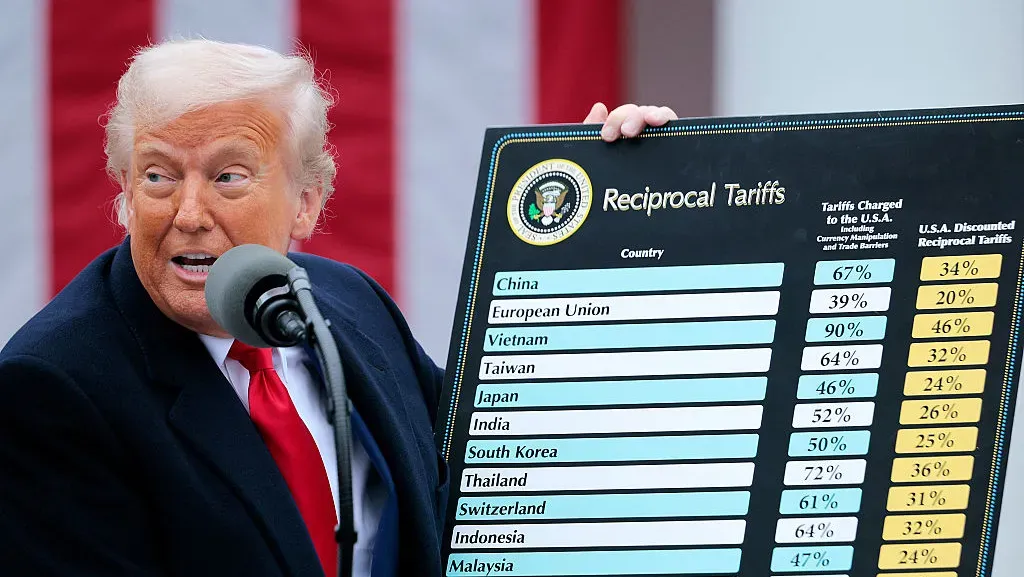
In recent years, Trump tariffs have emerged as a critical component of U.S. trade policy, significantly impacting the nation’s economic landscape. These tariffs, aimed at goods imported from various countries, were designed to bolster American manufacturing, create jobs, and encourage consumers to choose domestic products over foreign alternatives. However, the broader implications of these tariffs extend to the global economy, raising concerns about escalating prices for consumers and possible retaliatory measures from affected nations. Critics argue that while Trump’s trade reforms attempt to address the trade deficit, they may inadvertently harm the very economy they seek to protect. Understanding tariffs explained in this context is essential to grasping their multifaceted impact on both domestic and international markets.
Exploring tariffs within the framework of international trade agreements reveals the complexities of economic interactions in today’s interconnected world. The imposition of taxes on imported goods is a strategic move often leveraged to protect local industries and stimulate national growth. Yet, the ramifications of such trade barriers can ripple through the global economy, affecting everything from consumer prices to international relations. President Trump’s trade initiatives, notably his use of tariffs, provoke significant dialogue around the impact of tariffs on American consumers and the global marketplace. Engaging with the discourse on trade policy is vital for understanding the broader economic implications of these strategic decisions.
Understanding the Basics of Tariffs
Tariffs refer to taxes imposed on imported goods, which are typically calculated as a percentage of the product’s value. This means if a product is valued at $100 and a tariff rate of 10% is applied, an additional $10 tax is imposed, leading to a total cost of $110 for the consumer. Tariffs serve as a tool for governments to regulate foreign trade, protect domestic industries, and generate revenue. With tariffs explained clearly, it is crucial for those involved in trade to understand how these taxes influence market dynamics and consumer prices.
The impact of tariffs can be significant; they compel businesses and consumers to reevaluate purchasing decisions. When tariffs increase costs for imported goods, domestic consumers may face higher prices, prompting them to shift towards locally-produced alternatives. However, while tariffs may protect certain industries, they can also backfire by creating retaliatory measures from other countries, leading to a possible trade war. This intricate balance highlights the multifaceted consequences of tariffs on both local economies and the global marketplace.
Trump Tariffs: Objectives and Implications
President Donald Trump’s tariffs have been primarily motivated by a desire to bolster American manufacturing and reduce the trade deficit. In his view, these tariffs act as a critical instrument for leveling the playing field against nations he believes exploit American industries. By imposing tariffs on countries such as China, Mexico, and Canada, Trump aims to encourage consumers to favor domestic products over imports, potentially fostering job growth and stimulating local economies. This approach embodies Trump’s trade policy, which emphasizes protectionism as a strategy to address perceived economic imbalances.
However, the implications of Trump tariffs extend beyond domestic markets. Critics argue that the measures may inadvertently lead to increased prices for everyday consumers, negatively impacting the cost of living in the US. Businesses forced to pay higher taxes on imported goods often pass these costs onto consumers, leading to inflation and diminished purchasing power. Furthermore, in a global economy where interdependence is crucial, these tariffs could hinder trade relations and economic stability, prompting concerns about their long-term viability.
The Legal Controversies Surrounding Trump’s Tariffs
The legality of Trump’s tariffs has faced scrutiny, particularly regarding his administration’s decision to implement them without Congressional approval. By invoking the International Emergency Economic Powers Act, Trump bypassed traditional legislative processes, which has raised questions about the extent of executive power. Legal challenges surrounding these tariffs have been ongoing, leading to a landmark case before the US Supreme Court that could set significant precedents for future trade policy.
As the Supreme Court considers the legality of Trump’s tariffs, the outcome could have profound effects on not only the current tariffs but also on how future administrations may approach trade negotiations. A ruling against the administration could trigger a reconsideration of executive authority in trade matters, potentially reshaping the landscape for tariffs in the US. This underscores the importance of judicial interpretation in balancing trade policies with constitutional mandates.
Effects of Tariffs on Individual Countries
Trump’s tariffs on specific countries are tailored to address perceived economic imbalances. For instance, both China and Mexico have faced significant tariffs as part of Trump’s broader strategy to reinforce American manufacturing. These targeted tariffs compel those nations to either accede to US trade demands or absorb the additional costs associated with exporting goods to the US market. This situation illustrates a complex negotiation landscape and highlights the interdependencies among the world’s major economies.
By applying tariffs at varying rates depending on the country, such as a 35% tariff on Canadian goods or 30% on Mexican imports, the Trump administration aims to compel other nations to align their policies with US interests. However, this approach signals a departure from traditional multilateral trade agreements, leading to concerns that these measures could engender long-term retaliatory tariffs, ultimately harming consumers in both the US and its trading partners.
Current State of Trade Negotiations and Tariffs
Negotiations regarding tariffs are a dynamic process influenced by ongoing global economic conditions and political landscapes. As of late 2025, numerous trade deals are being renegotiated, with countries like China, Canada, and Mexico working to better align their practices with US expectations in exchange for easing tariffs. This shifting environment necessitates adaptable strategies from all involved parties and emphasizes the interconnected nature of international trade.
Furthermore, Trump’s engagement in trade talks underlines the importance of diplomacy in achieving mutually beneficial outcomes. As tariffs fluctuate based on negotiation outcomes, successful discussions may lead to lowered tariffs or new trade agreements that foster better economic ties. Conversely, failure to reach consensus can escalate tensions and reintroduce higher tariffs, underscoring the precarious balance that defines contemporary trade relations.
Consumer Price Impact Due to Tariffs
Increased tariffs have shed light on the direct and indirect effects on consumer prices, an essential consideration for any economic policy. When foreign goods become more expensive due to tariffs, businesses tend to increase prices for their products, passing the costs onto consumers. This phenomenon can lead to noticeable price inflation across a broad spectrum of goods, from electronics to food items, affecting household budgets and spending habits.
For consumers, understanding the implications of this price increase is crucial. As seen in recent inflation reports, traditional staples have experienced notable price hikes due to tariffs. This situation presents a challenge for families aiming to balance their budgets in an economically strained environment, where wage growth may not match the pace of rising costs. Such conditions prompt consumers to be more discerning in their purchasing decisions, contributing to a shift in market demand toward lower-cost domestic products.
The Global Economic Ramifications of US Tariffs
Trump’s tariffs have indisputably impacted not only the US economy but the global economic landscape as well. The International Monetary Fund (IMF) has expressed concerns that escalating tariffs could dampen global economic growth and stability. With many countries reliant on robust trade relationships, significant US tariffs undermine confidence and create uncertainties in international markets, leading to cautious investment behaviors and trade practices.
Furthermore, the interconnected global economy means that tariffs can lead to a domino effect, where increased tariffs by the US inspire retaliatory measures from affected countries. This scenario can result in a protracted trade war that hampers growth across multiple sectors. Tracking the economic indicators in various regions reveals that while short-term gains might be seen in certain domestic industries, the long-term overarching impacts of tariffs could result in slower economic expansion and market volatility on a global scale.
Analyzing the Long-term Effects of Trump’s Trade Policy
The long-term effects of Trump’s trade policy remain a topic of significant debate among economists and political analysts. Some argue that protective tariffs will help revitalize American manufacturing by shielding it from foreign competition. However, others voice concerns that over-reliance on such policies may hurt innovation and competitiveness by isolating the US market from global trends.
Moreover, the persistent implementation of tariffs could create inefficiencies within the economy by encouraging businesses to focus inward rather than explore international opportunities. The challenge for future administrations will be to strike a balance that protects domestic industries while ensuring that the US remains an active player in the global marketplace, ultimately benefiting American consumers and businesses alike.
The Future of US Tariff Policies in the Global Context
As discussions regarding tariffs continue, the future of US tariff policy is intertwined with the evolving global economy. With a changing political landscape and international pressures, policymakers must navigate carefully to foster relationships that promote trade and economic growth. The complexity of global supply chains and partnerships underscores the necessity for a nuanced approach that considers both domestic and international factors.
Future policies may see a shift towards multilateral agreements rather than unilateral tariff impositions, which can enhance diplomatic relations and stabilize trade dynamics. A comprehensive approach that prioritizes collaboration over isolation could mitigate trade tensions and foster a more predictable economic environment. Taking lessons from past experiences, the emphasis on strategic negotiation will be crucial for shaping a favorable economic future for the United States on the world stage.
Frequently Asked Questions
What are Trump tariffs and how do they work?
Trump tariffs refer to taxes imposed on imported goods by the Trump administration, impacting the cost of products for American consumers. These tariffs, calculated as a percentage of the total value of the imported goods, can lead to increased prices on items from overseas, ultimately affecting the economy and consumer spending.
What is the impact of tariffs imposed by Trump on the US economy?
The impact of tariffs imposed by Trump on the US economy includes potential price increases for consumers and challenges for global trade. While some sectors may benefit from reduced competition, overall economic growth projections have shown stagnation, with consumer spending dynamics altering due to the increased costs associated with higher tariffs.
How are tariffs explained in the context of Trump trade policy?
Under Trump’s trade policy, tariffs are explained as a means to protect American manufacturing by taxing imports from countries deemed unfair traders. This policy aims to reduce the trade deficit and boost domestic production, though it comes with risks of retaliatory tariffs and increased prices for American consumers.
What are the current US tariffs on China according to Trump’s trade policy?
According to Trump’s trade policy, current US tariffs on China include tariff exemptions on selected goods but maintain high rates on others, with some items facing tariffs up to 100%. This approach aims to penalize China for unfair trade practices while attempting to negotiate better trade terms.
What recent adjustments have been made to global economy tariffs under Trump?
Recent adjustments to global economy tariffs under Trump have included negotiations that lowered certain rates for countries like the UK while maintaining high rates for others considered ‘cheaters’ in trade. These tariffs aim to encourage fair trade practices but often result in strained relations with trading partners.
Why has the Supreme Court been involved with Trump’s tariffs?
The Supreme Court has been involved with Trump’s tariffs due to legal challenges regarding their implementation without Congressional approval. The administration cited emergency powers, igniting debates about the legality of such tariffs and their long-term economic implications.
How have US tariffs affected prices for consumers?
US tariffs have led to notable price increases for consumers on various goods, including electronics and clothing. Retailers are expected to pass on these costs, which could result in inflationary pressures and affect consumer purchasing decisions.
What tariffs are imposed on Canada under Trump’s trade initiatives?
Under Trump’s trade initiatives, Canada faces significant tariffs including a blanket 50% tax on imported metals and specific tariffs on vehicles, although many goods qualify for exemptions under the USMCA agreement.
What tariffs are currently imposed on Mexico as part of Trump’s trade policy?
Currently, Mexico is subject to tariffs including a 30% rate on imports and additional charges related to specific sectors. These tariffs are designed to pressure Mexico into compliance with immigration and trade agreements.
What are the potential long-term effects of Trump tariffs on the global economy?
The potential long-term effects of Trump tariffs on the global economy may include distorted trade patterns, retaliatory measures from affected countries, and overall reduced global economic growth as countries adjust to higher costs and strained relationships.
| Key Point | Details |
|---|---|
| Introduction of Tariffs | Trump has introduced tariffs on imports to boost American manufacturing and job creation. |
Summary
Trump tariffs have sparked significant debate over the economic implications they hold for both the United States and the global market. By imposing taxes on imported goods, Trump believes these tariffs will enhance domestic production and create jobs. However, critics warn that they could lead to increased prices for consumers and strain international trade relations. As the Supreme Court evaluates the legality of these tariffs, the outcomes will undoubtedly shape the future of American trade policies.

