Listen to this article
The recent Trump tariff rollback has made headlines as President Donald Trump signed an executive order permitting a variety of food products to avoid the hefty tariffs that have previously burdened them. This strategic move aims to alleviate rising costs associated with US food prices, a pressing concern for many Americans. With exemptions for items like coffee, bananas, and beef, the rollback reflects a shift in Trump’s trade policy amid mounting pressure from discontented consumers and fluctuating inflation rates. Historically, Trump’s tariff measures aimed to bolster domestic production and reduce the trade deficit, but their economic impact—especially on consumers—has come under scrutiny. As the administration seeks to balance its ambitious trade goals with the realities of inflation and tariffs, critics and supporters alike are watching closely to see how this decision will affect the marketplace.
In a significant turn of events related to trade policies, the recent decision to roll back tariffs on certain food items could reshape consumer experiences in the US. This strategy, part of a broader approach to manage food tariff exemptions, aims to soften the financial burden on American households struggling with rising grocery costs. Amidst a backdrop of heightened inflation, the administration’s reassessment of its earlier stance represents a crucial intersection between trade negotiations and everyday consumer goods. As discussions around Trump’s trade practices evolve, the focus on mitigating the tariff impacts on consumers remains pivotal, especially for staples that are now freed from import taxes. This development not only highlights the ongoing complexities of international trade but also underscores the administration’s responsiveness to the pressing economic challenges faced by citizens.
The Impact of Trump Tariff Rollback on Food Prices
President Trump’s recent decision to roll back tariffs on a wide array of food products, such as coffee, avocados, and beef, aims to alleviate financial pressure from American consumers facing rising grocery costs. With food prices experiencing notable inflation, the administration’s move to remove these tariffs could lead to significant reductions in retail prices. Economists suggest that the tariffs had initially contributed to escalating food costs, making these exemptions critical for easing the financial burden on households nationwide. As the economy continues to navigate challenges, consumers are eagerly anticipating a corresponding drop in their grocery bills following this policy shift.
The results of the tariff rollback could be particularly pronounced in the prices of commonly consumed products, including beef and coffee, which have seen significant price increases over the past year. By exempting a variety of food items from tariffs, the Trump administration is hoping to create a more favorable pricing environment in supermarkets and grocery stores. However, experts caution that while these measures could provide some immediate respite, the long-term effects on food prices will rely heavily on market conditions and consumer demand. As inflation persists as a concern for many households, the administration’s approach may set a precedent for future trade negotiations.
Trump Trade Policy and Its Effects on Consumers
The Trump administration’s trade policy, marked by aggressive tariffs on imports, was initially designed to protect American businesses and reduce the trade deficit. However, this policy has had mixed results, particularly for consumers. While the intent was to promote domestic production and deter reliance on foreign goods, the reality has often led to increased prices for everyday items. Consumers have felt the sting of these tariffs through raised food costs, affecting their ability to budget effectively and purchase necessary goods.
Critics argue that Trump’s trade policy has disproportionately harmed American families, as tariffs on imports often translate into higher prices at the checkout. In response to mounting pressure and poor electoral outcomes, the administration’s decision to roll back some tariffs on food items represents a strategic pivot. This change not only addresses consumer dissatisfaction but also attempts to stabilize the market in light of rising inflation. As a central tenet of his economic strategy, the ability to balance trade policy with consumer interests will be crucial for the administration moving forward.
Food Tariff Exemptions: A Strategic Move
The recent executive order to exempt a range of food products from tariffs signals a strategic pivot by the Trump administration in its approach to trade and consumer prices. By removing tariffs on essential items like bananas, coffee, and various spices, the government aims to provide immediate relief to consumers amidst rising costs. This move reflects an acknowledgment of the adverse effects that previous tariffs have had on food prices and is seen as an effort to regain public support in a tumultuous political climate.
The list of exempted products is extensive, suggesting a thoughtful consideration of which items significantly affect consumer expenditures. These tariff exemptions not only signal an immediate response to rising inflation but also represent a broader strategy to support the domestic economy by ensuring that consumers are not solely impacted by trade policies. As the administration navigates these complicated waters, the success of such exemptions in mitigating inflationary pressures will be closely observed by both economists and voters alike.
Understanding Tariff Impacts on the Grocery Bill
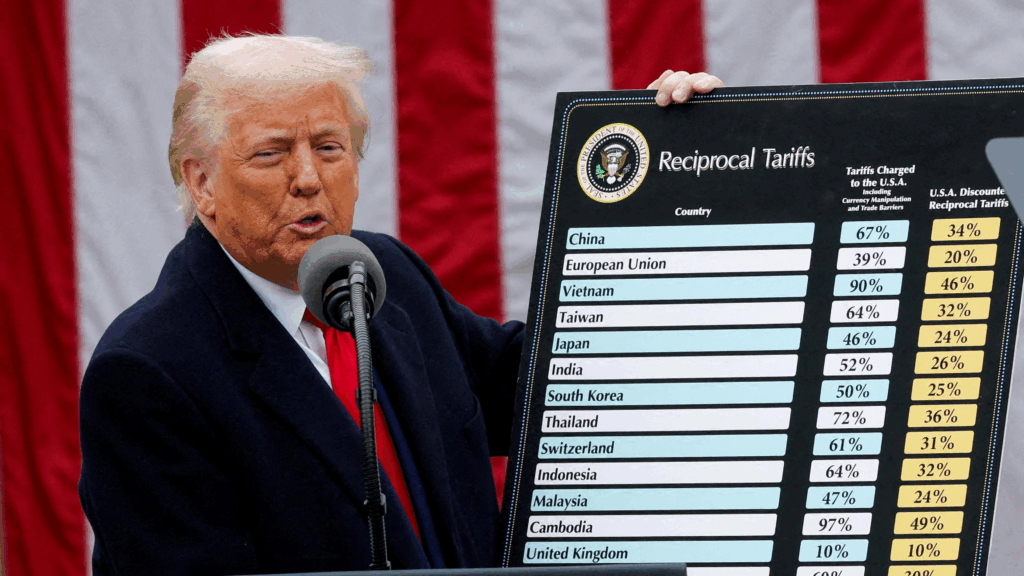
In examining the tariff impacts on consumers, particularly regarding grocery bills, it becomes evident that tariffs can lead to price fluctuations that directly affect household budgets. The cost of imported food products has risen substantially due to the 10% baseline tariff imposed by the Trump administration, thus making staples more expensive for American families. Understanding these impacts is essential for consumers who are navigating a landscape of rising prices and fluctuating incomes.
With the recent rollback of tariffs on numerous food items, consumers have reason to hope for a stabilization in their grocery costs. The administration’s focus on food tariff exemptions may ease some of the financial strain currently felt in households. However, it remains to be seen whether these measures will sufficiently offset the previously heightened prices due to tariffs. Continued vigilance from consumers and advocacy for fair pricing will be necessary as the administration enacts further trade policies.
Inflation and Tariffs: A Complex Relationship
The relationship between inflation and tariffs presents a complex challenge for policymakers and consumers alike. While tariffs are often justified as a means to protect domestic industries, they can inadvertently exacerbate inflation by raising the cost of imported goods. As many Americans have experienced firsthand, the combination of inflated prices along with the economic implications of tariffs creates a precarious situation for household finances.
Trump’s recent efforts to rollback food tariffs could be seen as an acknowledgment of the detrimental effects that such policies can have on inflation rates. With grocery prices climbing, the administration’s direction aims to alleviate some of the pressures on consumers. Nonetheless, addressing inflation effectively requires a broader strategy that encompasses not just tariff adjustments but also a comprehensive review of trade and economic policies. The interconnectedness of tariffs and inflation remains crucial for understanding the financial landscape faced by consumers.
Economists Weigh In on Recent Trade Policy Changes
In light of the recent changes to trade policy, many economists are weighing in on the potential consequences of Trump’s decision to roll back tariffs on specific food products. Economists suggest that the easing of these tariffs could provide temporary relief for consumers by reducing grocery costs. However, they also point out that the long-term sustainability of such price reductions depends on various factors, including supply chain dynamics and international trade relations.
The general consensus among economic experts is that while the exemption of tariffs may seem beneficial in the short term, it is crucial to analyze the underlying implications for broader trade policy. The interplay between tariffs, trade deficits, and consumer prices determines the overall health of the economy. As the administration navigates these changes, the insights from economists will be essential for shaping future policies and ensuring that they serve the interests of American families.
Consumer Reactions to Tariff Exemptions
Consumer reactions to the recent tariff exemptions range from cautious optimism to skepticism. Many families welcome the rollback of tariffs on essential food items, viewing it as a much-needed reprieve from escalating grocery costs. The immediate impact on prices will be monitored closely, as consumers hope to see lower bills at the checkout in the coming weeks. However, some remain wary, questioning whether the reductions will truly materialize or if businesses will absorb the savings.
Furthermore, consumers are increasingly aware of the broader implications of trade policies on their daily lives. The direct correlation between tariffs and inflation has become a significant point of discussion among families trying to manage their budgets. As the administration promotes tariff exemptions, stakeholders will need to ensure transparency and fair pricing, as public trust will be vital for ongoing support of trade initiatives in the future.
The Future of Trade Policy Under the Trump Administration
Looking ahead, the future of trade policy under the Trump administration remains uncertain, particularly regarding the ongoing adjustments to tariffs. While recent tariff rollbacks may signify a shift in focus toward consumer interests amid rising prices, the long-term strategy remains to be defined. Observers will be vigilant in monitoring how these changes impact not only domestic markets but also international relations as trade agreements evolve.
The administration’s ability to balance the needs of American consumers with its goals for economic growth and trade protectionism will be critical. As tariff exemptions are implemented and their effects are assessed, lawmakers and economists alike will evaluate the broader ramifications on the U.S. economy. Building a sustainable path forward will be essential in ensuring the benefits of trade policies are felt across all sectors and demographics.
Tariff Rebate Checks: A Controversial Proposal
In a bid to alleviate consumer concerns over rising costs, the Trump administration has proposed tariff rebate checks for Americans, a measure that has sparked significant debate among economists and policymakers. By offering financial assistance directly to consumers affected by tariff impacts, the administration aims to mitigate the fallout from previous trade policies. However, the legality and efficacy of implementing such rebate checks remain under scrutiny, as legal challenges loom on whether this approach aligns with existing laws.
Proponents argue that these rebate checks could offer immediate relief for families struggling to cope with increased prices. Conversely, critics are skeptical about the long-term sustainability of this solution, fearing it may simply mask underlying economic issues rather than address them. Ultimately, the dialogue surrounding tariff rebate checks highlights the complexities of trade policy and its effects on everyday Americans, requiring careful consideration and evaluation in the legislative process.
Frequently Asked Questions
What is the impact of the Trump tariff rollback on US food prices?
The Trump tariff rollback on a variety of food products, including coffee and beef, is expected to ease pressure on US food prices. By exempting over 100 items from tariffs, the administration aims to reduce costs for consumers and address inflation concerns that have arisen due to higher grocery bills.
Which food products are affected by the Trump tariff rollback?
The Trump tariff rollback affects numerous food products, including coffee, bananas, beef, avocados, and tomatoes. The administration identified these items as essential staples that are either not adequately produced in the US or are facing inflated prices due to previous tariffs.
How does the Trump tariff rollback relate to inflation and tariffs?
The Trump tariff rollback is a strategic response to rising inflation rates and consumer prices. By rolling back tariffs on certain food items, the administration is attempting to mitigate the effects of inflation on US consumers, who have been facing increased prices at grocery stores.
What is Trump’s rationale behind the tariff rollback on food products?
Trump’s rationale for rolling back tariffs on food products stems from growing political pressure and concerns about consumer costs. He seeks to lower grocery prices while still promoting his trade policy, which aims to reduce the US trade deficit and encourage domestic production.
Will the Trump tariff rollback significantly reduce consumer costs?
While the Trump tariff rollback aims to reduce consumer costs on food items, economists caution that the full impact on prices may vary. Companies may choose to pass savings onto consumers, but external factors could influence actual price reductions in the market.
How are food tariff exemptions under Trump’s trade policy affecting consumers?
Food tariff exemptions under Trump’s trade policy are designed to alleviate some financial burdens on consumers by lowering the costs of essential food items. This move is part of a broader strategy to address concerns over rising food prices amid inflation.
What measures are being taken to support food prices following the Trump tariff rollback?
Following the Trump tariff rollback, measures like reducing import taxes on significant staples and possibly implementing rebate checks are being discussed to directly support food prices and ease the burden on consumers.
What are the expected outcomes of the Trump tariff rollback on consumers?
The expected outcomes of the Trump tariff rollback for consumers include decreased prices on certain food products, improved affordability at grocery stores, and a potential reduction in inflationary pressures related to food costs.
| Key Points | Details |
|---|---|
| Tariff Rollback | Trump rolled back tariffs on various food products, including coffee, bananas, and beef. |
| Reason for Rollback | The rollback responds to rising grocery prices and pressures from recent election results. |
| List of Exempted Products | Exempted items include coffee, cocoa, fruits, spices, and some meats. |
| Trump’s Tariff Claims | Trump claimed tariffs would not raise consumer prices, but rising costs challenge this. |
| Political Implications | The tariff rollback indicates a potential shift due to political pressure over inflation. |
Summary
The Trump tariff rollback signifies a significant policy shift as it responds to mounting pressure from voters and rising grocery prices. This decision to exempt numerous food products from tariffs seeks to alleviate the financial burden on American consumers and is reflective of the administration’s attempts to manage economic concerns ahead of the upcoming elections.