
Listen to this article
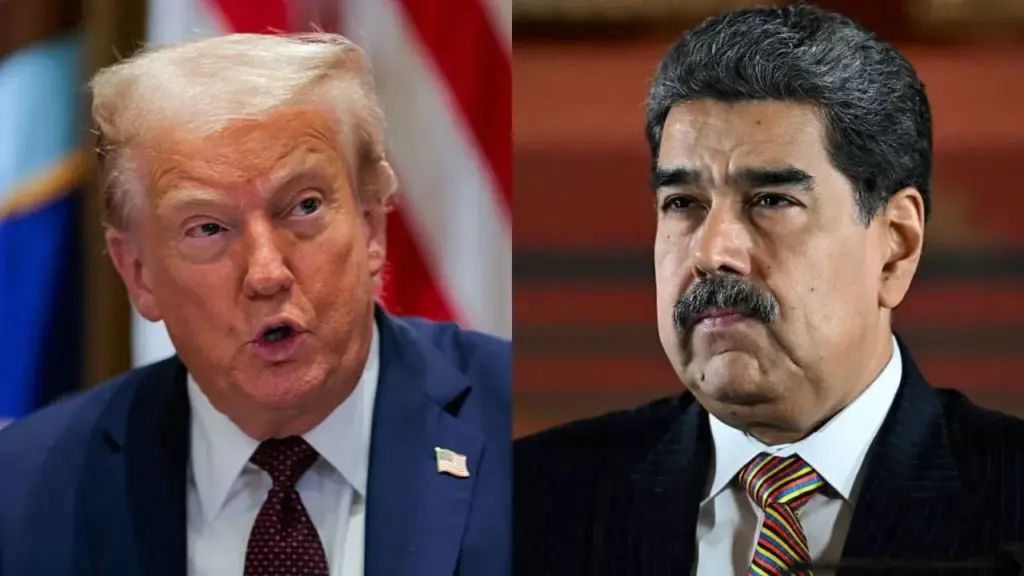
The recent Trump Maduro Raid marks a pivotal moment in the ongoing Venezuela political crisis, showcasing Donald Trump’s unabashed approach to U.S. foreign policy and military intervention. This operation, aimed at dismantling Maduro’s authoritarian regime, has profound implications not only for Venezuela but also for global politics. By ordering the U.S. military to capture the Venezuelan leader, Trump has signaled a readiness to pursue regime change through direct action. As the Maduro regime’s collapse looms, analysts are left to ponder what this aggressive stance means for the future of democracy in the region and beyond. The raid has reignited discussions about U.S. engagement in Latin America and whether such tactics could reinforce or ultimately hinder efforts toward stability and peace.
The operation against Nicolás Maduro by Trump’s administration represents a significant shift in tactics against authoritarian leaders worldwide. Often described as a military coup, this intervention highlights America’s historical role in seeking regime change, particularly in Latin America. The unilateral decision to deploy military action raises critical questions about sovereignty and the international norms surrounding intervention. As the dust settles in Venezuela, observers must grapple with the potential consequences of such actions—could this precedent embolden other nations to pursue similar tactics in their conflicts? Or will this lead to unforeseen instability and violence, further complicating the already fragile political landscape in the region?
The Implications of Trump’s Maduro Raid on Global Politics
Trump’s Maduro Raid signifies a bold stance not just against Venezuela but also against the established norms of international diplomacy. By orchestrating the arrest of Nicolás Maduro, the U.S. has set a potentially dangerous precedent for how nations intervene in the affairs of one another—particularly authoritarian regimes. This approach could reinforce the perception that military interventions are a viable method for resolving political crises, potentially igniting similar actions in other regions where powerful nations have vested interests.
Moreover, the political landscape is deeply intertwined with economic motivations, particularly regarding resource-rich countries like Venezuela. The seizure of power by the U.S. may attract criticism from other global powers that view this as an encroachment on sovereignty, potentially provoking retaliatory measures. As nations like China and Russia watch the developments closely, the ramifications of U.S. foreign policy decisions may provoke a re-evaluation of alliances and provoke tensions in already volatile areas like the South China Sea or Eastern Europe.
U.S. Foreign Policy and Regime Change: Historical Context
The recent actions in Venezuela resonate with a long history of U.S. foreign policy that often embraces regime change under the guise of restoring democracy or combatting authoritarianism. The repercussions of these policies span decades, with interventions in countries like Iraq and Libya often resulting in chaos rather than stability. Critics argue that the U.S.’s track record reveals a tendency to prioritize strategic interests over genuine democratic principles, thus shaping an image of imperialism rather than true advocacy for human rights.
The concept of regime change, framed by the slogan of ‘bringing democracy,’ has repeatedly shown short-lived success. The fear remains that even with the fall of Maduro and the push for a new Venezuelan leadership, the aftermath may lead to further conflict. Should the Maduro regime collapse, various factions vie for power could emerge, further destabilizing the country and impacting U.S. interests in the region, as armed groups and corrupt military officials resist external control.
Military Intervention and Its Aftermath: Lessons Learned from History
As the U.S. moves to intervene militarily in Venezuela, the broader implications echo with the mistakes of past interventions in countries like Iraq and Afghanistan. Both instances demonstrate that the initial military success can quickly devolve into protracted conflict, instability, and humanitarian crises. The reliance on military might to enforce regime change often results in fractured nations, where diverse and possibly hostile factions battle for power, leaving civilians to bear the brunt of violence.
Trump’s military hawkishness therefore raises critical questions: Can the U.S. effectively govern foreign nations after overtaking their leadership? The experiences in Iraq and Libya suggest that military intervention might not yield a stable democratic governance structure, and the resulting chaos could transform into a humanitarian disaster that requires even more military and financial resources, ultimately complicating U.S. foreign policy further.
The Role of International Law in Trump’s Actions
The legality of Trump’s decision to seize control of Venezuela raises significant questions about international law and the sovereignty of nations. By advocating for military intervention without the backing of international institutions like the United Nations, Trump seems to dismiss the established rules that govern state actions and diplomacy. Legal scholars and international relations experts warn that such actions not only undermine the integrity of global governance mechanisms but also set precedents that could justify future aggressive actions by other nations.
China’s condemnation of the U.S. actions underscored a critical point: the U.S. stance may embolden other regimes to operate under similar justifications in their geopolitical ambitions. If the norm against intervention is eroded, nations like Russia and China might invoke the same rationale for their interests, leading to a potential increase in global instability, particularly in regions where authoritarian regimes similarly seek to suppress dissent and consolidate power.
The Economic Implications of U.S. Control Over Venezuelan Resources
The U.S. intervention in Venezuela inevitably ties into the rich mineral wealth that the country possesses, particularly its vast oil reserves. Trump’s directive to ‘take out a tremendous amount of wealth’ from Venezuela sounds less like a promise of aid and more like a strategic maneuver for economic gain. This raises concerns about U.S. intentions in providing genuine assistance, as history shows that nations often prioritize their economic interests over the humanitarian needs of the countries they intervene in.
Such financial motivations can further complicate post-intervention scenarios. The expectation of extracting wealth may lead to resentment among Venezuelans who, despite welcoming the removal of Maduro, may grow wary of foreign influence rooted in profit. The fallout could manifest in civil unrest as citizens demand local governance, sovereignty, and equitable sharing of resources among the populace rather than the exploitation by external powers.
The Impact on Regional Power Dynamics in Latin America
The U.S. intervention in Venezuela is likely to reverberate through the Latin American region, shaking the existing power balance as countries reassess their relationships with both the U.S. and their neighbors. Nations such as Colombia and Cuba, which have historically played significant roles in regional politics and dynamics, may find themselves pressured to align under U.S. influence or face the repercussions of dissent. The immediate effects could entail increased tensions as regional leaders respond to the U.S. directive and establish their diplomatic narratives.
Furthermore, Trump’s actions can be seen as a call to arms for authoritarian regimes in the region to consolidate their power and resist U.S. influence. As the U.S. implements strategies to fend off potential challenges from countries like Mexico and Colombia, Latin America may become a battleground for rivalries and ideological confrontations. Leaders in these nations might feel compelled to strengthen their domestic policies or seek alliances with anti-U.S. factions as a countermeasures to U.S. interventionist strategies.
Domestically, Trump’s Decisions Inspire Mixed Reactions
In the U.S., Trump’s Maduro raid has prompted diverse reactions, ranging from strong support among his base to stern criticism from opposition groups and international observers. Advocates of the operation argue that it embodies a steady commitment to combating authoritarianism, positioning the U.S. as a leader in promoting democracy abroad. However, critics claim that this attempt at intervention overlooks the complex realities of Venezuelan society and undermines the potential for a homegrown political solution, instead serving American interests.
Amidst the political tumult, there remains a looming fear of public fatigue with foreign military engagements. Past military operations have seen diminishing public support as long-term consequences overwhelm initial triumphs. As voices against intervention grow louder, the debate around whether these foreign policy choices are truly beneficial for American interests or ethical stands against injustice continues to fuel national discourse on U.S. foreign policy.
The Venezuelan People’s Response to U.S. Intervention
The Venezuelan population’s reaction to U.S. intervention is fraught with complexity, as many citizens may feel torn between their desire for freedom and concerns about foreign interference. While the removal of an authoritarian figure like Maduro might elicit a sense of relief and hope for democracy, there remains a palpable skepticism about the motives behind U.S. actions. The fear of becoming a pawn in a larger geopolitical game could fuel resentment among citizens who wish to retain their autonomy.
As various factions emerge in Venezuelan society, the challenge of transitioning from an authoritarian regime to a functioning democracy could exacerbate tensions. Many Venezuelans may advocate for homegrown solutions rather than reliance on U.S. military presence, leading to potential divisions within the country as nationalist sentiments clash with the optimism of an intervention that promises change.
The Future of U.S.-Latin American Relations Post-Maduro Raid
In the wake of Trump’s Maduro raid, the future of U.S.-Latin American relations hangs in the balance. The precedent set by such a direct intervention may reshape diplomatic ties, with smaller nations contemplating their allegiances to the U.S. or turning towards alternative powers like China and Russia for support and protection. As the geopolitical landscape shifts, Latin American leaders may find themselves at a crossroads, deciding how best to navigate the resultant dynamics with the U.S. and their immediate regional environment.
Additionally, the perception of U.S. interventionism may signal a reevaluation among Latin American countries on their policies and relationships with external powers. Nations once aligned with U.S. interests may seek to distance themselves to avoid potential U.S. backlash, leading to a realignment of political dynamics in the region. The implications of Trump’s actions are likely to reverberate for years, necessitating a careful and strategic approach to maintain regional stability.
Frequently Asked Questions
What was the significance of Trump’s Maduro Raid in the context of U.S. foreign policy?
Trump’s Maduro Raid marked a pivotal moment in U.S. foreign policy, demonstrating America’s willingness to utilize military intervention for regime change in Venezuela. This operation underscores a shift towards a more assertive approach, deviating from traditional diplomatic methods to address the authoritarian regime of Nicolás Maduro, which is often characterized by human rights violations and electoral fraud.
How does the Trump Maduro Raid affect the Venezuelan political crisis?
The Trump Maduro Raid potentially accelerates the Venezuelan political crisis by destabilizing existing power structures. While the removal of Maduro might appease opposition supporters initially, the subsequent power vacuum could lead to violent chaos and competition among armed factions, as historical precedents in other nations suggest.
What are the implications of Trump’s military intervention in Venezuela for authoritarian regime change globally?
Trump’s military intervention in Venezuela could embolden other authoritarian regimes by setting a precedent where the U.S. asserts military authority over sovereign nations. This action raises fears of escalating global conflict, as it challenges the principles of international law, potentially inviting similar responses from countries like China regarding Taiwan or Russia regarding Ukraine.
What potential consequences may arise from the Trump Maduro Raid on Venezuela’s stability?
The Trump Maduro Raid raises concerns about Venezuela’s future stability. While the immediate goal was to topple Maduro, experts warn that without a solid political plan in place, the state may descend into chaos among various factions, echoing past U.S. interventions that resulted in long-term instability and suffering for local populations.
How does Trump’s view of Venezuela’s resources play into U.S. foreign policy and military intervention?
Trump’s rhetoric around Venezuela’s mineral wealth indicates a strategic interest in U.S. foreign policy that intertwines economic motivations with military intervention. His statements about extracting wealth from Venezuela post-intervention suggest that reclaiming resources may drive future U.S. actions in the region, mirroring past exploitative interventions.
What lessons can be learned from the military intervention in Venezuela regarding American diplomacy?
The military intervention in Venezuela illustrates that reliance on force, rather than diplomatic solutions, often brings unintended consequences. Historical patterns show that U.S. interventions can lead to prolonged conflicts and instability, suggesting that diplomatic engagement should remain a priority to foster sustainable political resolutions.
What does the Trump Maduro Raid signal about U.S. military engagement in Latin America?
The Trump Maduro Raid signals a potential resurgence of direct U.S. military engagement in Latin America, reminiscent of past interventions. This approach raises questions about America’s commitment to non-interventionist principles and could lead to escalating tensions with both regional and global powers that oppose U.S. actions.
How might the actions taken during the Trump Maduro Raid influence U.S. relations with China?
The Trump Maduro Raid complicates U.S.-China relations, as China condemned the intervention, viewing it as a violation of international law and sovereignty. This could lead to increased geopolitical tensions, with China potentially reaffirming its stance on Taiwan in response to the precedent set by U.S. military actions in Venezuela.
In what ways could the response to the Trump Maduro Raid shape future U.S. foreign interventions?
Responses to the Trump Maduro Raid may shape future U.S. foreign interventions by creating a framework for justifying military actions against perceived threats. If other nations witness the U.S. act without major consequences, it could embolden both aggressive military postures and the legitimization of force as a viable diplomatic tool.
How does the Trump Maduro Raid challenge international law?
The Trump Maduro Raid challenges international law by setting a precedent for unilateral U.S. military action in foreign nations under the guise of law enforcement. This practice undermines the established norms of sovereignty and international consensus, raising alarms about the potential erosion of global order and the legitimacy of international legal frameworks.
| Key Point | Details |
|---|---|
| Military Intervention | Trump’s military action against Maduro represents a significant use of U.S. military power, symbolizing a new era of interventionism. |
| Political Implications | The operation could set a precedent for authoritarian powers globally, potentially re-shaping the diplomatic landscape in Latin America. |
| Historical Context | Previous U.S. interventions have often led to instability and chaos, raising concerns about the effectiveness of this strategy. |
| Economic Interests | Trump’s motivations are speculated to include a desire to control Venezuela’s mineral wealth and oil resources. |
| International Law | The operation raises significant questions about violations of international law and the sovereignty of nations. |
| Global Reactions | China and Venezuela condemn the U.S. action, warning it undermines international law and threatens regional stability. |
| Future Consequences | The precedent set may embolden other nations to act similarly, particularly China regarding Taiwan. |
Summary
The Trump Maduro Raid marks a pivotal moment in U.S. foreign policy, demonstrating President Trump’s willingness to leverage American military might to reshape regimes in Latin America. This operation sends shockwaves through international relations, as it poses risks of escalating conflicts and challenges to established norms of sovereignty and international law. As the world watches closely, the implications of this raid could resonate far beyond Venezuela, potentially inspiring authoritarian regimes and affecting geopolitical dynamics across the globe.

