
Listen to this article
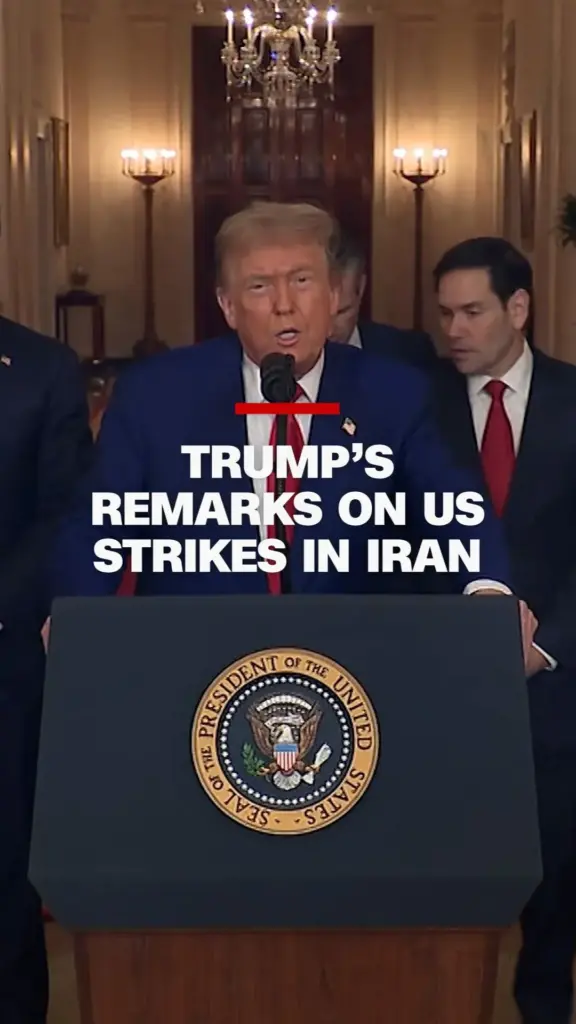
The recent military strikes ordered by former President Trump against Iran have escalated tensions in the Middle East, highlighting the fragile state of US-Iran relations. These actions, which resulted in the targeted killing of Iranian leader Ayatollah Ali Khamenei, have led to retaliatory strikes from Iran across the Gulf, sparking fears of a broader conflict. As discussions surrounding Iran military actions continue, it’s evident that Trump’s foreign policy aims to assert U.S. dominance in the region, despite previous commitments to avoid military entanglements. The aftermath of these events raises questions about the legitimacy of such actions and their implications for the ongoing US-Iran conflict. With Middle East tensions simmering, observers are left to wonder how far Trump’s administration will go in its pursuit of perceived threats from Iran.
In light of the recent developments involving the military engagement by the United States, the situation in Iran has become increasingly precarious. Trump’s aggressive approach to foreign relations, particularly in relation to Iran, has prompted various military responses and sparked concerns about potential retaliation strikes from Iranian forces. The dynamics of the US-Iran conflict indicate a complex web of strategic maneuvers, with Trump’s foreign policy impacting both regional stability and international relations. Analysts warn that these actions could exacerbate existing tensions in the Middle East, as neighboring countries react to the unfolding drama. As the narrative evolves, the implications of Trump’s decision-making on international peace and security remain a critical topic for discussion.
Trump’s Military Actions in Iran and Their Global Implications
The recent military actions led by President Trump in Iran have raised eyebrows across the globe, especially after the targeted strikes resulted in the death of Ayatollah Ali Khamenei. This escalation in the US-Iran conflict marks a significant turning point, suggesting that Trump is willing to embrace controversial military interventions as part of his foreign policy. Such actions may be perceived as an attempt to demonstrate strength, but they simultaneously increase tensions in an already volatile Middle East. As the world watches these developments, analysts warn of the potential fallout not only for the involved countries but for US relations with its allies in the region as well.
In the wake of these strikes, Iran has already begun its retaliation, targeting Gulf countries such as the UAE, Qatar, and Saudi Arabia. This retaliatory action further complicates the geopolitical landscape and escalates the risk of a wider conflict. With Trump’s military strikes on Iran, the longstanding fears surrounding nuclear development and regional instability are once again thrust into the spotlight. It begs the question: are military solutions the answer to the complexities of US-Iran relations, or will they merely lead to further conflict?
Understanding the Roots of US-Iran Conflict
The US-Iran conflict has deep roots, dating back several decades, and is fueled by a myriad of factors, including historical grievances and conflicting ideologies. The US has long viewed Iran’s military actions and rhetoric as a direct threat to its interests in the region. President Trump’s foreign policy, characterized by a push against Iran’s nuclear ambitions and military influence, underscores a hardline stance that complicates diplomatic efforts. Despite diplomatic negotiations aimed at curbing Iran’s nuclear capabilities, recent military actions seem to overshadow any progress that had been made, reflecting a troubling trend of aggression rather than dialogue.
Karin von Hippel’s remarks on Trump’s motivations underscore the notion that his administration’s strategies may over-simplify a complex situation. By framing Iran as the aggressor, Trump seeks to justify military strikes as necessary responses to longstanding hostilities, such as the chanting of ‘death to America’ by Iranian factions. However, these rhetorical strategies raise concerns about a lack of genuine strategies to achieve lasting peace in the region. The resulting military interventions could inadvertently destabilize both Iran and neighboring Gulf states, leading to a chaotic scenario rather than a resolution of hostilities.
The Consequences of Targeted Strikes
The consequences of targeted strikes within Iran are multifaceted and far-reaching. On one hand, eliminating key figures within the Iranian regime might seem like a strategic win for the Trump administration; however, history shows that such actions often lead to unpredictable outcomes, including power vacuums and civil unrest. The lack of organized opposition within Iran raises concerns that any governmental collapse may not lead to a favorable regime change but rather to chaos and further violence, reminiscent of past interventions in Iraq and Libya.
As evidenced in various historical conflicts, including Panama and Kosovo, military interventions frequently exacerbate existing tensions rather than resolve them. The chaos that follows such aggressive actions can increase the likelihood of retaliation, as seen in recent Iranian strikes against UAE and Saudi Arabia. Thus, while targeted strikes may be presented as necessary for national security, they can also be fertile ground for further instability—a situation that would not only affect the Gulf region but could reverberate through the entire Middle East, complicating relationships between the US and its allies.
Iran’s Response: Retaliation or Resilience?
The recent military actions against Iranian leadership have prompted a significant response from Iran, illustrating the complexities of regional power dynamics. Iran’s ability to retaliate signals not only military capability but also a resilience born from decades of external pressures and internal dissent. While immediate strikes have been reported in several Gulf nations, the strategic calculus for Iran involves more than mere retaliation—it speaks to a broader narrative of national identity and resistance to foreign intervention. This ongoing cycle of strike and counter-strike elevates tensions and showcases Iran’s determination to stand firm against perceived aggressions.
Moreover, the nature of Iran’s response may also impact its internal politics. As external pressures mount, the regime’s narrative of defending national sovereignty against foreign aggression can bolster domestic support. However, as analysts debate the likelihood of organized opposition or potential grassroots uprisings, the potential for internal chaos post-retaliation becomes a critical concern. Without a clear opposition leader or movement capable of stepping into a power vacuum, the future of Iran remains uncertain, with risks that could destabilize the entire Gulf region.
Implications for US Foreign Policy in the Middle East
Trump’s recent military engagements in Iran signify a potentially monumental shift in US foreign policy within the Middle East. The administration’s willingness to use military strikes raises questions about its approach to diplomacy, particularly as it relates to longstanding conflicts. Critics argue that Trump’s foreign policy favors militarization over dialogue, a strategy that may further entrench divisions rather than foster cooperation among nations. As tensions escalate, US allies in the region are left to navigate the fallout, potentially shifting their own policies towards a more cautious and independent stance.
The historical context of US involvement in the region plays a critical role in understanding the current state of affairs. Trump’s actions draw parallels to past interventions that have frequently resulted in unintended consequences, including regional instability and anti-American sentiments. As discussions surrounding the future of US-Iran relations unfold, the need for a balanced approach that prioritizes diplomatic resolutions over military actions becomes increasingly evident. The trajectory of US foreign policy bears significant weight on the overall stability of the Middle East and the future of US relations in the region.
Historical Context of Military Engagements in Iraq
Historically, military engagements in Iraq have left deep scars on regional stability, as evidenced by the US-led invasion in 2003. This intervention, framed as a necessary response to weapons of mass destruction, ultimately spiraled into a prolonged conflict characterized by insurgencies and vast humanitarian crises. The aftermath of such military operations often leads to scenarios wherein control is lost, creating chaos for both the local population and intervening forces. The parallels to Trump’s current military strategies in Iran cannot be ignored, as they may similarly invite complex and chaotic consequences.
Furthermore, the lessons from Iraq raise crucial questions about America’s approach to foreign interventions. The grim outcomes observed during the Iraq War suggest that military actions may not lead to a straightforward resolution of conflicts but instead foster prolonged instability. As Trump’s military strategies unfold, it will be essential for policymakers to learn from these historical precedents to avoid repeating the same mistakes. The challenge lies in balancing strong military posture with diplomatic initiatives to ensure the region does not repeat the cycle of conflict and chaos, which has marked the last two decades.
The Potential for Democratic Movements Amidst Military Action
In light of military strikes against Iranian leadership, the potential for democratic movements within Iran becomes a focal point for analysts and policymakers alike. While the hope for a grassroots uprising seems appealing, the reality is often complicated by the absence of identifiable opposition leaders capable of rallying public support. Ms. Maddox’s insights underscore the inherent challenges faced by any movement seeking to enact change in a deeply entrenched regime. The specter of military force might indeed inspire hope for reform; however, it could just as easily lead to increased repression and chaos.
The historical context surrounding Iran’s political landscape reveals that external pressures often complicate internal dynamics, with regime stability appearing resistant to violent interventions. As analysts continue to evaluate the landscape, caution is warranted against the expectations that military strikes will naturally lead to democratization. Instead, it highlights the necessity of comprehensive strategies that promote diplomatic engagement, community-building, and support for civil society within Iran. Only through a nuanced understanding of these dynamics can meaningful progress toward democracy be forged amidst the chaos of military actions.
The Gulf Region’s Response to Escalating Tensions
As tensions escalate due to Trump’s military actions against Iran, the responses from Gulf nations are critical to understanding the evolving geopolitical landscape. Countries such as Saudi Arabia and the UAE, which have historically aligned with US interests, are now grappling with the implications of increased hostilities in the region. The threat of Iranian retaliation places these nations in a precarious position, forcing them to reconsider their own military and diplomatic strategies in relation to both the US and Iran.
Moreover, the tension reflects broader concerns regarding regional security and economic stability. With the Gulf’s economic models heavily dependent on oil production and exports, the threat of conflict poses significant risks. As these countries navigate their relationships with the US amid growing uncertainty, they are likely to pursue more independent foreign policy decisions, potentially distancing themselves from Washington. The need for a coordinated approach to manage the risks posed by Iranian military actions becomes paramount, as regional stability hinges on the ability to address the underlying causes of conflict rather than simply responding to provocations.
Projections for Future US-Iran Relations
Looking ahead, the future of US-Iran relations remains fraught with uncertainty as the impacts of recent military actions unfold. The trajectory of these relations will undoubtedly be influenced by the responses of both nations to continued provocations and the broader context of regional tensions. Trump’s current strategy appears to prioritize military posturing, which may alienate potential diplomatic avenues needed for de-escalation. As both countries navigate this perilous landscape, the need for nuanced dialogue will be pivotal in shaping future engagements.
In projecting future relationships, one must consider the global ramifications of these military actions. As nations like China and Russia observe and react to US strategies in the Middle East, they may find opportunities to exert influence and bolster their own interests in the region. This broader geopolitical context necessitates a careful reassessment of the US’s approach, balancing military readiness with serious diplomatic efforts. Only through addressing the complexities of US-Iran relations can a foundation for stability—rather than further conflict—be established.
Frequently Asked Questions
What were the key reasons behind Trump’s recent military strikes in Iran?
Trump’s military strikes in Iran were often justified by claims of Iran’s threats toward the US, including their historical chants of ‘death to America’ and alleged attacks against Americans in Iraq. These actions are seen within the context of ongoing US-Iran conflict and Middle East tensions, fueling debate over the legitimacy of Trump’s foreign policy decisions.
How has Iran responded to the US military strikes under Trump’s administration?
In retaliation to the US military strikes, Iran launched strikes on several Gulf countries including the UAE, Qatar, and Saudi Arabia. This has escalated the US-Iran conflict, further complicating the geopolitical landscape and raising concerns about regional stability.
What impact did Trump’s military strikes have on Middle East tensions?
Trump’s military strikes against Iran significantly heightened Middle East tensions, as they sparked immediate retaliation and fears of a broader conflict. Experts suggest that the unpredictability of Trump’s foreign policy has created an environment of instability that could lead to more violent confrontations.
Did Trump’s military actions in Iran lead to any significant political changes there?
Despite major military actions, experts indicate there is no organized opposition in Iran ready to take charge. Instead, the aftermath may lead to chaos rather than a smooth transition to democracy, reflecting the complexities of the US-Iran relationship and the challenges of foreign intervention.
What predictions have analysts made about the future of US-Iran relations following Trump’s military strikes?
Analysts predict that the future of US-Iran relations may be marked by ongoing tensions and destabilization, particularly as Gulf countries begin distancing from the US. While an all-out war is deemed unlikely, the potential for continued military actions and retaliatory strikes remains high.
How has public opinion been shaped by Trump’s strikes against Iran?
Public opinion varies widely in response to Trump’s strikes against Iran, with some supporting the need for a tough stance on military actions, while others are concerned about unintended consequences, including escalated conflict and humanitarian crises in the region. The complexity of the US-Iran conflict continues to dominate discussions.
What role does military equipment deployment play in Trump’s foreign policy regarding Iran?
The deployment of military equipment in the region is seen as a strategic move to signal US intentions and readiness to respond to threats posed by Iran. It reflects Trump’s approach to using military show-of-force as a core aspect of his foreign policy, seeking to maintain pressure on Iran during rising tensions.
How did analysts assess Trump’s foreign policy tactics regarding Iran’s nuclear ambitions?
Analysts critique Trump’s foreign policy tactics as reactive and somewhat erratic regarding Iran’s nuclear ambitions. They note that while negotiations were originally underway to mitigate Iran’s nuclear capabilities, Trump’s militaristic approach has diverted from diplomatic efforts, complicating the resolution of long-standing tensions.
| Key Points |
|---|
| US President Donald Trump confirmed military strikes in Iran, resulting in the death of Ayatollah Khamenei. |
| Iran retaliated by launching strikes in Gulf states, including UAE, Qatar, Bahrain, and Saudi Arabia. |
| Former security expert characterizes Trump as a leader grasping for excuses to justify military action. |
| Concerns about Iran’s nuclear threat have been long-standing, with ongoing negotiations for control. |
| Predictions of chaos and looting in the event of regime destabilization, as seen in past conflicts. |
| The military buildup in the region signals Trump’s intentions, making his actions somewhat predictable. |
| Iran’s opposition remains fragmented, complicating any potential leadership transition. |
Summary
Trump Iran military strikes have stirred a wave of international concerns and local instability. The recent strikes led to significant escalations with Iran responding aggressively across the Gulf. Analysts suggest that while the military response from the US may provide a temporary measure, it could set off a chain of chaotic events, particularly with the current lack of any unified opposition in Iran. As tensions rise, the risk of destabilization not only in Iran but throughout the region looms large, raising serious questions about the long-term implications of Trump’s military decisions.