Listen to this article
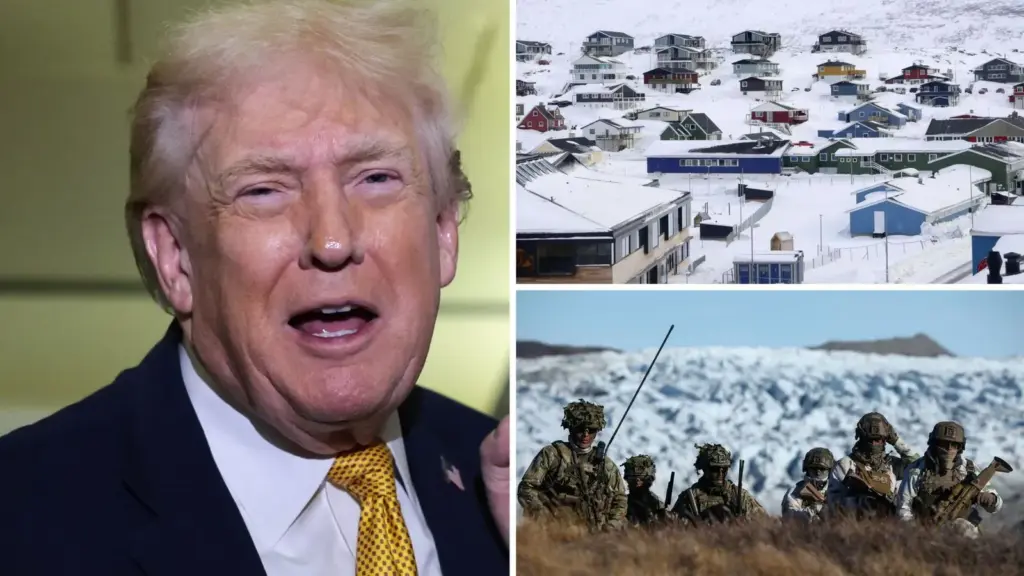
In the realm of international relations, the conversation around “Trump Greenland” has ignited passionate debates, particularly concerning US national security and the future of Greenland as a pivotal territory. President Donald Trump’s comments on Greenland have stirred tensions, as he emphasizes the need for America to enhance its foothold in this semi-autonomous Danish region to deter influences from Russia and China. This perspective aligns with his vision of safeguarding NATO’s Arctic security, fueling discussions regarding the importance of Greenland on the global stage. Notably, Trump’s focus on Greenland intersects with broader themes in US-Denmark relations, reflecting the complexities of territorial governance and military strategy. As Denmark maintains its stance that Greenland is not for sale, the dialogue continues to raise questions about potential military implications and the hypothetical discussions of a Greenland invasion.
The topic of Greenland’s geopolitical significance has gained traction, particularly in light of recent statements by President Trump regarding its strategic value to the United States. This discussion revolves around the Danish territory’s role in broader military and diplomatic agendas, as well as the implications of maintaining security in the Arctic. The emphasis on Greenland’s resources and its geographical positioning highlights why it remains a focal point in national and international security discussions. Furthermore, the precarious nature of US-Denmark relations under Trump’s administration adds layers to the conversation about NATO’s presence and the governance of the Arctic. In sum, the conversation surrounding Greenland isn’t just about land; it’s a complex narrative tied to power dynamics, resource management, and global security.
Trump’s Strategic Comments on Greenland
Recently, President Donald Trump has made noteworthy comments regarding Greenland, a territory currently under Danish control. His assertion that the U.S. needs to ‘own’ Greenland comes in the wake of heightened concerns about Russian and Chinese influence in the Arctic region. This focus on Greenland reflects broader discussions around U.S. national security and the strategic importance of the area. Additionally, Trump’s directness has sparked debates about the implications of such statements for U.S.-Denmark relations.
The notion of acquisition, whether through negotiation or otherwise, has raised eyebrows and conversations about the legality and ethics of territorial claims. Trump’s comments are seen as a potential reflection of the United States’ ambitions in Arctic governance, especially regarding NATO Arctic security. With Denmark maintaining that Greenland is not for sale, the ongoing dialogue will be pivotal in shaping the future of international relations in the Arctic.
NATO’s Role in Arctic Security
NATO’s involvement in Arctic security has become crucial as global powers jockey for position in the region. The Arctic is not just a geographical area; it is a theater of geopolitical interest, especially with regards to the increased military activities of Russia and the implications of climate change making previously inaccessible areas more navigable. The discussions led by Secretary of State Marco Rubio are expected to emphasize collaboration with Danish authorities and reaffirm NATO’s commitment to collective defense in the face of external threats.
As the Arctic becomes an increasingly contested space, discussions among NATO allies highlight the necessity for preparedness against potential aggressions, particularly from Russia. Recent statements by UK officials reinforce that the situation in Greenland is indeed tied to broader NATO collective security strategies. The efforts to enhance security include not only military presence but also cooperative intelligence sharing, which is vital to preempting any future transgressions into this strategically vital maritime zone.
The Importance of Greenland’s Natural Resources
Greenland is rich in natural resources, which have become even more accessible as climate change continues to alter the landscape. The allure of rare earth minerals, uranium, and potential oil reserves has drawn attention from various global players, with the U.S. expressing particular interest in these resources. Trump’s administration’s focus on Greenland’s resources underlines a strategic imperative as military presence becomes intertwined with economic considerations.
The U.S.’s stake in Greenland not only revolves around military strategy but also the competition for resources that will become increasingly vital in the global market. Greenland’s valuable minerals are crucial for technology and defense industries, leading to discussions about securing these resources against outside influences, particularly from China and Russia. This reality accentuates the need for a careful diplomatic approach to ensure that Greenland remains under stable governance while navigating international interests.
Impacts of Trump’s Statements on US-Denmark Relations
Trump’s comments regarding Greenland have undoubtedly strained US-Denmark relations. Both countries have enjoyed a good rapport historically, but the idea of American territorial claims brings a certain level of uneasiness. Danish officials have been vocal in affirming that Greenland is not for sale, which places a clear barrier against any notion of forced acquisition. The commentary from Lord Mandelson reinforces the need for diplomatic channels to alleviate fears and enhance cooperation.
Further complicating this dynamic is the public sentiment in Denmark, where a significant percentage worries about the possibility of U.S. military action toward Greenland. This apprehension highlights that while national security is paramount, how these messages are communicated plays a crucial role in international diplomacy. Strengthening US-Denmark relations requires acknowledging these concerns while focusing on collaboration in Arctic issues that align interests without undermining sovereignty.
Public Opinion in Denmark Regarding US Involvement
Public opinion plays a pivotal role in shaping the dialogue around US involvement in Greenland. Recent polls indicate that a portion of the Danish population feels apprehensive about the idea of a U.S. invasion, notwithstanding Trump’s reassurances that military action is not on the agenda. This apprehension reflects broader concerns about national security and fear of becoming a pawn in great power politics, particularly concerning the roles of Russia and China in the Arctic.
The striking perspectives shared by Danish leaders, who emphasize control over their territory, are vital to understanding the complex landscape. Widespread public skepticism about U.S. intentions could lead to heightened feelings of nationalism, further complicating diplomatic relations. It is essential for both countries to engage transparently and sensitively to build trust and work collaboratively on security issues while respecting Greenland’s unique position.
Lord Mandelson’s Perspective on Trump’s Arctic Strategy
Lord Mandelson’s insights into Trump’s political maneuvering regarding Greenland provide a unique perspective on how international relations are viewed by seasoned diplomats. His commentary underscores that while Trump’s directness might seem blunt, it can also be interpreted as a strategic tactic intended to navigate complex geopolitical waters. Mandelson points out that any threat of military action is likely tempered by the understanding that such actions could jeopardize the stability of NATO.
This assertion highlights the delicate balance that leaders must strike between assertiveness and diplomacy, particularly concerning the Arctic’s national security implications. Mandelson’s analysis reflects a broader concern among former ambassadors and political analysts about the potential fallout from bellicose rhetoric in international affairs, particularly around Greenland’s crucial geography that serves as a point of strategic interest for both allies and adversaries.
Military Presence in Greenland: Current Status and Future
The existing military presence in Greenland is a reflection of the U.S.’s longstanding commitments to national security. Under current agreements with Denmark, the U.S. has significant latitude to station troops and equipment in Greenland, which strategically positions them in the Arctic. This capability is essential for monitoring activities and ensuring the region remains stable amid growing military posturing from Russia.
Moving forward, it is likely that discussions on enhanced military readiness will intensify, especially as the U.S. and its NATO allies respond to the evolving security landscape. The emphasis on maintaining a forward base in Greenland will not only serve as a deterrent but also strengthen U.S. influence in Arctic negotiations, reinforcing the importance of cooperation with Denmark in securing stability in this geopolitically sensitive area.
Environmental Considerations Amidst Geopolitical Interests
Amid the geopolitical interests surrounding Greenland, environmental considerations cannot be overlooked. The rapid melting of Arctic ice due to climate change is reshaping the region, presenting new opportunities for resource extraction that come with significant ecological risks. As nations like the U.S., Russia, and China vie for position, the environmental impact of these pursuits could have lasting consequences for both Greenland’s indigenous populations and its pristine ecosystems.
It is crucial for leaders to navigate these discussions with a commitment to sustainability and respect for the environment. International collaboration, especially within frameworks like NATO, will be necessary to establish guidelines that mitigate ecological damage while addressing security concerns in the Arctic. The intersection of national security and environmental stewardship in Greenland represents a complex challenge that necessitates comprehensive dialogue among all stakeholders.
The Future of Greenland and Arctic Governance
The future of Greenland’s governance is at a critical juncture, balancing self-determination with international interests, particularly from major powers. The dialogue surrounding Trump’s comments emphasizes the importance of fostering a framework in which Greenlandic governance is respected while ensuring that the territory is not exploited for strategic gain. This balance is essential for maintaining peaceful relations and securing Greenland’s autonomy.
As global interest in the Arctic will only continue to grow, it is imperative that both the U.S. and Denmark work collaboratively with Greenland’s leaders. Proactive measures involving inclusive governance and sustainable development can help ensure that Greenland benefits from its strategic location without compromising its sovereignty or environmental integrity. The security, political, and economic frameworks established today will have lasting impacts on Greenland’s role in the Arctic region.
Frequently Asked Questions
What did Trump say about Greenland and its strategic importance?
Trump has emphasized that Greenland is critical to US national security, claiming it could prevent Russian and Chinese influence in the Arctic. He has stated that the US needs to ensure it ‘owns’ Greenland to mitigate security risks associated with foreign presence in the region.
How do Trump’s comments on Greenland affect US-Denmark relations?
Trump’s comments on Greenland have sparked significant discussion about US-Denmark relations. Denmark has firmly stated that Greenland is not for sale, asserting national sovereignty over the territory. This has caused tensions, especially as Trump’s focus is linked to broader NATO Arctic security concerns.
What concerns have been raised regarding a potential US invasion of Greenland?
Concerns about a potential US invasion of Greenland have been raised, especially following a Danish poll indicating that 38% of Danes believe military action could happen under the Trump administration. Lord Mandelson and other officials caution against such thoughts, emphasizing that any military action could jeopardize NATO alliances.
What is the significance of Greenland in terms of NATO Arctic security?
Greenland’s geographical location makes it vital for NATO Arctic security. The territory is ideal for missile early warning systems and monitoring naval activities in the region, thus playing a crucial role in the strategic defense against potential threats from Russia and China.
What are the natural resources in Greenland that interest the US?
Greenland is attracting attention for its natural resources, including rare earth minerals, uranium, and potentially significant reserves of oil and gas, which are becoming more accessible as climate change melts the ice. These resources could be pivotal for both US and global economic interests.
How has Trump’s administration planned to discuss Greenland with Denmark?
US Secretary of State Marco Rubio is scheduled to meet with Danish officials to discuss Greenland, focusing on cooperative governance and security issues, especially in relation to Russian and Chinese activities in the Arctic region.
What were Lord Mandelson’s views on Trump’s approach to Greenland?
Lord Mandelson has acknowledged Trump’s directness but affirmed that Trump is unlikely to pursue military action to take Greenland, as it poses significant risks to US national interests and could destabilize relations with NATO allies.
What is the stance of other UK leaders on Greenland and Trump’s comments?
Leaders in the UK have expressed differing views. Conservative leader Kemi Badenoch has labeled Greenland as a ‘second order’ issue, while Liberal Democrat leader Sir Ed Davey has advocated for joint NATO operations in Greenland, suggesting that Trump’s comments may inadvertently benefit adversarial nations.
| Key Point | Details |
|---|---|
| Trump’s Position on Greenland | Trump believes the U.S. should own Greenland to counter Russian and Chinese influence. |
| Greenland’s Sovereignty | Denmark and Greenland have affirmed that the territory is not for sale. |
| International Reactions | Lord Mandelson emphasizes Trump would not use military force to acquire Greenland. |
| Geopolitical Importance of Greenland | Greenland’s strategic location is crucial for U.S. military operations in the Arctic. |
| NATO’s Stance | The UK and NATO allies are collaborating to enhance security in the Arctic against threats from Russia and China. |
| Natural Resources in Greenland | Growing interest in Greenland’s natural resources as climate change renders them more accessible. |
| Controversies | Concerns about using military action to secure Greenland could endanger NATO relationships. |
Summary
Trump’s Greenland focus underscores a significant U.S. interest in the territory’s strategic value. While Trump asserts that owning Greenland is essential for national security, the commitment to sovereign borders is clear, as both Denmark and Greenland affirm that the land is not for sale. The international community remains vigilant, with NATO allies enhancing Arctic security and addressing the complex geopolitical implications of Trump’s statements on Greenland. A careful diplomatic approach is necessary to balance U.S. interests with the sovereignty of Greenland.