
Listen to this article
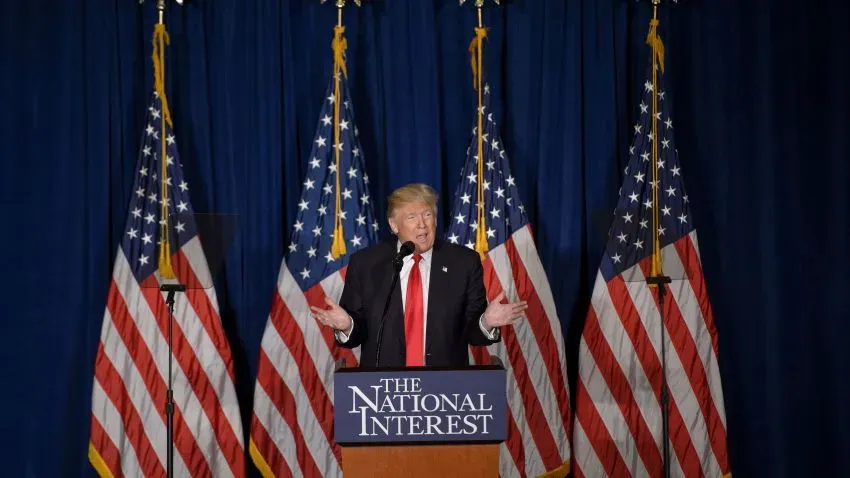
Trump foreign policy has emerged as a transformative force in international relations, redefining America’s role on the world stage. From his bold rhetoric to his controversial decisions, President Donald Trump’s approach has significantly disrupted the established global order. His assertion of an “America First policy” has set the tone for a new era of foreign diplomacy, especially in the context of NATO’s evolving dynamics. Additionally, his infamous declaration regarding Greenland, invoking the doctrine of manifest destiny, underscores his administration’s aggressive stance toward territorial acquisitions. As we navigate through international relations in 2023, the implications of Trump’s foreign policy continue to resonate, prompting nations to reconsider their alliances and strategies in this rapidly changing geopolitical landscape.
The recent shift in U.S. diplomatic strategies epitomizes the challenges faced in today’s global environment. With a focus on national interests over traditional partnerships, the approach often labeled as “Trump and NATO” has created ripples across various multilateral forums. In an age where international agreements are under scrutiny, the phrase “manifest destiny Greenland” signifies not just territorial aspirations but a broader challenge to existing norms. Countries are compelled to adapt swiftly, as they respond to the provocative maneuvers associated with the current leadership. Thus, the evolving concept of America’s global influence in 2023 reflects a tension between isolationism and engagement, fundamentally reshaping how nations interact with one another.
Trump’s Impact on Global Order
Since Donald Trump’s election, the global order has encountered significant shifts that evoke concern from leaders around the world. His administration’s departure from established diplomatic norms has raised questions about the stability of alliances formed post-World War II. Trump’s rhetoric, emphasizing an ‘America First’ policy, reflects a move away from multilateralism, potentially unraveling frameworks that have facilitated international cooperation for decades. Concerns about a solitary U.S. approach to foreign policy have been echoed by figures like French President Emmanuel Macron, who describes a world devoid of rules—underscoring the potential instability of global governance.
Moreover, the uncertainty surrounding Trump’s foreign policy extends to alliances such as NATO. By openly critiquing NATO and suggesting that allies should increase their military spending, Trump has stirred apprehension about collective security initiatives. The potential for America to retreat from its role as a security guarantor has profound implications—especially in the face of ongoing conflicts and threats from adversarial nations. As countries reassess their foreign policy strategies, the balance of power appears increasingly precarious, and the historic practices of international relations are being fundamentally challenged.
The ‘America First’ Doctrine
The ‘America First’ doctrine has become a cornerstone of Trump’s international engagement strategy, influencing how the United States interacts with allies and adversaries alike. Under this paradigm, Trump advocates for prioritizing American interests, even if it means jeopardizing long-standing partnerships. This has sparked a series of reactions across the globe, particularly among NATO allies who feel the pressure to conform to an agenda that appears antagonistic to collaborative defense efforts. Trump’s policy pushes nations to evaluate their own security strategies critically, prompting discussions about the legitimacy and durability of traditional alliances.
As Trump’s supporters rally behind this nationalist sentiment, it polarizes international relations further, complicating diplomatic negotiations and fostering an environment of distrust. For some nations, aligning with Trump’s vision offers a chance to gain favor while simultaneously challenging the principles of mutual aid that have characterized much of the 20th century’s geopolitical landscape. This shift may have lasting effects on global partnerships, with nations either choosing to adapt or risk marginalization in a burgeoning era of unilateralism.
The Future of NATO Under Trump’s Leadership
Under Trump, NATO has faced an existential crisis as President Trump questions its relevance and the commitment of member states. By calling for increased defense spending and expressing skepticism about Article 5—the principle of collective defense—Trump’s approach signals a departure from the consensus that has long been the bedrock of NATO’s unity. Members fear that without American support, their sovereignty could be compromised amid growing global threats such as those posed by Russia and China, challenging the very concept of a unified front within the alliance.
The ramifications of Trump’s NATO policy aren’t confined to military strategy alone; they also demand a reassessment of diplomatic relations across Europe and North America. Governments are now analyzing their contributions to ensure compliance with Trump’s fiscal expectations, leading to friction among allies. Such discord may ultimately encourage European nations to bolster their defense capabilities independently, reshaping the international landscape and leaving American leadership questioned in terms of global security stability.
The Role of Greenland in Trump’s Foreign Policy
Trump’s assertion of interest in Greenland illustrates a striking example of his unorthodox approach to international relations. By framing the potential acquisition of Greenland as an extension of ‘manifest destiny,’ he taps into historical narratives that echo American expansionism. This proposal raises eyebrows globally, with critics suggesting that such ambitions raise ethical concerns about sovereignty and the implications of land acquisition from friendly nations.
Internationally, the idea of pursuing Greenland has prompted reactions ranging from outright disbelief to serious inquiry among geopolitical analysts. Nations are wary of Trump’s intentions, pondering how the prospect of purchasing Greenland aligns with broader U.S. foreign policy objectives. As countries evaluate their diplomatic ties with Washington, the Greenland saga serves as a litmus test for Trump’s global strategy under the America First banner, with significant implications for future U.S. territorial and strategic pursuits.
International Relations in 2023: Navigating Uncertainty
The landscape of international relations in 2023 is defined by uncertainty as nations grapple with the fallout from Trump’s polarizing presidency and its impact on global norms. Nations must adapt quickly, recalibrating their diplomatic strategies while responding to the evolving interpretations of power and influence. As Trump continues to assert his influence through an America First approach, other countries are compelled to consider their positions in a multipolar world where traditional alliances and commitments may no longer hold the same weight.
This reconfiguration poses challenges for international institutions and alliances, as their roles are scrutinized and debated. Countries are seeking ways to innovate and maintain stability, despite the disjointed nature of Trump’s foreign policy. The call for a rules-based order is becoming more essential; leaders are faced with the task of preserving cooperative frameworks while adjusting to a landscape that threatens to spiral into isolationism and unilateralism.
Manifest Destiny and American Expansionism
The invocation of ‘manifest destiny’ in the context of Greenland and Trump’s foreign policy illustrates a revival of expansionist ideologies that date back to the 19th century. This concept not only signifies a historical justification for territorial expansion but also echoes sentiments of American exceptionalism, positioning the U.S. as a dominant force in international affairs. Trump’s rhetoric in promoting such an agenda raises critical questions about territorial integrity and the ethical implications of land acquisition from allied nations.
Through the lens of manifest destiny, Trump’s approach suggests a possible erosion of established diplomatic standards, where national interest is prioritized over historical partnerships and agreements. The reaction from both allies and adversaries signals an understanding that America’s ambition under Trump could lead to a renegotiation of what constitutes legitimate territory and influence. As nations anticipate the implications of this narrative, discussions surrounding sovereignty, ethics in foreign policy, and collective security frameworks take on renewed urgency.
Reactions from Global Leaders
As Trump reshapes U.S. foreign policy, global leaders are finding themselves in a position where they must adapt to his unpredictable style. Their reactions vary, as some leaders seek to align themselves with Trump to gain favor while others express outright resistance to his agenda. This complex dynamic illustrates the intricate balancing act that characterizes diplomatic relations in an era marked by a more assertive and isolationist America. The need for leaders to ingratiate themselves with Trump highlights the shifting power dynamics at play in international politics.
Additionally, high-profile international events have become stages for leaders to navigate these changing tides. The conflicting desires for collaboration and maintaining national sovereignty reveal deep-seated anxieties about an America that may not adhere to the norms established after World War II. Prominent figures worldwide are engaging in delicate diplomatic negotiations, aiming to mitigate the risks posed by Trump’s foreign policy and asserting their own nations’ independence and security needs amidst broader global upheaval.
Examining Trump’s Legacy in International Relations
The legacy of Donald Trump’s presidency is already shaping the discourse around international relations and diplomacy. Scholars and political analysts are questioning how his administration’s actions will influence the future of global governance, particularly regarding America’s role on the world stage. The ramifications of the America First policy, alongside Trump’s tendencies toward unilateralism, are poised to leave lasting marks on collaboration efforts and multilateral agreements, potentially leading to a fragmented global order.
As countries project their alliances forward, the lessons learned from Trump’s tenure may guide how they approach future leadership in U.S. politics. Both proponents and critics will continue to scrutinize his decisions, especially concerning international cooperation and conflict resolution practices. The unfolding narrative surrounding Trump’s foreign policy efforts presents an important case study on the complexities inherent in modern diplomacy and the evolving nature of statecraft in an increasingly interconnected world.
The Future of Global Cooperation
In the wake of the Trump presidency, the future of global cooperation remains uncertain as nations attempt to redefine their diplomatic strategies. With the principles of multilateralism under siege, countries must find innovative ways to engage with one another outside the traditional frameworks that have governed international relations. This dynamic has sparked discussions about how collective security and cooperation can be sustained in an environment where individual national interests often take precedence.
Furthermore, the changing tide of international relations calls for a reevaluation of long-standing treaties and alliances. As nations reconsider their commitments and seek to establish new partnerships, the outlook for global cooperation hinges on the ability of leaders to prioritize mutual interests over individual gains. Observers will closely watch to see how global players navigate these challenges, searching for ways to foster collaboration while adapting to a landscape increasingly shaped by nationalism and competitive aspirations.
Frequently Asked Questions
How is Trump foreign policy reshaping global order changes?
Trump foreign policy has significantly shaken the global order established post-World War II. His approach, characterized by an ‘America First’ strategy, challenges existing international norms and alliances, leading to increased instability and re-evaluation of diplomatic relationships among nations.
What is the impact of Trump and NATO on international relations?
Under Trump, the relationship between the U.S. and NATO has become contentious. His administration’s questioning of NATO’s relevance and calls for increased defense spending from allies have raised concerns about the future of transatlantic unity, affecting international relations since 2023.
What does Trump’s manifest destiny viewpoint mean for Greenland’s status?
Trump’s invocation of manifest destiny regarding Greenland represents a stark shift in U.S. foreign policy. By expressing interest in acquiring Greenland, he reflects a strategic mindset aimed at expanding U.S. influence and resources, reshaping discussions on territorial sovereignty in international relations.
How does Trump foreign policy influence international relations in 2023?
In 2023, Trump foreign policy continues to influence international relations through its unpredictability and unilateral decisions. This includes controversial statements about seizing allied territories and a retreat from multilateral agreements, compelling nations to adapt to an evolving geopolitical landscape.
What are the criticisms of Trump’s America First policy related to global governance?
Critics argue that Trump’s America First policy undermines global governance by dismissing multilateral efforts and international agreements. This approach sparks fears of isolationism and challenges the collective security and cooperation that has defined international relations since WWII.
| Key Points | Details |
|---|---|
| Trump’s Impact on World Order | Comparative to any president since WWII, Trump’s approach is shaking traditional international norms. |
| Manifest Destiny Doctrine | Trump focuses on Greenland, indicating a potential shift in U.S. territorial claims. |
| Shattering Political Norms | Traditional alliances are threatened as Trump considers seizing lands from allies. |
| Global Concerns | World leaders, including Emmanuel Macron, express fears of a rule-less world. |
| America First Philosophy | Supporters embrace Trump’s nationalistic stance, undermining multilateral agreements. |
| Challenges in Diplomacy | Countries struggle to adjust to Trump’s unpredictable foreign policy expectations. |
| Isolationism and Interventionism | Trump’s administration reflects a blend of self-focused policies with active interventionism. |
| Influence on International Relations | Leaders worldwide seek to adapt to Trump’s policies, highlighting his polarizing effect. |
| Future of U.S. in Global Governance | Ongoing uncertainties about how the U.S. will engage in global collective security. |
Summary
Trump foreign policy marks a pivotal shift in how America interacts with the world, revealing unprecedented challenges to the established international order. His actions and rhetoric, such as the emphasis on ‘America First’ and the fixation on acquiring Greenland, redefine U.S. foreign interventions from traditional obligations to aggressive territorial claims. As concerns rise globally about the potential for chaos with allies and the breakdown of diplomatic norms, the international community watches closely how Trump’s presidency will shape the future landscape of foreign relations, highlighting the delicate balance between nationalism and global cooperation.

