Listen to this article
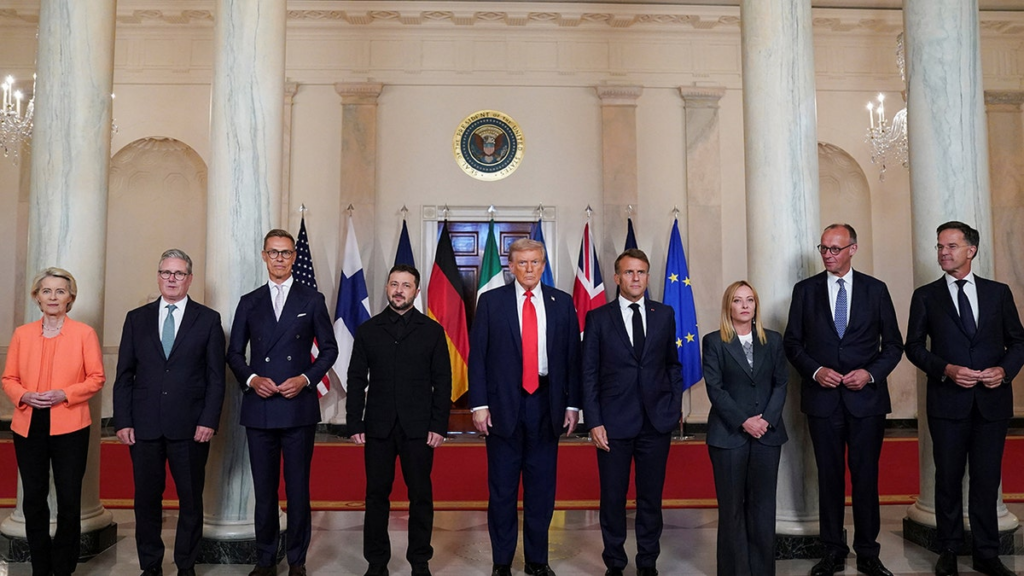
Recently, Trump criticized European leaders, labeling them as “weak” and suggesting a potential decrease in US support for Ukraine. In a pointed interview, he condemned what he described as the failure of “decaying” European nations to adequately address migration and their inability to effectively confront Russia in its ongoing war against Ukraine. By accusing European leaders of sending Kyiv into battle without proper backing, he emphasized his dissatisfaction with their strategies. Trump’s remarks are a clear reflection of his broader concerns regarding US foreign policy and the effectiveness of its alliances. As he continues to express these sentiments, the implications for Ukraine support and the future of transatlantic relationships remain highly contentious topics within international discourse.
In the evolving landscape of international relations, the criticism of European heads of state by Trump has sparked heated debates on their perceived inability to challenge aggressive foreign policy acts effectively. His remarks on the European leadership echo a growing sentiment that questions the strength of alliances amid challenges like the Russia-Ukraine conflict. Such discussions are pivotal, particularly as they relate to migration, defense strategies, and overall governance. Trump’s assessment puts a spotlight on the importance of fortifying bonds between nations to ensure collective security and addresses pressing global issues. Understanding these dynamics is crucial as they shape the future course of US relations with its European partners.
Trump Criticizes European Leaders as Weak
In a recent interview, former US President Donald Trump did not hold back in his assessment of European leaders, labeling them as “weak”. This sharp critique aligns with his ongoing narrative that questions the effectiveness of US foreign policy and the commitment of European allies. Trump’s comments come amidst a backdrop of escalating tension regarding the ongoing war in Ukraine, where he insinuates that European countries are not doing enough to support the embattled nation. The term ‘weak European leaders’ has emerged as a prominent theme in his discourse, reflecting his belief that the continent is failing to adequately respond to global challenges.
Moreover, Trump’s assertions highlight a growing concern about the reliability and decisiveness of European nations in international affairs. He suggested that the inadequate response to the Ukrainian crisis reveals a deeper ideological rift that may weaken the transatlantic alliance. Such criticisms also emphasize the broader implications for US foreign policy, particularly the dynamics of the relationship between the US and its European allies. Analysts observe that Trump’s rhetoric could potentially influence public sentiment and political discourse surrounding migration policy and economic sanctions that are vital in the context of the Ukraine crisis.
Implications of Trump’s Migration Comments
Trump’s migration comments have triggered a significant discussion about immigration reform and its intersection with national security and foreign policy. The former president has repeatedly accused European leaders of mishandling migration issues, suggesting that their failure to manage these challenges has consequences for both regional stability and global security. His view is that uncontrolled migration could lead to a range of social and economic problems, impacting European societies and their fighting power against adversaries like Russia. As the conflict in Ukraine persists, these migration challenges are compounded by the need for countries to absorb refugees fleeing violence.
Critics argue that such statements may play into nationalist narratives that further polarize public opinion on migration in both Europe and the US. By framing the migration issue as a failure of political leadership, Trump raises questions about how this could affect the alliances that have been built over decades. Additionally, some fear that it could erode the underlying support for humanitarian efforts tied to the Ukraine crisis, as countries grapple with balancing compassion against security concerns. Therefore, examining the implications of Trump’s migration comments is crucial, as it not only shapes public perception but also influences diplomatic negotiations.
The Reality of US Support for Ukraine
The ongoing debate surrounding US support for Ukraine is increasingly complicated by Trump’s rhetoric and his suggestion that support may wane if European leaders fail to act decisively. As the war in Ukraine unfolds, both the US and its allies face the challenge of maintaining a united front against Russian aggression while ensuring adequate support for Kyiv. Trump’s comments about potentially reducing support reflect broader discussions about the sustainability of foreign aid and the expectations placed on European nations to carry their weight in international conflicts. The former president’s stance raises concerns over the future of US involvement and how it may impact Ukraine’s ability to defend itself.
Additionally, the question arises: what does true support for Ukraine entail beyond military aid? Trump’s critique of European leaders suggests that he believes a more aggressive approach is necessary, yet this can lead to conflicting views on diplomacy and territorial concessions. As Ukraine’s leaders, including President Zelensky, navigate these complex waters, the overarching question remains whether the strategies employed by both the US and European leaders will ultimately bolster or undermine Ukraine’s sovereignty in the face of Russian pressures.
Trump’s Strategy and the Response of European Nations
In response to Trump’s criticisms, European leaders, particularly in the UK, have vehemently defended their actions regarding the sanctions against Russia and their continued commitment to aid Ukraine. Downing Street highlighted its leadership role and the collaborative efforts with the US to secure a lasting peace process in the region. This defense underscores the ongoing and often contentious dialogue about the roles that both continents play in addressing the war in Ukraine, as well as broader international security matters.
The disparity in perspectives between Trump and European officials illustrates a pivotal moment in US-European relations. While Trump urges for a more aggressive stance and challenges the commitment of European nations, leaders in Europe are working diligently to frame their contributions in a positive light. The divergent views not only reveal fractures within the alliance but also highlight the importance of unified diplomacy in international relations. As Trump’s remarks continue to resonate, it becomes clear that these debates will influence the future trajectory of cooperation and collective security.
The National Security Strategy and Its Reception
The release of Trump’s new National Security Strategy, which detailed concerns around Europe’s potential “civilizational erasure”, has sparked a diverse range of reactions domestically and abroad. The document underscores a critical perspective on alliances and questions the reliability of some European nations as allies. This strategic positioning resonates with Trump’s long-held views on US foreign policy—emphasizing a more transactional approach to international relationships whereby countries are either deemed reliable or unreliable based on their ability to contribute effectively to mutual goals.
Moreover, the reception of Trump’s strategy abroad, particularly in Russia, presents an intriguing dynamic in international relations. Russia’s favorable response suggests a shared perspective on certain issues, raising questions about the future of NATO and Europe’s defense strategies. Analysts warn that these kinds of perspectives could embolden adversarial nations while complicating the West’s united response against challenges like the war in Ukraine. The impact of this document will likely extend beyond immediate geopolitical considerations, influencing public sentiment and policy discussions within the US and among its allies.
Understanding Ideological Rifts in Foreign Policy
The ideological rifts that Trump references in his criticisms of European leaders extend into the realm of foreign policy, where differing philosophies on interventionism, alliance commitments, and humanitarian responsibilities manifest. Trump’s skepticism about the strength of European allies reflects a deeper concern over whether these nations prioritize their national interests over collective security. The ongoing war in Ukraine has served to amplify these rifts, with contrasting views on how best to support Ukraine while managing relations with Russia.
As the US and its European allies navigate these complex issues, understanding the underlying ideological divides becomes even more crucial. The varying approaches to migration, defense strategies, and economic sanctions highlight the broader questions of alliance sustainability. This discourse not only shapes domestic and international political landscapes but also influences the way citizens view their government’s role in foreign affairs. Therefore, it is essential for both policymakers and citizens to engage in discussions that address these ideological rifts in order to foster a more cohesive and effective foreign policy.
Trump and the Future of Transatlantic Relations
The future of transatlantic relations remains uncertain, particularly in light of Trump’s criticisms and his vision for US foreign policy. His strong words regarding the strength and capability of European leaders could foster an environment of distrust, which may hinder collaboration on pressing issues such as the Ukraine crisis and migration challenges. The dynamic interplay between the US and Europe could evolve based on which leader occupies the White House and their perspectives on diplomacy, alliances, and collective security.
As countries globally continue to grapple with the implications of Russia’s actions, the need for a united front becomes critical. European leaders must balance their national interests with the commitment to mutual defense and support for Ukraine. The challenge lies in crafting a diplomatic agenda that addresses Trump’s concerns while also maintaining cohesion among allies. The future of transatlantic relations is likely to depend on how effectively these leaders can bridge gaps and confront shared threats, thus reinforcing the importance and relevance of their partnership.
Lessons from Trump’s Approach to Foreign Policy
Trump’s approach to foreign policy has opened discussions on the implications of a more unilateral stance versus multilateral engagement. His criticisms of European leaders as weak are instructive, as they reveal a strategy centered on demanding accountability and a re-examination of bilateral relationships. For many, this has sparked debates around the efficacy of established diplomacy and the necessity for countries to reassess their roles in international conflicts like that in Ukraine.
Importantly, there are lessons to be learned regarding the balance between forceful negotiation tactics and the preservation of diplomatic ties. As leaders on both sides of the Atlantic assess how to engage with one another moving forward, understanding the implications of Trump’s rhetoric on collaboration and alliance building will be key. The ability to engage in constructive dialogue—despite ideological differences—will ultimately define the future trajectory of international relations and collective action against common threats.
Frequently Asked Questions
Why did Trump criticize European leaders regarding Ukraine support?
Trump criticized European leaders for what he termed ‘weak’ support for Ukraine in its war against Russia. He suggested that their inability to take decisive action has left Kyiv struggling to fend off aggression, while branding their migration policies as ineffective.
What did Trump mean by calling European leaders ‘weak’?
By labeling European leaders as ‘weak’, Trump implied they have failed to assert strong foreign policy stances, especially concerning Russia’s actions in Ukraine, and have prioritized political correctness over effective governance.
How does Trump’s critique relate to US foreign policy?
Trump’s critiques of European leaders reflect a broader concern about US foreign policy solidarity. He fears ideological divides may weaken alliances and lead to a diminished collective response to international crises.
What are Trump’s views on European migrants and their impact on the continent?
Trump has often criticized European migration policies, arguing that they exacerbate tensions and weaken national security. He believes that European countries have not managed migration effectively, resulting in social and political instability.
How did European leaders respond to Trump’s comments?
European leaders, like those from the UK, have dismissed Trump’s assertions. They highlighted their proactive approaches, such as implementing sanctions against Russia and reaffirming commitments to a united front in support of Ukraine.
What does Trump’s National Security Strategy say about European alliances?
Trump’s National Security Strategy warns of potential ‘civilizational erasure’ in Europe and questions the reliability of certain nations as allies, reflecting his critical stance on the effectiveness of European leadership in global affairs.
How has Trump’s stance on European leaders influenced discussions about the war in Ukraine?
Trump’s stance has intensified discussions about the need for urgent and decisive actions to conclude the war in Ukraine. His comments encourage a more aggressive approach from allies and add pressure on Ukrainian leadership to consider compromises.
In what way does Trump suggest Ukraine should respond to Russia?
Trump suggested that Ukrainian President Zelensky should ‘play ball’ and consider territorial concessions to Russia as a pragmatic solution to end the ongoing conflict.
What did Trump mean when he referred to Europe’s ‘decaying’ states?
By describing European states as ‘decaying’, Trump indicated that he sees them as losing their global influence and failing to effectively manage challenges like immigration and geopolitical conflicts, particularly with Russia.
How has Russia reacted to Trump’s critiques of European leaders?
Russia welcomed Trump’s criticisms, viewing them as largely aligned with their perspective on European leadership and America’s foreign policy direction, which they interpret as a signal of weakening Western unity.
| Key Points |
|---|
| Trump criticizes European leaders as ‘weak’ for failing to act decisively on Ukraine and migration issues. |
| He suggests the US might reduce support for Ukraine due to Europe’s indecision. |
| Trump accuses European leaders of allowing Ukraine to continue fighting without sufficient commitment from the West. |
| UK government rebuffs Trump’s claims, asserting its active role in sanctions and supporting peace efforts. |
| Trump raises concerns about ideological rifts possibly jeopardizing US alliances with European nations. |
| His comments emerge alongside the release of a National Security Strategy warning of Europe’s civilizational risks. |
| Russia interprets Trump’s strategy as favorable, signaling alignment with Moscow’s views on Western Europe. |
Summary
Trump criticizes European leaders in a stark assessment of their handling of global issues, particularly regarding Ukraine. He labels them as ‘weak’ and points to their failure to effectively address migration and support for Ukraine amidst ongoing conflicts with Russia. Despite pushback from the UK, which champions its contributions to sanctions and peace initiatives, Trump’s remarks highlight an increasing tension regarding international alliances and commitments. His recent statements coincide with a strategic review that casts doubt on Europe’s reliability as an ally, reflecting a potential shift in US foreign policy under his leadership.