Listen to this article
Trigeminal neuralgia is often described as one of the most excruciating conditions one can endure, often leading to a life filled with debilitating pain and emotional turmoil. Characterized by sudden, severe facial pain triggered by mundane activities like eating or even a light breeze, the symptoms can be life-changing. Those living with trigeminal neuralgia frequently seek effective treatment options and pain management strategies to regain control over their lives. Support groups can play an essential role in helping sufferers cope, providing a community for sharing experiences and methods to manage trigeminal neuralgia symptoms. Understanding this condition is critical for patients and their families, as well as for health professionals involved in their care.
Also known as TN, trigeminal neuralgia represents a serious neural disorder that affects the facial nerve, leading to intense pain episodes reminiscent of electric shocks. This condition can significantly disrupt daily routines, often leaving individuals feeling isolated and misunderstood due to the severe nature of their discomfort. The journey toward finding effective trigeminal neuralgia treatment can be challenging, emphasizing the importance of support networks and comprehensive management strategies. Many individuals suffering from TN encounter misdiagnoses, underscoring the need for awareness and information about trigeminal neuralgia symptoms. Moreover, engaging with a supportive community can make a profound difference in coping with this elusive and often debilitating condition.
Understanding Trigeminal Neuralgia Symptoms
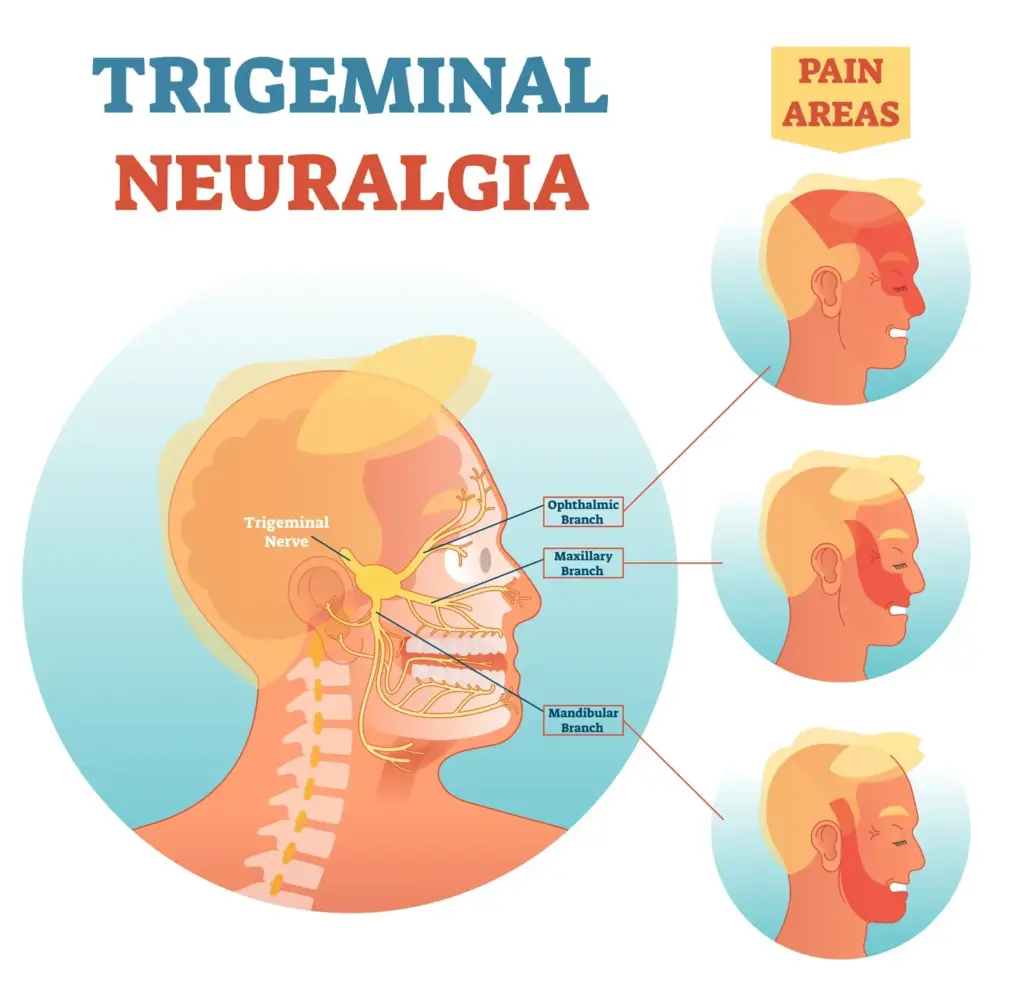
Trigeminal neuralgia, often regarded as one of the most excruciating pain conditions, manifests through various symptoms that can drastically affect daily life. Patients typically experience sudden, intense facial pain that can feel akin to electric shocks. These acute episodes can arise from simple activities like chewing, brushing teeth, or even encountering a gentle breeze. The pain may be localized to one side of the face, radiating from the jaw or teeth, creating an overwhelming sense of distress for those affected. Additionally, it’s common for symptoms to be mistaken for other dental issues, leading to misdiagnosis and extended suffering.
Understanding the full scope of trigeminal neuralgia symptoms is crucial for effective treatment and pain management. Beyond the initial sharp pain, individuals may experience consistent discomfort or a dull ache, alongside anxiety about when the next painful episode will strike. This unpredictability contributes significantly to the emotional strain on sufferers, elevating feelings of isolation and despair. Seeking timely medical attention and recognizing these symptoms early can lead to a more accurate diagnosis and treatment plan, improving overall quality of life.
Living with Trigeminal Neuralgia: Challenges and Triumphs
Living with trigeminal neuralgia presents a unique set of challenges that extend far beyond physical pain. Individuals often find themselves navigating a complex landscape of emotional and psychological hurdles. As many sufferers report, the pain can become so severe that it leads to thoughts of despair and hopelessness. The societal stigma surrounding chronic pain often compounds feelings of isolation, making it difficult for patients to express their experiences openly. Engaging with support groups focusing on trigeminal neuralgia can be a vital resource, providing community and understanding that can alleviate feelings of loneliness.
On the other hand, many who live with trigeminal neuralgia also demonstrate extraordinary resilience and adaptability. For instance, adopting healthy coping mechanisms such as regular exercise, mindfulness practices, or engaging in outdoor activities has proven beneficial for some individuals in managing their symptoms. These strategies not only enhance physical well-being but also contribute positively to mental health. When discussing their journeys, many patients highlight how sharing experiences with others facing similar challenges has helped them reclaim aspects of their lives, proving that community support is invaluable in overcoming the struggles associated with this condition.
Effective Trigeminal Neuralgia Treatment Options
Trigeminal neuralgia treatment options vary widely, aiming to provide relief from the debilitating symptoms. Initially, conservative approaches such as medication are often recommended. Anticonvulsants like carbamazepine are typically prescribed to help mask the pain signals sent by the trigeminal nerve. However, it is crucial to remember that each patient’s response to medication may differ, and some may require a combination of drugs to find an effective pain management strategy. Regular follow-ups with healthcare providers can ensure that treatments are adjusted based on their effectiveness.
For many, medication may not suffice, leading to discussions regarding surgical interventions. Procedures such as microvascular decompression aim to relieve pressure on the trigeminal nerve and have been successful for some patients. While these surgical options may carry risks, they also offer the potential for long-lasting relief from chronic pain. Exploring these treatments with specialized healthcare professionals, who can guide patients through the decision-making process, is a critical step toward finding effective relief from trigeminal neuralgia.
Pain Management Strategies for Trigeminal Neuralgia
Managing the pain associated with trigeminal neuralgia requires a multifaceted approach, as the condition often presents unique challenges for each individual. Aside from medication and surgical options, implementing alternative pain management strategies can significantly enhance one’s quality of life. Consideration of physical therapy, acupuncture, or biofeedback techniques can help alleviate tension and minimize pain episodes. Many patients find relief in complementary therapies which, combined with traditional medical treatment, create a more holistic approach to managing their pain.
Moreover, lifestyle adjustments play a crucial role in effective pain management. Ensuring a balanced diet, maintaining regular sleep patterns, and reducing stress through mindfulness and relaxation techniques are essential components. Patients are encouraged to establish a daily routine that includes light exercise or stretching, as this can promote a sense of control over their physical condition. Connecting with a support group or community of fellow trigeminal neuralgia sufferers can also provide emotional support, sharing experiences that may offer new insights or coping mechanisms.
The Importance of Support Groups for Trigeminal Neuralgia
Support groups for individuals living with trigeminal neuralgia are instrumental in fostering understanding and community among sufferers. These gatherings provide a safe space for individuals to share their experiences, discuss coping strategies, and provide each other with emotional support. For many, expressing their struggles with others who truly comprehend the nature of their pain can diminish feelings of isolation. The Trigeminal Neuralgia Association, for example, plays a pivotal role in creating a supportive network, offering resources, and hosting meetings where participants can connect and share.
Furthermore, support groups often serve as a platform for education about trigeminal neuralgia, ensuring that individuals stay informed about the latest treatment options and coping mechanisms. Many times, patients discover new methods of managing their condition through discussions with peers who have found success with various strategies. The collective wisdom and shared experiences within these groups empower individuals, giving them tools and inspiration to tackle the challenges posed by trigeminal neuralgia.
Understanding the Psychological Impact of Trigeminal Neuralgia
The psychological impact of living with trigeminal neuralgia is profound and often under-addressed in discussions of this condition. Beyond the physical suffering caused by nerve pain, many individuals experience significant psychological distress, including depression and anxiety. This emotional toll can be triggered by the unpredictability of pain, societal stigma, and the feeling of being misunderstood by others. Recognizing and addressing these psychological aspects is essential for achieving holistic care, offering a full picture of what living with this condition entails.
Mental health interventions, including therapy and support groups, can help address the emotional struggles associated with trigeminal neuralgia. By engaging with mental health professionals skilled in chronic pain management, individuals can develop coping strategies and learn how to navigate their feelings in positive and constructive ways. The integration of psychological support with medical treatment forms an essential component of comprehensive pain management, ensuring that patients do not merely exist but thrive in spite of their condition.
Recognizing the Signs: Trigeminal Neuralgia Diagnosis
Diagnosis of trigeminal neuralgia often proves challenging due to the condition’s resemblance to other dental and facial disorders. Many patients report an extensive journey of misdiagnosis and delay before receiving the correct diagnosis. Initial assessments may mistakenly attribute symptoms to dental issues, leading patients to undergo unnecessary treatments. Thus, it is crucial for individuals experiencing sudden, severe facial pain to seek specialized medical advice promptly. Physicians familiar with trigeminal neuralgia can perform targeted diagnostic tests, allowing for a more accurate understanding of the underlying cause of the pain.
An accurate diagnosis is vital as it opens the door to appropriate treatment options. Patients need to advocate for themselves and communicate clearly about their symptoms to healthcare professionals. Early recognition of trigeminal neuralgia can lead to more effective management of the condition, potentially preventing the progression of pain and associated psychological impacts. Continuous education and awareness about the unique symptoms of this condition among both patients and healthcare providers is crucial in improving diagnosis rates and subsequent treatment success.
Innovations in Trigeminal Neuralgia Research
Currently, research into trigeminal neuralgia is ongoing, with many studies focused on understanding its causes, symptoms, and potential treatment advancements. Innovative approaches to treatment explore not only surgical options but also novel pharmacological interventions that could better target nerve pain. Trials on newer medications aim to provide alternative solutions for patients who may not respond favorably to traditional therapies, indicating a promising shift in how trigeminal neuralgia is approached in a medical context.
Additionally, the role of technology in pain management is gaining attention, with developments in neurostimulation devices and pain management apps evolving. These technological advances provide new avenues for individuals suffering from trigeminal neuralgia, offering potential relief through less invasive methods. Continued support for research initiatives is crucial in the pursuit of improved quality of life for patients and fostering innovations that may ultimately change the landscape of treatment for trigeminal neuralgia.
Frequently Asked Questions
What are the common symptoms of trigeminal neuralgia?
Common symptoms of trigeminal neuralgia include severe, sharp, or electric shock-like facial pain that can be triggered by activities like eating, brushing teeth, or even light touches. Attacks can vary in duration and frequency, with some individuals experiencing episodes hundreds of times a day.
How can I manage pain associated with trigeminal neuralgia?
Pain management for trigeminal neuralgia often includes medications, nerve blocks, and in severe cases, surgical options. Patients may also find relief through lifestyle changes, such as managing stress and avoiding known triggers that exacerbate their condition.
What treatment options are available for trigeminal neuralgia?
Treatment options for trigeminal neuralgia include anticonvulsants as the first line of defense, nerve blocks for immediate relief, and surgical procedures like microvascular decompression for long-lasting results. Consultation with a neurologist is essential to determine the best treatment plan.
What support is available for individuals living with trigeminal neuralgia?
Individuals living with trigeminal neuralgia can find support through organizations like the Trigeminal Neuralgia Association, which provides resources, forums, and support groups. Connecting with others who share similar experiences can offer emotional support and coping strategies.
How does trigeminal neuralgia affect daily life and well-being?
Trigeminal neuralgia can significantly impact daily life, causing emotional distress and leading some individuals to avoid social interactions or outdoor activities due to fear of triggering a painful episode. It’s vital to seek support and engage with community resources to enhance well-being while living with the condition.
| Key Point | Details |
|---|---|
| Severe Pain Symptoms | Described as feeling like a screwdriver in the face, with attacks triggered by simple actions like eating or a breeze. |
| Difficulty in Diagnosis | Often misdiagnosed as toothaches; some patients wait years for an accurate diagnosis. |
| Statistics | Affects about 8 out of 100,000 people each year; symptoms can be extreme and debilitating. |
| Treatment Options | Neurosurgery can relieve symptoms but carries risks such as facial numbness or stroke. |
| Long-term Effects | Many experience lingering mental health issues despite pain relief; support systems are critical. |
| Community and Support | The Trigeminal Neuralgia Association provides support and promotes awareness among healthcare professionals. |
Summary
Trigeminal neuralgia is recognized as one of the most excruciating conditions, affecting thousands annually. The experiences shared by patients highlight the devastating pain and the often challenging journey to diagnosis. With effective treatment options available, understanding and support from medical professionals and the community are vital to improving the lives of those suffering from this debilitating condition.