Listen to this article
Travel costs support for childhood cancer is a crucial initiative aimed at alleviating the financial burden faced by families during their child’s treatment journey. The introduction of this program in England promises to cover significant travel expenses for children and young adults battling cancer, allowing families to focus on healing instead of worrying about the mounting bills. With the government investing £10 million annually, the scheme is set to positively impact countless lives, providing essential travel cost assistance for children’s cancer treatment. Research highlights that families typically spend around £250 per month just on hospital journeys, underlining the necessity for this support to prevent them from falling into debt. As Health Secretary Wes Streeting noted, prioritizing a child’s recovery over financial stress is vital, making this new travel support a transformative development for many households.
Support for travel expenses related to childhood cancer treatment is becoming a priority in England, with the government recognizing the challenges families face during this difficult time. Families often incur significant costs when transporting their young ones to specialized cancer treatment centers, where crucial care is provided. For many, the burden of travel costs can detract from the emotional and physical support they wish to provide their children. Recognizing these hurdles, initiatives aimed at covering family travel expenses during cancer treatment are welcome news for countless households. The forthcoming travel assistance program stands as a beacon of hope, potentially easing the financial strain and allowing families to concentrate fully on their child’s health.
Introduction to Travel Cost Support for Childhood Cancer
In recent years, the financial burden placed on families of children diagnosed with cancer has drawn significant attention. Understanding the emotional and logistical challenges these families face, the government of England has unveiled a new initiative aimed at alleviating some of that stress. With an annual allocation of £10 million dedicated to covering travel costs for youthful cancer patients and their families, this scheme promises essential support during a profoundly challenging time. This initiative focuses on families whose financial constraints often overshadow their ability to provide care and comfort while pursuing necessary medical treatment.
The initiative is particularly critical as families often have to navigate lengthy journeys to specialized treatment centers, which can be both physically and financially draining. Statistics indicate that families can expect to spend an average of £250 each month solely on hospital travels, which translates into considerable financial challenges over time. By providing travel cost assistance for children with cancer, this scheme aims to eliminate some of the economic barriers that can complicate care, allowing families to concentrate more on recovery rather than their finances.
The Impact of Travel Costs on Families
For families facing childhood cancer, travel costs can become an overwhelming financial strain, driving some into debt as they prioritize their child’s health over their financial stability. Emma Wilding’s experience with her son, Theo, illustrates this hardship perfectly. During her child’s seven-week treatment at Alder Hey Hospital, the financial burden was not just a minor inconvenience; it was a constant source of stress. This situation is not an isolated case, and many families feel pressured to choose between traveling for essential care and meeting other basic needs, such as groceries and housing.
The statistics regarding family travel expenses during cancer treatments are alarmingly high. Families often have to make difficult decisions, sacrificing time off work and important household expenses to accommodate necessary hospital visits. These hardships lead to a broader discussion about the importance of dedicated funding for childhood cancer treatment funding and travel support. The new policies implemented by the government can provide crucial relief, enhancing the quality of life for families already facing considerable challenges.
Government Initiative for Travel Cost Assistance
The recent announcement by the Health Secretary regarding a travel subsidy program reflects a turning point in the approach to childhood cancer care in England. This initiative, encompassing families with children up to the age of 24, marks a significant step towards ensuring that treatment accessibility is not hindered by financial challenges. The intention is clear: by alleviating travel burdens, families can focus on their child’s healing process rather than the logistics of getting to appointments and treatments.
Moreover, this program aligns with broader cancer strategies aimed at improving overall outcomes in England. With additional support that includes better psychological resources and improved hospital facilities, the government’s holistic approach aims to create real and lasting change in cancer care. The travel support initiative is not merely about financial assistance; it is about empowering families to maintain their focus where it truly matters—the health and well-being of their children.
Addressing the Financial Strain of Travel Expenses
The financial implications of travel expenses for families dealing with childhood cancer cannot be understated. Many families end up making sacrifices that compromise their essential living conditions. Parents frequently slow down their working hours or even leave their jobs entirely to care for their ill children. This loss of income, paired with the mounting costs of travel, can leave families struggling to meet everyday expenses. Therefore, the implementation of travel grants for cancer patients is not just a necessity; it is a lifeline.
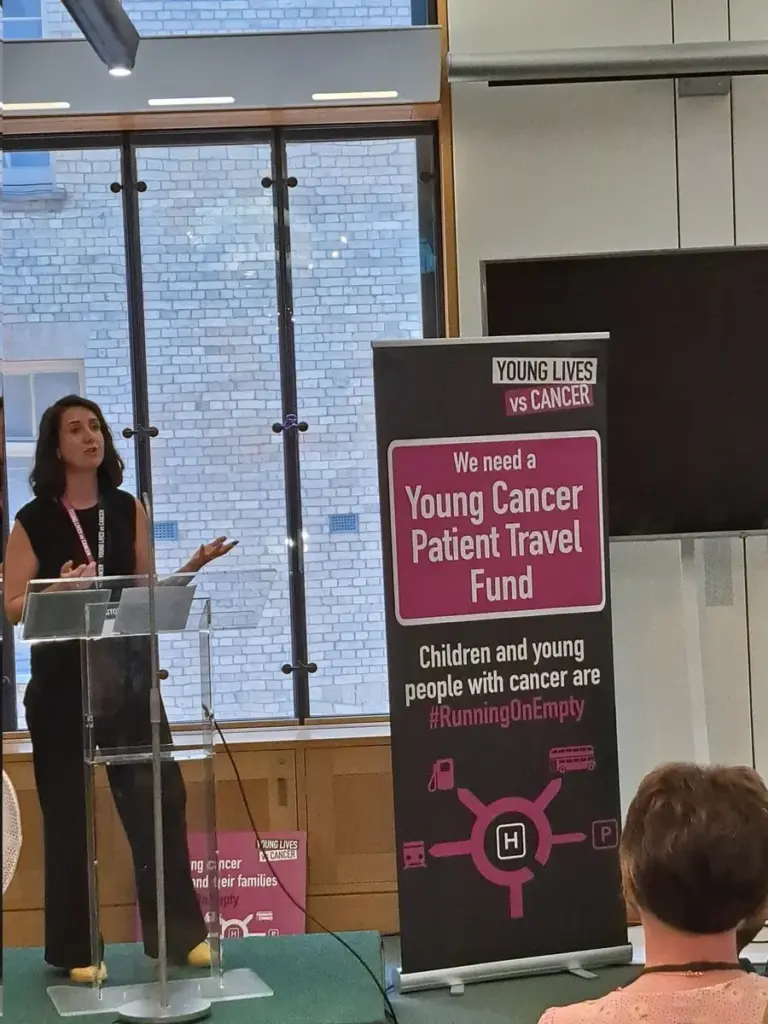
As noted by Rachel Kirby-Rider from Young Lives vs Cancer, the new funding addresses long-standing gaps in support for families. The government aims to ensure that no family faces the fear of financial ruin solely due to the need for cancer treatment travel. By broadening the scope of financial assistance, this initiative offers peace of mind to families who often feel weighed down by financial pressure, demonstrating that the government recognizes the critical barriers that travel expenses create.
Advocating for Families Facing Childhood Cancer
The advocacy from various charities has been essential in bringing attention to the struggles of families impacted by childhood cancer. Groups like Young Lives vs Cancer have tirelessly campaigned to garner support for solutions that directly address the financial hardships faced by these families. Their efforts underscore the fact that travel is an inevitable part of cancer treatment, and as such, it should not compound the stress already felt by those navigating this health crisis. This policy signifies a victory for advocacy movements that aim to ensure equitable access to care for every child.
As we approach the rollout of this travel support fund, the ongoing conversations about what constitutes adequate assistance will surely include insights from families and advocates. Their experiences can guide future policies and ensure that support frameworks are comprehensive and responsive to actual needs. This collaboration between governmental bodies and private advocates may foster a new standard of care—one where every child diagnosed with cancer can receive necessary treatments without the added burden of travel costs.
Overcoming Barriers with Financial Assistance
Overcoming barriers to treatment is crucial for children battling cancer, and financial assistance plays a vital role in this process. Programs designed to reduce family travel expenses during crucial treatment phases serve as tangible support, easing heavy burdens during exceptionally tough times. The commitment by the government to not only cover travel expenses but also improve hospital services demonstrates a holistic approach to pediatric cancer care. Such measures promise to bridge gaps that previously existed, allowing families to overcome financial constraints when seeking life-saving treatments.
In this era, where patient empowerment is increasingly significant, having the ability to easily access treatment facilities cannot be overstated. The availability of travel cost assistance will serve to remove the financial impediments that often dictate whether a child receives timely and adequate care. By prioritizing accessibility through targeted funding, the government signals a shift toward a more just healthcare system, where the burden of illness does not translate into the burden of financial distress.
The Role of Charities in Supporting Families
Charitable organizations have long played a critical role in supporting families with children facing cancer. Their advocacy work has been instrumental in shaping policies around financial support, ensuring that families are not left to navigate the complexities of treatment alone. The collaborative effort between government initiatives and charity advocacy not only raises awareness but also mobilizes resources that families desperately need. This relationship showcases the importance of integrating community support with government funding.
In the pursuit of balancing travel expenses against life’s necessities, charities help families find the support they need to focus on the well-being of their loved ones. As travel costs for cancer treatment can be daunting, the work of organizations in securing funds and resources underscores their invaluable contribution to patient care. Moving forward, it’s important to maintain and strengthen these partnerships to ensure that each family’s journey through cancer can be undertaken with compassion and comprehensive care.
Enhancing Institutional Support for Young Patients
Alongside direct financial support for travel expenses, enhancing institutional support within hospitals is vital for improving the experiences of young cancer patients and their families. Efforts to create safe, engaging environments within treatment centers can markedly affect patients’ emotional well-being during difficult times. Hospitals are increasingly recognizing the need to incorporate play facilities and psychological support into comprehensive treatment plans, thus providing avenues that can ease the heavy emotional toll of illness.
This shift towards encompassing mental health strategies alongside physical health care aligns well with the recent funding announcements to support travel costs. By ensuring that hospitals not only treat the physical ailments but also support the mental and emotional needs of children, the healthcare system can provide a more holistic and compassionate approach to care. It highlights a growing recognition that childhood cancer treatment extends beyond clinical interventions to encompass the overall quality of childhood experiences during treatment.
Conclusion: A Hopeful Future for Families Affected by Cancer
The recent funding initiative for families facing childhood cancer represents a beacon of hope. The commitment to cover travel expenses will help alleviate financial burdens, allowing families to journey through treatment without additional stressors. This fundamental policy change reflects an awareness of the unique challenges faced by these families and an understanding that every child deserves access to quality care without the shadow of financial constraints looming in their lives.
As this initiative is rolled out over the next few years, continuous evaluation will be crucial to ensure its effectiveness and accessibility. Families must remain at the forefront of these discussions to ensure that their voices guide the development of policies which impact their lives. Ultimately, by fostering systemic change, England can set a standard for other regions to follow, creating a more supportive and empathetic landscape for children suffering from cancer and their families.
Frequently Asked Questions
What is the new travel cost assistance for children with cancer in England?
Under a new scheme being implemented by 2027, families of children diagnosed with cancer in England will receive travel cost assistance for treatment. The government has allocated £10 million annually to cover travel expenses for children and young people up to 24 years, aimed at alleviating the financial burden of lengthy journeys to specialist treatment centers.
How much financial support can families expect for travel costs related to childhood cancer treatment?
Families can expect significant travel cost support for childhood cancer treatment, with the government funding up to £10 million per year. This assistance is designed to cover the travel expenses that families incur, which can average around £250 monthly during treatment.
What are the eligibility requirements for childhood cancer treatment funding in England?
The new travel cost assistance for childhood cancer treatment in England will not be means-tested like previous support, allowing families regardless of their financial status to receive funding. This represents a significant shift in childhood cancer treatment funding, making it accessible to all families in need.
What impact will family travel expenses for cancer treatment have on families?
Family travel expenses for cancer treatment can lead to significant financial strain, with many families reporting debts due to the high costs involved. The introduction of travel cost assistance for children with cancer aims to relieve this burden, allowing families to focus on their child’s recovery without the stress of financial worries.
When will the travel support for childhood cancer treatment begin?
The travel support for childhood cancer treatment in England is set to be implemented by 2027. This initiative will provide crucial financial aid for families dealing with the heavy travel costs associated with accessing specialized care for their children.
How will the government’s travel cost assistance program differ from previous support systems?
The government’s new travel cost assistance program for childhood cancer is distinct from previous systems because it will not be means-tested. Unlike past offerings that were limited to families receiving certain benefits, this program will provide support universally to all families experiencing travel costs for their child’s cancer treatment.
What types of cancer patient travel grants are available for families in need?
In addition to the upcoming government travel cost assistance for children with cancer, various charities offer cancer patient travel grants to help offset expenses. These grants typically aim to reduce the financial impact of traveling to treatment and may vary by organization, focusing on supporting families facing similar challenges.
How has the charity sector responded to travel costs support for children with cancer?
The charity sector has been instrumental in advocating for travel costs support for children with cancer. Organizations like Young Lives vs Cancer have campaigned for nearly a decade, highlighting the financial hardships families face and supporting the government’s new funding initiative as a major step forward in easing their burden.
What additional support is being offered alongside travel cost assistance for childhood cancer?
Alongside travel cost assistance for childhood cancer treatment, the government plans to enhance hospital facilities, including improved play areas and increased psychological support for young patients. These additional measures aim to create a more supportive environment for children undergoing treatment.
| Key Points |
|---|
| The UK government will cover travel costs for families of children diagnosed with cancer under a new scheme by 2027. |
| £10 million per year will be allocated for travel expenses for children and young people up to 24 years old. |
| Families currently spend an average of £250 per month on travel for hospital visits, leading to financial strain. |
| The scheme aims to reduce financial burdens, allowing families to focus on their child’s health during treatment. |
| The funding is part of a broader government strategy to enhance cancer care and survival rates in England. |
| Charities have long advocated for travel support to prevent families from accruing debt due to treatment-related travel costs. |
| The initiative is expected to improve mental health support and hospital facilities for young cancer patients. |
Summary
Travel costs support for childhood cancer is a significant step forward for families dealing with the challenges of pediatric cancer treatment. With the government’s commitment to fund travel expenses under this new scheme, families will no longer need to worry about the financial burden that comes with transportation to specialist treatment centers. This initiative not only alleviates potential debt but also allows families to prioritize their child’s health and recovery during an incredibly stressful time. By investing in the well-being of these young patients and their caregivers, we are paving the way for an improved healthcare experience and better survival rates.