
Listen to this article
When it comes to navigating the bustling streets of London, having the right transport tips for tourists in London is essential for a smooth travel experience. With a myriad of options including the iconic London Underground and reliable bus routes, visitors can explore the city’s rich history and modern attractions effortlessly. Tourists should consider getting an Oyster card, which provides a cost-effective way to utilize London public transport while avoiding the hassle of paper tickets. Understanding how to get around London not only saves time but also opens up opportunities to enjoy the city’s vibrant culture. This guide will equip you with essential London travel tips to make your journey as enjoyable and efficient as possible.
Exploring London can be an exhilarating yet challenging endeavor for newcomers, especially with its extensive transport network. To ease your journey, this guide shares invaluable advice on navigating the city’s transportation landscape. From seamless options such as the Tube and buses to alternative choices like riverboat services and cycling, having knowledge of various travel methods will enhance your London adventure. Whether you’re a first-time visitor or returning to uncover more, mastering effective navigation will elevate your experience in one of the world’s most dynamic cities. Get ready to dig into our comprehensive insights and discover the best ways to traverse this iconic destination.
Understanding London’s Transport Network
London’s transport network is one of the most comprehensive in the world, comprising various interconnected services including the Underground, buses, trains, and riverboats. Understanding how these systems interact is essential for any tourist looking to navigate the city efficiently. For instance, the London Underground covers the majority of Central London and is the quickest way to travel between major attractions. However, buses provide a scenic option, allowing travelers to take in the sights of the city while commuting.
It’s also important to acknowledge that each transport mode has its own timetable and scheduling considerations. The London transport network is segmented into zones, with Zone 1 being the hub of tourist activity. Familiarizing yourself with these zones can greatly affect travel costs, as fares vary depending on the distance traveled. Apps like Google Maps or the TfL app can further aid in understanding the best routes to take and help avoid frequent congestion points.
Getting an Oyster Card: Your Key to Convenient Travel
When planning your trip to London, one of the first things you should do is get an Oyster Card. This travel smart card not only reduces the cost of fares on all public transport modes but also simplifies the process of getting around. With an Oyster Card, you can simply tap in at the start of your journey and tap out at your destination, making it quicker than purchasing paper tickets. This is especially useful for tourists who are unfamiliar with the ticketing system.
Additionally, the Oyster Card offers significant savings compared to cash fares, which can help stretch your travel budget further. You can top up your card at various stations throughout the city, making it easy to manage your spending. Many travelers also prefer to get their Oyster Cards upon arrival at the airport, ensuring that they can start their adventures without any delay in their transportation.
Exploring London Public Transport Options
Apart from the Underground and buses, London offers a plethora of public transport options that cater to different needs. Overground trains connect various districts, making it easier to venture out of Central London for day trips to beautiful towns and scenic routes. For example, destinations like Richmond or Hampstead can be easily reached through the overground services, providing a delightful change from the bustling city.
Moreover, the Docklands Light Railway (DLR) offers a unique, elevated travel experience, particularly around the Canary Wharf and Greenwich areas. Each mode of transport complements the others, creating a seamless experience for travelers. Knowing the various options available will enable you to create an itinerary that maximizes your time and enjoyment in London.
Using Contactless Payment for Easy Travel
Contactless payment methods have revolutionized the way tourists navigate London’s transport system. With the convenience of using a debit or credit card, travelers can skip the hassle of purchasing an Oyster Card altogether. Simply tap your contactless card on the reader at the station gates or bus stops, and you’re on your way. This modern approach not only saves time but can also lead to a smoother travel experience throughout the city.
Additionally, using contactless payment is secure and reduces the risk of having cash on hand. Tourists benefit from the same fares as Oyster card users, making this method economically viable. It’s advisable to check with your bank regarding foreign transaction fees, but for many, the convenience of contactless travel outweighs any minor charges.
Mastering the London Underground: Tips and Tricks
The London Underground, or Tube, is often the most efficient way to travel around the city. With its extensive network of lines and stations, tourists can access major landmarks with ease. Before your journey, familiarize yourself with a Tube map to navigate the various lines efficiently. It’s crucial to be aware of peak hours when the trains can get exceedingly crowded, which could make your journey less comfortable.
Moreover, utilizing apps that provide real-time updates on service status can help you avoid delays and plan your routes more effectively. Most tourists will find that understanding how to read the signs and displays will enhance their London experience, allowing for an adventure that avoids common pitfalls associated with urban public transport.
Navigating London Bus Routes with Ease
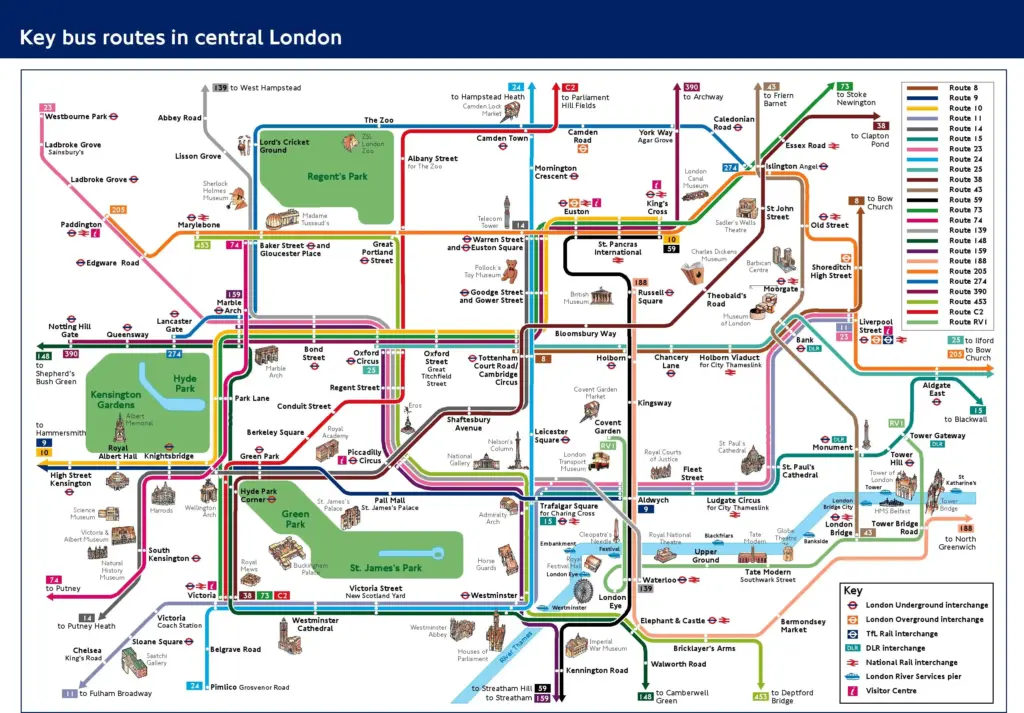
London’s iconic red buses not only provide transport but also serve as a means to see the city from a different perspective. With an extensive network of bus routes available throughout the city, tourists can effectively use them for short distances and discover hidden gems along major thoroughfares. Planning your bus journeys via the TfL bus map or Google Maps can help ensure you find the quickest paths to your next destination.
Additionally, buses are usually less crowded than the Tube, especially while sightseeing during the day. Make sure to check live ETAs for bus arrivals, as this can help minimize waiting times. Riding the bus also grants the opportunity for photos of London’s famous landmarks, allowing for a travel experience that combines both transport and exploration.
Traveling Beyond Central London: Train Options
For those eager to explore areas outside of Central London, utilizing the overground and mainline trains is essential. Major train stations such as King’s Cross and Paddington serve as gateways to other parts of England, enabling tourists to embark on day trips to destination locations like Oxford or Brighton. Familiarizing yourself with train schedules and purchasing tickets in advance can save money and time.
Buying off-peak tickets is another great tip for budget-conscious travelers. These tickets are typically cheaper and provide flexibility for planning your travel around main sightseeing hours. By understanding the train services, tourists can seamlessly integrate adventures outside of London into their itineraries, enriching their overall travel experience.
Enjoying the Scenic Riverboat Services
For an alternative and scenic way of navigating the Thames, consider using the River Bus services. The Thames Clippers, for instance, offer a unique vantage point to view the city from the water while effectively getting from place to place. Opting for a riverboat journey not only allows for relaxation but provides a memorable experience, particularly when approaching landmarks such as Tower Bridge or the London Eye.
Furthermore, travelers can use their Oyster Card on most riverboat services, making it an easy and economical option. Whether you want a leisurely stroll along the riverbanks or a hopping quick route to your next attraction, the River Bus is a delightful addition to your London transport plan.
Planning Your Journey During Off-Peak Hours
To enhance the overall experience of navigating London, it’s wise to plan travels during off-peak hours whenever possible. This strategy greatly reduces the likelihood of encountering overcrowded transport, ensuring a more comfortable journey. Peak hours typically occur during weekday mornings from 7:30 AM to 9:30 AM and evenings from 5:00 PM to 7:00 PM, which is when delays and congestion are most likely.
By utilizing off-peak times, not only do travelers enjoy a lighter crowd, but they may also be eligible for reduced fares on some transport options. Allow yourself the flexibility to explore the city without the stress of rush hour travel, optimizing your sightseeing plans significantly.
Safety and Security Tips for Tourists
While London is considered a safe city for tourists, it is essential to remain vigilant, particularly in crowded areas such as train stations and popular attractions. Petty theft can occur, so keeping an eye on personal belongings is crucial. Utilizing bags that securely close and keeping important items like passports and cash close to your body can enhance your security as you navigate the city.
Furthermore, being aware of your surroundings and not engaging with overly persistent individuals can help prevent uncomfortable situations. Familiarizing yourself with emergency numbers and locations, such as police stations or tourist information centers, adds an extra layer of security as you travel throughout London.
Frequently Asked Questions
What are the best transport tips for tourists in London?
When navigating London, start by familiarizing yourself with its extensive transport network, including the City’s buses, Underground (Tube), and trains. An Oyster Card is essential for cheaper public transport travel. For convenience, consider using contactless payment methods, and plan your journeys during off-peak hours to avoid crowds.
How can an Oyster card help tourists get around London?
An Oyster Card simplifies travel for tourists in London by providing a more economical way to use public transport. It can be loaded with credit and works on all forms of transport, including buses and the London Underground, making it easier to navigate the city.
What should tourists know about London public transport before arriving?
Tourists should learn about London’s public transport system, including the Tube, buses, and trains. Familiarizing yourself with the Tube map and understanding how to use an Oyster Card or contactless payment will greatly enhance your travel experience.
How do I navigate the London Underground as a tourist?
To navigate the London Underground effectively, study the Tube map and be aware of the different zones. Remember that central London is primarily in zone 1, and check for service updates on Transport for London’s website for real-time information.
What are the most scenic bus routes in London for tourists?
For a scenic experience, tourists should consider taking the number 15 bus from Trafalgar Square to the Tower of London, which passes iconic sites such as St. Paul’s Cathedral and the City of London. This provides a unique way to see the city while traveling.
Are there any specific London navigation tips for first-time tourists?
For first-time tourists, downloading apps like Google Maps or Citymapper can be incredibly helpful for navigation. These apps provide real-time updates on public transport and the best routes to take when exploring London.
How can I make the most of my Oyster card when traveling in London?
To maximize the benefits of your Oyster card, load it with enough credit for the duration of your stay, and use it across all transport modes. Be mindful of off-peak pricing to save even more on your fares when navigating London.
What transportation options do tourists have for exploring areas outside Central London?
Tourists looking to explore areas outside Central London can take advantage of overground trains, mainline services, or the Docklands Light Railway (DLR) for a unique and enjoyable transit experience to nearby destinations like Greenwich or Oxford.
How do I use contactless payment on London public transport?
To use contactless payment on London public transport, simply tap your contactless debit or credit card on the yellow card readers when entering and exiting stations or buses. Ensure that your card can be used overseas to avoid issues while traveling.
What are some safety tips for tourists using public transport in London?
While navigating London’s public transport, tourists should stay alert in crowded areas and keep personal belongings secure. Avoid using your phone excessively and be aware of your surroundings to enhance your safety during your travels.
| Transport Modes | Key Features | Tips |
|---|---|---|
| Buses | Extensive network, scenic views | Use TfL’s bus map; check live ETAs on Google Maps. |
| The Underground (Tube) | Quickest way to travel central London, operates in zones | Avoid rush hours; check line status on TfL. |
| Trains | Connect to areas outside Central London | Purchase ‘Anytime’ or ‘Off-Peak’ tickets for flexibility. |
| Docklands Light Railway (DLR) | Automated trains, connects to eastern attractions | Enjoy views while traveling above street level. |
| River Bus Services | Scenic travel along the Thames | Consider this option for a relaxing travel experience. |
| Cycling | Explore London at your own pace | Rent ’Santander Cycles’ and respect road rules. |
| Walking | Best way to enjoy landmarks up close | Aim to walk between attractions like The British Museum and Covent Garden. |
Summary
Transport Tips for Tourists in London are essential for making the most of your visit to this vibrant city. By understanding the various modes of transportation available—such as buses, the Tube, trains, and more—you can navigate London efficiently. Whether you choose the iconic double-decker buses for a scenic ride or the Underground for quick travel, each option enhances your experience. Grab an Oyster Card or utilize contactless payment methods for ease, familiarize yourself with mobile navigation apps for real-time updates, and plan your journeys during off-peak hours to avoid crowds. With these insights, navigating London will not only be manageable but also enjoyable. Happy travels!