
Listen to this article
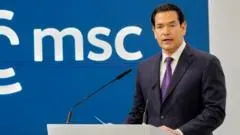
The transatlantic alliance has long been a cornerstone of global stability, as emphasized by US Secretary of State Marco Rubio during his recent address at the Munich Security Conference. In a direct appeal to European leaders, he reassured them that America remains committed to this vital partnership, stating that their destinies “will always be intertwined.” Despite expressing concerns over immigration, trade, and environmental policies, Rubio’s tone marked a refreshing shift from the previous administration, focusing on rejuvenating the longstanding friendship between the US and Europe. He underscored the need for international cooperation, asserting that the path to prosperity moving forward is a joint endeavor with cherished allies. As these discussions continue, the resilience of the transatlantic alliance appears stronger than ever, providing a hopeful outlook for future collaborations in addressing global challenges.
The historical collaboration between North America and Europe encompasses various dimensions of international relations, often referred to as the Western alliance. In this context, US Secretary of State Marco Rubio articulated the enduring commitment to mutual support during his impactful speech at the Munich Security Conference. He acknowledged the importance of unity among European leaders, aiming to revitalize connections that influence global dynamics. With a focus on shared values and strategic interests, the dialogue around this partnership is crucial for fostering sustainable cooperation against pressing issues. Through such reaffirmations, the Western alliance remains a pivotal force in securing peace and prosperity across the globe.
Commitment to the Transatlantic Alliance
In a pivotal speech at the Munich Security Conference, US Secretary of State Marco Rubio reaffirmed America’s steadfast commitment to the transatlantic alliance. This enduring partnership has historically been the backbone of Western civilization, uniting nations through shared values and a mutual defense framework. Rubio’s assertion that “our destiny will always be intertwined” underscores a deep-rooted understanding that the security, prosperity, and cultural heritage of the US and Europe are inexorably linked. As global dynamics evolve, maintaining this alliance becomes paramount to address challenges such as emerging threats and geopolitical instability.
Rubio’s emphasis on revitalizing the transatlantic partnership illustrates a commitment to collaborative action moving forward. By nurturing strong ties with European leaders, he aims to foster an environment of trust and cooperation that can effectively address collective concerns, including defense expenditure and trade relations. This proactive approach signals to both allies and adversaries that the United States stands unyieldingly with Europe, ready to tackle the complexities of international relations and uphold democratic values.
Transforming International Cooperation
During his address, Marco Rubio called for a significant transformation of international cooperation, stressing that the current systems, particularly the United Nations, have struggled to effectively address global conflicts. He pointed out the UN’s inability to influence critical situations such as those in Gaza and Ukraine, advocating instead for a more robust framework that empowers nations to act decisively against threats. This need for reform resonates strongly in light of today’s geopolitical challenges and highlights the urgency for nations to come together with a unified strategy toward peacekeeping and conflict resolution.
Rubio’s critique of the international cooperation landscape serves as a wake-up call for global leaders to reevaluate their commitments and actions. By prioritizing dialogue and collaboration, allies can establish a more effective system that not only tackles immediate conflicts but also prevents future crises. The call for increased defense investments is a notable aspect of this new vision, encouraging European nations to strengthen their military readiness, thereby ensuring that alliances are fortified against any potential aggressors. This collective focus on revitalizing international cooperation can pave the way for a safer and more prosperous world.
Reassessing Trade Policies
In his speech, Rubio candidly addressed the need for both the US and European nations to reassess their trade policies. He acknowledged that past approaches have occasionally led to detrimental outcomes, criticizing a prevailing “dogmatic vision” of free trade that overlooked the complexities of global economic dynamics. By recognizing these shared mistakes, Rubio sets the stage for a thoughtful reevaluation that seeks to balance economic growth with protecting jobs and industries in both regions, ensuring a win-win scenario for transatlantic partners.
This reflection on trade is essential, especially in light of increasing economic challenges and competition from emerging markets. Rubio advocates for a trade framework that is not only fair but also equitable, allowing for adaptive policies that can respond to the ever-changing global landscape. By fostering a renewed focus on cooperation, the US and Europe can work together to create a more resilient economic environment that benefits all stakeholders, reinforcing the strength of the transatlantic alliance.
Critique of European Policies
While extolling the virtues of the transatlantic alliance, Marco Rubio did not shy away from critiquing European policies, particularly in areas such as climate, immigration, and trade. He voiced that certain immigration policies pose a threat to civilization, aiming to provoke discussions among European leaders regarding security and social cohesion. This criticism aims to prompt a dialogue about the implications of these policies and to encourage a reevaluation of practices that could jeopardize the stability within European countries and their relationship with the US.
Moreover, Rubio’s remarks regarding climate policies reflect concerns about economic viability and competitiveness. He points out that, while environmental protection is crucial, it should not come at the expense of economic prosperity. By addressing these contentious issues, Rubio opens a pathway for transatlantic discussion that prioritizes both ecological integrity and economic growth. This dual focus can empower European leaders to consider more holistic strategies that protect the environment while ensuring economic resilience in their nations.
Military Preparedness in the Transatlantic Alliance
In a significant moment of his address, Rubio highlighted the importance of military preparedness among European allies, asserting that Europe must increase its defense investments. This call to action reflects a broader understanding that modern threats necessitate a strong and capable military presence. By urging European countries to take their defense seriously, Rubio seeks to cultivate a sense of shared responsibility within the transatlantic alliance. This approach not only enhances collective security but also reassures US allies of America’s commitment to their protection.
Rubio’s emphasis on self-defense encourages European nations to bolster their military capabilities, reducing reliance on US forces while fostering a spirit of collaboration. As adversaries become more assertive on the global stage, this readiness will be crucial for deterring aggression and ensuring peace in the region. Transforming the military landscape within the transatlantic alliance requires a commitment from all parties involved, driving home the point that solidarity and strength are fundamental in the face of potential threats.
The Role of the United Nations
Rubio’s speech at the Munich Security Conference brought attention to the pressing need for a reevaluation of the United Nations’ role in global governance. He criticized the organization’s perceived ineffectiveness in addressing significant crises, such as the ongoing conflicts in Gaza and Ukraine. By labeling the UN as “powerless to constrain” certain nations, Rubio advocates for a more effective international framework that can address such challenges directly and with authority. This discussion around the UN’s role is critical in the context of renewing global cooperation.
Reforming the United Nations to make it more responsive and accountable could significantly impact international relations. By fostering stronger global partnerships and encouraging member states to engage in constructive dialogue, there can be a collective effort to strengthen the institutions that undergird international stability. Rubio’s insights serve as a clarion call for leaders worldwide to not only improve the structures in place but also to pursue a more collaborative and proactive approach to global peacekeeping.
The Imperative for Collective Action
In his address, Rubio emphasized that the pressing global challenges we face today require collective action from all allied nations. He articulated a vision where the US and Europe can collaboratively address threats ranging from geopolitical instability to economic downturns. By highlighting the interconnectedness of these issues, Rubio reinforces the necessity for a united front in addressing multifaceted challenges. This collective action is vital for promoting the stability and prosperity of not just the transatlantic alliance, but for the global community at large.
To achieve this collective action, it is imperative for European leaders to engage actively with American counterparts, fostering dialogue and mutual understanding. Initiatives that focus on shared interests will serve to strengthen alliances and enhance collaborative efforts. As the world becomes increasingly complex, the cohesion and unity demonstrated within the transatlantic alliance can set a precedent for global partnerships, serving as a benchmark for effective cooperation in facing mutual adversities.
The Future of US-European Relations
Rubio’s commitment to US-European relations signals a renewed desire for partnership grounded in shared values and objectives. As he stated, America is charting a path for a new century of prosperity, emphasizing the importance of allies in shaping that future. This forward-looking perspective is essential in navigating rapid changes in international diplomacy and economics. By advocating for a collaborative framework, Rubio is working to ensure that the bonds between the US and Europe are strengthened, allowing for a resilient partnership that can adapt to the unforeseen challenges ahead.
The future of US-European relations will depend on leaders maintaining open lines of communication and fostering mutual respect. As both continents face existential threats from rising powers and internal divisions, a united approach is essential. By reinforcing partnerships through dialogue and cooperation, US Secretary of State Marco Rubio’s vision of transatlantic solidarity can become a reality, ensuring not only the stability of the alliance itself but also the promotion of democratic values across the globe.
Responses from European Leadership
European leaders have responded enthusiastically to Marco Rubio’s commitment to the transatlantic alliance, signaling a consensus on the importance of unity in the face of global challenges. Ursula von der Leyen, President of the European Commission, lauded Rubio as a “good friend” and expressed her reassurance regarding America’s ongoing partnership with Europe. This positive feedback illustrates a desire among European leaders to embrace a collaborative approach with the US, enhancing mutual cooperation on key issues such as security and trade.
The reception of Rubio’s remarks emphasizes the necessity for reaffirming relationships within the transatlantic alliance. European leaders recognize the geopolitical implications of a strong partnership with the US, particularly in the realms of defense and countering aggressive foreign policies. By working together, Europe and the US can bolster their positions not only in Europe but also on the global stage, addressing shared concerns and fostering an environment of stability and prosperity.
Frequently Asked Questions
What is the importance of the transatlantic alliance in US foreign policy?
The transatlantic alliance is crucial in US foreign policy as it strengthens international cooperation, ensuring both the US and European nations work together on global challenges. US Secretary of State Marco Rubio emphasized that America’s future is intertwined with Europe, highlighting the significance of joint efforts in promoting stability and security across the Atlantic.
How did US Secretary of State Marco Rubio address concerns about the transatlantic alliance at the Munich Security Conference?
At the Munich Security Conference, Marco Rubio reassured European leaders that the US is committed to the transatlantic alliance. He stated that America does not seek to abandon this partnership but aims to revitalize it, reinforcing the importance of collaboration and mutual respect in addressing shared global issues.
What criticisms did Marco Rubio voice regarding European policies while emphasizing the transatlantic alliance?
While reaffirming commitment to the transatlantic alliance, Marco Rubio criticized European immigration, trade, and climate policies. He acknowledged that both the US and Europe have made trade mistakes and highlighted the need for Europe to bolster defense investments, reiterating the concept of collective strength within the alliance.
How did European leaders respond to Marco Rubio’s speech on the transatlantic alliance?
European leaders, including European Commission President Ursula von der Leyen, responded positively to Rubio’s speech on the transatlantic alliance. von der Leyen expressed reassurance in the US commitment to European security, stating her belief in having a strong Europe and recognizing the importance of the partnership for sustaining international cooperation.
What vision did Marco Rubio present for the future of the transatlantic alliance?
Marco Rubio portrayed a vision of revitalization for the transatlantic alliance, indicating that the US aims to navigate a new century of prosperity alongside European allies. He emphasized the need for rebuilding international cooperation systems, stressing that together, the US and Europe can address complex global challenges effectively.
What role does defense investment play in the context of the transatlantic alliance?
Defense investment is a critical component of the transatlantic alliance, as Marco Rubio noted the importance of European nations enhancing their military capabilities. This investment ensures that allies are capable of defending themselves, thereby reinforcing collective security and deterring potential adversaries from testing the strength of the alliance.
| Key Points |
|---|
| US Secretary of State Marco Rubio reassures European leaders of the US commitment to the transatlantic alliance. |
| Rubio emphasizes the intertwined destiny of the US and Europe at the Munich Security Conference. |
| Despite criticisms of certain European policies, he asserts the importance of maintaining the transatlantic partnership. |
| Rubio calls for increased European defense spending to strengthen collective security. |
| European leaders, like Ursula von der Leyen, respond positively to Rubio’s assurances. |
| Rubio stresses the need for rebuilding international cooperation and criticizes the UN’s effectiveness. |
| Updating on the Ukraine conflict and the situation with Russia, Rubio expresses doubts about peace efforts. |
Summary
The transatlantic alliance remains a cornerstone of international relations, with US Secretary of State Marco Rubio reaffirming America’s commitment to its European partners. His recent speech at the Munich Security Conference underscored the intertwined destinies of the US and Europe, suggesting that despite past criticisms on various policies, the goal is to revitalize this critical partnership. As both nations navigate challenges including defense investments and geopolitical conflicts, the call for unity and cooperation exemplifies the resilience of the transatlantic alliance.

