Listen to this article
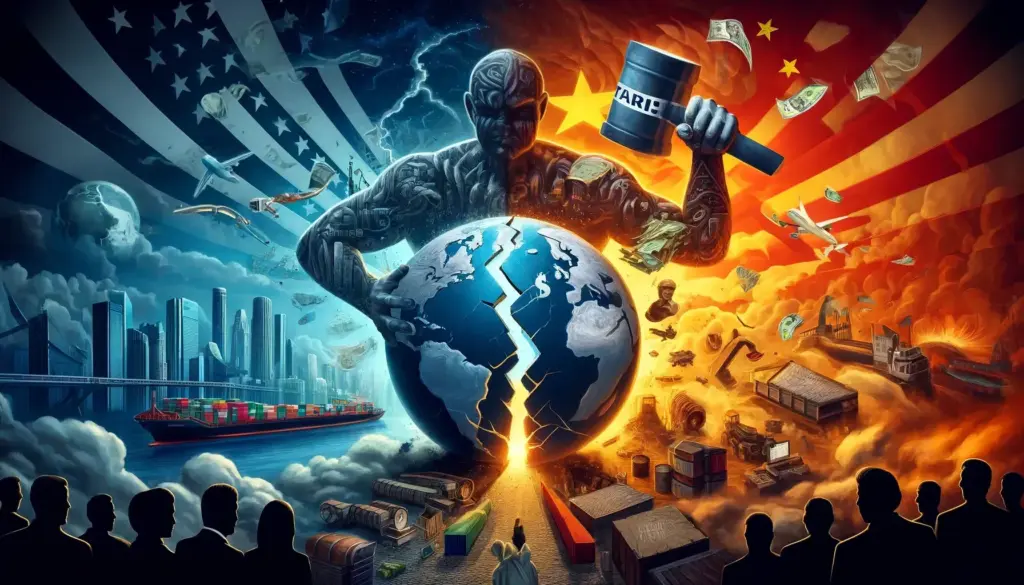
A trade war is rapidly becoming a focal point for international relations, particularly between the US and its allies, as tensions escalate over various issues, including the contentious Greenland dispute. British Prime Minister Sir Keir Starmer has emphatically remarked that such a conflict benefits “no one,” especially in light of former President Donald Trump’s threats to impose substantial tariffs on imports from the UK. This looming economic standoff could jeopardize vital aspects of US-UK relations, echoing through global markets as concerns over international trade tensions mount. As politicians grapple with the implications of Trump’s tariffs, commentaries on economic stability and collaboration grow ever more relevant. With key figures like Starmer advocating for calm discussions and a pragmatic approach over aggressive measures, the future of trade relations remains precariously balanced.
The emergence of escalating tariffs and import taxes signifies a potential economic standoff among nations, especially between allies like the United States and the United Kingdom. This scenario raises crucial questions about international trade relations and the repercussions of aggressive political strategies, often referred to as trade protectionism. Key leaders, including UK Prime Minister Sir Keir Starmer, are urging for cooperation rather than confrontations, promoting discussions instead of escalating conflicts over matters such as the Greenland issue. The ramifications of such a clash are being felt across stock markets and industries, emphasizing the importance of fostering collaboration in global economic frameworks. As we observe these geopolitical maneuvers, it’s vital to recognize the ongoing impact on economic partnerships and the call for diplomatic resolution.
Understanding the Trade War Dynamics
The term “trade war” has become increasingly relevant in the context of international trade tensions, particularly with recent threats from US President Donald Trump against the UK and its allies. Sir Keir Starmer has aptly noted that engaging in a trade war benefits ‘no one’, a sentiment echoed by economists and political analysts alike. Trade wars often lead to escalated tariffs, which can stifle economic growth and disrupt global supply chains. This scenario is particularly concerning for nations like the UK, which rely heavily on exports to the US, their largest overseas market.
As tensions rise, the implications of tariffs can ripple through myriad sectors, impacting everything from manufacturing to exports of luxury goods. Sir Keir’s commitment to ‘calm discussions’ highlights an urgent need for diplomatic resolution rather than confrontation. By advocating for an approach that prioritizes dialogue and cooperation, the Prime Minister seeks to safeguard not only the UK economy but also the delicate balance of international relations that are crucial in today’s interconnected global landscape.
Keir Starmer’s Diplomacy in Action
In light of the escalating trade war threats, Prime Minister Sir Keir Starmer’s diplomatic strategy seems focused on building alliances among European countries affected by Trump’s tariffs. His communication with leaders such as Canada’s Mark Carney and Italy’s Giorgia Meloni indicates a strategic approach aimed at presenting a united front against hostile trade policies. Starmer’s emphasis on international collaboration reflects a broader understanding of the geopolitical landscape and illustrates how interconnected the fates of these nations truly are.
Starmer’s positioning also underscores an important lesson from past international relations, particularly with regards to the Greenland dispute and its implications for global trade. By insisting that decisions on Greenland should be determined by its people, he champions the principle of self-determination, which resonates deeply with the public and international observers alike. Such diplomacy not only aims to mitigate immediate tensions but also seeks to lay the groundwork for future negotiations that can enhance US-UK relations and strengthen the bonds within the transatlantic alliance.
Potential Economic Impact of Trump’s Tariffs
Trump’s imposition of a 10% tariff on UK imports signals a worrying escalation in trade relations that could potentially have dire economic effects. Economists predict that if these tariffs are enacted, the UK could see a reduction in GDP by as much as 0.5%. This is a significant figure considering the UK’s already delicate post-Brexit economic environment, making the trade war not just a matter of political posturing but a real threat to economic stability.
Furthermore, sectors such as automotive and luxury goods are especially vulnerable to the repercussions of these tariffs, affecting thousands of jobs across the UK. The potential for retaliatory tariffs looms large, as European leaders like France’s Emmanuel Macron consider countermeasures to protect their own economies. If the situation escalates into a full-blown trade war, the economic fallout could extend beyond immediate job losses, potentially derailing years of progress in international trade and collaboration.
The Greenland Dispute and International Relations
The Greenland dispute serves as a focal point in the recent developments of US-UK relations, with Trump’s combative stance raising eyebrows globally. Sir Keir Starmer’s insistence that decisions regarding Greenland should be made by its people, rather than in the shadow of US ambitions, highlights the necessity of prioritizing integrity and international norms in foreign policy. This reflects a significant shift in how the UK aims to engage with the US, promoting a model of diplomacy that encourages respect and cooperation rather than coercion.
Moreover, the geopolitical significance of Greenland cannot be understated amidst rising tensions with Russia and China. Trump’s rhetoric surrounding military action reveals a broader strategy to fortify US presence in the Arctic. For Sir Keir, the objective is to navigate these precarious waters while maintaining vital international partnerships. The balance lies in ensuring that the voices of smaller nations like Denmark and Greenland are heard and respected in discussions that could impact their sovereignty, thereby promoting a more equitable approach in global governance.
Responses from European Leaders to Trade Tensions
European leaders are gearing up to address the escalating trade tensions initiated by Trump’s tariff threats, with calls for a collective response gaining momentum. The suggestion from President Macron to utilize a ‘trade bazooka’ indicates the seriousness with which the EU views potential repercussions from the US. As discussions unfold in international forums like the World Economic Forum in Davos, European unity will be crucial in countering any unilateral actions by Trump that could destabilize economies across the continent.
The sentiment among European leaders, including Italy’s Giorgia Meloni, is one of caution mixed with a readiness to act. The reciprocal nature of trade wars means that retaliatory measures may not only serve to protect their domestic interests but also send a strong message to the US about the interconnectedness of global trade. Thus, the potential consequences of these discussions will likely shape the future of transatlantic relations and the financial landscape for decades to come.
Strategic Implications of US-UK Defense Collaboration
Starmer has reiterated the importance of US-UK defense collaboration, particularly amidst rising international threats. The geopolitical landscape is becoming increasingly complex, as exemplified by the Arctic tensions and the potential for Russian and Chinese encroachment. By focusing on strengthening bilateral defense ties, the UK seeks to secure a strategic position within NATO while emphasizing its role as a key ally to the United States. This is critical given the importance of military partnerships in safeguarding national and global security.
Furthermore, Starmer’s pragmatic approach underscores the recognition of the UK’s unique position in the Western defense strategy. While acknowledging Trump’s threats, he is simultaneously working to ensure that Britain maintains its influence over defense matters without severing vital trade links. This duality in strategy illustrates how economic and military considerations are intertwined in today’s geopolitical climate, and how sustained collaboration is necessary to address the multifaceted challenges the international community faces.
Consequences of Brexit on Trade Relations with the US
The consequences of Brexit have reshaped the landscape of UK-US relations, with a pressing need to redefine trade agreements and partnerships in a post-EU world. As the UK negotiates its trade policies, the cloud of potential tariffs imposed by the US further complicates an already delicate situation. Sir Keir Starmer’s approach to emphasizing collaboration rather than conflict reflects both a strategic necessity and a desire to avoid exacerbating divides in a time of uncertainty.
Moreover, Brexit has opened the door for the UK to forge its independent path in international trade. However, succeeding in this ambition requires not only skillful diplomacy but also a clear understanding of how to navigate the implications of Trump’s trade policies. As the UK attempts to carve out its niche in global markets, balancing economic goals with the geopolitical realities of defending its national interests will be paramount.
Sovereignty and Self-Determination in Global Affairs
The discussion surrounding Greenland brings issues of sovereignty and self-determination to the forefront of global politics. Starmer’s view that the fate of Greenland should rest with its inhabitants rather than external powers reflects an ethical approach to international relations, emphasizing respect for national autonomy. In a world often marked by exploitation and overreach, recognizing the rights of nations to determine their own futures is critical.
This principle not only applies to Greenland but also resonates with other geopolitical disputes that involve larger powers imposing their will on smaller territories. By advocating for a respectful dialogue, Starmer is promoting a framework for international relations that prioritizes mutual respect and collaborative decision-making. Such an approach is essential for ensuring that international trade and political negotiations do not sacrifice the fundamental rights of nations across the globe.
The Role of Public Sentiment in Trade Policy
Public sentiment plays a pivotal role in shaping trade policies, especially when it comes to contentious issues such as tariffs and international negotiations. The backlash against Trump’s proposed tariffs reflects a broader concern among UK citizens about the economic implications of a potential trade war. Politicians like Starmer are acutely aware of this sentiment, as they strive to balance national interests with the views of their constituents, highlighting the intertwined nature of politics and public opinion.
Moreover, the discussion around trade wars and tariffs presents an opportunity for leaders to engage with the public on complex international issues. Encouraging dialogue around how these policies might affect jobs, livelihoods, and the economy can cultivate a more informed electorate, leading to more nuanced debates about foreign policy. In an era where global interdependence is a reality, aligning governmental decisions with public sentiment will be critical in fostering a sense of unity and purpose within the nation.
Frequently Asked Questions
What is the current situation regarding the trade war between the US and its allies?
The current trade war involves President Trump’s imposition of a 10% tariff on imports from the UK and several other European nations, following tensions over the Greenland dispute. Prime Minister Sir Keir Starmer has stated that a trade war benefits no one and promotes calm discussions instead of retaliatory tariffs.
How does the trade war affect UK-US relations?
The trade war could significantly impact UK-US relations, which are vital for trade and investment. Prime Minister Starmer has emphasized the importance of maintaining a close relationship with the US while addressing concerns regarding Trump’s tariffs that could harm the UK economy.
What are Sir Keir Starmer’s comments on Trump’s tariff threats?
Sir Keir Starmer criticized Trump’s tariff threats as a misguided approach, emphasizing that trade wars are not beneficial and advocating for dialogue over aggressive tariffs. He believes calm discussions are essential to resolve international trade tensions.
Will the economic implications of a trade war affect job security in the UK?
Yes, the economic implications of a trade war could threaten job security in the UK, as the US is the UK’s largest individual overseas market. Economists suggest that Trump’s tariffs could reduce the UK’s GDP by 0.5%, impacting jobs and livelihoods.
What role does the Greenland dispute play in the current trade tensions?
The Greenland dispute has become a focal point in the trade tensions, with Trump linking his tariff threats to assertions about the territory’s strategic importance against Russian threats. This complex issue adds layers to the ongoing trade war discussions.
How are European leaders responding to Trump’s trade war tactics?
European leaders are wary of Trump’s trade war tactics, with some, like French President Macron, suggesting counter-tariffs in response. There is a consensus among European nations to stand united against aggressive trade measures.
What impact could the trade war have on how the UK negotiates with the US?
The trade war could complicate negotiations, as retaliatory tariffs may be considered. However, Prime Minister Starmer aims to avoid escalating tensions, focusing instead on fostering a cooperative dialogue while ensuring the UK’s interests are protected.
What are the broader implications of international trade tensions indicated by the current trade war?
International trade tensions can lead to economic instability, decreased global cooperation, and heightened geopolitical risks. The current trade war highlights the delicate balance needed in international trade relationships, especially among allies.
Could the trade war lead to changes in international trade policies?
Yes, the trade war may prompt shifts in international trade policies as countries reassess their trade strategies and relationships. Leaders are likely to push for adjustments in tariffs and trade agreements to navigate the new landscape.
How do international trade tensions influence economic growth in the UK?
International trade tensions can negatively influence economic growth in the UK by causing uncertainty for businesses, which may lead to reduced investments and consumer spending. The potential for increased tariffs can also hinder exports, further impacting growth.
| Key Point | Details |
|---|---|
| Trade War Statement | Sir Keir Starmer asserted that a trade war benefits no one and emphasized the importance of calm discussions. |
| Trump’s Tariff Threats | Trump has threatened to impose a 10% tax on imports from the UK and other nations, later increasing to 25%. |
| Starmer’s Approach | Starmer believes in a pragmatic approach that stresses the significance of the UK-US relationship. |
| International Dialogue | Starmer is promoting discussions with allied leaders to convey a united front against possible US tariffs. |
| Global Security Concerns | Starmer highlighted that Greenland’s future should be determined by its people and Denmark, amid rising geopolitical tensions. |
| Economic Impact | Economists predict that US tariffs could reduce the UK’s GDP by 0.5%, signaling potential economic threats. |
| Need for European Collaboration | European leaders are expected to discuss counteractions to Trump’s tariffs, with calls for a unified response. |
Summary
The ongoing trade war poses significant challenges to global economic relationships, with PM Sir Keir Starmer emphasizing the detrimental effects such conflicts have on international collaboration. The Prime Minister argues for calm dialogue, suggesting that retaliatory measures are not a viable solution to complex geopolitical disputes. Engaging in a trade war, especially with key allies like the US, not only threatens economic stability but could also impact global security dynamics amid rising geopolitical tensions.