Listen to this article
Credit card interest rates play a significant role in personal finance, impacting how consumers manage their debt and spending. These rates, often referred to as the Annual Percentage Rate (APR), determine the fees incurred when a balance is carried over from month to month. Understanding credit card rate trends can empower individuals to make smarter financial decisions, especially in a constantly changing economic landscape. From inflationary pressures to Federal Reserve adjustments, several factors dictate how interest rates evolve over time. By knowing how interest rates change, consumers can not only save money, but also strategically plan their payments to minimize debt.
The financial landscape is often influenced by the cost of borrowing, particularly through credit vehicles such as charge cards and revolving credit lines. Terms like credit card rates and borrowing fees can often overshadow the importance of tracking these dynamics closely. Understanding the nuances of credit account APRs and monitoring how these borrowing costs evolve can significantly affect your financial health. As market forces shift and economic indicators fluctuate, being alert to credit card rate trends allows consumers to maximize savings and minimize interest expenses. With awareness of how interest rates change in response to economic conditions, individuals are better equipped to make enlightened borrowing decisions.
Understanding Credit Card APR and Its Significance
Credit card APR, or Annual Percentage Rate, is a vital component of credit card agreements that reflects the yearly cost of borrowing on a credit card. It’s essential for consumers to understand that this rate is not just a number; it translates directly into the cost of your debts if you carry a balance month to month. An APR can vary based on several factors, including credit score, payment history, and even the type of credit card you choose. Knowing your APR allows you to gauge the potential interest charge associated with any outstanding balance, which is crucial for managing your debt effectively.
Consumers should also be aware that the credit card APR is influenced by broader economic conditions and lender policies. For instance, during times of economic growth, lenders may increase APRs to maintain profitability. On the other hand, when economic conditions are challenging, they might lower APRs to attract new customers. By regularly reviewing your credit card terms and the current APR landscape, you can make more informed decisions about whether to maintain existing credit card accounts or transfer balances to lower-priced options.
The Evolution of Credit Card Rate Trends Over the Decades
Analyzing the historical trends of credit card interest rates reveals a narrative of financial evolution. In the 1990s, credit card rates averaged around 15%, a rate that seemed reasonable compared to the prevailing economic conditions of the time. However, as technology and competition increased in the financial market, these rates began to fluctuate significantly, reflecting both consumer demand and economic shifts. For example, during the 2000s, a combination of improved consumer access to information and competitive offerings led to a stabilizing effect on credit card APRs, keeping them within a range of 12-15%.
Fast forward to the aftermath of the 2008 financial crisis; credit card interest rates plummeted as lenders sought to stabilize an anxious market. Many borrowers enjoyed APRs below 10%, which not only made borrowing more accessible but also encouraged consumer spending and economic recovery. Currently, as economies regain strength, we are witnessing a steady rise in average rates, now ranging from 16% to 20%. Understanding these trends not only provides context for current rates but also illustrates how global events can influence individual borrowing costs.
Factors That Cause Fluctuations in Credit Card Interest Rates
Many factors contribute to the fluctuations in credit card interest rates, and it is crucial for consumers to understand these variables to manage their financial health. Firstly, the Federal Reserve plays an instrumental role; when it adjusts the federal funds rate, it trickles down to the rates consumers see on their credit cards. For instance, if the Fed raises interest rates to combat inflation, credit card issuers may similarly increase their rates, affecting the overall borrowing costs for customers.
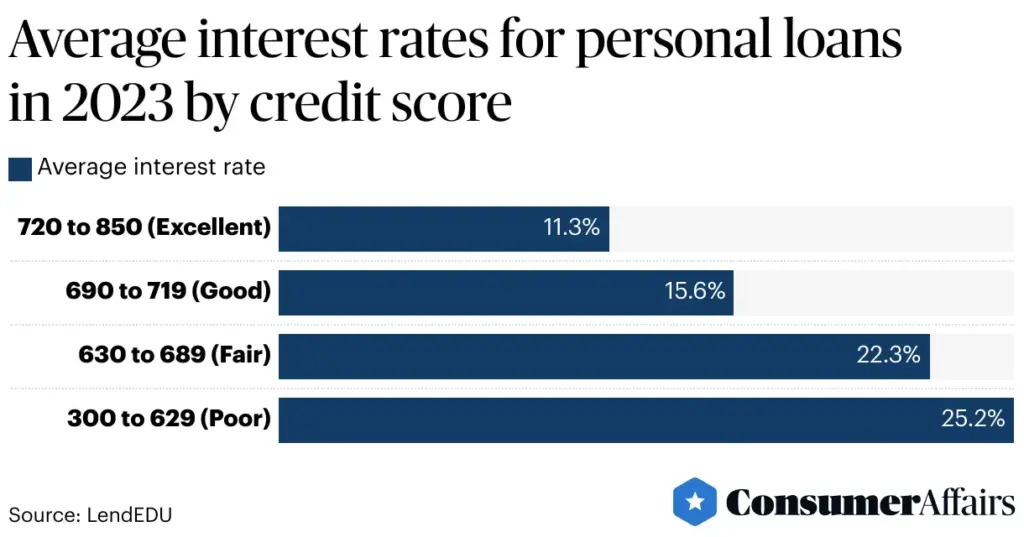
Another major factor is the individual’s credit score. Lenders assess credit risk based on scores, and those individuals with higher scores are often rewarded with lower interest rates due to the perceived lower risk of default. Additionally, market competition among different lenders prompts companies to frequently adjust their rates to attract customers, creating a scenario where consumers benefit from comparing and negotiating better terms. This fluctuating environment can be daunting, yet understanding its dynamics is essential for consumers looking to leverage their credit effectively.
Effective Strategies for Monitoring Credit Card Interest Rates
Keeping a vigilant eye on credit card interest rates is paramount for anyone keen on managing their finances effectively. One of the most efficient strategies is to leverage financial news sources. Websites dedicated to personal finance often provide insights into current interest rates and upcoming trends, equipping consumers with the knowledge required to make timely financial decisions. For instance, tuning into reputable financial blogs or newsletters can keep you informed about significant shifts in credit card APRs and how they might affect your budget.
Another strategy is to set up alerts with your financial institutions. Many credit card companies and banks now offer comprehensive online platforms where customers can receive real-time notifications about changes in rates. This feature not only saves time but also allows borrowers to act swiftly when interest rates drop, potentially leading to substantial savings through balance transfers or renegotiating for better rates.
Using Tools to Manage and Track Your Credit Card Rates
As borrowing costs fluctuate, taking control of your financial situation becomes imperative. Utilizing budgeting apps like Mint or You Need A Budget (YNAB) can give you insights into how credit card interest rates impact your overall expenses. These tools go beyond basic budgeting; they analyze your spending habits and suggest ways to allocate funds, preventing you from falling into high-interest traps that damage your financial health.
For those who prefer a more tangible approach, maintaining a personal spreadsheet is a great way to track your credit card rates. By documenting changes in your interest rates over time, you can visualize trends and adjust your financial strategies accordingly. Furthermore, online interest rate calculators can also be invaluable resources, enabling you to simulate how varying rates could impact your monthly payments, thus allowing you to make informed financial decisions looking forward.
Frequently Asked Questions
What are credit card interest rates and how do they impact my finances?
Credit card interest rates, often referred to as Annual Percentage Rates (APRs), represent the cost of borrowing money on a credit card. These rates can significantly impact your finances, especially if you carry a balance; higher rates can lead to accumulating interest, making it more difficult to pay off debt over time.
How can I track credit card rates effectively?
To track credit card rates effectively, use financial news websites, set up alerts with your bank or credit card issuer for rate changes, and utilize credit card comparison websites to view the latest offers. Monitoring these resources can help you stay informed about fluctuations in credit card interest rates.
What factors influence changes in credit card APRs?
Several factors influence changes in credit card APRs, including the Federal Reserve’s interest rate decisions, economic conditions such as inflation, individual credit scores, and competitor pricing. Understanding these influences can help you anticipate changes in your credit card rates.
How do credit card rate trends affect borrowing decisions?
Credit card rate trends can significantly affect borrowing decisions. If interest rates are rising, it may be wise to pay down existing balances or consider transferring to a card with a lower APR. Conversely, if rates are declining, it could be an advantageous time to open a new card or negotiate better terms with your current lender.
What has been the historical trend of credit card interest rates over the years?
Historically, credit card interest rates have fluctuated significantly. In the 1990s, average rates were around 15%, while post-2008 averages dropped below 10%. However, current averages are in the range of 16-20%, reflecting recent economic recovery and adjustments by lenders.
What tools can help me manage my credit card interest rates?
Several tools can help manage your credit card interest rates, including budgeting apps like Mint and YNAB, interest rate calculators for projecting payments, and personal spreadsheets for tracking rate changes. These resources can enhance your understanding of how interest rates impact your financial situation.
| Key Points | Details |
|---|---|
| What are Credit Card Interest Rates? | Credit card interest rates, or APRs, represent the cost of borrowing money on a credit card, usually expressed as a yearly rate. |
| Importance of Tracking Interest Rates | Helps manage debt, saves money, and aids in understanding market trends. |
| Historical Fluctuations | 1990s: ~15% average rates; 2000s: 12-15%; Post-2008: rates dropped below 10%; Recent: 16-20%. |
| Factors Influencing Rates | Federal Reserve actions, economic conditions, individual credit scores, and competitor rates. |
| Monitoring Changes | Use financial news sources, set up alerts, and utilize comparison websites. |
| Tools for Management | Budgeting apps, personal spreadsheets, and interest rate calculators. |
Summary
Credit card interest rates are an essential consideration for consumers using credit cards. Understanding the fluctuations in these rates over time can significantly influence financial decisions. By being aware of the various factors affecting credit card interest rates, such as economic conditions and individual credit scores, consumers can make informed choices that help manage debt effectively. Utilizing tools for monitoring changes and budgeting can lead to better financial outcomes, allowing individuals to navigate the complexities of credit more successfully.