
Listen to this article
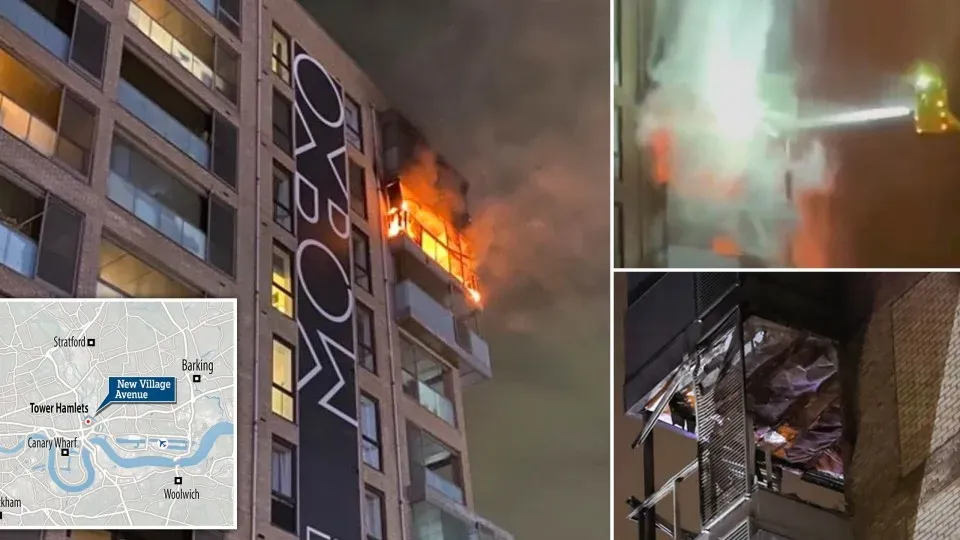
The recent Tower Hamlets fire has become a significant incident, capturing the attention of both local residents and the broader public. Early on January 24, firefighters from the London Fire Brigade were called to battle a fierce blaze in a data building located on Nutmeg Lane, Blackwall. The fire erupted in a battery room situated in the basement of the 13-storey structure, which houses lead-acid batteries, prompting a rapid response from 60 dedicated firefighters. As efforts to extinguish the flames continue, officials have yet to determine the cause of this alarming fire in Tower Hamlets. This incident is a stark reminder of the potential dangers associated with electrical and battery storage facilities, raising questions about safety protocols and fire prevention measures in urban settings.
In a dramatic display of urgency, local fire services are responding to a severe blaze that has engulfed a commercial property in the Tower Hamlets district. Known for its dynamic urban landscape, this area witnessed an intense emergency as the London Fire Brigade mobilized numerous firefighters to combat the flames originating from a basement battery room. This occurrence, often referred to in local reports as the Nutmeg Lane incident, underscores the critical importance of emergency preparedness for residential complexes housing potentially hazardous materials. Fire safety in urban London has become increasingly vital, particularly in structures like the one impacted by this battery room fire. As investigations continue, the community remains on high alert, eager for updates on the situation and its implications.
Understanding the Fire in Tower Hamlets
The recent fire in Tower Hamlets has captured significant attention, as it posed a major challenge for local fire services. On January 24, 2023, the London Fire Brigade was alerted to a serious incident involving a battery fire in Nutmeg Lane’s data building. The blaze erupted in the basement, where lead-acid batteries were stored, creating a hazardous situation that necessitated the deployment of 60 firefighters. Their rapid response was crucial in preventing the fire from spreading further and affecting nearby structures.
Witnesses from the area reported seeing thick plumes of smoke rising from the building, raising immediate concerns for safety among residents and passersby. The firefighter’s efforts to extinguish this fire have underscored the importance of emergency preparedness in urban settings like Tower Hamlets. Additionally, the community remains on high alert, as the investigation into the cause of the fire could reveal critical safety lessons for the local area.
The Response of the London Fire Brigade to the Nutmeg Lane Incident
The London Fire Brigade’s response to the Nutmeg Lane incident demonstrates their commitment to public safety and effective emergency management. Following the initial report of the fire at 4:52 AM, crews rushed to the scene, employing specialized tactics and resources to combat the battery room fire. Given the complexity of such fires, which can release toxic fumes and pose explosion risks, the firefighters’ expertise was crucial in managing the incident.
Throughout the firefighting efforts, the crew ensured that the area was cordoned off, allowing them to work efficiently without risking civilian safety. The rapid mobilization of resources illustrates the capability of the London Fire Brigade to handle emergencies in densely populated urban areas like Tower Hamlets. As investigations commence into the fire’s origin, analyzing their response could also provide insights into improving future protocols for similar incidents.
Community Concerns Following the Fire in Tower Hamlets
After the fire at the Nutmeg Lane data building, the local community expressed a mix of relief and concern. While the swift action of firefighters from the London Fire Brigade managed to contain the fire effectively, residents are left pondering the implications of such incidents in their vicinity. Fires like these, particularly those involving hazardous materials, raise questions regarding safety regulations and the preparedness of local infrastructure, which is invariably linked to residential well-being.
Community meetings have been suggested to discuss the implications of the fire and to address any lingering anxieties among residents. This incident has rekindled discussions about broader safety measures in Tower Hamlets, especially surrounding buildings housing potential fire hazards. Residents are advocating for improved communication from local authorities and more intensive safety audits on sites that store hazardous materials to ensure that similar events do not occur in the future.
Fire Prevention Measures in Tower Hamlets
In light of the recent fire in Tower Hamlets, there is a pressing need to revisit fire prevention measures across the borough. Fire incidents such as the one on Nutmeg Lane highlight the vulnerabilities associated with older buildings and their infrastructure, particularly those containing hazardous materials like lead-acid batteries. Authorities are now being called to ensure that all buildings comply with rigorous safety regulations, aiming to avert potential disasters before they occur.
Moreover, educational campaigns about fire safety could significantly benefit the community. By raising awareness about the risks of battery storage and the importance of proper fire prevention measures, residents can be better equipped to handle emergencies. Workshops and information sessions organized by local fire services could play a critical role in fostering a culture of safety, ultimately contributing to a more secure living environment in Tower Hamlets.
Investigating the Causes of the Battery Room Fire
The investigation into the causes of the battery room fire in Tower Hamlets is a key element of ensuring that such an incident does not happen again. Preliminary reports indicate that fire crews are working closely with fire investigators to determine the specific origins of the blaze. Understanding how the fire started could provide invaluable insights regarding safety practices and the management of materials that pose fire risks.
As the investigation unfolds, it underscores the importance of accountability in building safety protocols. If deficiencies are found in the fire safety measures at the Nutmeg Lane building, appropriate actions must be taken to rectify these issues and educate others similarly situated. The outcome of this investigation will not only affect those directly involved but could also have a broader impact on fire safety regulations throughout London.
Emergency Preparedness in Urban Areas: Lessons from Tower Hamlets
The fire incident in Tower Hamlets serves as a stark reminder of the need for effective emergency preparedness in urban settings. As response times can be critical, ensuring that fire departments are adequately equipped to handle diverse scenarios—including fires in data centers and similar facilities—should be a priority. This incident may compel a re-evaluation of resource allocation by the London Fire Brigade, focusing on training and equipment tailored to address the unique challenges posed by urban infrastructure.
Equally important is the need for the community to engage in emergency preparedness training. Schools, businesses, and households should have clear action plans for fire emergencies. Conducting drills, informing residents about escape routes, and ensuring that all community members understand how to report fires quickly can greatly enhance the overall safety in Tower Hamlets. Encouraging proactive measures can create a culture of preparedness that reduces fear during emergencies.
The Role of Technology in Combatting Fires
The advancement of technology plays a crucial role in modern firefighting efforts, offering valuable tools to combat fires more effectively. In the recent Tower Hamlets blaze, technology likely assisted firefighters in managing the crisis efficiently. Innovations in fire detection, communication, and suppression systems can greatly enhance safety measures in buildings that house dangerous materials, such as the lead-acid batteries involved in the Nutmeg Lane fire.
Moreover, data analysis and predictive modeling can empower fire departments to anticipate fire hazards and strategize their responses. By utilizing cutting-edge technology, the London Fire Brigade can ensure they are better prepared for emergencies. Furthermore, encouraging the integration of smart fire safety solutions in buildings across Tower Hamlets can help mitigate fire risks, fostering a safer community in the long run.
Community Resilience After the Nutmeg Lane Incident
In the aftermath of the fire in Tower Hamlets, there is an opportunity for the community to build resilience. Events like these can bring individuals and families closer together as they rally to support those affected. Establishing local support networks and fostering open lines of communication can help residents feel empowered and connected in the face of adversity. Community resilience not only aids in recovery but also strengthens the overall social fabric, enabling quicker, collective responses to future incidents.
Additionally, engaging with local organizations to provide support services, mental health counseling, and resources for affected families can help mitigate the emotional fallout from such disasters. Building this community network will serve as a foundation for ongoing collaboration in addressing safety concerns and preparing for emergencies. With a strong communal bond, Tower Hamlets can emerge from this incident more united and better prepared to face future challenges.
Long-term Implications of Fires in Urban Settings
The long-term implications of the recent fire in Tower Hamlets extend beyond immediate safety concerns. Such events often lead to lasting changes in urban policy and building regulations as authorities reassess associated risks. The Nutmeg Lane incident serves as a critical case study, prompting discussions about the necessity of stringent safety measures for buildings housing potentially hazardous materials.
In the broader context, ensuring that lessons learned from this and similar fires are integrated into urban planning and emergency management frameworks will be vital in preventing future incidents. This may include adopting new technologies, revising code requirements, and enhancing community engagement. By facing the challenges presented by this fire head-on, Tower Hamlets can set a precedent for other urban areas, reinforcing the importance of safety and preparedness.
Frequently Asked Questions
What happened during the Tower Hamlets fire incident on January 24?
On January 24, a significant fire broke out in Tower Hamlets, specifically in a battery room located in the basement of a 13-storey building on Nutmeg Lane. The London Fire Brigade responded to the emergency, deploying about 60 firefighters to combat the blaze, which was reported around 4:52 AM.
What caused the fire in Tower Hamlets?
The cause of the fire in Tower Hamlets has not yet been determined. The incident involved a battery room fire within a data building on Nutmeg Lane, and investigators are still looking into the circumstances that led to the blaze.
How many firefighters responded to the Tower Hamlets fire?
Approximately 60 firefighters from the London Fire Brigade were dispatched to tackle the Tower Hamlets fire. Their rapid response was crucial in managing the fire that erupted in the battery room.
Is the fire in Tower Hamlets under control?
As of the latest updates, firefighters from the London Fire Brigade are actively working to contain the fire in Tower Hamlets. Their efforts focus on controlling the blaze in the battery room to prevent it from spreading further within the building.
Where did the Tower Hamlets fire take place?
The Tower Hamlets fire took place on Nutmeg Lane, specifically in a basement battery room of a 13-storey data building. This location is within the Blackwall area of Tower Hamlets.
What materials were involved in the Tower Hamlets fire?
The fire in Tower Hamlets primarily involved lead-acid batteries stored in the battery room of the building. This type of fire can pose unique challenges for firefighters due to the nature of the materials involved.
Has anyone been injured in the Tower Hamlets fire incident?
As of now, there have been no reports of injuries related to the fire in Tower Hamlets. The London Fire Brigade’s prompt response has helped to manage the situation effectively.
What steps are being taken to investigate the Tower Hamlets fire?
Investigations into the Tower Hamlets fire are ongoing. The London Fire Brigade will assess the incident to determine the cause and ensure such incidents are mitigated in the future.
Are there any road closures due to the fire in Tower Hamlets?
Yes, there may be road closures in the vicinity of the Tower Hamlets fire on Nutmeg Lane as fire crews work to contain the blaze and ensure public safety.
How can I stay updated about the Tower Hamlets fire and related news?
To stay updated about the Tower Hamlets fire and any related news, follow the London Fire Brigade’s social media channels and local news outlets that cover Tower Hamlets news.
| Key Point | Details |
|---|---|
| Incident Location | Nutmeg Lane, Blackwall, Tower Hamlets |
| Time of Fire Alert | 4:52 AM, January 24 |
| Firefighters Deployed | 60 firefighters from the London Fire Brigade |
| Type of Fire | Battery room fire involving lead-acid batteries |
| Building Details | 13-storey residential building |
| Current Status | Fire containment efforts underway; cause unknown |
Summary
The Tower Hamlets fire has caused significant concern as firefighters battle a blaze that has engulfed a battery room in a residential building. The incident, which began in the early hours of January 24, has seen a substantial response from the London Fire Brigade, with 60 firefighters on the scene to manage the emergency. As investigations continue into the cause of the fire, residents and authorities remain alert to the situation’s developments.