
Listen to this article
Tourette’s syndrome is a neurological disorder that affects countless individuals, often manifesting in sudden and involuntary tics, which may include both movements and vocalizations. This week, the topic gained renewed attention when a guest with Tourette’s syndrome, John Davidson, unintentionally shouted a racial slur during the Bafta Film Awards, highlighting the often misunderstood nature of Tourette’s tics. The incident sparked a conversation about Tourette’s advocacy and the need for greater understanding of the condition, as many people may not realize these tics can include socially unacceptable words. With increasing public awareness, events like this illustrate the importance of understanding Tourette’s and addressing the stigma surrounding it, particularly in media representations. As viewers grapple with the implications of such incidents, it becomes clear that we must promote empathy and understanding towards those living with Tourette’s syndrome.
Tourette’s syndrome, commonly referred to as Tourette’s, is a complex neurological disorder characterized by involuntary motor and vocal tics. This condition, often entangled with misinterpretations and stereotypes, necessitates a broader comprehension of its manifestations. Alternative terminology, like ‘tic disorder’ or ‘involuntary tics,’ can help demystify the experience for those unfamiliar with the challenges associated with the syndrome. Furthermore, events surrounding the Bafta Film Awards incident shed light on the urgent need for education regarding Tourette’s, ensuring society moves beyond stigma and embraces a more compassionate viewpoint. Understanding Tourette’s means recognizing that these involuntary vocalizations or movements do not reflect the individual’s thoughts or values, but rather are a part of their neurological reality.
The Impact of Tourette’s Syndrome on Daily Life
Tourette’s syndrome is a complex neurological disorder characterized by involuntary tics and vocalizations, which can include both motor and phonic tics. Individuals with Tourette’s often face significant challenges in their daily lives due to the unpredictable nature of these tics. For some, this can manifest as sudden, loud outbursts or movements that are difficult to control, leading to misunderstandings and social stigmas. As highlighted in the recent incident during the Bafta Film Awards, where a guest shouted a racial slur due to his tics, this disorder can be misinterpreted as deliberate behavior, which underscores the necessity for better public understanding of Tourette’s syndrome and its challenges.
Living with Tourette’s syndrome involves not only managing the tics but also coping with the societal perceptions surrounding them. Many individuals experience anxiety, depression, and social isolation because of the responses they receive from others who may not comprehend that these tics are not a reflection of their thoughts or personality. Advocacy groups like Tourette’s Action aim to educate the public about this involuntary condition, helping to foster a more inclusive society where individuals with Tourette’s can live without fear of judgment or discrimination.
The recent developments during the Bafta Film Awards serve as a poignant reminder of the necessity for continued advocacy. It highlights how incidents involving Tourette’s can spike public interest and create openings for discussions about the societal misconceptions surrounding the condition. It is essential to create a dialogue that promotes empathy and understanding, which can ultimately lead to more supportive environments for individuals with Tourette’s syndrome.
Raising awareness involves not only elucidating the nature of tics but also addressing the emotional implications they have on individuals. Support from community organizations can help equip individuals and their families with coping strategies, promoting resilience in the face of societal challenges. By encouraging discussions around real-life experiences and informing the public about the involuntary nature of Tourette’s tics, we can break down barriers and enrich the understanding of this complex condition.
Tourette’s Advocacy and Representation in Media
Tourette’s advocacy plays a crucial role in shaping public perceptions of the syndrome, particularly in how it is portrayed in the media. High-profile incidents, such as the one at the Bafta Film Awards, can serve as both a contentious topic and a catalyst for discussion. Advocates like John Davidson, whose experience with Tourette’s shaped the film *I Swear*, are vital in educating the public about the realities of living with this disorder while also highlighting the distinction between involuntary behaviors and conscious actions. This not only helps in mitigating the stigma surrounding Tourette’s but also emphasizes the importance of accurate representation in media.
The portrayal of Tourette’s syndrome in films and television has often been marked by sensationalism, overlooking the nuances of the condition. Advocacy groups push for truthful representation, which is pivotal in shifting narratives around Tourette’s. Events like the Bafta Film Awards incident highlight the need for sensitivity and awareness in media production to accurately depict the lived experiences of individuals with Tourette’s. By doing so, we can help ensure that the narratives conveyed contribute positively to societal views and encourage empathy and understanding.
Furthermore, education around Tourette’s should extend beyond just advocacy; it involves a collaborative effort from filmmakers, writers, and the media to portray characters with conditions like Tourette’s accurately and respectfully. This collaboration is essential to avoid portrayals that can contribute to harmful stereotypes, such as associating Tourette’s solely with aggression or violent outbursts. By fostering a deeper understanding of tics and promoting conversations about the condition, we can pave the way for more inclusive representation in media.
This representation can inform public perceptions and possibly drive policy changes as well. When audiences are given authentic insights into the realities of Tourette’s syndrome through thoughtful storytelling, it helps dismantle prejudices and encourages a more compassionate society. Ultimately, advocacy combined with responsible media portrayal can illuminate the daily challenges faced by individuals with Tourette’s and foster a culture of support and understanding.
Understanding Tourette’s: Breaking Down Myths
Understanding Tourette’s syndrome effectively requires breaking down long-standing myths and misconceptions that cloud the public narrative. A common myth is that individuals with Tourette’s have complete control over their tics, leading to assumptions of intentional misbehavior or offensiveness. However, as advocates and experts explain, Tourette’s is characterized by involuntary tics that are not chosen by the individual. This misinterpretation can lead to significant social ostracism and misunderstanding, making advocacy efforts vital to educate the public.
By focusing on facts rather than stereotypes, we can alter the perceptions surrounding Tourette’s and emphasize the importance of context when discussing incidents like those at the Bafta Film Awards. Many people may be unfamiliar with the nuances of tics, including the subset known as coprolalia, which involves involuntary swearing or the utterance of socially unacceptable words. It’s crucial for advocacy to target educational initiatives that clarify these aspects, promoting dialogues that challenge mainstream societal narratives.
Moreover, discussions about the intersection of Tourette’s and race, especially in light of the racial slur incident at the Bafta ceremony, invite critical reflection on how language and identity converge in complex ways. Acknowledging the roles of both Tourette’s and systemic racism in such incidents is essential in progressing toward a better understanding of how tics can manifest and affect those around individuals with Tourette’s syndrome. These discussions underscore the necessity of approaching Tourette’s awareness with sensitivity and complexity, enabling society to grasp the myriad factors at play.
Effective communication strategies and public engagement initiatives can help bridge the knowledge gap, creating informed communities that are less prone to jump to conclusions during extraordinary incidents. By encouraging those with Tourette’s to share their personal narratives and experiences, advocacy can provide valuable insights on how to approach conversations surrounding the condition with respect and empathy. This not only enriches societal understanding but also contributes to a cultural shift toward acceptance and support.
The Role of Education in Understanding Tourette’s
Education is a fundamental pillar in demystifying Tourette’s syndrome and fostering an inclusive environment for those affected. Schools, workplaces, and community organizations have a unique opportunity to provide insights into Tourette’s through awareness programs that stress involuntary behaviors versus intentional actions. When individuals understand that tics are neurological rather than behavioral choices, it can lead to more compassionate responses and support for those affected.
Incorporating education about Tourette’s into training for educators, employers, and health professionals is imperative. By equipping them with correct information and context regarding tics and their involuntary nature, we can cultivate environments that prioritize understanding and kindness over stigmatization. This educational endeavor not only benefits individuals with Tourette’s but promotes empathy across society.
Moreover, successful education strategies can take various formats, from workshops and informational sessions to engaging audiovisual materials that depict real-life experiences. Storytelling through films like *I Swear* highlights the intricacies of living with Tourette’s, providing authentic insight into daily challenges. This type of representation can inspire viewers, educating them on both the condition and the individual behind the tics, which can contribute to a greater awareness and acceptance.
At the community level, initiatives that invite discussions about Tourette’s encourage open dialogue among peers and family members. This can also create safe spaces for individuals living with Tourette’s to share their experiences, thereby fostering a supportive atmosphere where misunderstandings and misconceptions can be cleared up. Education, when rooted in empathy and interactive engagement, can build stronger bridges between those who have Tourette’s syndrome and those who wish to understand.
The Importance of Informed Responses to Tourette’s
Informed responses to Tourette’s syndrome are essential in reducing stigma and ensuring that individuals are treated with dignity and respect, particularly during public incidents that may arise due to involuntary tics. The recent incident at the Bafta Film Awards is a pertinent example of how a lack of understanding can lead to harmful consequences for those with Tourette’s. When the BBC failed to edit out the racial slur shouted by a guest with Tourette’s, it highlighted the critical need for organizations and the public to respond knowledgeably when faced with similar situations in the future.
Individuals and organizations must prepare to address moments where misunderstood behaviors occur with compassion and clarity. This means acknowledging the involuntary nature of Tourette’s and understanding the broader contexts of what happened. Responses should prioritize education, allowing others to grasp the nuances of the condition. By emphasizing voluntary versus involuntary actions, organizations can help clarify the distinction between how individuals with Tourette’s may react and their true intentions.
As advocates push for societal change, communities can play a significant role in shaping how responses are constructed around these incidents. Training sessions, public discussions, and educational outreach can center on strategies for constructive responses to situations that involve Tourette’s tics or misinterpretations of behavior. By fostering informed narratives, we help ensure that any discussions surrounding Tourette’s evoke empathy and solidarity rather than condemnation.
Ultimately, fostering an environment where informed responses are normalized can strengthen societal relationships, normalizing the conversation around Tourette’s syndrome. Instead of approaching incidents with blame or criticism, societies can cultivate compassion and understanding for those whose experiences may differ from the norm. This collective effort will contribute to a more inclusive world for individuals navigating the complexities of Tourette’s.
Listening to Voices: Personal Experiences with Tourette’s
Listening to personal experiences from individuals with Tourette’s syndrome is a powerful way to foster understanding and empathy. The narratives shared by advocates like John Davidson, whose experiences shaped the film *I Swear*, offer valuable insights into the realities of living with this complex condition. It’s crucial to recognize that every individual’s experience with Tourette’s is unique, characterized by their specific challenges and triumphs.
By amplifying these voices, we can dismantle the stigma surrounding Tourette’s and provide a platform for candid discussions about the disorder. Personal accounts can humanize the narrative, shifting perceptions from misconceptions rooted in stereotypes to authentic representations of individuals’ lives. These discussions invite listeners to engage emotionally, leading to a deeper comprehension of the challenges faced by those with Tourette’s syndrome.
Moreover, stories of resilience and strength from those with Tourette’s can inspire social change, encouraging a more accepting environment. When these personal experiences are shared publicly, whether through films, social media, or community events, they serve as teaching moments for others, illustrating the importance of understanding and respect. This can ultimately lead to increased support for advocacy efforts and education initiatives designed to enhance public knowledge about Tourette’s.
By listening to and learning from the lived experiences of individuals with Tourette’s, we pave the way for an open dialogue, fostering greater empathy within society. This mutual understanding can contribute to breaking down barriers, affirming the essential truth that people with Tourette’s are more than their tics—they are multifaceted individuals deserving of compassion and equal treatment.
Future Outlook: Advancing Understanding of Tourette’s
The future of understanding Tourette’s syndrome hinges on comprehensive education and advocacy efforts that seek to normalize discussions around this neurological condition. The awareness raised by recent incidents, such as the Bafta Film Awards event, presents an opportunity for broader societal reflection on how we perceive and respond to the experiences of those living with Tourette’s. Initiatives aimed at changing these perceptions must leverage media, education, and community engagement to create a more nuanced understanding of Tourette’s.
Looking ahead, the integration of Tourette’s education into school curriculums and workplace training programs will be vital. By proactively addressing the misconceptions surrounding Tourette’s and equipping future generations with the knowledge needed to interact respectfully with individuals affected by the condition, we can foster a society built on empathy and inclusion. Supporting campaigns that specifically target mental health and neurological diversity within larger conversations about disability can also drive impactful change.
Furthermore, the role of media continues to evolve as films and television increasingly present opportunities to reshape narratives surrounding Tourette’s. By ensuring that individuals with Tourette’s are part of the storytelling process, we can cultivate representations that resonate authentically with audiences. A future where media accurately reflects the experiences of those living with Tourette’s can inspire positive change, promoting acceptance both on-screen and off.
Ultimately, the future is one where understanding Tourette’s syndrome becomes ingrained in our societal fabric, allowing for compassion and inclusivity. Through awareness, education, and advocacy efforts, we can create a world that recognizes and celebrates differences while advocating for the dignity of everyone, regardless of their challenges.
Frequently Asked Questions
What is Tourette’s syndrome and how does it relate to involuntary tics?
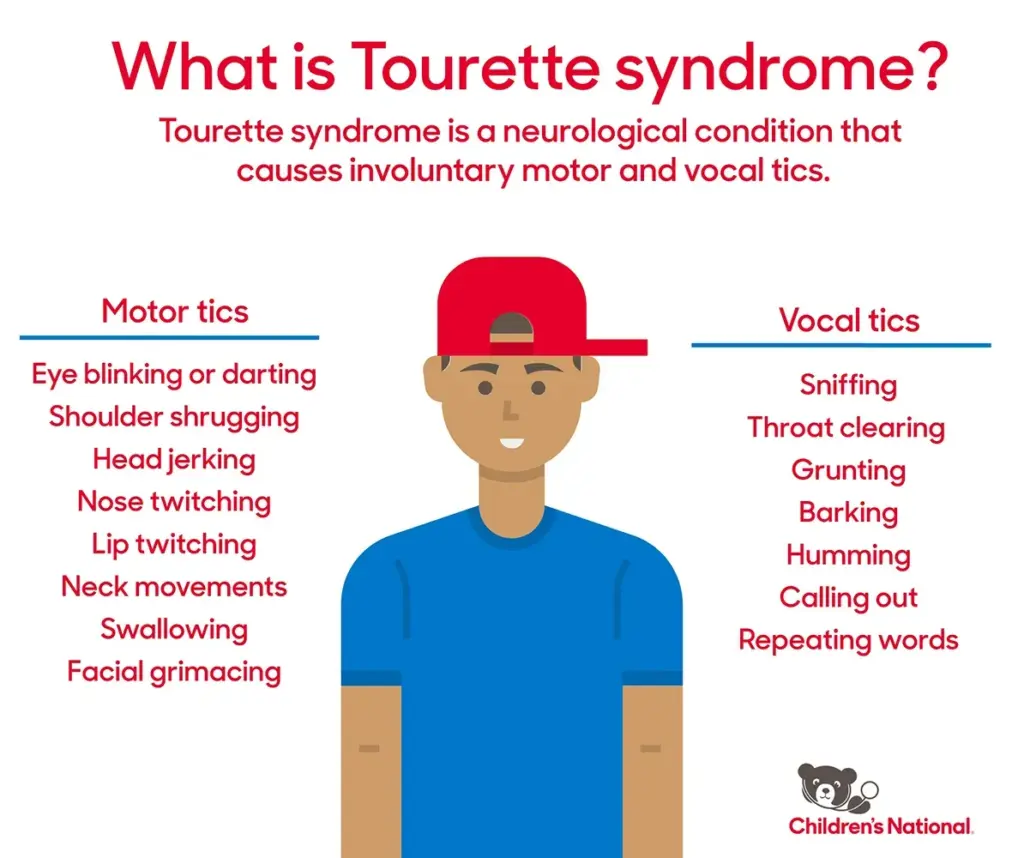
Tourette’s syndrome is a neurological disorder characterized by involuntary tics, which are sudden, repetitive movements or sounds. These tics can include both physical actions, such as blinking or head jerking, and vocalizations, known as vocal tics. In some cases, individuals with Tourette’s might involuntarily shout socially inappropriate or offensive words, a phenomenon known as coprolalia.
How did the Bafta Film Awards incident raise awareness of Tourette’s syndrome?
The Bafta Film Awards incident, where John Davidson shouted an offensive slur due to his Tourette’s syndrome, highlighted the challenges faced by those with the condition. This moment led to a public apology from the BBC and sparked discussions about the involuntary nature of Tourette’s tics, helping to educate viewers about the disorder and promote understanding.
What are the common misconceptions about Tourette’s syndrome and its tics?
Common misconceptions about Tourette’s syndrome include the belief that all individuals with the condition shout obscenities or that they have control over their tics. In reality, Tourette’s tics are involuntary and vary widely among individuals. Most people with Tourette’s do not exhibit coprolalia, and those who do cannot suppress their tics at will.
Who is John Davidson and how does he advocate for Tourette’s syndrome?
John Davidson is a Tourette’s advocate whose life inspired the film *I Swear*. He actively raises awareness about Tourette’s syndrome and the experiences of those who live with the condition. Davidson’s advocacy work focuses on educating the public about the involuntary nature of tics and promoting acceptance and understanding of neurological disorders.
What is coprolalia in Tourette’s syndrome and how does it affect individuals?
Coprolalia is a type of tic associated with Tourette’s syndrome that involves the involuntary utterance of inappropriate or obscene words or phrases. Although it is not experienced by everyone with Tourette’s, those who do experience coprolalia may face social stigma and misunderstanding, making it crucial for the public to learn about the nature of Tourette’s and its tics.
How can society better support individuals with Tourette’s syndrome?
To better support individuals with Tourette’s syndrome, society needs to foster understanding through education about the disorder and its symptoms. Awareness campaigns, such as those led by organizations like Tourette’s Action, play a vital role in dispelling myths and promoting empathy. Encouraging open dialogue and understanding can help create a more inclusive environment for those affected by Tourette’s.
What role does media representation play in understanding Tourette’s syndrome?
Media representation significantly impacts public perception of Tourette’s syndrome. Positive portrayals, like those in films such as *I Swear*, can enhance understanding of the condition while emphasizing the involuntary nature of tics. However, misrepresentation can perpetuate stigma and misunderstanding. It’s essential for creators to approach the topic sensitively, accurately depicting the realities of living with Tourette’s.
How can individuals learn more about Tourette’s syndrome?
Individuals interested in learning more about Tourette’s syndrome can explore resources provided by organizations such as Tourette’s Action. These organizations offer educational materials, support groups, and firsthand accounts from those living with the condition. Additionally, watching films like *I Swear*, which illustrate the experiences of people with Tourette’s, can foster deeper understanding.
| Key Points | Details |
|---|---|
| BBC Apology | The BBC issued an apology for failing to edit out a racial slur shouted by a guest during the Bafta Film Awards. |
| Incident Description | John Davidson, who has Tourette’s syndrome, shouted the N-word while black actors presented an award, which was audible during the broadcast. |
| Delayed Broadcast | The incident aired on BBC One with a two-hour delay but was not edited out. It was initially available on iPlayer before being removed. |
| Public Reactions | Viewers had mixed reactions, with some understanding the involuntary nature of tics while others expressed offense at the racial slur. |
| Understanding Tourette’s Syndrome | Tourette’s syndrome causes involuntary tics, which can sometimes include socially inappropriate utterances, including swearing. |
| Advocacy and Awareness | Davidson and supporters hope the incident raises awareness about Tourette’s syndrome and the nature of such tics. |
Summary
Tourette’s syndrome has become a focal point of discussion following a recent incident at the Bafta Film Awards, where a racial slur was shouted by a guest with the condition. The event has sparked widespread conversation about the involuntary nature of tics associated with Tourette’s syndrome, emphasizing that such utterances do not represent the individual’s beliefs or intentions. It is crucial for the public to gain a deeper understanding of this neurological condition and recognize the everyday challenges faced by those with Tourette’s syndrome.