Listen to this article
As we navigate through 2023, understanding UK loan interest rates is more vital than ever for consumers and businesses alike. With the Bank of England adjusting interest rates in response to economic pressures, today’s loan interest rates trends reveal a landscape filled with both challenges and opportunities. Higher borrowing costs are leading many to reconsider their financial strategies, particularly regarding mortgages and personal loans. The shifting dynamics have sparked increased interest in fixed-rate loans UK, offering predictability amid rising costs. This article provides insights into the current landscape of 2023 mortgages in the UK, equipping you with essential knowledge to make informed financial decisions.
In 2023, the atmosphere surrounding borrowing costs in the UK has become increasingly complex, affecting various loan types, including short-term loans UK and fixed-rate options. With the ongoing adjustments to the Bank of England interest rates, a broad spectrum of economic factors impacts the affordability of borrowing for both individuals and businesses. As rates climb, discerning borrowers are seeking stability, prompting a notable shift towards fixed-rate mortgage options and short-term financing solutions. The interplay of these shifts highlights the importance of being informed about current lending practices and understanding the implications of the evolving financial environment. This explanatory piece aims to shed light on these trends, guiding you through the intricacies of the current loan landscape.
Understanding Loan Interest Rates Trends for 2023
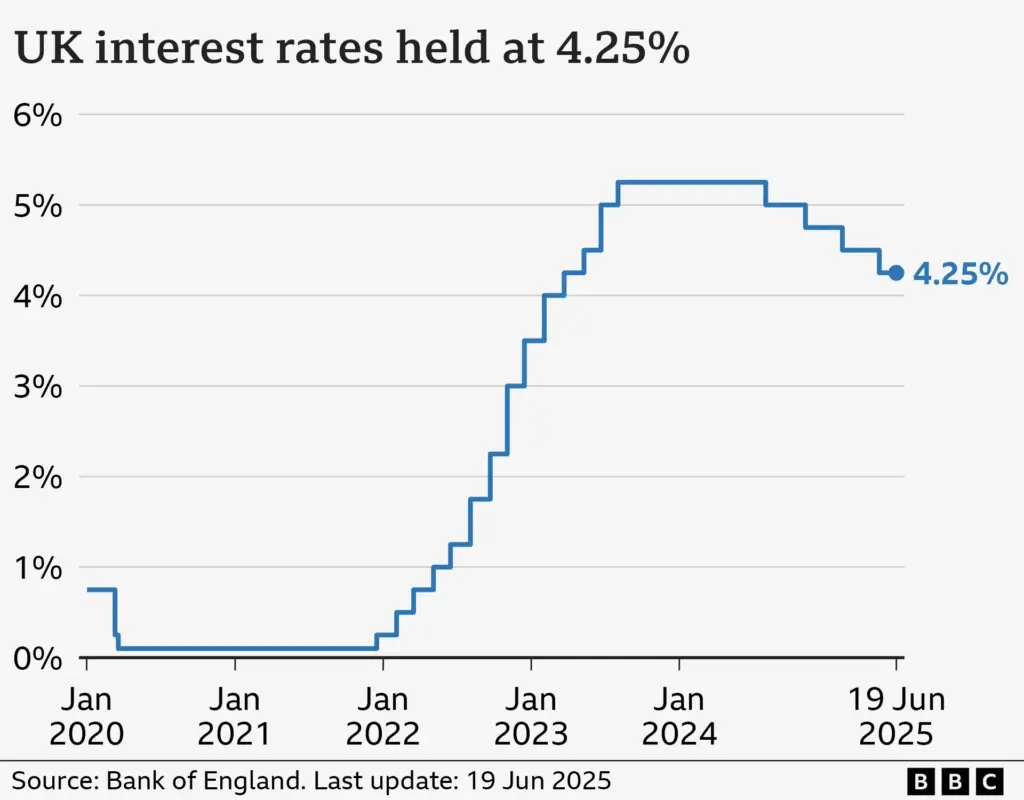
As we delve deeper into 2023, it’s essential to grasp the evolving trends influencing UK loan interest rates. These rates reflect the decision-making processes of the Bank of England and the broader economic context. With inflation levels on the rise, many analysts predict that sustained increases in interest rates are likely as the BoE aims to bring inflation back under control. This creates an environment where understanding loan interest rates trends becomes crucial for potential borrowers, who can leverage this knowledge to make informed financial decisions.
The interaction between central bank policies and market demands forms the crux of loan interest rates trends in the UK. As we see fluctuations in inflation and consumer sentiment, borrowers must stay updated on these changes. Whether it’s to secure the best mortgage possible or to explore personal loan options, being aware of these trends can pay dividends in securing better rates and tailoring borrowing strategies.
UK Loan Interest Rates 2023: The Rise of Fixed-Rate Loans
In response to the increasing interest rates projected for 2023, many borrowers are gravitating towards fixed-rate loans. This trend offers a sense of stability amid the fluctuations of variable rates, which can lead to uncertainty in budgeting and financial planning. Fixed-rate loans allow borrowers to lock in their interest rates for the duration of the loan term, typically ranging from two to five years, effectively shielding them from future hikes in the base rate set by the BoE.
Furthermore, as competition heats up amongst lenders to provide attractive fixed-rate offers, borrowers may find themselves in a position to negotiate terms. However, it’s crucial to assess whether these fixed rates come at a premium compared to the previous year. Borrowers should weigh the benefits of predictability against potential higher costs to determine the most suitable financing solution for their needs.
Impact of Bank of England Interest Rates on Mortgages
The Bank of England’s interest rate decisions significantly influence mortgage rates and overall lending conditions in the UK. As the BoE increases its base rate to combat inflation, borrowers are likely to encounter higher mortgage rates, making home purchases more expensive. For aspiring homeowners, understanding the timing of these rate adjustments and how they affect mortgage affordability is critical to making sound purchasing decisions.
Moreover, existing homeowners contemplating remortgaging should closely monitor the Bank of England’s announcements. As fixed-rate deals expire, many may be faced with a stark reality of higher costs associated with renewing their mortgages. Consequently, it becomes vital for borrowers to stay informed about BoE policies and economic indicators to navigate the mortgage landscape effectively.
Short-Term Loans in an Increasing Interest Rate Environment
In 2023, there is a notable trend towards short-term loans as borrowers seek to mitigate financial risk amid rising interest rates. This preference can be attributed to the perception that short-term loans are less impacted by the volatile nature of long-term interest rates. Many businesses and individuals are opting for these loans to manage immediate cash flow needs without committing to prolonged financial obligations.
Short-term loans also provide flexibility as borrowers can pay them off quickly, minimizing their exposure to further interest rate increases. However, while these loans can alleviate pressure, they require diligent financial planning to ensure that repayment timelines align with income streams, reinforcing the importance of responsible borrowing in a rising rate environment.
Creditworthiness and Loan Assessments in 2023
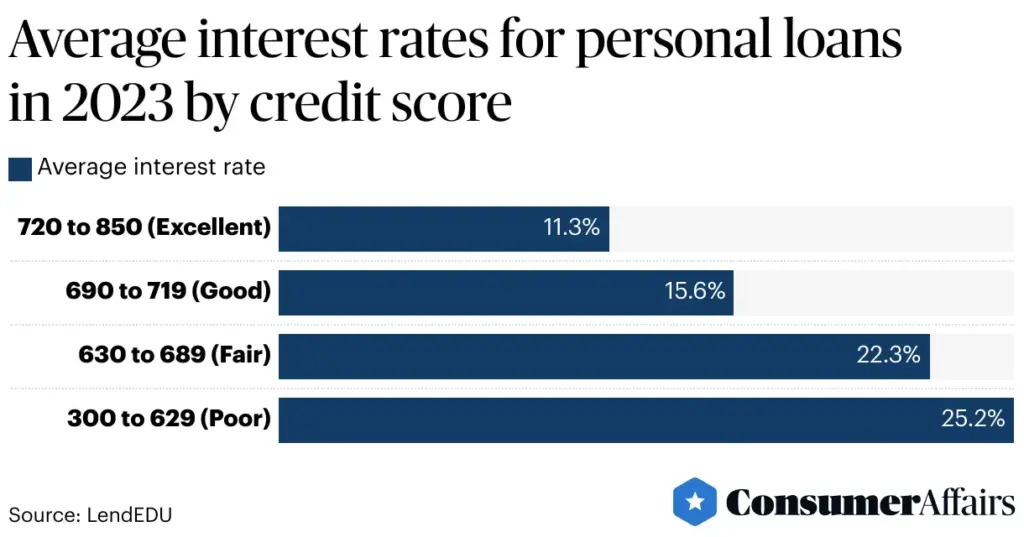
With the current trend of increasing interest rates, creditworthiness assessments are becoming more stringent among lenders. In 2023, it’s crucial for borrowers to understand the significance of a strong credit profile. Lenders are not only focusing on credit scores but are also considering stable income and lower debt-to-income ratios, which could influence the terms of any loan they’re willing to offer.
Potential borrowers should proactively work on improving their credit scores, ensuring timely payment of existing debts, and managing finances prudently. A robust credit profile not only enhances eligibility but can also lead to more competitive interest rates, offering significant savings in the long run.
The Role of Government Policies in Shaping Loan Interest Rates
Government initiatives and policies have a profound impact on loan interest rates and market dynamics. With ongoing efforts to support first-time homebuyers and address housing needs, we might see certain programs that can help stabilize interest rates, especially for fixed-rate loans. Additionally, as sustainability becomes a significant focus, green loans may provide an opportunity for borrowers to access lower interest rates, promoting environmentally responsible practices in the mortgage market.
Moreover, economic policies aimed at fostering job creation and managing inflation levels can influence consumer confidence and borrowing behavior. A stable political landscape and clear fiscal measures can reassure consumers, positively impacting their borrowing decisions and overall loan demand.
Understanding Loan Interest Rates Trends for 2023
As we delve deeper into 2023, it’s essential to grasp the evolving trends influencing UK loan interest rates. These rates reflect the decision-making processes of the Bank of England and the broader economic context. With inflation levels on the rise, many analysts predict that sustained increases in interest rates are likely as the BoE aims to bring inflation back under control. This creates an environment where understanding loan interest rates trends becomes crucial for potential borrowers, who can leverage this knowledge to make informed financial decisions.
The interaction between central bank policies and market demands forms the crux of loan interest rates trends in the UK. As we see fluctuations in inflation and consumer sentiment, borrowers must stay updated on these changes. Whether it’s to secure the best mortgage possible or to explore personal loan options, being aware of these trends can pay dividends in securing better rates and tailoring borrowing strategies.
UK Loan Interest Rates 2023: The Rise of Fixed-Rate Loans
In response to the increasing interest rates projected for 2023, many borrowers are gravitating towards fixed-rate loans. This trend offers a sense of stability amid the fluctuations of variable rates, which can lead to uncertainty in budgeting and financial planning. Fixed-rate loans allow borrowers to lock in their interest rates for the duration of the loan term, typically ranging from two to five years, effectively shielding them from future hikes in the base rate set by the BoE.
Furthermore, as competition heats up amongst lenders to provide attractive fixed-rate offers, borrowers may find themselves in a position to negotiate terms. However, it’s crucial to assess whether these fixed rates come at a premium compared to the previous year. Borrowers should weigh the benefits of predictability against potential higher costs to determine the most suitable financing solution for their needs.
Impact of Bank of England Interest Rates on Mortgages
The Bank of England’s interest rate decisions significantly influence mortgage rates and overall lending conditions in the UK. As the BoE increases its base rate to combat inflation, borrowers are likely to encounter higher mortgage rates, making home purchases more expensive. For aspiring homeowners, understanding the timing of these rate adjustments and how they affect mortgage affordability is critical to making sound purchasing decisions.
Moreover, existing homeowners contemplating remortgaging should closely monitor the Bank of England’s announcements. As fixed-rate deals expire, many may be faced with a stark reality of higher costs associated with renewing their mortgages. Consequently, it becomes vital for borrowers to stay informed about BoE policies and economic indicators to navigate the mortgage landscape effectively.
Short-Term Loans in an Increasing Interest Rate Environment
In 2023, there is a notable trend towards short-term loans as borrowers seek to mitigate financial risk amid rising interest rates. This preference can be attributed to the perception that short-term loans are less impacted by the volatile nature of long-term interest rates. Many businesses and individuals are opting for these loans to manage immediate cash flow needs without committing to prolonged financial obligations.
Short-term loans also provide flexibility as borrowers can pay them off quickly, minimizing their exposure to further interest rate increases. However, while these loans can alleviate pressure, they require diligent financial planning to ensure that repayment timelines align with income streams, reinforcing the importance of responsible borrowing in a rising rate environment.
Creditworthiness and Loan Assessments in 2023
With the current trend of increasing interest rates, creditworthiness assessments are becoming more stringent among lenders. In 2023, it’s crucial for borrowers to understand the significance of a strong credit profile. Lenders are not only focusing on credit scores but are also considering stable income and lower debt-to-income ratios, which could influence the terms of any loan they’re willing to offer.
Potential borrowers should proactively work on improving their credit scores, ensuring timely payment of existing debts, and managing finances prudently. A robust credit profile not only enhances eligibility but can also lead to more competitive interest rates, offering significant savings in the long run.
The Role of Government Policies in Shaping Loan Interest Rates
Government initiatives and policies have a profound impact on loan interest rates and market dynamics. With ongoing efforts to support first-time homebuyers and address housing needs, we might see certain programs that can help stabilize interest rates, especially for fixed-rate loans. Additionally, as sustainability becomes a significant focus, green loans may provide an opportunity for borrowers to access lower interest rates, promoting environmentally responsible practices in the mortgage market.
Moreover, economic policies aimed at fostering job creation and managing inflation levels can influence consumer confidence and borrowing behavior. A stable political landscape and clear fiscal measures can reassure consumers, positively impacting their borrowing decisions and overall loan demand.
Frequently Asked Questions
What are the current UK loan interest rates trends in 2023?
In 2023, UK loan interest rates are experiencing a noticeable rise, primarily due to increases in the Bank of England’s base interest rate, which currently stands at around 4.5%. This trend affects various types of lending, including mortgages and personal loans, leading to higher borrowing costs for consumers.
How do Bank of England interest rates affect my personal loans in 2023?
Bank of England interest rates significantly influence personal loans in 2023. As the BoE raises rates to combat inflation, lenders typically adjust their own rates upwards, resulting in increased borrowing costs for consumers seeking personal loans or credit.
What should I know about 2023 mortgages in the UK regarding interest rates?
In 2023, fixed-rate mortgages in the UK are becoming more popular due to the rising interest rate environment. Borrowers are seeking stability in their payments as the Bank of England raises rates, making fixed options more appealing, despite their higher costs compared to previous years.
Are short-term loans in the UK becoming more favorable in 2023?
Yes, short-term loans are gaining traction in the UK in 2023. Borrowers view them as less risky amid rising interest rates, as they offer reduced financial exposure compared to long-term commitments. Many prefer these loans for their flexibility in managing expenses without long-term debt burdens.
How can I improve my chances of getting favorable loan interest rates in 2023?
To improve your chances of receiving favorable loan interest rates in 2023, focus on enhancing your creditworthiness. This includes maintaining a strong credit score, ensuring stable income, and managing your debt-to-income ratio effectively, as lenders are becoming more stringent in their assessments.
What impact do economic policies have on UK loan interest rates in 2023?
Economic policies significantly impact UK loan interest rates in 2023. Government initiatives aimed at supporting housing and sustainability can influence market dynamics, while broader policies affecting inflation and job creation directly affect consumer confidence and subsequently borrowing behaviors and interest rates.
| Trend | Description |
|---|---|
| Rising Interest Rates | Loan interest rates are increasing, with the BoE’s base rate reaching around 4.5% in mid-2023, affecting all loan types. |
| Increased Demand for Fixed-Rate Loans | Borrowers are opting for fixed-rate loans to secure predictable payments amidst rising rates. |
| Focus on Short-term Loans | There’s a shift towards short-term loans as borrowers seek to minimize exposure to fluctuating rates. |
| Enhanced Creditworthiness Assessment | Lenders are stricter in assessing creditworthiness, making a strong credit profile more crucial for borrowers. |
| Impact of Economic Policies and Trends | Government initiatives and policies are evolving, influencing loan availability and rates, especially for first-time buyers and sustainable projects. |
Summary
UK Loan Interest Rates 2023 are being shaped by a variety of trends that borrowers need to understand to make informed financial choices. Rising rates signal a need for consumers to be proactive; securing fixed-rate loans is becoming more appealing to mitigate risks associated with fluctuating rates. Short-term loans are gaining popularity as borrowers aim to avoid high costs, while stringent credit assessments mean that maintaining a good credit score is more essential than ever. Moreover, government policies are introducing new lending options that may benefit specific groups. In summary, staying informed about these trends will help borrowers navigate the complex landscape of loan interest rates throughout 2023.