Listen to this article
Mortgage rates are a critical consideration for any prospective or current homeowner, influencing everything from monthly payments to long-term financial stability. As interest rates fluctuate, largely due to the Bank of England’s economic policies, understanding these dynamics becomes ever more essential. Homeowners seeking to navigate mortgage offers can benefit from insightful tips on managing their rates effectively. In this blog post, we will explore key strategies to help you stay informed, whether you’re looking to refinance or secure a fixed-rate mortgage that provides budgeting predictability. With the right knowledge and preparation, you can make the most of your mortgage rate decisions and enhance your financial wellness.
When it comes to home financing, the terms “mortgage rates” and “interest rates” are crucial to understanding your financial landscape. Home loans’ costs can significantly fluctuate based on economic shifts influenced by banks like the Bank of England. For both existing homeowners and those considering home purchase, grasping the nuances of fixed-rate versus adjustable-rate loans can optimize financial planning. Resources such as homeowner tips on refinancing can empower individuals to make informed decisions that align with their unique financial scenarios. Being aware of current economic trends will enhance your chances of securing favorable mortgage conditions, ultimately leading to smarter financial outcomes.
Exploring the Impact of Bank of England Policies on Mortgage Rates
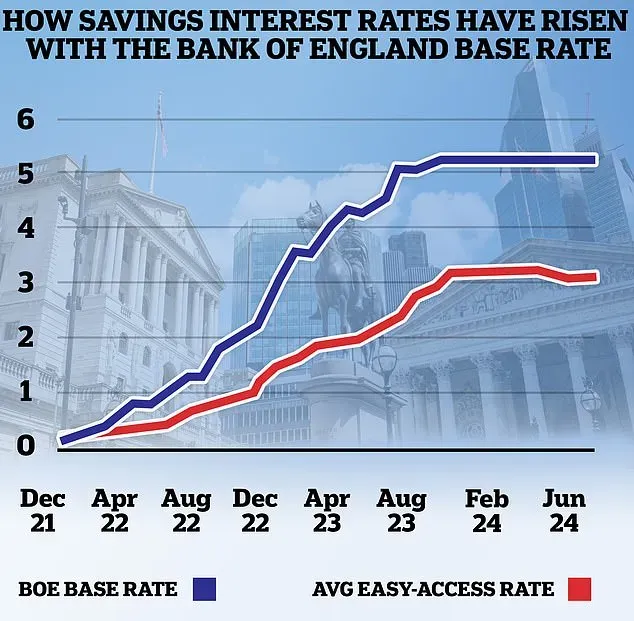
The Bank of England is a pivotal institution that influences economic stability through its monetary policies, particularly regarding interest rates. When the BoE raises or lowers the base rate, it has a ripple effect on mortgage rates across the country. For homeowners, this means that understanding the BoE’s stance is essential; even small changes can significantly affect monthly mortgage payments. By monitoring the communications from the Bank, such as their inflation reports and economic forecasts, homeowners can better anticipate changes to their financing costs.
Additionally, the influence of the Bank of England’s policies extends beyond immediate changes in interest rates. Homeowners should also consider what these policy shifts signal about the broader economic environment. For example, if the BoE raises rates due to inflation fears, it may also indicate that costs of living will rise, which could impact household budgeting. Thus, staying informed not only helps with managing current mortgage rates but also aids in long-term financial planning.
Strategies for Shopping Around for Competitive Mortgage Rates
In a competitive mortgage landscape, it’s crucial for homeowners to shop around and compare rates from multiple lenders. Online comparison tools are invaluable in this regard, allowing homeowners to see a range of offers quickly. Additionally, speaking with mortgage brokers can provide clarity on which lenders may be more responsive to changes in interest rates set by the Bank of England. This proactive approach can lead to significant savings over the life of a mortgage.
Moreover, Homeowners should be vigilant about not just the interest rate, but also the overall terms and conditions of the mortgage. Some lenders may offer lower rates but compensate with higher fees or unfavorable terms that could lead to higher costs long-term. Therefore, analyzing the total cost of the mortgage, including fees for set-up, servicing, and early repayment, is essential to ensure you’re making the best financial decision.
Understanding the Importance of Locking in Your Mortgage Rate
Locking in your mortgage rate can be a key strategy when faced with a volatile market influenced by changing interest rates. Once you find a favorable rate, a rate lock ensures that you can secure that price, even if rates fluctuate during the time it takes to complete your mortgage application. This added security can be particularly beneficial in times of economic uncertainty or when the Bank of England is hinting at future rate increases.
However, it’s important to understand the terms of the rate lock, as they typically last from 30 to 90 days. If your approval process takes longer than expected, you might end up losing the locked-in rate. Therefore, homeowners should prepare their financial documents ahead of time and communicate clearly with their lenders to ensure a smooth application process, allowing them to take full advantage of the locked rate.
When to Consider Refinancing Your Mortgage
Refinancing is a strategic option for homeowners looking to lower their monthly payments or access equity in their homes. It becomes particularly advantageous when mortgage rates drop significantly below current rates. As interest rates set by the Bank of England fluctuate, homeowners should continually assess whether their current rate is competitive. If the rates go lower, refinancing can save thousands over the life of the loan.
Nevertheless, refinancing comes with its own set of costs that must be evaluated. While it may lower monthly payments, various fees—such as appraisal fees, closing costs, and potential prepayment penalties—can diminish those savings. Therefore, it’s crucial for homeowners to conduct a cost-benefit analysis before proceeding with refinancing to ensure it aligns with their long-term financial goals.
Choosing Between Fixed-Rate and Variable-Rate Mortgages
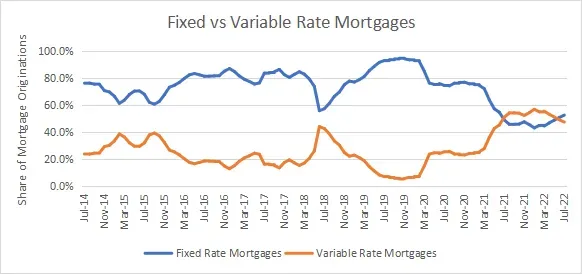
The decision between a fixed-rate and a variable-rate mortgage can greatly influence a homeowner’s financial health. Fixed-rate mortgages offer stability, locking in a set rate for the duration of the loan. This predictability is often preferable for homeowners who value certainty in budgeting and long-term planning, especially in uncertain economic climates influenced by the Bank of England’s rate changes.
On the other hand, variable-rate mortgages can present opportunities for lower initial payments that may adjust over time based on the Bank of England’s interest rate decisions. While they can lead to cost savings during low-rate periods, homeowners need to be cautious of potential rate hikes and prepare for higher payments if the market shifts. Understanding the pros and cons of each type is essential for making an informed mortgage choice that aligns with personal financial situations.
Staying Informed About Economic Trends and Their Effect on Mortgage Rates
Understanding the economic landscape is key to successfully navigating the complexities of mortgage rates. High inflation, fluctuating employment rates, and overall economic growth all play vital roles in shaping the interest rates set by the Bank of England. Homeowners should regularly review economic indicators to glean insights into potential rate changes, which can impact their mortgage decisions significantly.
In addition, seeking knowledge about how macroeconomic conditions affect personal finance can empower homeowners. By staying informed about these trends, they can anticipate shifts in interest rates and take proactive measures, whether it be locking in a mortgage rate or considering refinancing options when advantageous. Awareness of economic signals will better equip homeowners to make timely and strategic decisions regarding their mortgage and finances.
Frequently Asked Questions
How do Bank of England decisions affect mortgage rates?
The Bank of England (BoE) significantly influences mortgage rates through its base rate decisions. When the BoE raises or lowers interest rates, lenders typically adjust their mortgage rates accordingly. Homeowners should keep an eye on the BoE’s announcements to anticipate potential changes to their mortgage rates.
What should homeowners consider when refinancing their mortgage?
Homeowners considering refinancing should look for lower interest rates compared to their current mortgage, especially in light of Bank of England trends. Evaluating the total refinancing costs is crucial; sometimes, lower rates may come with high fees, making refinancing less beneficial.
What are the benefits of a fixed-rate mortgage compared to a variable-rate mortgage?
A fixed-rate mortgage offers stability and predictability, as the interest rate remains constant over the term of the loan. This is especially appealing when mortgage rates are volatile. In contrast, a variable-rate mortgage can fluctuate based on the Bank of England’s interest rates, potentially leading to lower initial payments but increased costs if rates rise.
How can homeowners maximize their chances of getting the best mortgage rates?
To secure the best mortgage rates, homeowners should shop around and compare offers from various lenders, including banks and credit unions. Utilizing online comparison tools can help, as different lenders may react differently to changes in the Bank of England’s base rate. Additionally, locking in a favorable rate when found is a smart strategy.
What economic factors should homeowners watch to predict mortgage rate changes?
Homeowners should monitor broader economic indicators such as inflation rates, employment data, and economic growth forecasts. These factors often correlate with changes in mortgage rates as the Bank of England adjusts interest rates to manage economic conditions, impacting homeowners’ mortgage costs.
Why is it important for homeowners to stay informed about mortgage rates?
Staying informed about mortgage rates is crucial for homeowners to make educated financial decisions, especially in a climate of fluctuating rates influenced by the Bank of England. Being proactive can help them lock in favorable rates, effectively manage refinancing options, and navigate the complexities of home financing.
| Key Point | Details |
|---|---|
| Introduction | Navigating mortgage rates can be tricky due to fluctuations, especially influenced by the Bank of England. |
| Understanding Mortgage Rates | Mortgage rates depend on economic conditions and central bank decisions. |
| Keep an Eye on the Bank of England’s Movements | Regularly review the BoE’s statements as they directly impact mortgage rates. |
| Shop Around for the Best Rates | Compare offers from different lenders to find the best rates available. |
| Lock in Your Rate | Secure a favorable mortgage rate to protect against future increases. |
| Refinance When Appropriate | Consider refinancing if lower interest rates can save you money. |
| Understand Your Mortgage Type | Know the difference between fixed-rate and variable-rate mortgages. |
| Consider a Fixed Rate Mortgage | Fixed-rate mortgages provide stability and predictability against rising rates. |
| Stay Informed About Economic Trends | Economic conditions influence mortgage rates; stay updated to make informed decisions. |
| Consult Financial Advisors | Seek guidance from experts tailored to your financial situation. |
| Leverage Home Equity | Consider using home equity loans for additional funds cautiously. |
| Be Patient and Strategic | Consider waiting for favorable mortgage rates before making big decisions. |
Summary
Mortgage rates are a crucial aspect of home financing that requires careful consideration and strategy. By understanding the factors that influence mortgage rates, like those from the Bank of England, homeowners can make informed decisions. Shopping for the best mortgage rates, locking in favorable rates, and knowing when to refinance are essential steps in managing mortgage costs effectively. Furthermore, being vigilant about economic trends and leveraging expert advice can help homeowners navigate this complex terrain successfully.