Listen to this article
Credit card interest rates are a pivotal element of personal finance, directly affecting how much consumers pay for borrowing. Understanding credit card interest is essential for anyone aiming to manage their financial health effectively. Several factors influencing credit card rates include your credit score, current economic conditions, and market competition among lenders. By grasping these concepts, you can learn how to lower credit card rates and improve your financial situation. This article delves into the nuances of credit card interest, offering insights on how to navigate this complex landscape and make informed decisions.
When we talk about the costs associated with credit cards, one major component is the interest applied on outstanding balances. These borrowing costs, often dictated by a variety of elements, shape how consumers engage with their credit. Grasping the dynamics behind credit card pricing – from your personal financial standing to broader economic trends – can empower you to make smarter financial choices. Terms like “borrowing costs” and “debt management” become crucial for understanding how to navigate credit effectively. This discussion will shed light on the critical aspects that influence how much your credit card will ultimately cost you.
Understanding Credit Card Interest Rates
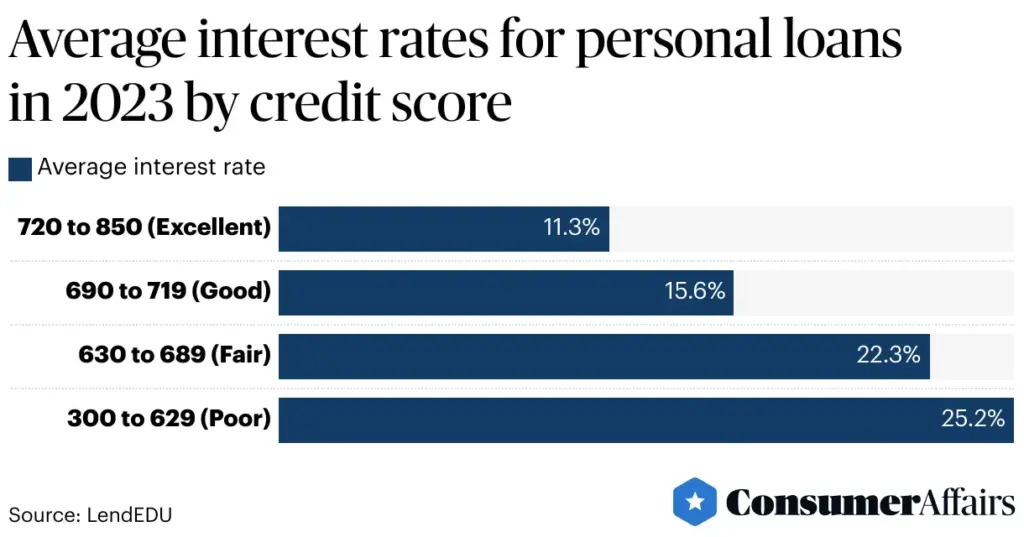
Credit card interest rates can seem complicated at first, but they are essentially the cost of borrowing money through credit. These rates are expressed in annual percentage rates (APR) and can vary widely based on numerous factors. At the heart of this complexity lies the understanding of how lenders calculate these rates, which involves assessing the consumer’s creditworthiness as well as the economic environment at the time. A borrower with a higher credit score often enjoys lower interest rates because it reflects a history of responsible credit management, while those with lower scores may face significantly higher rates due to increased risk.
Moreover, interest rates are not static and can fluctuate based on external economic factors as well. For instance, during periods of economic growth, lenders may offer lower rates in an effort to attract new customers. Conversely, in a struggling economy or when inflation rates rise, lenders may opt to increase interest rates to safeguard their profits. This dynamic nature of interest rates means consumers must regularly educate themselves about market trends and be proactive in managing their credit to minimize costs.
Factors Influencing Credit Card Rates
Several key factors influence credit card interest rates, with economic conditions being one of the most significant. The Federal Reserve’s monetary policies, for example, can have an immediate impact on interest rates, thereby affecting what consumers pay. When the Fed raises the federal funds rate, credit card issuers often follow suit, increasing their rates to maintain profit margins. As a result, consumers should keep an eye on these rates and their broader economic implications to better predict potential changes in their credit card costs.
Another crucial element in determining credit card interest rates is the individual consumer’s credit score. A higher score demonstrates to lenders that a consumer has a lower likelihood of defaulting on their payments, resulting in more favorable interest rates. Conversely, a poor credit score may lead to higher rates as lenders see these consumers as higher risk. Therefore, individuals looking to secure lower rates should focus on improving their credit score through timely payments and responsible credit management.
Strategies to Lower Credit Card Interest Rates
Consumers looking to lower their credit card interest rates have several effective strategies at their disposal. One of the most straightforward methods is to negotiate directly with credit card issuers. Many companies are willing to offer lower rates to retain customers, especially if there is no significant change in the consumer’s creditworthiness. This negotiation can be particularly successful for individuals who have maintained a good payment history and a solid credit score.
Another widely used strategy involves considering balance transfer offers from different credit card issuers. These offers often come with promotional interest rates lower than the consumer’s current rate. However, it’s essential to read the terms carefully and consider any fees that may be associated with transferring balances, as these could negate any potential savings. By being strategic and utilizing competitive offers within the credit card market, consumers can significantly reduce their overall interest payments.
The Economic Impact on Credit Card Rates
Economic conditions dramatically shape the landscape of credit card interest rates. In times of economic expansion, consumers may notice that interest rates tend to decline as lenders compete for market share and seek to attract new customers. This competitive environment can lead to advantageous offers for consumers, especially those with good credit scores. On the contrary, during economic downturns or periods of high inflation, companies may react by increasing rates to mitigate risk and protect profit margins.
Inflation poses its own challenges as rising prices diminish purchasing power. As a countermeasure, lenders may elevate interest rates to compensate. This cycle underscores the importance of understanding how macroeconomic factors can influence individual borrowing costs. Consumers who stay informed about these economic indicators can make more educated decisions regarding credit card usage and timing repayments to avoid incurring higher interest charges.
Improving Your Credit Score for Better Rates
One of the most impactful ways to lower credit card interest rates is by improving your credit score. This score, which is derived from various components including payment history, credit utilization, and lengths of credit history, determines the risk you present to lenders. A higher credit score not only qualifies you for lower interest rates but may also unlock additional benefits, such as more favorable terms on loans or credit cards.
To effectively improve your score, it’s vital to practice good financial habits, such as making repayments on time, reducing the amount of debt relative to your total credit limit, and regularly checking your credit report for errors. Implementing these strategies may take time, but the long-term benefits of lower interest rates make the effort worthwhile. As consumers understand the mechanisms behind their credit scores, they will be better equipped to influence these factors positively.
Navigating the Competitive Credit Card Market
The competitive landscape of the credit card market plays a crucial role in determining interest rates for consumers. With numerous issuers striving to capture their attention, they often create attractive offers that can benefit savvy consumers. By comparing various credit card options, individuals can find not just lower rates but also lucrative rewards programs and promotional offers that enhance the overall value of their credit products.
In this competition, understanding the different features and terms associated with each card becomes essential. While one card may offer a lower interest rate, another might provide valuable rewards or cashback opportunities that can make it the better option in the long run. By diligently assessing each offer, consumers can harness this competitive environment to secure the lowest interest rates while taking advantage of additional benefits, ultimately maximizing their financial well-being.
Frequently Asked Questions
What factors influence credit card interest rates today?
Several factors influence credit card interest rates today including the Federal Reserve’s rates, your credit score, and current economic conditions. Understanding these factors can help you manage your credit effectively and potentially lower your rates.
How can I lower my credit card interest rates?
To lower your credit card interest rates, focus on improving your credit score by making timely payments, reducing debt, and avoiding excessive credit inquiries. Additionally, explore different credit card offers as market competition may present opportunities for better rates.
What should I understand about credit card interest?
Understanding credit card interest involves knowing how rates are determined, including your credit score and the issuer’s policies. It’s crucial to read your card’s terms to comprehend interest calculations, grace periods, and factors affecting rates like economic conditions.
How do economic conditions impact credit card interest rates?
Economic conditions significantly impact credit card interest rates. During economic downturns, issuers might increase rates to mitigate their risk, whereas favorable economic climates can lead to lower rates as lenders compete for customers.
How does improving my credit score affect credit card interest rates?
Improving your credit score can lead to lower credit card interest rates, as a higher score indicates to lenders that you are a responsible borrower. You can enhance your score by making on-time payments and reducing overall debt.
How does competition in the credit card market affect interest rates?
Competition in the credit card market affects interest rates, as credit card issuers often lower rates to attract new customers. By comparing different offers, consumers can take advantage of competitive rates and find cards that best suit their financial needs.
| Factor | Description | Implications |
|---|---|---|
| Federal Reserve Rates | The Fed’s influence on overall interest rates affects credit card rates. | Consumers should track Fed decisions for potential interest changes. |
| Credit Score | A determinant of interest rates due to perceived risk from lenders. | Higher scores lead to lower rates; score maintenance is crucial. |
| Economic Conditions | General economic health influences borrowing risk and rates. | Monitor economic indicators to anticipate potential rate changes. |
| Competitive Landscape | Issuer competition can lead to rate fluctuations based on market strategy. | Consumers can benefit by comparing offers from different issuers. |
| Card Type and Issuer Policies | Different credit cards have varying interest rates based on their features. | Understanding card agreements is important for informed choices. |
| Payment History and Usage | Timely payments and credit utilization impact lending risk assessments. | Keep usage below 30% and make payments on time to lower rates. |
| Current Balance and Payment Behavior | Balancing strategy influences issuer assessment and potential rates. | Prioritized payments can lead to lower reported balances, impacting rates. |
Summary
Credit card interest rates are influenced by several key factors that every consumer should understand to manage their financial health effectively. The Federal Reserve rates can lead to fluctuations in interest rates, while individual credit scores significantly determine the rates offered by lenders. Economic conditions and competition among credit card issuers further play a significant role in shaping these rates. A thorough understanding of these dynamics, coupled with responsible credit card usage and strategic management of balances, can help consumers secure better interest rates. Staying informed and proactive about one’s financial profile can lead to valuable savings and enhanced overall financial well-being.