
Listen to this article
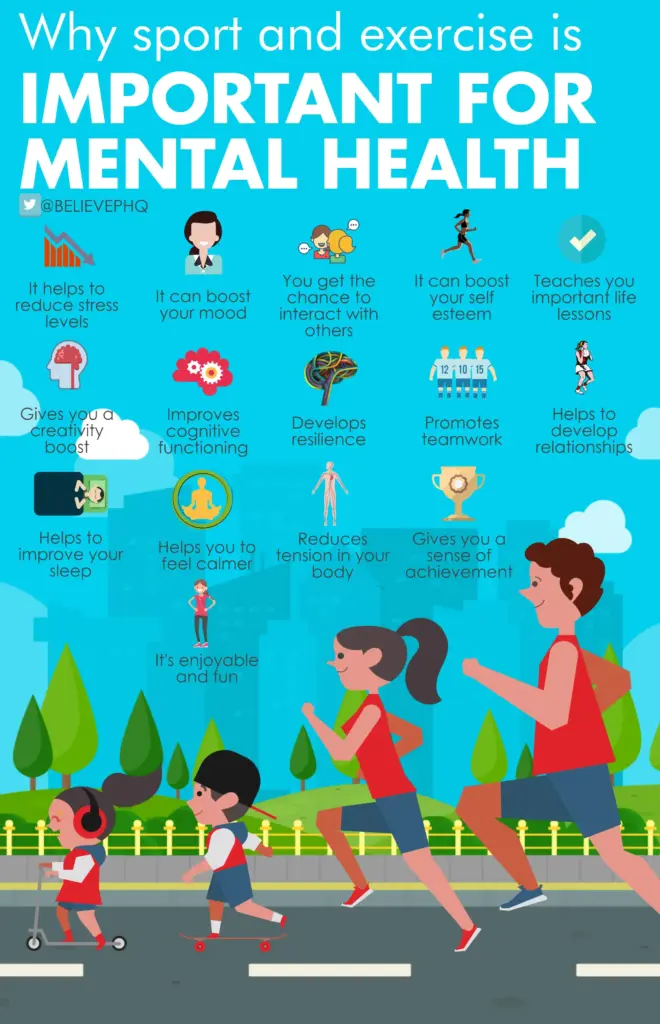
Sports for mental health have emerged as a vital aspect of overall well-being, particularly in today’s fast-paced society. Engaging in physical activities like exercise can significantly elevate your mood and help manage stress, effectively impacting one’s mental health. From running for stress relief to practicing yoga for anxiety, a variety of sports offer unique benefits that cater to emotional well-being. Team sports and mental well-being often go hand in hand, as they foster social connections that can counter feelings of isolation. By incorporating these sports into your routine, you can unlock the profound advantages of exercise and mental health, paving the way for a happier, healthier life.
Physical exercise has long been recognized as an essential element in improving emotional stability and mental resilience. Activities such as swimming or cycling not only benefit physical fitness but also contribute to a positive mindset and mood improvement. Mind-body practices like yoga allow individuals to find a sense of tranquility amidst daily stresses. Furthermore, participating in group sports enhances social interactions and builds a support network, which is fundamental for mental health. Understanding the connection between physical activity and emotional wellness can inspire many to explore various avenues for enhancing their mental states.
The Link Between Exercise and Mental Health
Exercise is universally acknowledged as a robust means of improving mental health. Numerous studies have illustrated that regular physical activity leads to reductions in anxiety, depression, and overall stress levels. The release of endorphins during exercise not only enhances mood but also improves cognitive function, allowing individuals to cope more effectively with stressors. Engaging in consistent exercise helps create a positive feedback loop, where improved mental health leads to the motivation to stay active, further enhancing emotional resilience.
Furthermore, different forms of exercise yield varying benefits. For example, aerobic exercises like running and cycling have been linked to higher serotonin levels which contribute to improved mood. Incorporating a mix of strength training and aerobic activities can provide a comprehensive approach to emotional well-being. It is important to remember that any physical activity, big or small, can be a step towards better mental health, making it essential to find enjoyable activities that encourage consistency.
Running: A Natural Stress Reliever
Running is one of the most accessible forms of exercise and has been hailed for its mental health benefits. The act of running can naturally decrease stress levels as it helps to clear the mind and provides a form of meditation in motion. The repetitive nature of running, combined with the focus on breathing, allows individuals to escape their daily worries and immerse themselves in their surroundings. Whether it’s a serene run through a park or a fast-paced sprint, the physical exertion results in the release of endorphins, leading to an uplifted mood.
For those struggling with anxiety or depressive symptoms, running can serve as an effective tool for relief. It encourages a sense of accomplishment and goal setting, whether that’s finishing a certain distance or achieving a personal best time. Beginning with small runs and gradually increasing distance not only builds stamina but also fosters a healthy mindset towards personal challenges. Joining a local running group can also enhance the experience, providing social support and motivation.
Benefits of Swimming for Mental Clarity
Swimming is often recognized not just as a physical workout, but a holistic remedy for mental clarity and emotional tranquility. The buoyancy of the water creates a soothing environment that can significantly reduce anxiety levels. The rhythmic strokes of swimming can facilitate a meditative state, allowing swimmers to focus on their breath and movements while releasing built-up tension. This makes swimming particularly beneficial for individuals looking for a calming escape.
Additionally, swimming engages various muscle groups, improving circulation and overall physical health, which is intrinsically tied to mental well-being. Many swimmers report feeling a profound sense of relaxation and happiness after a session, akin to the runner’s high. If you’re new to swimming, starting with basic techniques or enrolling in beginner classes can ease you into the experience, making swimming a fun and socially interactive way to boost mental health.
Yoga: Embracing Tranquility and Focus
Yoga combines physical postures, breathing exercises, and meditation, making it an excellent practice for improving mental health. With an emphasis on mindfulness, yoga encourages practitioners to focus on the present moment, which can alleviate feelings of anxiety and stress. The gentle nature of yoga allows individuals to connect deeply with their bodies, fostering a sense of acceptance and peace that can carry into daily life.
Many studies have suggested that yoga can lead to decreased symptoms of depression and anxiety while improving overall mood for practitioners. With various styles available—such as Hatha, Vinyasa, and Yin—there’s a form of yoga suited for everyone, regardless of fitness level. Joining local classes or practicing at home through guided sessions can help build a routine, integrating this beneficial practice into your life.
The Psychological Benefits of Team Sports
Team sports, such as soccer or basketball, serve not only to improve physical fitness but also significantly enhance mental well-being. Engaging in collective activities fosters a sense of community, which is essential for emotional support and reducing feelings of isolation. The camaraderie experienced in team sports can elevate a player’s mood and self-esteem, creating bonds that extend beyond just the game.
Moreover, teamwork teaches valuable life skills such as communication, leadership, and cooperation. Participating in team sports can also provide a sense of purpose and belonging, which can be incredibly uplifting for mental health. For those looking to get involved, community leagues are a great way to meet new friends and engage socially while reaping the benefits of physical activity.
Cycling for Improved Mood and Energy
Cycling is a fantastic sport that combines physical exertion with the joy of exploration. The experience of riding, whether on city streets or mountain trails, can be exhilarating and offers a unique sense of freedom that greatly benefits mental health. Studies have shown that cycling can lead to significant improvements in mood, with the combined effects of physical activity and outdoor exposure elevating serotonin levels, leading to a happier disposition.
Moreover, cycling can be easily integrated into daily routines. Commuting to work via bike not only boosts physical fitness but also enhances mental clarity, preparing you for the day ahead. Joining a cycling club or participating in local rides can add a social element, making cycling a fun and engaging choice for those looking to manage stress and improve their mood.
Mindfulness Through Movement: The Benefits of Dance
Dance is often overlooked as a potential sport for improving mental health, yet it combines physical activity with creative expression. Dancing can elevate mood through the release of endorphins, while also offering an outlet for emotional expression. It serves as a unique form of exercise that allows individuals to become physically and emotionally engaged, significantly benefiting overall mental health.
Whether taking a structured dance class or just dancing for fun at home, the act of moving to music can serve as both a physical workout and a means to relieve stress. Dance not only helps improve coordination and physical fitness but also fosters social interaction, which can reduce feelings of loneliness and enhance community ties.
Martial Arts: Building Confidence and Resilience
Martial arts training is a great avenue for building both physical and mental strength. Disciplines like karate, taekwondo, or jiu-jitsu teach self-defense techniques while instilling principles such as discipline and respect. The focus required during martial arts practice can divert attention away from stressors, providing a mental break and improving focus.
Practicing martial arts can also enhance self-esteem as individuals progress through ranks and learn new skills. Additionally, many martial arts emphasize community and respect for others, which can help foster relationships and combat feelings of isolation. Whether you are a beginner looking for a new challenge or someone seeking to build resilience, martial arts can provide both physical and psychological benefits.
Incorporating Sports for Mental Health
Engaging regularly in sports and physical activities is not just about fitness; it is also a powerful means of enhancing mental health. Whether it’s running, swimming, cycling, or even team sports, the movement and endorphin release contribute to improved emotional well-being. Taking the first step might seem daunting, but starting with activities you enjoy can create a positive experience and encourage regular participation.
It’s essential to view sports as a personal journey rather than a competition. By fostering a mindset focused on enjoyable movement, individuals can cultivate not only fun experiences but also long-lasting benefits for their mental health. Finding community or group classes can also amplify these benefits, transforming exercise into a social activity that supports emotional well-being.
Frequently Asked Questions
How does running impact mental health?
Running is widely recognized as one of the best sports for mental health. It reduces anxiety and depression symptoms by promoting the release of endorphins, which enhance your mood. The rhythmic aspect of running also acts as moving meditation, allowing your mind to break free from overwhelming thoughts.
What are the mental health benefits of swimming?
Swimming offers fantastic mental health benefits, including a reduction in anxiety levels. The calming effect of water and the mindful strokes create a flow state that boosts relaxation and reduces stress, making it a perfect sport for mental health.
Can yoga help with anxiety and stress relief?
Absolutely! Yoga is beneficial for mental health as it combines physical postures, breathing techniques, and meditation, promoting relaxation. It helps alleviate anxiety and stress by fostering a deep mind-body connection and enhancing overall well-being.
How do team sports contribute to mental well-being?
Team sports, like soccer and basketball, enhance mental well-being by promoting social interaction and a sense of belonging. They help combat loneliness and improve self-esteem as players work together toward a common goal.
What impact does cycling have on mood improvement?
Cycling significantly improves mood and emotional well-being. The physical exertion paired with outdoor exposure boosts serotonin levels, leading to a happier outlook on life, making it an excellent choice for mental health.
Is regular exercise essential for mental health?
Yes, regular exercise is crucial for mental health. Activities like running, swimming, and yoga enhance physical fitness while also improving emotional and psychological well-being, which is vital in today’s stress-prone environment.
What sports are best for stress relief?
Sports such as running, swimming, yoga, and team sports are most effective for stress relief. They facilitate physical activity, which triggers the release of endorphins, helping reduce stress and anxiety.
How can I start incorporating sports into my mental health routine?
Begin by selecting a sport that interests you, such as running or yoga. Start with short, manageable sessions and gradually increase duration and intensity. Joining local clubs or classes can also enhance motivation and support.
Are there specific types of exercise recommended for stress management?
Yes, exercises like yoga for anxiety, running for stress relief, and team sports for social interaction are specifically recommended for effective stress management, as they engage both the body and mind.
How often should I engage in sports to improve my mental health?
For optimal mental health benefits, aim to engage in sports at least 150 minutes per week. This can include activities like cycling, swimming, or team sports, complemented by yoga sessions for mindfulness.
| Sport | Benefits | How to Start |
|---|---|---|
| Running | Reduces anxiety and depression; releases endorphins for mood enhancement. | Start with short distances; join running clubs for support. |
| Swimming | Decreases anxiety; soothing effects of water promote relaxation. | Begin with simple routines at a pool; join group classes. |
| Yoga | Promotes relaxation; reduces stress and fosters mindfulness. | Look for beginner classes at studios or online platforms. |
| Team Sports | Enhances social interaction; builds community and belonging. | Join local leagues or community centers. |
| Cycling | Improves mood and emotional well-being through outdoor activity. | Start with short, safe rides; consider joining cycling groups. |
Summary
Sports for mental health play a pivotal role in enhancing emotional well-being and combating stress. Engaging in physical activities like running, swimming, yoga, team sports, and cycling provides numerous psychological benefits such as reducing anxiety, improving mood, and fostering a sense of community. By incorporating these sports into your daily routine, not only do you bolster your physical health, but you also pave the way for greater mental resilience and general happiness. Choose activities that resonate with you and gradually integrate them into your life for a transformative impact on your mental health.