
Listen to this article
Exploring historical landmarks in London is like taking a journey through time, revealing the city’s rich tapestry of stories and events. As the capital of England, London is adorned with iconic structures that serve as the culmination of centuries of history, making it a hub for history enthusiasts. From regal monuments to ancient sites, each landmark reflects the diverse heritage of the UK and tells a tale of its own. Visitors flock to must-visit landmarks in London, such as the Tower of London and Westminster Abbey, to experience the grandeur and deep-seated traditions that characterize this vibrant city. Embark on your adventure to explore London history through its stunning monuments and immerse yourself in the narratives that have shaped a nation.
When you delve into London’s historical sites, you uncover a fascinating collection of monuments that embody the essence of Britain’s past. Every corner of the city holds remnants of its glorious heritage, inviting travelers to uncover the tales concealed within its historic architecture. These iconic sites, ranging from medieval castles to renowned museums, serve as significant nods to the rich cultural landscape of the UK. Whether it’s witnessing the Changing of the Guard at Buckingham Palace or marveling at the artistry of St. Paul’s Cathedral, the landmarks of this vibrant metropolis offer an unparalleled glimpse into the annals of history. As you navigate these must-see attractions, you’ll gain a deeper appreciation for the iconic landmarks that define London’s unique character.
Discovering the Tower of London: A Historical Treasure
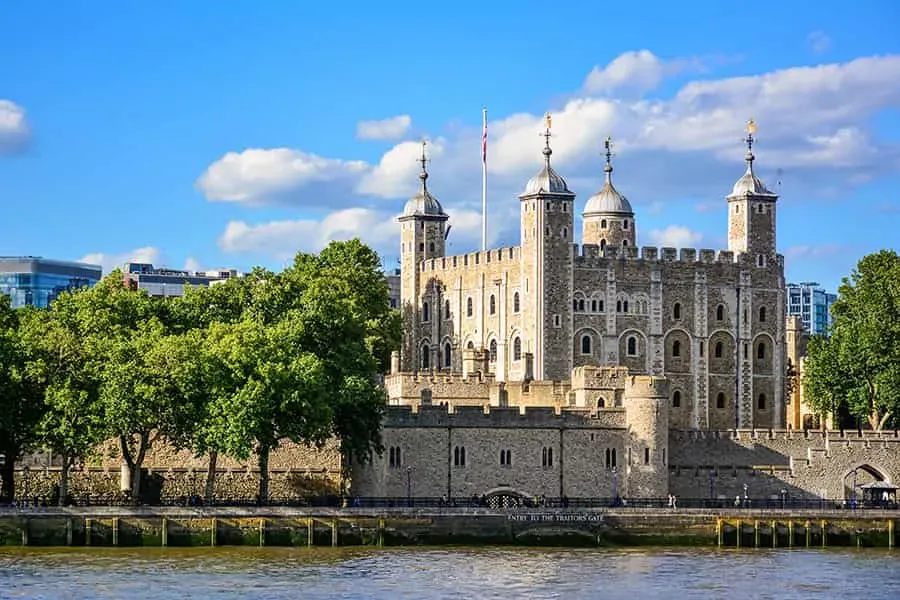
The Tower of London stands as one of the most iconic historical landmarks in London, steeped in centuries of rich history. Built in 1066, this UNESCO World Heritage Site has served various pivotal roles over its long existence, from a royal palace to a fortress, and even a notorious prison. As you traverse its grounds, you will encounter fascinating tales of kings, queens, and prisoners, each adding to the allure of this remarkable site. Visitors can delve into an extensive collection of exhibits, showcasing the Tower’s history, including its role as a treasury where the crown jewels are securely housed.
Beyond visiting the crown jewels, the Tower of London invites guests to embark on guided tours led by the Beefeaters, who share captivating stories of their experiences within the Tower’s walls. This engaging experience not only highlights the pivotal events that shaped the nation but also allows visitors to witness exhibitions that feature renowned artifacts, making it a cornerstone of UK heritage sites. Whether you’re captivated by history, architecture, or royal intrigue, the Tower of London is undeniably a must-visit landmark.
Westminster Abbey: A Symbol of British Heritage
Westminster Abbey, another of London’s prominent historical sites, has been the epicenter of national ceremonies for over a thousand years. Founded around 960 AD, this architectural marvel is renowned for its stunning Gothic design and grand history, including serving as the coronation site of British monarchs. Stepping inside the Abbey feels like entering a sanctuary, where every corner boasts a tribute to figures who shaped not only Britain but the world, from poets like Geoffrey Chaucer to statesmen like Winston Churchill.
Beyond its religious significance, Westminster Abbey also serves as a repository for the stories of great Britons who rest within its walls. Exploring the intricate architecture and rich history, visitors will find it hard not to be moved by the depth of significance encapsulated in this site. From its ornate sculptures to the tranquil gardens outside, Westminster Abbey is a quintessential aspect of London’s historical narrative that continues to resonate with millions.
The British Museum: A Global Cultural Haven
Founded in 1753, the British Museum has become one of the world’s foremost cultural institutions, showcasing an extensive collection that spans centuries and continents. Its status as a center for London historical sites stems from its impressive array of artifacts, including the Rosetta Stone and the Elgin Marbles, which narrate the legacy of human civilization. The museum serves as a portal into the past, inviting visitors to explore the evolution of art and culture from ancient times to the modern age.
Visitors can enjoy free admission to this prestigious site, making it an accessible option for all who wish to experience the preservation of history. The museum’s diverse exhibits not only educate but also foster a connection between the past and present, creating an enriching experience for anyone interested in exploring London’s historical narratives. For those eager to delve into the world’s heritage in one place, the British Museum is an essential stop on your journey.
Buckingham Palace: The Heart of the Monarchy
As the official residence of the British monarch, Buckingham Palace is not only an architectural marvel but also a living symbol of the UK’s rich royal heritage. This iconic palace has been the backdrop for numerous state functions and ceremonies, making it a focal point of London’s landmarks. Visitors can admire the splendid State Rooms, which are open to the public during the summer months, showcasing the luxury and history associated with the British royal family.
Beyond just a grand residence, the palace is famous for its Changing of the Guard ceremony, an event that captivates thousands of spectators each year. This ceremonial display not only emphasizes the pageantry of the monarchy but also represents a continuing tradition that has fascinated both locals and tourists. Whether you witness the changing of the guards or explore the opulent interiors, Buckingham Palace offers an unparalleled glimpse into the heart of British history.
The Houses of Parliament and Big Ben: Icons of London
No exploration of London historical landmarks is complete without a visit to the Houses of Parliament, home to the UK government and the iconic clock tower known as Big Ben. This architectural gem showcases stunning Gothic design and stands majestically along the River Thames, making it one of the most photographed sites in the city. The Houses are not just a beautiful sight; they are also integral to the governance and history of the nation.
Visitors can take guided tours of the parliamentary areas, learning about the legislative processes that take place within those historic walls. The striking views along the river, combined with the buzz of political life, creates a unique atmosphere that celebrates London’s dynamic history. A trip to the Houses of Parliament and Big Ben offers an insightful glimpse into the workings of the government, turning every visit into a lesson in UK heritage.
The Globe Theatre: A Tribute to Shakespeare
For lovers of literature, a visit to the Globe Theatre is essential in grasping the cultural fabric of London. This remarkable reconstruction pays homage to William Shakespeare and serves as a vibrant symbol of the city’s theatrical history. Here, visitors can explore firsthand the site where many of Shakespeare’s plays were originally staged, capturing the spirit of the Elizabethan era.
Attending a performance at the Globe offers a unique experience, allowing guests to participate in the interactive magic of theater that has enchanted audiences for centuries. Engaging guided tours delve into the history of the theater, revealing fascinating anecdotes about Shakespeare’s life and career. The Globe Theatre is more than just a theater; it’s an immersive journey into the world of one of history’s most celebrated playwrights.
Churchill War Rooms: A Peek into History
The Churchill War Rooms provide a captivating insight into Britain’s resilience during World War II. Nestled beneath Westminster, this museum preserves the secret underground headquarters where Winston Churchill orchestrated the war effort. Walking through the halls and rooms echoes the determination and strategy that defined a pivotal moment in history, making it a must-visit for those passionate about exploring London history.
Interactive exhibits and authentic artifacts enrich the visit, bringing the stories of wartime decision-making to life. By immersing yourself in the bold spirit of Churchill and his contemporaries, you’ll gain a deeper understanding of the struggles faced during those dark days. A visit to the Churchill War Rooms allows one to connect with a significant chapter of history that resonates through contemporary British culture.
Tower Bridge: An Architectural Marvel
Tower Bridge, often confused with London Bridge, is a striking example of Victorian engineering and design. Completed in the late 19th century, its twin towers and drawbridge mechanism have become iconic symbols of London. Not only does it connect the boroughs of Tower Hamlets and Southwark, but it is also a vital part of London’s historical narrative, showcasing the innovative spirit of the era.
Visitors can explore interactive exhibitions detailing the bridge’s history, engineering marvels, and its role in facilitating trade and transport across the Thames. The observation walkway boasts panoramic views of London’s vibrant skyline, making it a favorite spot for photographers. Tower Bridge is more than just a bridge; it’s a representation of the progress and ingenuity that characterizes London’s rich heritage.
St. Paul’s Cathedral: Architectural Grandeur
St. Paul’s Cathedral, an iconic feature of the London skyline, was designed by Sir Christopher Wren after the Great Fire of London in 1666. Its stunning dome and Baroque architecture make it one of the most recognizable structures in the city. Hosting numerous significant events, from state funerals to royal weddings, St. Paul’s has served as a historic venue that embodies the spirit of resilience and national pride.
Visitors to St. Paul’s can climb to the top of the dome for breathtaking views across London, while the interior dazzles with intricate mosaics and notable memorials. Each visit allows guests to reflect on its storied past, making it a key element of London’s historical landscape. Whether you are drawn by architectural beauty or the rich stories held within its walls, St. Paul’s Cathedral is an essential part of any itinerary.
Victoria and Albert Museum: A Cultural Symposium
The Victoria and Albert Museum (V&A) stands as the world’s largest museum dedicated to decorative arts and design, showcasing an expansive collection that spans over 5,000 years. Established in 1852, the V&A houses an array of artifacts that reflect the cultural fabric of different eras and societies. Its collections include fashion, textiles, and sculptures, emphasizing the evolution of artistic expression throughout history.
Visitors can explore themed galleries that not only highlight exceptional craftsmanship but also delve into the cultural significance of each piece. Admission is free, making this cultural haven accessible for all. By wandering through the V&A, guests embark on a journey through time, gaining insights into the interplay between art, design, and history. The museum exemplifies how London continues to be a vital hub for global heritage, attracting artists and art lovers alike.
Frequently Asked Questions
What are the top historical landmarks in London to visit?
Some must-visit historical landmarks in London include the Tower of London, Westminster Abbey, the British Museum, Buckingham Palace, and the Globe Theatre. Each of these sites offers a unique glimpse into London’s rich history and architecture.
How old is the Tower of London and what can visitors expect?
The Tower of London was established in 1066 and is a UNESCO World Heritage Site. Visitors can explore its iconic White Tower, view the Crown Jewels, and learn about the fascinating lives of its famous prisoners.
Why is Westminster Abbey considered an important historical site in London?
Westminster Abbey, founded in 960 AD, is a significant site for royal ceremonies, including coronations and weddings. Its stunning Gothic architecture and the tombs of important figures make it a vital part of London’s historical landscape.
What historical artifacts can be found at the British Museum?
The British Museum houses over 8 million works, including the Rosetta Stone and the Elgin Marbles. It is one of the UK heritage sites that showcases a vast collection of art and antiquities from various cultures around the world.
What can visitors see at Buckingham Palace during the summer?
During the summer months, visitors to Buckingham Palace can tour the lavish State Rooms, an exclusive look at the official residence of the British monarch. The Changing of the Guard ceremony is also a major attraction throughout the year.
What is the significance of the Houses of Parliament and Big Ben?
The Houses of Parliament is the seat of the UK government, while Big Ben, officially known as the Elizabeth Tower, is an iconic symbol of London. The stunning architecture and views along the Thames make this site a must-see historical landmark.
How did the Globe Theatre contribute to London’s literary history?
The Globe Theatre, a reconstruction of Shakespeare’s original playhouse, is significant in London’s literary history as it is the venue where many of Shakespeare’s plays were performed. Visitors can enjoy tours and live performances during the summer months.
What can visitors learn at the Churchill War Rooms?
At the Churchill War Rooms, visitors can explore the underground headquarters where Winston Churchill led Britain during World War II. The museum offers authentic exhibits that provide insight into this pivotal period in history.
What makes Tower Bridge an architectural landmark in London?
Tower Bridge, often confused with London Bridge, is an architectural marvel known for its twin towers and operational bascules. Visitors can learn about its history and experience breathtaking views from the glass-floored walkway.
What cultural collections can be found at the Victoria and Albert Museum?
The Victoria and Albert Museum, established in 1852, is the world’s largest museum of decorative arts and design. It features collections that span over 5,000 years, showcasing fashion, textiles, and sculptures from different cultures.
| Historical Landmark | Key Features | Year Established | Highlights |
|---|---|---|---|
| The Tower of London | UNESCO World Heritage Site, royal palace, prison, treasury | 1066 | Crown jewels, Beefeater tales |
| Westminster Abbey | Gothic church, site of royal ceremonies | 960 AD | Tombs of monarchs, poets, and scientists |
| The British Museum | Art and antiquities from around the world | 1753 | Rosetta Stone, Elgin Marbles |
| Buckingham Palace | Official royal residence, State Rooms | N/A | Changing of the Guard ceremony |
| The Houses of Parliament and Big Ben | Seat of UK government, iconic clock tower | N/A | Stunning Gothic architecture |
| The Globe Theatre | Memorializes William Shakespeare | N/A (Reconstructed) | Guided tours, summer performances |
| The Churchill War Rooms | Underground headquarters from WWII | N/A | Immersive war history exhibits |
| Tower Bridge | Architectural marvel, twin towers | Late 19th century | Glass-floored walkway, history exhibition |
| St. Paul’s Cathedral | Designed by Sir Christopher Wren, impressive dome | N/A | Climb for breathtaking views |
| The Victoria and Albert Museum | Largest museum of decorative arts and design | 1852 | Fashion, textiles, free admission |
Summary
Historical landmarks in London reflect the city’s rich history and culture, offering a glimpse into its intriguing past. Each of the ten landmarks highlighted above showcases unique architectural styles, historical significance, and cultural importance, from the grandeur of the Tower of London to the majestic Westminster Abbey. Visiting these sites not only provides a deeper understanding of British history but also allows travelers to appreciate the beauty and artistry of London’s architectural heritage. Whether you’re exploring the ancient halls of the British Museum or taking in the stunning views from St. Paul’s Cathedral, you’ll find that each landmark tells a story that has shaped the city and its people throughout the ages.