
Listen to this article
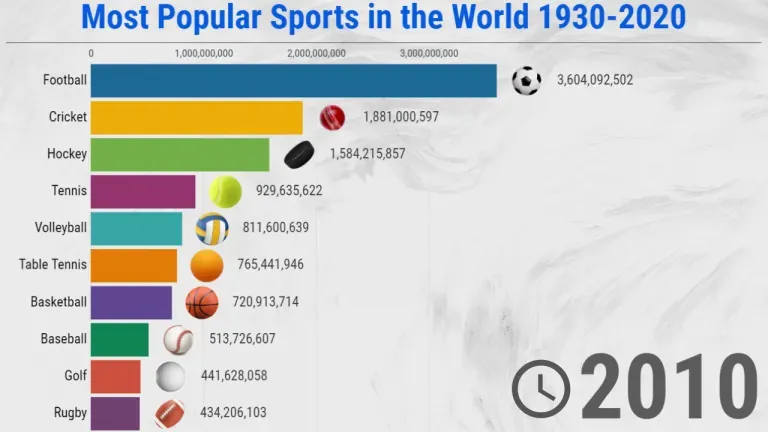
When it comes to popular sports worldwide, no topic captures the hearts and minds of millions quite like the excitement of athletic competition. The scope of these top sports ranges from the universally loved football to the fast-paced world of basketball, each offering unique flavors of passion and dedication. Cricket, with its deep-rooted traditions, engages vast crowds, especially in countries like India and Australia, while tennis delivers elegance and individual brilliance showcased in grand tournaments. Volleyball has emerged as a favorite in schools and arenas, appealing to diverse audiences globally, and American football, despite its primary base in the United States, is gradually winning followers beyond its borders. In this article, we will delve into the fascinating world of these global sports, exploring their significance, appeal, and the fervor they ignite among fans.
Exploring the realm of sports unveils a captivating landscape where competition and entertainment intertwine. Distinct games have carved out significant niches, elevating them to the ranks of global sports that attract widespread attention and enthusiasm. From the thrill of soccer, known in most countries as football, to the exhilarating matches of basketball, these sports embody the spirit of athleticism and teamwork. Other popular sports, like cricket and tennis, not only highlight cultural distinctions but also foster connections among diverse populations. This discussion will shed light on the characteristics and stories that make these top sports around the world a cornerstone of social interaction and community.
The Global Influence of Soccer
Soccer, or football, remains the undisputed favorite for millions around the globe. Its influence transcends boundaries, uniting fans, cultures, and communities in a shared passion that ignites national pride. The FIFA World Cup, held every four years, is the pinnacle of soccer, drawing viewership that surpasses even the Olympics. This event fosters not just a competitive spirit, but a celebration of unity among diverse populations, showcasing the sport’s ability to break barriers and create lifelong bonds among fans.
Soccer’s inclusive nature is a significant factor in its global popularity. With minimal equipment needed—just a ball and an open space—people from all walks of life can play. This accessibility allows the sport to thrive even in economically disadvantaged regions, nurturing talent and passion among youth worldwide. Additionally, the growth of women’s soccer has added another layer of inclusivity, significantly expanding its audience and participation rates, thus reinforcing soccer as a pillar of global sports.
Basketball’s Ascendance as a Global Sport
Basketball’s expansion worldwide is a remarkable narrative of cultural exchange and globalization. Initially crafted in gymnasiums of the United States, the sport has now cemented its presence in continents like Europe, Africa, and Asia. The NBA has played a pivotal role in this transformation, popularizing basketball through international outreach programs, and the presence of superstars like Kobe Bryant and Stephen Curry who have become global ambassadors for the sport.
The FIBA Basketball World Cup and the Olympics have also significantly catalyzed basketball’s growth as a global sport. These events not only showcase elite talent but also foster rivalry and camaraderie among nations. Local leagues around the world are now thriving, as many countries invest heavily in developing grassroots programs and building facilities, ensuring that basketball remains a staple of sporting culture in diverse communities from the streets of New York to the courts of Beijing.
Understanding Cricket’s Global Following
Cricket’s allure emerges from its rich history and cultural significance, especially in countries like India, Pakistan, Australia, and England. With its varied formats—from intense Test matches that require strategic endurance to the high-octane excitement of T20 games—the sport caters to a wide spectrum of fans. Major tournaments like the ICC Cricket World Cup harness this excitement, drawing in billions of viewers and solidifying cricket’s status on the global stage.
Beyond just entertainment, cricket has become a source of national pride and identity for many. The sport is interwoven with the cultural fabric of participating nations; it provides a platform for expressing loyalty and passion. Furthermore, the financial ecosystem surrounding cricket—including sponsorships, broadcasting deals, and merchandise sales—continues to evolve, contributing to the sport’s sustainability and growth in an increasingly competitive global sports market.
Field Hockey: A Sport with Deep Cultural Roots
Field hockey is a sport that boasts a passionate following, particularly in regions like India and the Netherlands, where it is considered a national treasure. The sport’s historical roots and cultural significance in these countries add to its allure and competitive spirit. Major events like the FIH Hockey World Cup exemplify the sport’s capacity to inspire athletes and engage fans, highlighting skill, strategy, and teamwork.
The development of field hockey programs at grassroots levels is crucial to its ongoing popularity. Schools and local clubs foster young talent, promoting the sport as not just a game, but a way of life. Additionally, the sport’s inclusion in the Olympics underscores its global reach, enticing nations to invest in training and facilities. As a result, field hockey continues to evolve, drawing in new generations of players and supporters.
The Individual Appeal of Tennis
Tennis stands out as a sport defined by individual excellence, with a unique dynamic that captures the attention of millions. Major tournaments like Wimbledon and the US Open highlight the remarkable talent and resilience of its players, generating substantial media coverage and fervent fan engagement. This individuality is what sets tennis apart, allowing players to become personal brands, with stars like Serena Williams and Roger Federer capturing audiences worldwide.
Moreover, the global reach of tennis is illustrated through its diverse participation. Not only is it played at elite competitions, but its accessibility at amateur levels encourages widespread engagement. Community clubs and local tournaments nurture talent from a young age, fostering a love for the game that can last a lifetime. With its blend of skill, strategy, and sportsmanship, tennis has established itself as a beloved pastime for many.
Volleyball: An Engaging Team Sport
Volleyball has emerged as one of the most engaging team sports, thanks in part to its dynamic gameplay and the stunning spectacles of competitions like the FIVB Volleyball World Championships. Both indoor and beach volleyball have gained substantial popularity, sparking interest from diverse demographics. The sport’s exhilarating pace and tactical depth captivate not only players but also enthusiastic spectators, making it a global phenomenon.
As volleyball continues to grow, its integration into schools and community programs fosters greater participation and accessibility. The competitive spirit seen during global events showcases the dedication of athletes, while local leagues provide platforms for amateurs to hone their skills. This combination of accessibility, team spirit, and athleticism cements volleyball’s place as a favorite among sports enthusiasts worldwide.
Table Tennis: The Fast-Paced Gem
Table tennis, often referred to as ping pong, combines speed, precision, and reflexes, making it incredibly exciting to watch. The sport has a profound following in Asia, particularly in China where it is synonymous with national pride and competitive excellence. International competitions, such as the ITTF World Championship, consistently draw significant crowds, celebrating the incredible skill of players who make the game look effortless.
The accessibility of table tennis contributes to its rapid growth and appeal; it can be played indoors and requires minimal equipment. This versatility encourages widespread participation across all age groups, creating potential future champions from young enthusiast to seasoned competitors. As countries transform table tennis into a major competitive sport, its global influence continues to expand.
Baseball: A Timeless American Tradition
Baseball, often labeled America’s pastime, embodies a blend of tradition and cultural significance. While it thrives primarily in the United States, it has carved out significant followings in countries like Japan, South Korea, and in various Latin American nations. Major League Baseball (MLB) serves as the pinnacle of the sport, drawing millions to the World Series each year, and it continues to inspire fandom that spans generations.
The sport’s deep-rooted traditions, combined with its thrilling gameplay, keep baseball alive in the hearts of its fans. The camaraderie experienced at local games and the deep passion for surrounding events build a community that reverberates through the social fabric of many societies. As baseball continues to evolve with more international players entering the league, its global presence steadily grows, making it relevant in the context of today’s sports landscape.
Golf: The Sport of Prestige and Patience
Golf is often regarded as a sport of elegance, characterized by its prestigious tournaments and elite players. Events like The Masters and the PGA Tour attract millions of viewers, epitomizing the sport’s high standards and global interest. Iconic figures such as Tiger Woods, who redefine the boundaries of athletic potential, have propelled golf into the limelight as a symbol of luxury and competitiveness.
Despite golf’s perception as a niche sport, its appeal lies in the peaceful yet challenging nature of play. Golf courses worldwide, ranging from serene landscapes to elaborate designs, provide an escape that many players seek. As golf continues to foster new enthusiasts through community programs and youth initiatives, its blend of strategy, patience, and skill promises to keep it an enduring favorite.
American Football: A Cultural Powerhouse
American football, with the NFL as its centerpiece, represents a unique cultural phenomenon primarily centered in the United States. The Super Bowl is not only a championship game but also a national event that captivates millions, featuring high-profile halftime shows and commercials that draw in viewers. The sport’s strategic complexity combined with physical intensity creates a thrilling spectator experience that has earned American football a dedicated fanbase.
As the sport gradually expands beyond U.S. borders, countries worldwide are beginning to adopt American football with growing competitive leagues. The effort to promote the sport internationally is evident in the NFL’s initiatives to host games overseas, revealing an intent to globalize its audience. This effort highlights the potential for American football to cultivate new fans and players, gradually solidifying its footprint on the global sports landscape.
Frequently Asked Questions
What are the most popular sports worldwide?
The most popular sports worldwide include soccer (football), basketball, cricket, tennis, volleyball, table tennis, baseball, golf, and American football. Each sport has a unique cultural significance and attracts millions of fans globally.
Why is soccer considered the most popular sport in the world?
Soccer, or football, is deemed the most popular sport globally due to its universal appeal, simplicity, and extensive participation. FIFA estimates around 265 million players worldwide, and events like the FIFA World Cup draw billions of viewers.
How has basketball gained international popularity?
Basketball’s international popularity can be attributed to the NBA’s global reach, star athletes like LeBron James, and events such as the FIBA Basketball World Cup. The sport has garnered a massive following across continents, particularly in Europe and Asia.
What makes cricket a favorite in countries like India and Australia?
Cricket captivates audiences in countries like India and Australia through its rich history and various formats, including Test matches and T20 leagues. Major tournaments like the ICC Cricket World Cup further boost its popularity, creating intense rivalries.
Where is field hockey most popular?
Field hockey enjoys immense popularity in regions such as Europe, Asia, Africa, and Australia. The sport has a strong following, especially during events like the FIH Hockey World Cup and the Olympics, showcasing its competitive nature.
What events are significant in tennis that contribute to its global following?
Tennis holds global popularity due to prestigious tournaments like Wimbledon and the US Open. The prominence of iconic athletes like Serena Williams and Roger Federer has also contributed to the sport’s widespread appeal and competitive landscape.
How has volleyball evolved into a beloved sport worldwide?
Volleyball’s popularity has surged, especially with the rise of beach volleyball. International events like the FIVB Volleyball World Championships and the Olympics play a crucial role in promoting the sport, making it a staple in schools and recreational programs.
What role does table tennis play in countries like China?
In China, table tennis is regarded as a national sport, contributing to its immense popularity. The game’s fast-paced nature and international competitions, such as the ITTF World Championship, enhance its appeal among fans and players alike.
Why is baseball significant in American culture and beyond?
Baseball, considered America’s pastime, holds significant cultural importance. Its popularity extends to Japan, South Korea, and Latin America, with events like the MLB World Series showcasing its broad reach and tradition across generations.
What are the key factors contributing to golf’s popularity?
Golf’s popularity stems from prestigious tournaments like the PGA Tour and The Masters, drawing millions of viewers. The influence of iconic players like Tiger Woods has also played a vital role in elevating the sport’s public profile and accessibility.
| Rank | Sport | Description | Key Events | Global Reach |
|---|---|---|---|---|
| 1 | Soccer | Most popular sport, played globally by millions. | FIFA World Cup | 265 million players worldwide. |
| 2 | Basketball | Global sport with iconic players and franchises. | NBA Finals, FIBA World Cup | Popular in the USA and worldwide. |
| 3 | Cricket | Followed mainly in South Asia and England. | ICC Cricket World Cup | Strong following in cricketing nations. |
| 4 | Field Hockey | Popular in Europe, Asia, Africa, and Australia. | FIH Hockey World Cup, Olympics | Significant draft in specific regions. |
| 5 | Tennis | Individual sport with global appeal. | Wimbledon, US Open | Played worldwide, draws big audiences. |
| 6 | Volleyball | Popular as both indoor and beach sport. | FIVB World Championships, Olympics | Gains popularity across all demographics. |
| 7 | Table Tennis | Fast-paced game, particularly loved in Asia. | ITTF World Championship | Japan and China are leading nations. |
| 8 | Baseball | America’s pastime with global franchises. | MLB World Series, World Baseball Classic | Thriving in the Americas and Japan. |
| 9 | Golf | Prestigious individual sport enjoyed worldwide. | PGA Tour, The Masters | Popular mainly in Western countries. |
| 10 | American Football | Mainly a US phenomenon with growing interest abroad. | Super Bowl | Increasing global reach through events. |
Summary
Popular sports worldwide not only entertain millions but also serve as a reflection of cultural identities and values. Each sport, from the universally loved soccer to the culturally rich cricket, provides a unique blend of entertainment and community. By understanding these sports, one can appreciate the diversity found in global cultures while recognizing the common threads of passion and competition that unite fans across nations.

