Listen to this article
When it comes to the realm of recreation and competition, the most popular sports around the world undeniably shape our cultural landscape. From the exhilarating rush of soccer, which captures the hearts of billions, to the strategic depth of cricket followed fervently in South Asia and beyond, these global sports unite fans across continents. Each of the top sports globally attracts a diverse audience, demonstrating the universal love for athleticism and teamwork. In this exploration of the most followed sports, we’ll analyze how these games resonate with supporters, fostering community and national pride. Join us as we dive into the dynamic world of sports and discover the passion that ignites sports fans worldwide.
Exploring the exceptional appeal of athletics, we delve into the top-tier games that dominate both local and international stages. From football’s widespread fanaticism to basketball’s rapid global rise, the landscape of athletic engagement showcases a variety of elite competitions and events. The profound influence of these beloved pastimes goes beyond entertainment, often serving as a unifying force for individuals across different backgrounds and cultures. In this discussion of prominent athletic pursuits, we will uncover what makes these activities compelling to enthusiasts everywhere, and examine the intricate tapestry of sportsmanship and camaraderie that exists in the world of recreation.
The Rise of Soccer: A Global Phenomenon
As the world’s most popular sport, soccer, or football, has become more than just a game; it is a global phenomenon that transcends borders and cultures. Originating in England in the 19th century, its simple rules and minimal equipment requirements have allowed it to spread far and wide, engaging billions of fans across continents—from the streets of Brazil to the fields of Europe and the urban landscapes of Africa. The FIFA World Cup is a perfect example of soccer’s monumental influence, with billions tuning in to cheer for their teams every four years, showcasing a vibrant display of national pride and global unity.
Soccer’s appeal lies not only in its competitive nature but also in its ability to bring together diverse communities under a shared passion. Major leagues across the globe, such as the Premier League, La Liga, and Serie A, attract international audiences and generate substantial economic impact through broadcasting and merchandising. This sport has even inspired a significant cultural movement, with icons like Pelé and Diego Maradona transcending the realm of sports to become cultural ambassadors and inspirations to countless aspiring athletes.
Cricket’s Cultural Significance in the Commonwealth
Cricket, often dubbed as a religion, holds a special place in many nations, particularly within the Commonwealth. Countries like India and Australia are not just fans of this sport; they live and breathe it. The rise of Twenty20 cricket has rejuvenated interest among younger demographics, showcasing the sport’s ability to evolve while maintaining its traditional roots. Events like the ICC Cricket World Cup bring nations together to witness epic rivalries, while the passion exhibited by fans—ranging from celebrations in the stadiums to gatherings in homes—illustrates the sport’s deep cultural significance.
This game’s unique blend of strategy, skill, and patience teaches valuable life lessons, making it not just a source of entertainment but also a valued discipline. Cricket academies globally promote youth development, contributing to the sport’s sustainable growth. As cricket continues to capture the hearts of fans worldwide, its enduring spirit challenges the boundaries of merely being a game, instilling pride and unity amongst followers.
The Global Impact of Basketball
Basketball has become one of the most followed sports globally, especially through the influence of the NBA. With approximately 2.4 billion fans, it stands as a beacon of cultural exchange, pulling in audiences from diverse backgrounds and enabling collaboration amongst international players. The sport’s fast-paced nature and accessibility make it attractive, with courts found in parks, schools, and urban areas worldwide. Icons like Michael Jordan, LeBron James, and Kobe Bryant have transformed basketball into a global brand, cultivating a massive following and inspiring countless young athletes.
Moreover, basketball leagues in various countries have expanded, leading to a surge in local fanbases and regional competitions. Events like the FIBA World Cup and the Olympics highlight the sport’s growth and provide an arena for countries to showcase their talents on the world stage. This not only enhances competition but also promotes cross-cultural relationships amongst players and fans, making basketball a truly global sport that continues to soar in popularity.
Field Hockey: A Hidden Gem in the Sports World
Field hockey may not receive the same level of attention as sports like soccer or basketball in the Western world, yet it boasts a legion of dedicated fans, especially in Commonwealth nations. With an estimated following of 2 billion, its appeal lies in its thrilling pace and teamwork. Major events like the Hockey World Cup and the Olympics have helped promote the sport, showcasing exceptional talent and dedication. Countries like India and Pakistan treat field hockey as a matter of national pride, celebrating victories with immense passion.
This sport encourages youth participation across varied socio-economic contexts, providing a platform for teamwork and sportsmanship. Organizations are working relentlessly to enhance the visibility of field hockey, addressing challenges such as limited media exposure. As its popularity spreads beyond traditional boundaries, field hockey is gradually carving out its niche among the top sports globally, capturing the hearts of millions.
The Prestige of Tennis: A Diverse Sport for All
Tennis stands tall as one of the most prestigious sports, with a global audience of approximately 1 billion fans. The sport’s rich history, embodied in grand tournaments like Wimbledon and the US Open, captivates spectators through its blend of individual and doubles competition. Tennis offers something for everyone, from enthusiastic newcomers to seasoned professionals. This inclusivity fosters a deep connection with players, enabling fans to relate to both their struggles and triumphs throughout their respective careers.
Moreover, the sport actively promotes diversity, showcasing talent from various countries and backgrounds. Icons like Serena Williams and Roger Federer have become international symbols of perseverance and greatness, inspiring future generations. With an ever-expanding fanbase, tennis tournaments continue to draw in millions, proving that the love for the game knows no boundaries, uniting fans across cultures and fostering a spirit of global competition.
Volleyball: The Sport of Connection
Volleyball, both indoor and beach, captures the spirit of teamwork and connection, appealing to approximately 900 million fans around the world. Its fast-paced nature, combined with strategic play, makes it a thrilling sport to watch and participate in. Countries like Brazil and the USA prioritize volleyball, creating strong communities around it. High-profile tournaments, such as the Olympics and FIVB World Cup, play a significant role in elevating the sport’s status, drawing excitement from fans and influencing participation at grassroots levels.
Moreover, volleyball’s adaptability allows it to thrive in various environments, from sandy beaches to indoor arenas. This flexibility fosters inclusivity, encouraging people of all ages to engage in the sport. With leagues and programs continually expanding, volleyball demonstrates its potential for global growth, uniting diverse groups of people through a shared love for the game.
Exploring Table Tennis: The Fast-Paced Game
Table tennis, known colloquially as ping pong, has become incredibly popular, especially in Asia, with around 875 million fans worldwide. Its accessibility means it can be played almost anywhere, making it a favorite after-school activity in many countries. The sport promotes agility and quick reflexes, drawing enthusiasts into both competitive and casual play. As a result, events like the Olympics and World Championships generate significant viewership, highlighting the sport’s competitive nature on a global platform.
Further emphasizing its cultural relevance, table tennis has emerged as a tool for diplomacy, bringing together nations at various international events. This unique characteristic showcases the sport’s potential to foster unity in a divided world. With national teams and local clubs striving for excellence, table tennis continues to gain traction, uniting sports fans and players worldwide under its banner.
Baseball: A Cultural Cornerstone in the Americas
Baseball holds a legendary status in American culture and is especially beloved in Japan and parts of Latin America, with around 500 million fans. Major League Baseball (MLB) serves as a cornerstone of summer entertainment in the United States, where fans gather to celebrate America’s pastime. The sport evokes nostalgia through its deep-rooted traditions, thrilling games, and community atmosphere, particularly during events like the World Series, where national pride is on full display.
Moreover, the global expansion of baseball has seen the sport reach new heights, with leagues developing in Asia and Latin America that nurture young talent. Organizations are working to enhance the visibility of baseball on an international level, making it more accessible to aspiring players and fans. By investing in youth programs and cross-border partnerships, baseball holds the promise of continuing a legacy that unites fans through the love of competition.
American Football: More Than Just a Game
With around 400 million fans, American football has evolved into a cultural phenomenon, particularly in the United States. The Super Bowl represents not only the culmination of the season but also a significant cultural event that captures the attention of millions, including non-sports enthusiasts. Its unique blend of strategic play, intense competition, and flamboyant halftime shows creates a one-of-a-kind spectator experience that resonates deeply with fans.
The NFL’s global outreach efforts have also contributed to growing interest in American football in other countries. Programs designed to introduce the sport to new audiences, coupled with international games held in various regions, fuel a rising tide of enthusiasm. As more fans engage with American football, the sport is paving the way for a future where it might find a more robust presence in the global sports landscape.
Rugby: Bonding Nations Through Sport
Rugby stands as a testament to the power of sport in fostering community and national pride, with an estimated following of around 400 million fans. Countries like the UK, Australia, and New Zealand exalt the sport, showcasing it through events like the Rugby World Cup, where teams from all around the world come together in a celebration of athletic prowess. The camaraderie and spirit of rugby resonate beyond the game, uniting fans and players alike in shared experiences and unforgettable moments.
As rugby expands its reach, particularly in emerging markets, initiatives are focusing on youth development and grassroots programs to build the sport’s foundation. The fervor surrounding rugby’s inspirational athletes has spurred interest in the game, promoting inclusivity and participation among diverse communities. With its rich history and potential for growth, rugby is poised to strengthen its position as one of the top global sports, creating lasting bonds among fans.
Frequently Asked Questions
What are the most popular sports globally today?
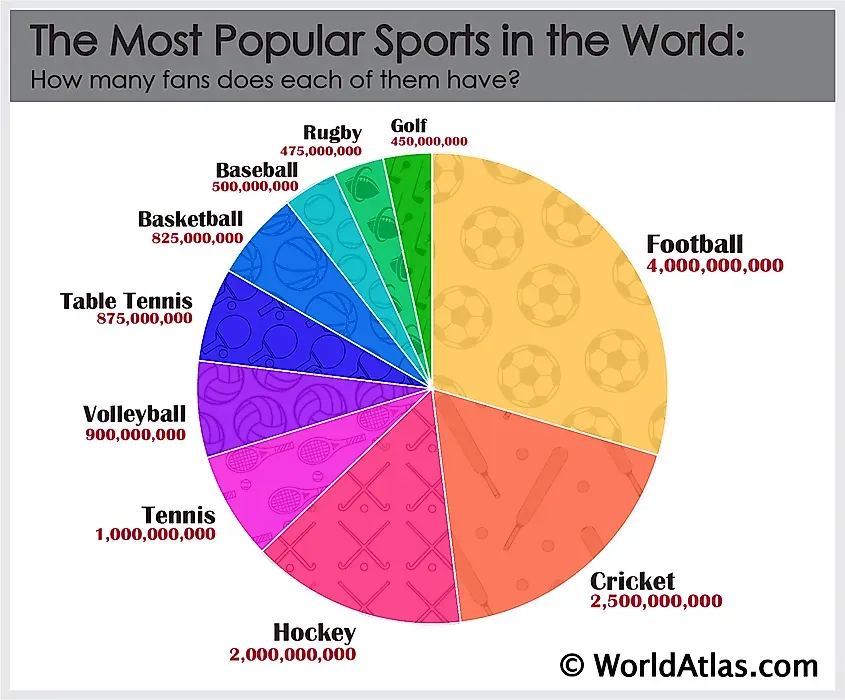
The most popular sports globally include soccer (football), cricket, basketball, field hockey, tennis, volleyball, table tennis, baseball, American football, and rugby. These sports attract millions of fans worldwide and have significant followings in various regions.
Why is soccer considered the most followed sport in the world?
Soccer, or football, is the most followed sport in the world due to its simplicity, global accessibility, and massive events like the FIFA World Cup. With an estimated 4 billion fans, soccer’s universal appeal transcends cultural and geographical barriers.
How does cricket maintain its popularity among sports fans worldwide?
Cricket maintains its popularity among sports fans worldwide, particularly in countries like India and Pakistan, with around 2.5 billion followers. The rise of T20 leagues and events like the ICC Cricket World Cup has captivated younger audiences and fostered a passionate fan base.
What impact has basketball had on popular sports around the world?
Basketball has had a significant impact on popular sports around the world, boasting approximately 2.4 billion fans. The NBA’s global reach and star athletes have popularized the sport, making events like the FIBA World Cup and the Olympics major highlights in the sports calendar.
Which sports have the highest number of fans internationally?
The sports with the highest number of fans internationally include soccer (4 billion), cricket (2.5 billion), basketball (2.4 billion), field hockey (2 billion), and tennis (1 billion). These sports dominate both viewership and participation rates globally.
How do the Olympics influence the popularity of sports like volleyball and table tennis?
The Olympics significantly influence the popularity of sports like volleyball and table tennis by providing a global platform for competition. Over 900 million fans follow volleyball, while 875 million are fans of table tennis, thanks to their exciting Olympic showcases.
What are the characteristics of popular sports like American football and rugby?
Popular sports like American football and rugby feature intense competition, strategic play, and strong cultural ties. Both sports enjoy dedicated followings, with American football attracting 400 million fans and rugby holding the hearts of fans mainly in the UK, Australia, and New Zealand.
Why do certain sports, like baseball and tennis, have dedicated fan bases?
Sports like baseball and tennis have dedicated fan bases, with baseball drawing around 500 million fans and tennis about 1 billion, due to their rich histories, prestigious tournaments, and the sense of community they foster among fans and players alike.
How can events like the FIFA World Cup impact the popularity of soccer?
Events like the FIFA World Cup significantly impact the popularity of soccer by bringing in billions of viewers and unifying fans across the globe. The tournament’s excitement and competitive spirit elevate soccer’s status as the leading global sport.
What role do international competitions play in boosting the visibility of lesser-known sports?
International competitions, such as the Rugby World Cup or the Olympics, play a crucial role in boosting the visibility of lesser-known sports by showcasing talent and thrilling matches to a worldwide audience, thus attracting new fans and increasing general interest in these sports.
| Rank | Sport | Estimated Fans (in billions) | Regions of Popularity | Key Events |
|---|---|---|---|---|
| 1 | Soccer (Football) | 4.0 | Europe, Asia, Africa, South America | FIFA World Cup |
Summary
Most Popular Sports have the power to unite people across borders, cultures, and backgrounds. With a diverse range of sports such as soccer, cricket, and basketball, each sport offers unique thrills and a sense of competition. The global appeal of these sports is evident, as they attract billions of fans and support spectacular events like the FIFA World Cup and Olympics. Embracing the excitement and camaraderie these sports foster, we can appreciate how they enhance cultural connections and shared experiences among diverse populations.