Listen to this article
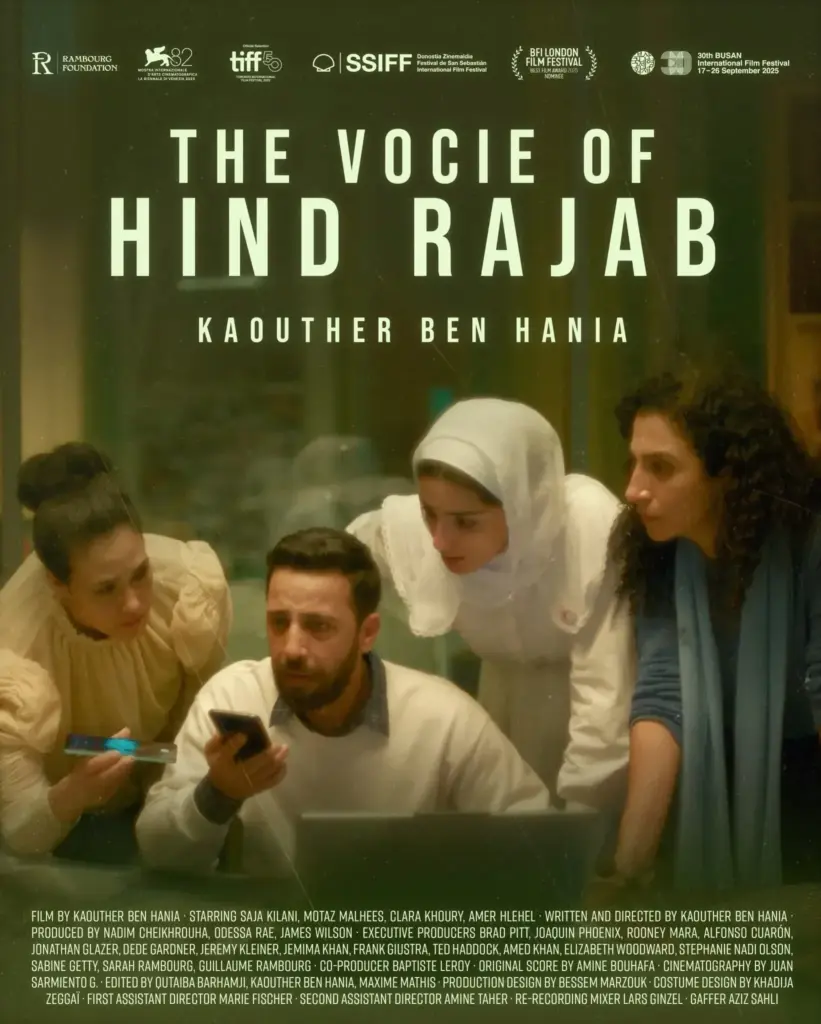
The Voice of Hind Rajab serves as a poignant reminder of the human cost of conflict through the eyes of a terrified six-year-old Palestinian girl who made a desperate plea for help amidst the chaos in Gaza. Directed by the critically acclaimed Kaouther Ben Hania, this film takes viewers on a heart-wrenching journey, blending real audio recordings with a dramatized retelling of the tragic events that claimed Hind’s life and her loved ones. As a groundbreaking addition to Palestinian cinema, it aims to evoke empathy in film and highlight the urgent need for awareness in a world often numb to violence. By shifting focus to the emotional weight of Hind’s story, the film seeks not only to bear witness to a tragic event but also to challenge audiences to confront their own feelings of helplessness in the face of suffering. The Voice of Hind Rajab is more than just a documentary; it represents a cry for humanity that resonates beyond borders and cultural divides.
Titled The Voice of Hind Rajab, this impactful film artfully delves into the chilling narrative of a young girl caught in the crossfire of war. With a bold directorial approach, Kaouther Ben Hania captures the essence of a heartbreaking real-life incident involving a child in Gaza, illustrating the devastating effects of conflict on innocent lives. Through a compelling blend of documentary and dramatized storytelling, the film elevates the chilling phone call from a girl seeking help into an exploration of fear, desperation, and the quest for empathy in times of crisis. As it unfolds, audiences are invited to engage with the harsh realities faced by many and consider their own responses to such situations. Ultimately, The Voice of Hind Rajab stands as a crucial reflection on the need for compassion and understanding in an increasingly divided world.
The Impact of Hind Rajab’s Voice on Cinema
The Voice of Hind Rajab is not just a film; it’s a powerful conduit for empathy that transports audiences into the harrowing reality faced by Palestinian families. Grounded in a true story, the film captures the chilling final moments of a young girl who became a symbol of innocence lost amidst the chaos of war. Director Kaouther Ben Hania’s decision to center her film around the emergency phone call made by the six-year-old Hind brings a visceral experience to viewers, compelling them to confront the stark realities of violence against children in conflict zones. This documentary-drama hybrid utilizes Hind’s voice as a haunting reminder of the human cost of war, provoking a deep emotional response that resonates long after the credits roll.
In this work, the emotional weight is enhanced by the immersive storytelling techniques Ben Hania employs, where real audio from Hind’s call is interspersed with dramatized reenactments. By amalgamating documentary elements with narrative art, the film transforms a tragic death into a universally relatable story of fear and helplessness. Critics have praised how the interplay between documentary and drama not only honors Hind’s memory but also challenges the audience’s desensitization to violence. The positive reception at film festivals underscores the importance of engaging storytelling in Palestinian cinema that elevates personal narratives, urging viewers to feel and reflect on their own positions regarding global conflict.
Kaouther Ben Hania: A Voice for the Voiceless in Palestinian Cinema
Kaouther Ben Hania has asserted herself as a significant voice in contemporary Palestinian cinema, using her craft to highlight narratives that often go unheard. Her body of work, which includes Oscar-nominated films, consistently underscores her commitment to illuminating the human experiences impacted by political turmoil and social injustices. In The Voice of Hind Rajab, her intention was clear: to bear witness to a heartbreaking reality that many prefer to ignore. By choosing to focus on Hind’s voice, she not only preserves the memory of a child lost too soon but also advocates for the broader Israeli-Palestinian narrative that seeks recognition in the global discourse on human rights.
Ben Hania’s ability to provoke empathy through her films allows her audience to step into the shoes of those affected by war. This is particularly evident in her latest work, where she emphasizes that documentary filmmaking can serve a greater purpose than merely informing viewers; it can humanize the statistics often associated with conflict. As she navigates through the sensitive content of Hind Rajab’s story, Ben Hania invites audiences to confront their discomfort and reconsider their connections to distant tragedies. Her commitment to showcasing narratives from marginalized voices is a crucial contribution to Palestinian cinema, highlighting the need for stories that resonate on a deeply personal level while fostering a collective sense of responsibility.
The Role of Empathy in Film: Lessons from The Voice of Hind Rajab
Empathy in film serves as a powerful tool for understanding and connecting with diverse human experiences, and The Voice of Hind Rajab exemplifies this sentiment perfectly. Through the lens of a young girl’s desperate plea for help, the film invites viewers to engage with the harrowing realities faced by those caught in the crossfires of geopolitical conflicts. By utilizing real-life recordings and an authentic portrayal of events, director Kaouther Ben Hania creates a bridge between audiences and the lived experiences of individuals like Hind Rajab. This unique blend of emotional storytelling compels audiences to feel and react, fostering an emotional connection that transcends cultural and geographical barriers.
The film carefully illustrates how art can drive awareness and empathy, especially in situations where systemic narratives often dehumanize the individuals involved. By presenting the story of Hind Rajab through the heartfelt lens of the Red Crescent volunteers who tried to save her, the film challenges viewers to confront their perceptions of the region and its conflicts. The emotional depth achieved through this narrative approach serves as a poignant reminder that behind every news headline lies a real person with hopes and fears. In championing the voice of Hind Rajab, the film not only honors her memory but also advocates for a broader understanding of empathy in film—a crucial element for fostering social change.
The Significance of Palestinian Cinema in Global Storytelling
Palestinian cinema plays a vital role in global storytelling by offering unique perspectives that challenge dominant narratives surrounding conflict. The Voice of Hind Rajab is a prime example of how filmmakers like Kaouther Ben Hania are utilizing their craft to elevate the stories of individuals whose voices are often marginalized. By centering her narrative on a real-life event that captures the innocence of childhood amid chaos, Ben Hania champions a new wave of filmmaking that seeks to humanize and contextualize the Palestinian struggle. Through her artistic vision, she not only sheds light on Hind’s tragic story but also places Palestinian cinema on the global stage, demanding that these narratives be part of international conversations about war and peace.
The increasing recognition of Palestinian films at prestigious international festivals signals a paradigm shift in how stories from the region are perceived. As critics and audiences become more engaged with the emotional core of films like The Voice of Hind Rajab, they come to realize that these stories transcend political boundaries. This genre is helping to construct a richer, more nuanced understanding of life in Palestine and the complexities of its ongoing conflicts. Each film adds a layer to the global tapestry of narratives, reminding audiences that empathy and understanding are essential to grasping the full scope of human experiences, particularly those marred by violence and displacement. As creators continue to share these poignant stories, they pave the way for greater recognition and solidarity with the Palestinian plight.
Hind Rajab: A Symbol of Innocence Lost in War
Hind Rajab stands as a haunting symbol of innocence lost amidst the turmoil of war, her story encapsulating the tragic consequences faced by many children in conflict zones. The Voice of Hind Rajab, directed by Kaouther Ben Hania, serves as an artistic tribute to her life, weaving a narrative that blends documentary and dramatized elements to fully capture the emotional gravity of her experience. By shining a light on the chilling reality of a child’s plea for help during an airstrike in Gaza, the film evokes a collective grief that is both personal and universal. The filmmakers’ choice to center this narrative around Hind’s desperate call underscores the urgency of addressing the experiences of innocent victims in war-torn regions.
In portraying Hind’s last moments, the film elicits a deep sense of empathy and compels viewers to confront the often-ignored plight of children in violent conflicts. It becomes a vital reminder of the grander humanitarian crisis affecting thousands, inviting audiences to reflect on their own roles in advocating for peace. Hind Rajab’s voice serves as a rallying cry, pushing for action against the conditions that lead to such tragic outcomes. The recognition and reverence given to her story have the potential to inspire further dialogue and understanding about the human costs of war, emphasizing the need for a comprehensive and empathetic approach to storytelling in cinema.
Empathy and Activism: How The Voice of Hind Rajab Inspires Change
The Voice of Hind Rajab goes beyond mere storytelling; it encapsulates the very essence of empathy and activism. Kaouther Ben Hania’s decision to explore the heart-wrenching tale of a six-year-old girl amidst the backdrop of war demonstrates how film can be a vehicle for social change. By bringing Hind’s story to life, the director aims to inspire audiences not only to feel but also to act in response to the injustices depicted on screen. Advocating for a cinematic approach that bridges the gap between reality and empathy, Ben Hania encourages viewers to engage actively with the narratives presented, creating a space for dialogue surrounding the crisis in Gaza.
The film’s compelling portrayal of emergency responders trying to save Hind brings attention to the oft-overlooked heroes working in conflict zones. By illuminating the dedicated efforts of the Red Crescent volunteers in the midst of chaos, the film highlights the importance of humanitarian work, urging greater support for such initiatives. The visceral reaction elicited from audiences can, and should, translate into tangible action, whether it be advocating for humanitarian aid, sharing the stories of those affected by conflict, or contributing to broader movements for peace. The Voice of Hind Rajab serves as both a poignant reminder and a call to action, reinforcing the transformative power of empathy in driving social change.
The Role of Media in Amplifying Palestinian Voices
The media plays a crucial role in amplifying narratives from marginalized communities, and The Voice of Hind Rajab exemplifies this function within Palestinian cinema. By choosing to focus on the personal story of a young girl and the heartbreaking circumstances surrounding her death, Kaouther Ben Hania brings attention to the urgent need for more nuanced representations of Palestinian stories in international media. The film not only highlights the struggles faced by those in conflict but also humanizes the individuals often lost in the narrative surrounding geopolitical strife. This approach reflects a growing awareness within the media landscape of the power of storytelling to foster understanding and empathy.
In a world increasingly dominated by sensationalized news coverage, films like The Voice of Hind Rajab can shift the focus from abstract political debates to the tangible human experiences behind them. By showcasing the emotional realities of victims like Hind, the film challenges audiences to recognize their humanity and reflect on the implications of their perceptions regarding the conflict. Furthermore, the collaboration between filmmakers and media entities serves to elevate these underrepresented voices, ensuring they reach a broader audience. Spotlighting stories like Hind’s can catalyze discussions and advocacy efforts, ultimately contributing to a more informed and empathetic global community.
Cinematic Techniques to Convey Urgency in Conflict
The Voice of Hind Rajab utilizes powerful cinematic techniques to convey the urgency and intensity of conflict, drawing viewers into the harrowing experiences of those trapped in war. Kaouther Ben Hania’s adeptness at weaving real audio clips from Hind’s emergency call with dramatized reenactments immerses the audience in the chilling atmosphere surrounding the events. This duality not only showcases the film’s commitment to authenticity but also magnifies the emotional stakes, ensuring that viewers remain engaged with the unfolding narrative. The use of sound design, especially with the haunting echoes of gunfire and an impending sense of dread, plays a pivotal role in constructing an immersive experience that captures the essence of fear and helplessness faced by individuals in crisis.
Moreover, the juxtaposition of the calm voices of Red Crescent responders against the backdrop of escalating violence highlights the stark contrasts present in wartime situations. This technique effectively illustrates the disconnect between the efforts of those striving to save lives and the chaotic environment surrounding them. By focusing on these humane interactions, the film accentuates the urgency of their mission while portraying a deeper understanding of life in Gaza under siege. The choices made in the film’s cinematography and sound design not only enhance the storytelling but also reinforce the film’s core message—empathy and urgency are intrinsically linked in the face of human suffering.
Frequently Asked Questions
What is the premise of The Voice of Hind Rajab documentary?
The Voice of Hind Rajab is a docudrama directed by Kaouther Ben Hania, centered around the heartbreaking emergency call made by a six-year-old Palestinian girl, Hind Rajab, during the Gaza conflict in 2024. The film combines real audio from Hind’s desperate plea for help with dramatized scenes of Red Crescent volunteers attempting to save her, highlighting both the personal tragedy and the broader issues of violence in Gaza.
How does The Voice of Hind Rajab address empathy in film?
The Voice of Hind Rajab aims to provoke empathy by immersing viewers in the emotional experience of Hind’s call for help. Director Kaouther Ben Hania focuses on honoring Hind’s voice and conveying the urgency of her situation, challenging audiences to confront the realities of war and the human cost behind the headlines. This approach underlines the film’s commitment to capturing the truth of the Palestinian experience.
What inspired Kaouther Ben Hania to create The Voice of Hind Rajab?
Kaouther Ben Hania was inspired to create The Voice of Hind Rajab after hearing the chilling emergency call of Hind Rajab, which haunted her. Motivated by feelings of anger, sadness, and a desire to bear witness, she paused her scheduled project to focus on retelling Hind’s story, aiming to transform her helplessness into a film that would resonate widely and raise awareness about the situation in Gaza.
What accolades has The Voice of Hind Rajab received since its release?
Since its release, The Voice of Hind Rajab has garnered significant acclaim, including a record 23-minute standing ovation at the Venice Film Festival and a nomination for Best Foreign Language Film at the Golden Globe Awards. The film’s impactful storytelling and its bold engagement with complex themes of war and loss have attracted widespread attention in the realm of Palestinian cinema.
How did Hind Rajab’s true story influence the narrative of the film?
The true story of Hind Rajab profoundly influenced the narrative of The Voice of Hind Rajab, as the filmmaker aimed to faithfully present the events surrounding her tragic death during the Gaza conflict. The film’s structure juxtaposes real audio recordings with dramatized recreations, emphasizing the emotional and ethical dimensions of retelling a story that reflects real-life loss and the struggle for survival amid violence.
What ethical considerations did Ben Hania face when making The Voice of Hind Rajab?
In creating The Voice of Hind Rajab, Kaouther Ben Hania grappled with ethical considerations around representation and storytelling. She sought to respect the testimonies of those involved while acknowledging the sensitive nature of the subject matter. Ben Hania chose not to reach out to opposing voices, highlighting her intent to honor Hind’s story rather than conduct a traditional investigation, thus navigating the fine line between documentary and dramatization.
Why is The Voice of Hind Rajab significant in the context of Palestinian cinema?
The Voice of Hind Rajab is significant in Palestinian cinema as it brings to light a personal story emblematic of broader societal issues faced by Palestinians. By focusing on the human experience of a young girl in crisis, the film endeavors to foster empathy and understanding among global audiences, aligning with a growing movement in cinema that seeks to portray the complexities and nuances of the Palestinian narrative.
| Key Points |
|---|
| Film focuses on the story of Hind Rajab, a Palestinian girl killed during an Israeli attack in Gaza. |
| Filmmaker Kaouther Ben Hania was inspired by a harrowing emergency call made by Hind Rajab in her final moments. |
| The film aims to convey the emotional weight of Hind’s story through a hybrid format of documentary and drama. |
| The film includes performances from actors of Palestinian origin and reflects the challenges faced by paramedics trying to respond to the crisis. |
| Critics have praised the film for its emotional impact, while acknowledging the ethical complexities of blending real events with dramatization. |
| The Voice of Hind Rajab is intended to honor the girl’s voice and bring attention to the realities of war. |
Summary
The Voice of Hind Rajab sheds light on the troubling reality faced by a young Palestinian girl during a violent conflict, contrasting innocence with the horrors of war. Through compelling storytelling and emotional performances, the film invites viewers to reflect deeper on the impacts of conflict while ensuring that Hind’s plea for help echoes beyond borders. This powerful narrative aims not only to document a tragic event but also to provoke empathy, urging audiences to confront uncomfortable truths about modern warfare and its youngest victims.