Listen to this article
The Traitors fashion isn’t just about aesthetics; it plays a pivotal role in the dynamic world of reality TV fashion where contestants rely on their attire to communicate their character to others. With each ensemble, contestants showcase their personal style, weaving intricate narratives through their choices, such as Stephen’s statement jumpsuits and Jade’s charming knitwear. According to psychologist Carolyn Mair, the clothing on The Traitors becomes a strategic tool, impacting how players are perceived in the intense psychological game. The knitwear trends and bold patterns seen on the show amplify personal branding, where outfits reflect not only individual personalities but also psychological tactics in gameplay. As viewers engage with the contestants’ style journeys, they gain insight into the fascinating intersection of fashion psychology and reality television.
The sartorial choices showcased by contestants on The Traitors highlight the significance of clothing in shaping identity and perception in the realm of reality competition. From vibrant cardigans to striking jumpsuits, the styles worn by participants offer a glimpse into their personalities and strategic intentions. Contestants skillfully utilize their outfits to forge connections and influence judgments among their peers, revealing the underlying fashion psychology at play. By leveraging current knitwear trends and fashion-forward pieces, they navigate alliances and rivalries, proving that clothing is more than mere decoration—it serves as a powerful means of communication. As fashion intertwines with the narrative of The Traitors, the show elevates the common experience of dressing into a captivating spectacle of strategy and self-expression.
The Fashion Choices of The Traitors Contestants
On reality TV shows like The Traitors, fashion isn’t just an afterthought; it’s a strategic tool. Contestants carefully curate their outfits to project specific personas and influence how their peers perceive them. As noted by psychological experts, clothing selections convey messages about confidence, trustworthiness, and even underlying strategies. With each episode, the contestants exhibited a keen awareness of fashion psychology, using style elements to communicate non-verbal cues that impacted their gameplay.
For instance, Stephen’s flamboyant jumpsuit choices didn’t merely express his personal style—they were deliberate tactics to divert attention from his intentions in the game. Dressed in bold colors and unique patterns, he aimed to create an image of positivity and charisma, prompting others to view him favorably. This illustrates the significant role of reality TV fashion as a narrative device that can both enhance a contestant’s visibility and simultaneously serve their strategic objectives.
Knitwear Trends in Reality TV Fashion
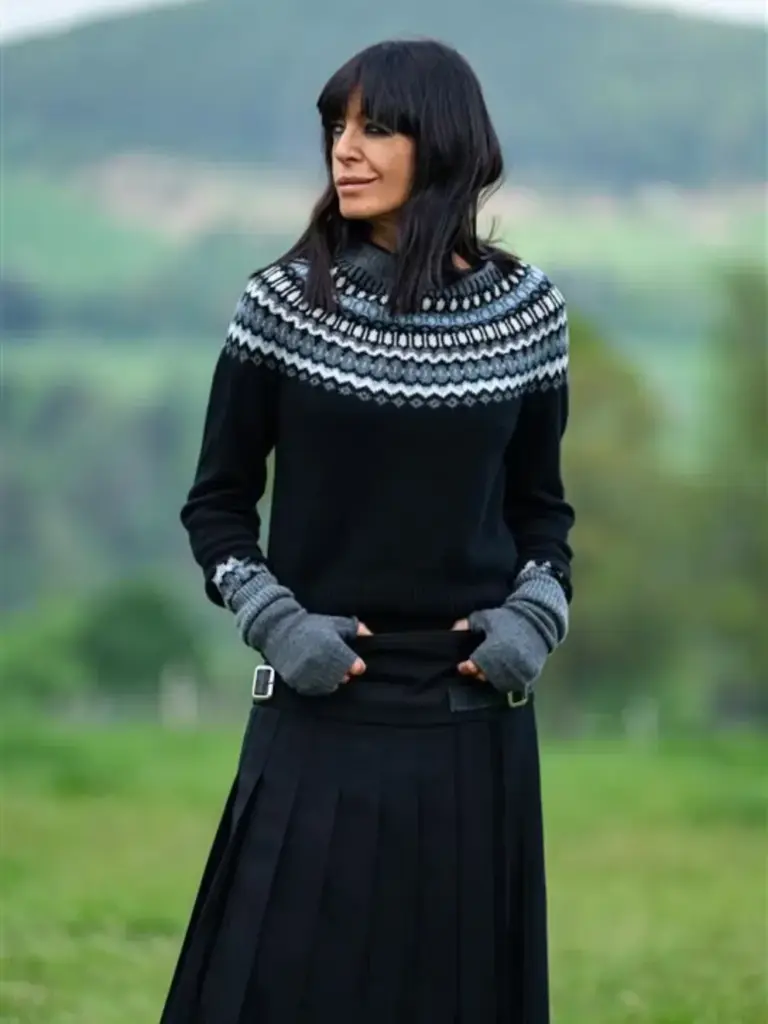
Knitwear has become a staple in the wardrobe choices of contestants on The Traitors, blending comfort with style and strategy. This season showcased vibrant knitwear pieces, from Rachel’s bright cardigans to Jade’s youthful ensembles that combined both playful and powerful elements. These choices illustrate how knitwear not only enhances visual appeal but also aligns with the characters the contestants aim to portray within the competitive environment of reality TV.
The influence of knitwear trends extends beyond mere aesthetics; it plays into the emotional undertones of contestants’ personalities. By choosing colorful cardigans and warm, inviting designs, contestants communicate traits such as friendliness and approachability. This aligns with fashion psychology, where colors and textures evoke feelings and influence social interactions, enabling contestants to establish rapport with others while subtly asserting their own identities in the game.
The Impact of Jumpsuits in The Traitors Fashion
Jumpsuits have carved out a significant niche in the fashion landscape of The Traitors, becoming synonymous with bold style statements. Stephen’s jumpsuit garnered considerable attention, not only for its striking design but also as a representation of his game strategy. The choice of a jumpsuit, often seen as both daring and stylish, allowed him to stand out amidst a competitive setting where first impressions mattered greatly.
Furthermore, jumpsuits evoke a blend of confidence and comfort, enabling contestants to carry themselves with poise during intense social interactions. This reflects a larger fashion trend where functional yet fashionable pieces empower wearers to express their individuality while providing the pragmatism required in a demanding environment. In reality TV fashion, jumpsuits serve as a powerful tool that contestants can leverage to communicate both their personal style and strategic intents.
Understanding the Psychology Behind Fashion Choices
The psychological implications of fashion on The Traitors cannot be overlooked. Carolyn Mair emphasizes how clothing goes beyond mere fabric; it acts as a character-telling device that shapes viewer perceptions and contestant interactions. Contestants like Matthew acknowledged the importance of being deliberate with their fashion decisions, carefully selecting garments that align with their desired in-game personas. This intertwines fashion psychology with reality TV, creating a compelling narrative around how what we wear shapes our psychological reality.
Additionally, the contestants highlighted that their desired representation was aligned with their emotional states, using fashion as a non-verbal communication tool to express confidence or vulnerability. Harriet’s choice to wear red during a confrontation was a strategic move, leveraging color psychology to assert dominance in a tense moment—a clear demonstration of how carefully curated outfits can alter perceptions and dynamics within the game.
Nonverbal Communication Through Color and Style
Color theory plays a significant role in how contestants on The Traitors communicate their personalities and game strategies through fashion. Colors like red, often associated with confidence and aggression, were employed by contestants like Harriet during confrontational moments, embedding their emotional state into their wardrobe choices. This understanding aligns seamlessly with the principles of fashion psychology, which postulate that colors induce specific emotional responses in both the wearer and the observer.
Moreover, contestants such as Jade used more pastel colors and playful patterns to evoke feelings of innocence and approachability, strategically disarming opponents while building connections. As such, every sartorial choice becomes part of a broader psychological strategy that influences alliances and rivalries, showcasing how reality TV fashion is more than surface-level aesthetics—it’s a compelling arena where style and substance intertwine.
The Role of Stylist Advice in Contestants’ Wardrobes
While contestants on The Traitors have significant autonomy over their wardrobe choices, some do receive stylistic guidance that shapes their on-screen appearances. Insights shared by Charlotte and Frankie reveal that the stylists provide general guidance, helping contestants select outfits that not only adhere to the show’s aesthetic requirements but also enhance their individual styles. For contestants striving for authenticity, this guidance helps them find a balance between individual creativity and the expectations set by the show.
However, the interesting aspect of this dynamic is the self-management of fashion choices by the contestants. Many have opted to source their outfits from thrift shops or their existing wardrobes, lending a personal touch to their style and reflecting a growing trend in reality TV fashion: sustainability. This conscious choice underscores a desire to create unique identities within the game while aligning personal values with public personas.
Fashion as a Strategy in Social Dynamics
The interplay between fashion and strategy emerges strongly within the context of The Traitors, where contestants make deliberate choices designed to affect social interactions and alliances. For example, Stephen’s vibrant outfits were not merely fashion statements; they were tactical decisions aimed at evoking positive responses from fellow contestants and masking his true intentions. This blend of fashion and psychological warfare is critical in a competitive environment where trust and betrayal are constantly at play.
Beyond individual strategies, the collective fashion choices contribute to an overall culture that reflects the show’s themes and the dynamics within the house. This reflects the broader trend in reality TV fashion, where clothing selections become symbolic of the emotional and strategic layers at play, underscoring the need for contestants to remain both visually appealing and psychologically formidable.
The Influence of Social Media on The Traitors Fashion
In the age of social media, the fashion choices of The Traitors contestants are under constant scrutiny, adding another layer of strategic importance to their outfits. With viewers and fans closely analyzing each contestant’s style on platforms like Instagram and Twitter, there emerges a unique feedback loop that influences both individual style choices and collective trends on the show. Contestants may adjust their outfits not just for gameplay, but to align with public perception and the sentiments expressed by their followers.
This real-time fashion critique can elevate a contestant’s popularity or affect their standing within the game itself. Notably, outfits that resonate positively with the audience can establish a contestant’s brand outside of the show, potentially leading to endorsement deals or merchandise opportunities. Thus, fashion on The Traitors is not just a personal statement; it serves as a public representation and a potential revenue stream in the context of reality TV—where personal style can translate into social capital.
Grammy-Worthy Styles: Celebrity Influence on Reality TV Fashion
The influence of celebrity fashion reverberates throughout reality TV, with The Traitors contestants drawing inspiration from high-profile figures as they craft their looks. For example, Stephen’s designer jumpsuit echoes styles worn by celebrities like Harry Styles and Beyoncé, merging high fashion with competitive strategy. This intersection of celebrity influence and reality TV fashion showcases how contestants utilize aspirational aesthetics to enhance their visual appeal and command attention.
Moreover, the blending of high fashion with everyday aesthetics allows contestants to cultivate a unique identity that resonates with both the audience and their fellow competitors. By channelling looks reminiscent of pop icons, contestants enhance their credibility and allure within the visually-driven context of reality TV. This informs a new layer of strategy, where adopting elements of celebrity fashion becomes part of a broader conversation about identity, aspiration, and ultimately, winning the game.
Frequently Asked Questions
What role does fashion play for contestants on The Traitors?
Fashion plays a crucial role for contestants on The Traitors as their clothing choices influence how they are perceived by others. Contestants use fashion as a tool for non-verbal communication, tapping into styles that reflect their personalities or strategic intentions, ultimately shaping how they engage in the gameplay and social dynamics.
How do knitwear and jumpsuits fit into The Traitors fashion trends?
Knitwear and jumpsuits are significant trends in The Traitors fashion scene. Contestants like Stephen showcased flamboyant jumpsuits from designers like Palomo Spain, while others opted for bright, colorful knitwear to convey specific messages or emotions, demonstrating how outfits can enhance character portrayal and influence perceptions among players.
What can fashion psychology tell us about contestants’ styles on The Traitors?
Fashion psychology reveals that contestants on The Traitors strategically select their outfits to communicate confidence, warmth, or authority. For instance, wearing bright and vibrant colors can elicit trust and approachability, while unique or eye-catching pieces may serve to distract from their true intentions in the game.
How do The Traitors contestants decide on their styles?
The Traitors contestants decide on their styles largely based on personal preferences and strategic considerations. Many contestants curate their wardrobes carefully, opting for pieces that could help convey their desired persona, whether through playful knitwear for an innocent look or dramatic jumpsuits to draw attention and project confidence.
Why might jumpsuits be considered a bold choice in The Traitors fashion?
Jumpsuits are considered a bold choice in The Traitors fashion due to their eye-catching and distinctive silhouette. Contestants like Stephen have effectively used jumpsuits to stand out during the competition, leveraging their unique appeal to alter perceptions and influence interactions among fellow players, making a statement that merges style with strategy.
What influence do knitwear trends have on The Traitors contestants’ fashion choices?
Knitwear trends significantly influence The Traitors contestants’ fashion choices, allowing them to express personality and emotional state through vibrant colors and textures. Fashion experts note that contestants like Rachel and Harriet used knitwear to evoke warmth and trust, demonstrating how style can impact gameplay and relational dynamics.
How do contestants on The Traitors strategize their fashion choices?
Contestants on The Traitors strategize their fashion choices by considering how their outfits may affect fellow players’ perceptions. For example, Matthew meticulously planned his knitwear selection to embody traits associated with trustworthiness, illustrating how thoughtful fashion choices can serve as a tactical advantage in the competitive reality show setting.
Do contestants receive help with their fashion choices on The Traitors?
While contestants on The Traitors have some guidelines regarding their wardrobe, they generally style their outfits independently without extensive help. However, stylists may offer occasional advice, and contestants often rely on their creativity to pair outfits that align with their personalities and strategic objectives in the game.
| Key Point | Details |
|---|---|
| Fashion’s Impact on Perception | Contestants on The Traitors use their clothing intentionally to shape perceptions, making their style as crucial as their words. |
| Stylish Trends | The latest season showcased notable styles, including vibrant colors, knitwear, and standout pieces like jumpsuits, especially worn by Stephen. |
| Psychological Insights | Clothing reflects mood and character; for example, a contestant wore red to signify confidence during tense moments. |
| Non-verbal Communication | Contestants use fashion as a power play for nonverbal communication, influencing how they are perceived. |
| Strategic Dressing | Choices are often tactical, with some opting to convey innocence, confidence, or approachability through their outfits. |
| Independent Styling | Contestants select their own outfits with minimal assistance from stylists, creating a personal and strategic wardrobe. |
Summary
The Traitors fashion is more than just clothing; it’s a strategic tool that contestants wield to influence opinions and perceptions. Contestants like Stephen and Jade have embraced vibrant and distinctive outfits to convey confidence and approachability. Their fashion choices reflect their personalities and emotional states, showing that in high-stakes environments like The Traitors, what you wear can significantly impact how others perceive you. Each piece they choose is carefully considered, merging aesthetics with strategy to create memorable personas in the competitive landscape of the show.