Listen to this article
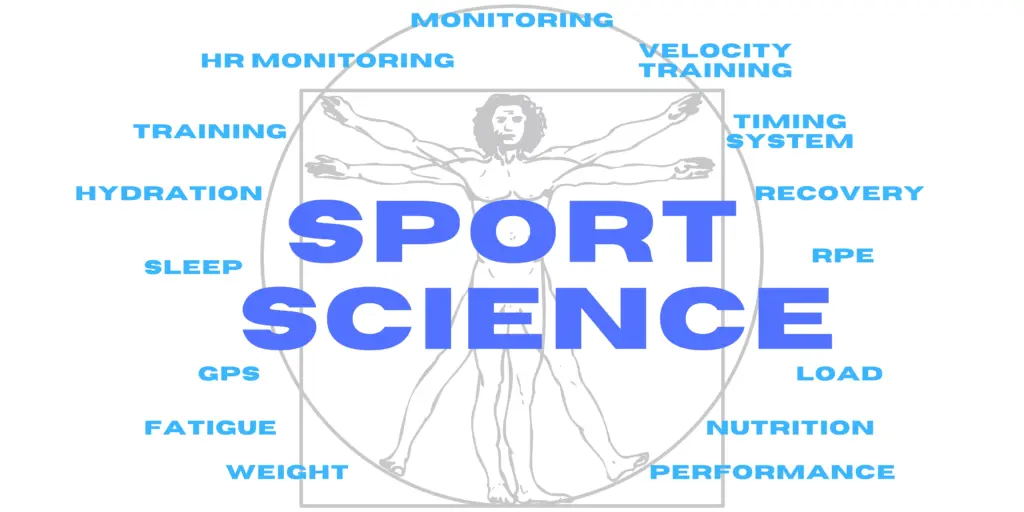
The science of sport delves into the intricate relationship between physics and athletic performance, illuminating the underlying principles that enable athletes to excel. Every leap, sprint, and throw is not just a showcase of physical prowess but a demonstration of biomechanics, energy in sports, and the laws of motion. By understanding the physics of sports, we can analyze how force affects movement and how athletes can optimize their techniques to improve results. This scientific approach not only enhances training methodologies but also emphasizes the importance of safety and injury prevention in sports. As we explore the fundamental concepts guiding performance, we gain a deeper appreciation for the extraordinary capabilities of athletes and the role science plays in achieving them.
Examining the sport sciences reveals the applications of physics in improving athletic performance, shedding light on concepts such as motion dynamics and energy efficiency. The exploration of biomechanics further enriches our understanding of how athletes can perfect their movements to maximize force and minimize resistance. This intricate knowledge not only plays a crucial role in training but also aids in the prevention of sports-related injuries. By integrating principles of physics, such as force detection and energy conversion, athletes can push the boundaries of what is possible in their respective disciplines. In essence, the scientific aspects of athletics serve as a foundation for advancing performance and redefining success in competitive sports.
Understanding the Physics of Sports
The physics of sports is a fascinating area that combines elements of force, motion, and energy to explain how athletes perform. Each action taken by an athlete can be broken down into fundamental laws of physics that govern movement. These laws not only include how to generate force but also how to maintain momentum and speed. By appreciating these principles, athletes can develop techniques that enhance their performance and reduce the risk of injury.
Through understanding the physics involved, athletes can adjust their training regimens to emphasize the importance of energy transfer during their movements. For instance, in activities like sprinting or swimming, harnessing the principles of physics allows for more effective acceleration and powerful strokes, respectively. As athletes delve deeper into the science behind their sports, they discover new ways to optimize their technique and push the boundaries of what is physically possible.
Force and Motion in Athletic Performance
The relationship between force and motion is critical in sports as it directly impacts an athlete’s speed and overall performance. According to physics, the acceleration of an object is influenced by the amount of force exerted on it. This principle is particularly vital in sprinting, where a runner’s ability to exert maximum force against the ground at the start can lead to a crucial advantage. Understanding how to manipulate this force can help sprinters achieve quicker starts and higher speeds.
Moreover, athletes can use drills and resistance training to improve their force generation capabilities. By mastering the coordination of muscle groups and focusing on explosive movements, athletes can create a more dynamic and powerful approach to their respective sports. The application of force is essential not only in running but across various disciplines, making this an integral concept for any athlete aiming for peak performance.
Frequently Asked Questions
What role does physics play in athletic performance?
Physics plays a crucial role in athletic performance by explaining the principles of force and motion, energy transfer, and momentum. Understanding these physics concepts allows athletes to optimize their movements and training, leading to enhanced performance in sports.
How do biomechanics impact athletic training?
Biomechanics impacts athletic training by analyzing how the body moves and interacts during physical activities. By using principles of mechanics, athletes can improve their techniques, prevent injuries, and enhance their overall performance in various sports.
What is the significance of force in sports science?
In sports science, force is significant as it determines how athletes accelerate and propel themselves. According to Newton’s laws, the amount of force exerted influences an athlete’s movement, making it essential for maximizing speed and power, especially at the start of a race.
How does energy transfer affect athletic performance?
Energy transfer affects athletic performance by converting one form of energy into another, such as kinetic energy into potential energy during jumps. Athletes who understand these energy transformations can hone their techniques for more effective performance.
Why is understanding momentum important for athletes?
Understanding momentum is important for athletes because it helps them maintain stability and control their movements. Effectively managing momentum can enhance both speed and performance, particularly in sports that require quick changes in direction like basketball.
What is the impact of air resistance on athletic activities?
Air resistance impacts athletic activities by creating drag that can slow athletes down. Understanding how to minimize air resistance, as seen in sports like cycling, allows athletes to maintain higher speeds and enhance their competitive performance.
How can athletes apply the science of sport to improve their skills?
Athletes can apply the science of sport by incorporating principles of physics and biomechanics into their training routines. Focused drills that enhance force generation, proper technique, and energy management can significantly improve their skills and performance.
What tools are used to analyze sports performance from a physics perspective?
Tools such as motion capture systems, force plates, and wearable sensors are used to analyze sports performance from a physics perspective. These technologies gather data to help athletes and coaches refine techniques and optimize training based on scientific principles.
How can coaches utilize the science of sport in training programs?
Coaches can utilize the science of sport in training programs by designing drills that focus on key physics concepts like force, motion, and energy transfer. Tailoring training based on biomechanical data can lead to more efficient practices and improved athlete performance.
What advancements in sports science are contributing to athletic excellence?
Advancements in sports science, particularly in understanding the physics of sports, are contributing to athletic excellence. Insights into biomechanics and energy management are helping athletes redefine their limits, leading to record-breaking performances in competitive fields.
| Key Concept | Explanation | Application in Sport |
|---|---|---|
| Force and Motion | The relationship between force, mass, and acceleration. Newton’s second law (F = ma). | Maximizing speed and power in movements, e.g., a sprinter’s start. |
Summary
The science of sport encompasses various principles, particularly physics, which plays a vital role in understanding athletic performance. The relationship between force and motion is critical; athletes must learn how to apply force effectively to enhance speed and power, as seen in sprinters. Energy transfer, momentum, and air resistance also significantly impact performance, enabling athletes to refine their techniques for better outcomes. Furthermore, biomechanics studies the human body’s movements, helping prevent injuries and optimize athletic performance. Coaches and athletes alike can harness these scientific principles, informing their training regimens to achieve greater efficiency and success in competition. By embracing the science of sport and its physics, the future of athletics can be reshaped, creating unprecedented opportunities for growth and achievement.