
Listen to this article
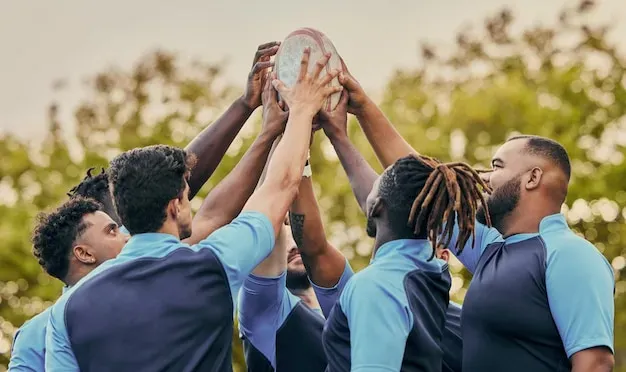
Team sports collaboration is at the heart of every successful sporting endeavor, blending individual skills into a powerful collective force. These collaborative efforts foster strong team dynamics, allowing players to understand their strengths and weaknesses while enhancing their communication in sports. The benefits of teamwork not only elevate team performance on the field but also build lasting relationships among players. In addition, the sense of cohesion in sports imparts critical life lessons, encouraging athletes to support one another through challenges. As we delve deeper into the science of collaboration in team sports, it becomes evident that the principles of teamwork can lead to greater success both during games and in everyday life.
The interconnectedness seen in team sports can also be framed as collective cooperation among athletes working towards a shared goal. This synergy drives performance enhancements through collaborative strategies and team-oriented problem-solving. By leveraging their unique skills, players create an environment where effective communication and strong social bonds flourish. Such dynamics play a pivotal role not only in achieving victory but also in fostering a sense of belonging and resilience among teammates. As we explore the intricate mechanics behind this interplay, the value of collaboration emerges as a fundamental element applicable across various fields, beyond just athletics.
Understanding Team Dynamics in Sports
Team dynamics refer to the psychological and social aspects that influence how team members interact and function collectively. In sports, understanding these dynamics is crucial not only for performance but also for building a supportive environment. Research in social psychology indicates that teams that establish a culture of trust and open communication often experience increased motivation and commitment among players. This leads to improved coordination during play, resulting in higher overall performance during competitions.
Moreover, fostering positive team dynamics involves recognizing each player’s unique strengths and weaknesses. When coaches and players engage in regular feedback and open dialogue, it cultivates a sense of belonging and teamwork. This understanding creates a foundation for strategic synergy, where players can rely on one another’s skills, enhancing the team’s collective efficacy, which directly influences game outcomes.
Frequently Asked Questions
What are the key benefits of teamwork in team sports collaboration?
Team sports collaboration enhances problem-solving skills, improves communication, strengthens social bonds, and fosters team cohesion. These benefits lead to better overall performance both on and off the field.
How does team dynamics impact collaboration in sports?
Team dynamics play a crucial role in collaboration by influencing interactions among players. A positive dynamic encourages motivation, enhances problem-solving abilities, and ultimately improves team performance.
Why is communication in sports essential for effective collaboration?
Effective communication is vital for team sports collaboration as it allows players to quickly convey strategies and adjustments during games. Research shows that teams with strong communication skills perform better in high-pressure situations.
What is team cohesion and how does it affect performance?
Team cohesion refers to the shared commitment to team goals. High levels of cohesion enhance collective efficacy, leading to better performance outcomes as players work more effectively towards common objectives.
How can coaches foster collaboration in team sports?
Coaches can enhance collaboration by implementing team-building exercises, encouraging shared goal setting, and facilitating reflective practices that promote communication and cooperation among players.
What role does technology play in enhancing team sports collaboration?
Technology aids team sports collaboration through performance analysis software and communication apps, allowing teams to dissect strategies, share real-time insights, and maintain connection even when apart.
What are some effective team-building activities for sports teams?
Effective team-building activities include problem-solving challenges, trust exercises, and group discussions that strengthen relationships and promote a sense of camaraderie among team members.
How does collaboration in team sports translate to real-life benefits?
Collaboration in team sports teaches valuable skills such as teamwork, communication, and leadership, which are directly applicable in various aspects of life, including education and professional environments.
What impact does collective efficacy have in team sports?
Collective efficacy refers to the team’s belief in its ability to perform successfully. High collective efficacy correlates with improved motivation and performance, making it a crucial factor in team sports collaboration.
Can you give examples of successful teams that demonstrate effective collaboration?
Teams like the Golden State Warriors in basketball exemplify effective collaboration. Their success is attributed to strong communication, shared goals, and a cohesive unit, showcasing the benefits of teamwork in achieving greatness.
| Key Point | Explanation |
|---|---|
| Understanding Team Dynamics | Team dynamics influence performance, with positive interactions leading to increased motivation and enhanced problem-solving. |
| Enhanced Problem Solving | Team sports develop tactical problem-solving skills through collaboration during games. |
| Improved Communication Skills | Effective communication fosters better in-game coordination and decision making. |
| Strengthening Social Bonds | Team sports enhance camaraderie and provide emotional support, benefiting players’ mental health. |
| Cohesion and Collective Efficacy | Teams with strong unity and collective belief are more successful. |
| Implementing Collaboration in Training | Intentional team-building exercises and shared goal setting cultivate collaboration. |
| The Role of Technology | Technology enhances collaboration through performance analysis and communication apps. |
| Collaboration Beyond Sports | Skills gained from team sports are transferable to corporate environments, emphasizing the need for teamwork. |
Summary
Team sports collaboration is vital for cultivating success not only in athletics but also in broader aspects of life. The dynamics of collaboration in sports teach players essential skills such as effective communication, problem-solving, social bonding, and collective efficacy, all of which are applicable in various settings including business and education. By implementing intentional team-building efforts and leveraging technology, coaches can foster an environment where collaboration thrives. Ultimately, these collaborative processes not only enhance on-field performance but also contribute to the development of well-rounded individuals who excel in teamwork throughout their lives.

