Listen to this article
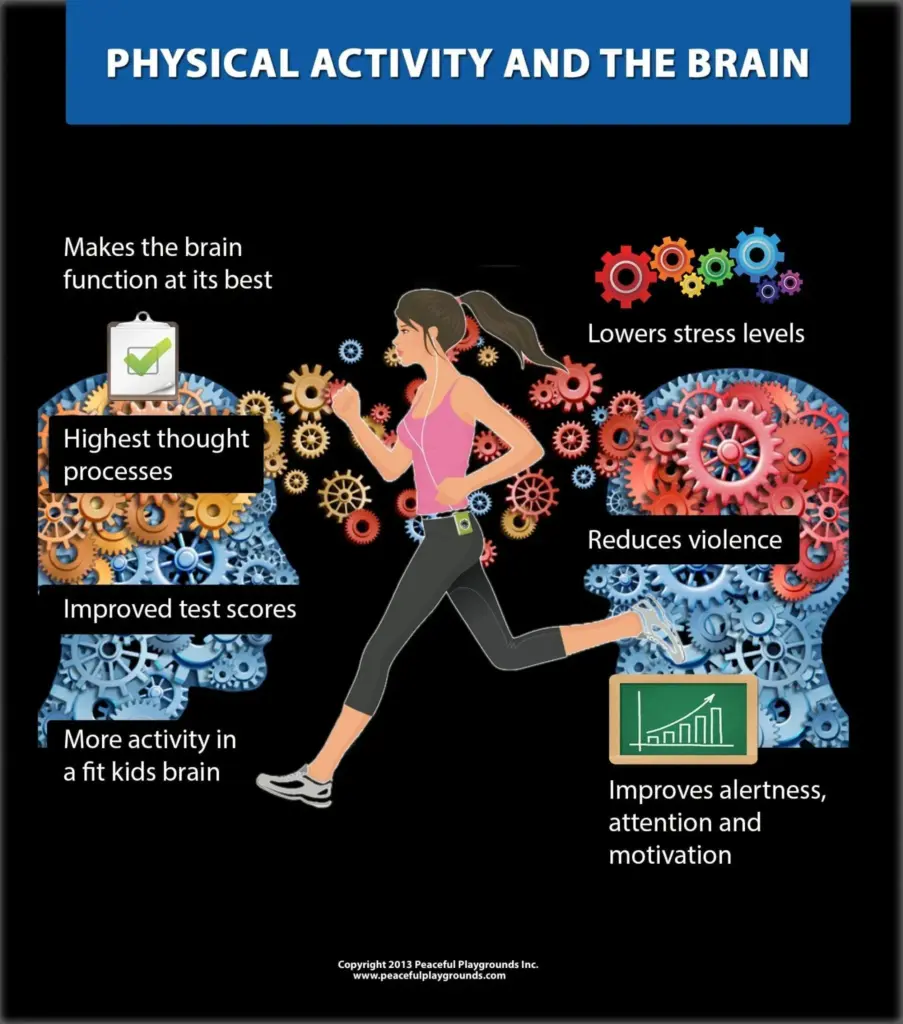
Physical activity and brain health are intertwined in a fascinating way, with numerous studies revealing the impressive benefits of exercise on brain function. Engaging in consistent exercise is pivotal not just for physical fitness, but it also profoundly enhances cognitive performance and emotional well-being. From improving memory to boosting creativity, the benefits of exercise on brain function are extensive, illustrating how our bodies and minds are inextricably linked. Moreover, physical activity can stimulate neurogenesis, leading to increased brain activity and better mental health outcomes, underscoring the importance of sports as a vital contributor to cognitive vitality. As we explore the science behind this connection, it’s clear that incorporating regular movement into our lives not only promotes a healthy physique but also ensures a sharper mind.
The relationship between bodily movement and cognitive enhancement is increasingly recognized in health and wellness discussions. Patterns of physical exertion, commonly referred to as exercise, have shown significant implications for mental capabilities, demonstrating how sports boost cognitive efficiency. Engaging in various physical activities not only fortifies the body but also serves as a catalyst for improved brain functionality and neurodevelopment. Enhanced brain activity correlates with a physically fit lifestyle, further highlighting the importance of maintaining an active routine for overall mental health. As we delve deeper into this intricate brain-body correlation, we can better understand the mechanisms through which physical fitness fortifies our mental acuity.
The Cognitive Benefits of Regular Exercise
Regular physical exercise has profound effects on cognitive functions, enhancing memory, attention, and critical thinking skills. As research shows, aerobic activities like running or swimming not only increase heart rate but also improve blood flow to the brain. This elevated blood flow ensures that the brain receives the necessary oxygen and nutrients required for optimal functioning. The result is a noticeable enhancement in cognitive abilities, which can aid in better academic performance and decision-making skills across different age groups.
Moreover, exercise has been linked to increased brain-derived neurotrophic factor (BDNF) that promotes neurogenesis, the process of creating new neurons. This essential mechanism boosts overall brain plasticity, allowing for quicker adaptation to new information and better problem-solving capabilities. Engaging in regular physical activity creates a robust feedback loop: improved cognition inspires individuals to maintain an active lifestyle, which, in turn, further enhances their mental faculties.
Frequently Asked Questions
What are the benefits of exercise on brain health?
Exercise significantly enhances brain health by improving blood flow and oxygen supply, which supports neuron growth. Regular physical activity leads to the release of neurotransmitters like serotonin and dopamine, improving mood and cognition. Additionally, exercise promotes neurogenesis and brain plasticity, essential for memory and learning.
How does physical fitness improve brain function?
Physical fitness improves brain function by increasing overall blood flow, providing the brain with more nutrients and oxygen. This not only boosts cognitive abilities but also aids in stress relief and emotional well-being, enhancing mental clarity and decision-making skills.
In what ways do sports improve cognition?
Engaging in sports boosts cognition by stimulating the release of beneficial hormones and neurotransmitters that enhance mood and reduce anxiety. Additionally, sports require multitasking and focus, which sharpen analytical skills and problem-solving capabilities.
How does exercise promote neurogenesis?
Exercise promotes neurogenesis by increasing levels of brain-derived neurotrophic factor (BDNF), a protein that encourages the creation of new neurons. This process is vital for memory improvement and overall cognitive function.
What is the relationship between brain activity and exercise?
Brain activity is positively influenced by exercise, as physical activity enhances blood flow to the brain, activates neural pathways, and supports neurotransmitter release, leading to improved cognitive functions and mental health.
Can regular physical activity impact mental health?
Yes, regular physical activity has a profound impact on mental health by reducing symptoms of anxiety and depression. Exercise promotes the release of endorphins and other neurochemicals that elevate mood and improve overall emotional well-being.
What is the effect of exercise on brain plasticity?
Exercise enhances brain plasticity by stimulating neurogenesis and increasing synaptic connections, making the brain more adaptable to learning and recovery from injuries, which is vital for lifelong cognitive development.
How can physical activity prevent cognitive decline in older adults?
Physical activity in older adults helps prevent cognitive decline by improving blood flow to the brain, reducing inflammation, and enhancing neurogenesis, which collectively contribute to preserving cognitive functions and lowering the risk of dementia.
What types of exercises are best for brain health?
Aerobic exercises, strength training, and activities requiring coordination like yoga and dancing are best for brain health. These exercises not only improve physical fitness but also stimulate cognitive functions and emotional well-being.
How can I incorporate more exercise into my daily routine for better brain health?
To improve brain health through exercise, choose enjoyable activities, set realistic fitness goals, and schedule regular workouts. Try mixing different exercise types and consider joining group activities to enhance motivation and consistency.
| Key Points | Details |
|---|---|
| Brain and Body Connection | The brain controls complex functions including decision-making and emotions. Physical activity boosts blood flow and oxygen supply, promoting brain health. |
| Increased Blood Flow | Aerobic activities enhance blood flow to the brain, improving cognitive function and promoting neuron growth. |
| Release of Neurotransmitters | Exercise increases serotonin, dopamine, and endorphins, enhancing mood and cognitive clarity. |
| Neurogenesis and Brain Plasticity | Regular activity increases BDNF, crucial for learning and memory, allowing the brain to adapt and recover. |
| Improved Sleep Quality | Exercise enhances sleep, crucial for memory consolidation and cognitive abilities. |
| Reducing Inflammation and Stress | Regular physical activity decreases inflammation, promoting brain health. |
| Benefits Across Ages | Active children perform better academically; young adults enhance cognitive skills; older adults prevent neurodegenerative diseases. |
| Practical Tips | To boost cognitive benefits, enjoy activities, set goals, schedule workouts, mix types of exercise, and join groups. |
Summary
Physical activity and brain health are intricately connected, as emerging research increasingly shows how exercise enhances cognitive function at every stage of life. Engaging in sports not only boosts your physical well-being but also has profound effects on mental performance, mood, and overall brain health. By boosting blood flow and oxygen to the brain, releasing essential neurotransmitters, promoting neurogenesis, and improving sleep, regular physical activity serves as a powerful ally in maintaining cognitive vitality. Embracing a physically active lifestyle can yield significant benefits, from improved focus in children to cognitive protection for older adults. In conclusion, integrating physical activity into daily routines is paramount for not only enhancing fitness but also supporting lifelong brain health.