
Listen to this article
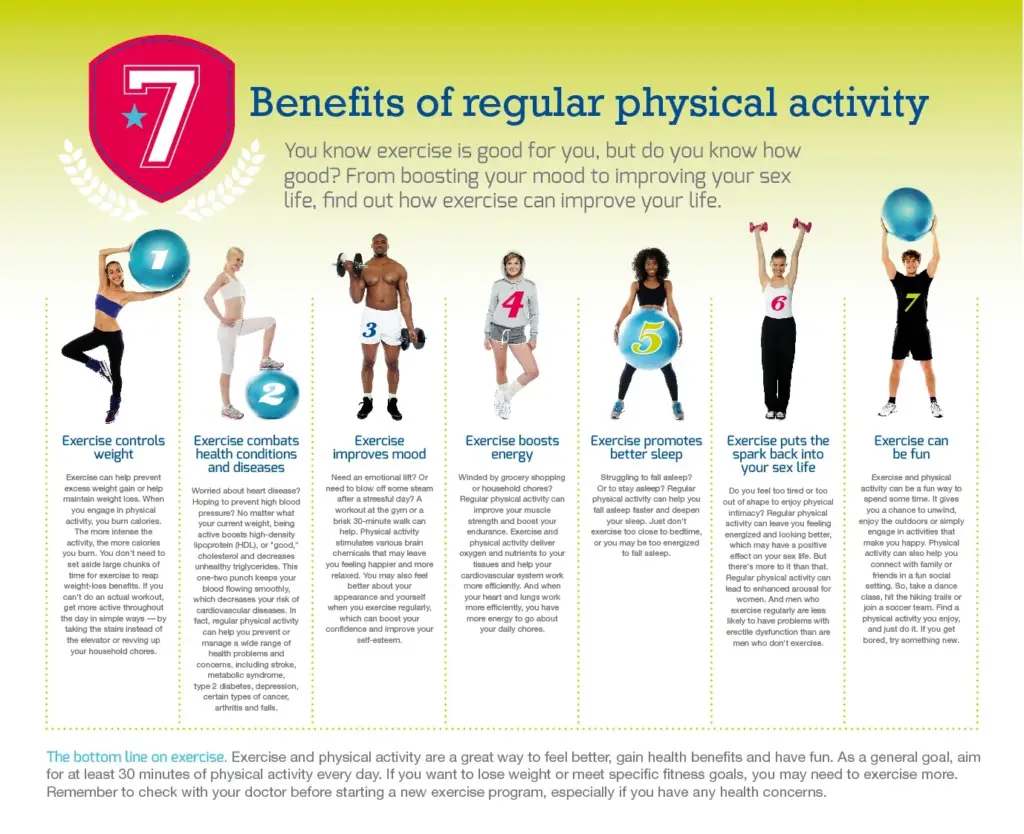
The benefits of regular exercise extend far beyond just physical appearance; they encompass both physical and mental health improvements. Engaging in consistent physical activity can significantly boost cardiovascular health, aid in weight management, and enhance cognitive function, providing a clear roadmap to overall wellness. Not only does exercise help in stress reduction by releasing endorphins, but it also combats anxiety and depression, promoting a better mood and mental clarity. Furthermore, participating in regular workouts can lead to increased strength and flexibility, making everyday activities easier and more enjoyable. In this blog post, we delve into the spectrum of exercise benefits, revealing how a commitment to physical activity can transform your life for the better.
When we talk about the positive impacts of staying active, we often refer to both the physical attributes and psychological enhancements that come with exercising. Regular workouts offer essential advantages such as improved heart health, effective weight control, and sharper cognitive abilities. In addition to these physical traits, engaging in a variety of exercises contributes to diminishing stress levels and fostering a positive mental state. Communities that promote active lifestyles often experience enhanced social interactions through sports, further enriching the mental well-being of their members. As we explore the comprehensive benefits of maintaining physical and mental vitality through constant movement, it becomes evident that exercise is a fundamental pillar in achieving overall health.
Understanding Cardiovascular Health Through Exercise
Regular exercise is pivotal in enhancing cardiovascular health. Engaging in aerobic activities such as running, cycling, or swimming increases heart efficiency, improves blood flow, and lowers cholesterol levels. This leads to a significantly reduced risk of heart disease, affecting millions worldwide. Regular monitoring of cardiovascular metrics has shown that individuals who maintain an active lifestyle have healthier heart rates and lower blood pressure, contributing to their longevity.
Moreover, cardiovascular benefits extend beyond mere physical improvements. Studies indicate that consistent exercise lowers the risk of diabetes and metabolic syndrome, both of which are significant contributors to cardiovascular complications. By integrating regular workouts into our lives, we effectively nurture our cardiovascular system, ensuring it remains robust and functional as we age.
Significant Effects of Exercise on Weight Management
Weight management remains a critical aspect of overall health, and regular exercise plays an essential role in achieving and maintaining a healthy weight. Engaging in physical activities helps burn excess calories, boosts metabolism, and increases muscle mass—all crucial factors in managing body weight. Research indicates that individuals who consistently exercise have an easier time controlling their weight compared to those who do not.
Additionally, combining exercise with a balanced diet magnifies its effectiveness in weight management. Studies have found that those who embrace a holistic approach to fitness, incorporating both physical activity and nutritional mindfulness, experience greater success in weight reduction and maintenance. This dual approach fosters a sustainable lifestyle change, allowing individuals to achieve their weight goals without the need for extreme dieting.
Enhancing Bone and Muscle Health Through Regular Physical Activity
Engaging in regular exercise is instrumental in promoting bone density and muscle strength, especially as we age. Activities that involve resistance training, such as weightlifting or body-weight exercises, stimulate the production of bone-forming cells, combating the natural decline of bone density associated with aging. This is crucial in preventing osteoporosis and fractures.
Moreover, consistent physical training increases muscle mass, which is directly linked to metabolic rate and functional strength. Aging individuals who maintain muscle strength through regular workouts are less prone to injuries and are better equipped to perform daily activities. Research consistently shows that strength training significantly impacts overall quality of life by enhancing mobility and independence.
The Role of Exercise in Improving Flexibility and Coordination
Flexibility and coordination are often overlooked benefits of regular exercise; however, they play a vital role in overall physical health. Activities like yoga, pilates, and dance focus on stretching and balance, enhancing the range of motion in joints and preventing injuries. Improved flexibility contributes to better posture and alleviates muscle stiffness, which can arise from sedentary lifestyles.
In addition, enhanced coordination aids in performing complex movements, which is especially beneficial for athletes and active individuals. Research suggests that individuals focusing on flexibility training demonstrate not only increased athletic performance but also reduced risk of injury, ensuring a more effective and enjoyable exercise experience.
Stress Reduction and Mental Well-Being through Exercise
One of the most immediate and notable benefits of regular exercise is its ability to alleviate stress. Physical activity triggers the release of endorphins—natural painkillers and mood elevators that help to combat feelings of anxiety. Studies have shown that individuals engaging in regular exercise report significantly lower levels of stress, underscoring the immediate psychological benefits of being active.
Moreover, establishing a routine around exercise can create a valuable coping mechanism for managing daily stressors. As people incorporate physical activity into their lives, they often find a sense of belonging within fitness communities, further enhancing their psychological resilience. The social interactions and communal support gleaned from exercising in groups offer essential mental health benefits that complement the physiological effects.
Boosting Mental Health and Enhancing Mood through Activity
Regular exercise serves as a powerful enhancer for both mood and mental health. Physical activity promotes the release of neurotransmitters such as dopamine and serotonin—which are crucial in treating depression and anxiety. Numerous studies highlight that those who engage in regular workouts experience a marked decrease in depressive symptoms, significantly improving their overall emotional well-being.
Additionally, exercising boosts self-esteem and body image, contributing to a healthier mindset. The sense of achievement derived from reaching fitness goals or overcoming challenges fosters a positive self-perception, further aiding in mental health. As individuals experience improvements in their physical capabilities, this newfound confidence translates into various aspects of life, portraying the profound impact of exercise on emotional health.
Cognitive Function: The Brain-Exercise Connection
The relationship between regular physical activity and cognitive function is well-documented in academic literature. Engaging in exercise has been linked to improved memory, enhanced learning capability, and a slower cognitive decline as we age. Studies indicate that aerobic exercises, in particular, promote neurogenesis—the birth of new neurons—beneficial for brain health.
Furthermore, individuals who stay active often report sharper focus and better problem-solving skills. Research emphasizes that the blood flow generated from physical workouts supports optimal brain function, making exercising not just imperative for physical health but also crucial for maintaining mental acuity, especially in older adults.
Fostering Social Connections through Group Exercise
Participating in group activities and sports not only benefits physical health but also fosters valuable social connections. Engaging in exercise within a community leads to the formation of friendships and support networks that can significantly enhance mental well-being. The dynamics of working towards common goals, whether in sports teams or fitness classes, create a sense of belonging and camaraderie.
Moreover, social interactions during physical activities can help reduce feelings of loneliness and isolation. Research frequently shows that individuals active in group settings experience increased levels of happiness, driven by shared experiences and mutual support. This highlights the intertwined nature of physical activity and social engagement in promoting overall mental health.
Recommendations for Incorporating Exercise into Daily Life
Incorporating regular exercise into daily life is vital for reaping its myriad benefits. Experts recommend that adults engage in at least 150 minutes of moderate aerobic activity per week, alongside muscle-strengthening exercises on two or more days. This guideline provides a balanced approach, ensuring that individuals meet their physical health needs while also addressing mental well-being.
To make these recommendations achievable, individuals are encouraged to find activities they enjoy—be it running, swimming, or group sports. Creating a consistent schedule and setting attainable fitness goals can further enhance motivation. When exercising aligns with personal interests, the likelihood of maintaining a regular routine increases, greatly benefiting both physical and mental health.
Frequently Asked Questions
What are the primary benefits of regular exercise on physical health?
Regular exercise significantly improves physical health by enhancing cardiovascular health, aiding in weight management, increasing muscle strength, and boosting bone density. Activities like running, swimming, or strength training promote better heart health, regulate weight, and build resilience against age-related decline.
How does regular exercise impact mental health?
The benefits of regular exercise extend to mental health by reducing stress, improving mood, and decreasing anxiety and depression symptoms. Physical activity boosts endorphin levels, contributing to a healthier mindset and emotional resilience.
Can regular exercise enhance cognitive function?
Yes, engaging in regular exercise has been linked to improved cognitive function, including better memory, concentration, and learning abilities. It helps in neurogenesis, which is essential for maintaining brain health and preventing cognitive decline.
What role does exercise play in stress reduction?
One of the most notable benefits of regular exercise is its ability to reduce stress levels. Exercise triggers the release of endorphins, which act as natural stress relievers, leading to enhanced mood and overall well-being.
How can exercise contribute to weight management?
Regular exercise facilitates weight management by burning calories, increasing metabolism, and building muscle mass. It, combined with a balanced diet, is critical for effective weight control and prevention of obesity-related conditions.
What types of exercise improve cardiovascular health?
Aerobic exercises such as running, swimming, cycling, and walking are particularly effective for enhancing cardiovascular health. These activities improve blood circulation, lower blood pressure, and strengthen the heart.
Does regular exercise have social benefits?
Absolutely! Participating in group sports or exercise classes promotes social interactions, which enhance mental well-being. Building friendships and support networks through exercise can lead to increased happiness and reduced feelings of loneliness.
How does exercise influence mood improvement?
Regular exercise is a powerful mood enhancer. It stimulates the production of neurotransmitters like serotonin, which help alleviate symptoms of depression and anxiety, providing a natural antidote to mood disturbances.
What kind of flexibility benefits does regular exercise provide?
Engaging in activities like yoga and pilates as part of regular exercise improves flexibility and coordination. This helps to enhance posture, reduce muscle stiffness, and decrease injury risk over time.
How often should one exercise to reap the benefits?
The CDC recommends at least 150 minutes of moderate-intensity aerobic exercise each week, along with muscle-strengthening activities on two days, to effectively harness the extensive benefits of regular exercise for overall health.
| Benefit Type | Description |
|---|---|
| Physical Benefits | Improves cardiovascular health, aids in weight management, and promotes muscle and bone strength. |
| Mental Benefits | Reduces stress, enhances mood, boosts cognitive function, and encourages social interaction. |
Summary
The benefits of regular exercise are profound and multifaceted, providing essential support for both physical and mental well-being. Engaging in consistent physical activity not only improves cardiovascular health and aids in maintaining a healthy weight, but it also enhances flexibility and strengthens bones and muscles. Beyond the body, regular exercise significantly reduces stress and anxiety levels, improves mood, and fosters cognitive functions such as memory and learning. Moreover, it promotes social interactions that contribute to emotional health. Therefore, incorporating regular exercise into your daily routine is crucial for reaping its extensive benefits, leading to a healthier and more fulfilling life.

