
Listen to this article
Technology in sports has become a game changer, fundamentally altering how athletes prepare, compete, and interact with their fans. Innovations such as athlete performance technology and advanced data analytics in sports have allowed teams and trainers to make informed decisions based on precise metrics and real-time feedback. From sports equipment technology that enhances performance and safety to immersive experiences powered by virtual reality in sports, the influence of technological advancements is undeniable. Moreover, the impact of technology on sports extends to officiating and fan engagement, ensuring that both the players and spectators benefit from these innovations. As we delve deeper into this exciting transformation, it’s clear that the intersection of sports and technology is reshaping the future of athletic competition and enjoyment.
The integration of innovation into the realm of athletics has sparked a profound evolution in sporting practices and experiences. Terms like sporting tech breakthroughs and performance-enhancing devices are now commonplace, reflecting the ongoing improvements in training, safety, and entertainment. From advanced athletic gear to data-driven strategies that guide coaching decisions, the advancements in sporting gear technology have redefined how athletes prepare for success. Furthermore, the burgeoning field of e-sports is merging competitive gaming with traditional athletics, illustrating the versatility of technology in various forms. As we explore these diverse developments, it becomes apparent that technology plays an essential role in reshaping every aspect of contemporary sports.
The Impact of Technology on Athlete Health and Safety
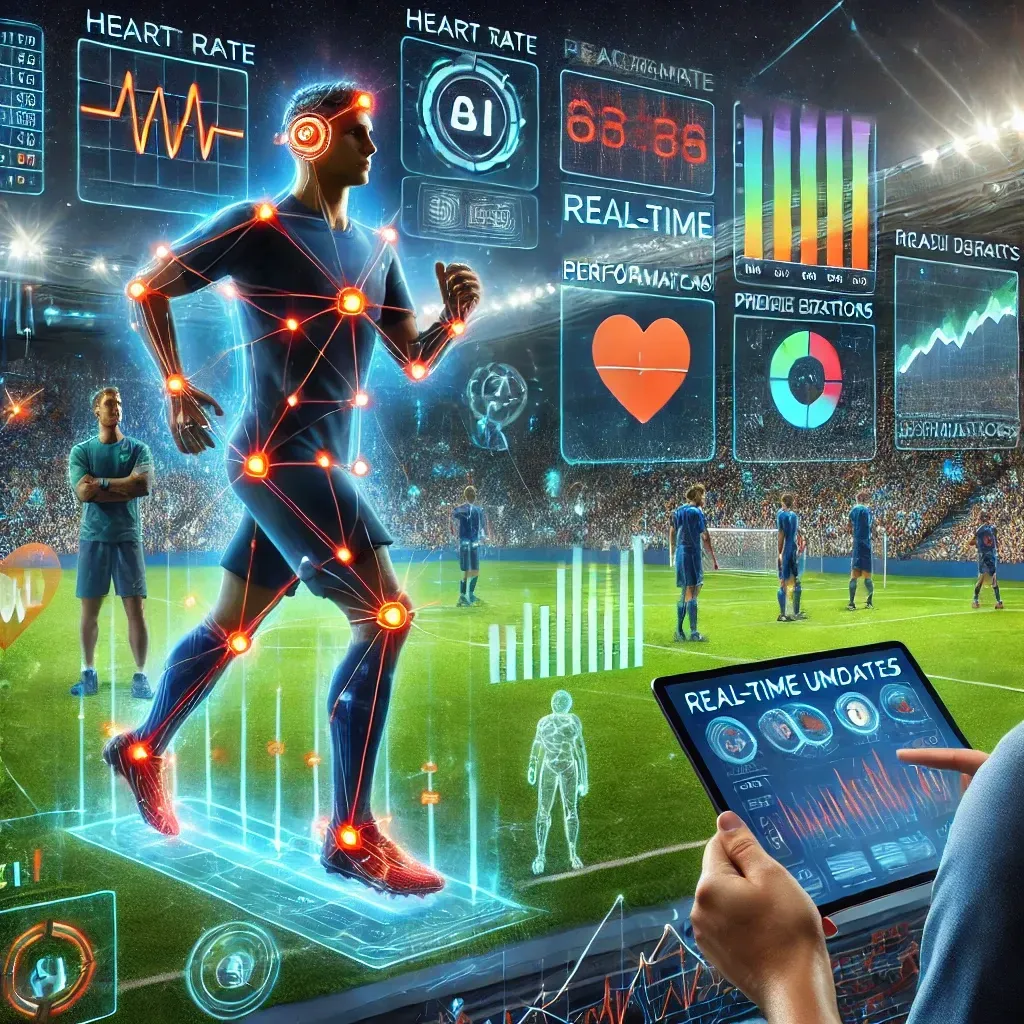
In the world of sports, athlete health and safety remain top priorities. The advent of technology has significantly improved how injuries are managed and prevented. Wearable tech such as biosensors and fitness trackers provide athletes and coaches with instant feedback on physical conditions. These tools help monitor vital signs, fatigue levels, and overall athletic performance, which empower coaches to make informed decisions about practice intensity and rest periods. By analyzing this data, teams can implement personalized training programs to minimize the risk of injury and improve recovery times, thus ensuring athletes stay healthy throughout the season.
In addition to wearable gadgets, advanced imaging technology plays a crucial role in injury diagnosis and management. MRI scans, ultrasound, and motion capture technologies allow healthcare professionals to assess injuries accurately and devise appropriate treatment plans. This kind of detailed analysis helps in detecting underlying issues that may not be visible during a physical examination. As a result, athletes can receive early interventions, which can be pivotal in preventing long-term damage or chronic conditions. Overall, technology is redefining how sports organizations approach health and safety, ensuring well-being is a prime focus.
Innovations in Sports Equipment Technology
Sports equipment has undergone remarkable transformations due to the influence of technology. Modern advancements have led to the creation of lighter, stronger materials that enhance performance and safety across various sports. For instance, running shoes made from advanced polymers not only reduce weight but also offer enhanced cushioning, improving runners’ efficiency and comfort. In addition, new designs in helmets and protective gear employ technology to absorb impact better, reducing the risk of concussion and other injuries in contact sports.
Furthermore, the use of sensors in sports equipment has revolutionized training methodologies. Take, for example, smart basketballs that provide data on shooting precision and technique when players practice. Coaches can review performance metrics in real-time, leading to more effective training regimens. By focusing on technique improvements based on hard data, athletes can enhance their skills faster than ever before. As technology continues to advance, we can expect even more groundbreaking innovations that will change the landscape of sports equipment.
The Evolution of Game Officiating
The integration of technology in game officiating has been one of the most significant shifts in modern sports. With the introduction of tools like VAR in soccer and goal-line technology in football, referees now have access to more precise information when making critical decisions. These technologies minimize human error, ensuring that the correct calls are made regarding crucial game incidents. As a result, the controversy surrounding officiating mistakes has considerably decreased, leading to fairer competition.
Moreover, developments in automated officiating systems, such as AI-driven foul detection and real-time player tracking, are on the horizon. These systems offer the potential to enhance the accuracy of decisions made during games, making them more consistent and reliable. By embracing technology in officiating, sports organizations can better uphold the integrity of the game, ensuring that fairness prevails and enhancing the audience’s trust in the officiating process.
Enhancing the Fan Experience Through Technology
Today, technology is reshaping how fans engage with sports, making the experience more immersive than ever. Virtual reality (VR) technology allows fans not only to watch games live from amazing perspectives but also to experience thrilling moments as if they were part of the action. Fans can use VR headsets to explore stadiums, watch games from the sidelines, and relive unforgettable highlights, thus creating a deeper connection to their favorite teams.
Augmented reality (AR) applications are also being integrated into stadium environments, elevating the fan experience. Apps can display real-time statistics, player bios, and interactive content during live events, giving fans an enriched understanding of the game’s dynamics. Such enhancements cater to the tech-savvy audience that craves interactive and engaging experiences, transforming traditional sports viewing into a multifaceted adventure.
Data Analytics Revolutionizing Performance Strategy
The rise of data analytics in sports has brought an unprecedented level of insight into team strategies and player performances. Teams are now employing data scientists and analysts to delve deep into statistical metrics, identifying patterns and trends that influence decision-making. Coaches can utilize this data to refine training techniques, assess player capabilities, and optimize game strategies, creating a competitive edge during matches.
Furthermore, teams can leverage data analytics to evaluate fan engagement and preferences. Understanding these dynamics allows organizations to craft better marketing strategies and create personalized experiences for their audiences. From ticket sales to merchandise strategies, data-driven decisions are shaping the future of sports business, ensuring teams remain relevant in a competitive marketplace.
E-Sports: The Intersection of Technology and Traditional Sports
E-sports have emerged as a notable phenomenon in the intersection of technology and traditional sports. With millions of viewers worldwide, competitive gaming offers unprecedented engagement levels, aided by technological advancements. High-performance gaming setups and lightning-fast internet connections enable players to compete on the global stage, blurring the lines between conventional sports and e-sports.
The potential of e-sports is vast, with technology continually evolving the gaming experience. From advanced algorithms for matchmaking to the integration of audience interactivity through live-streaming platforms, e-sports are redefining entertainment. This evolution promises to attract a diverse audience and create new paradigms for sponsorship and marketing, with implications for how traditional sports organizations engage with younger fans.
The Future of Technology in Sports
As we look ahead, the future of technology in sports appears bright, with innovative solutions continuing to enhance worker safety, performance, and fan engagement. Upcoming technologies like artificial intelligence and machine learning are poised to further revolutionize how data is leveraged in sports, providing insights that improve athlete performance and overall strategy formulation. Teams that embrace these changes are likely to outperform their competitors in various aspects of the game.
Moreover, the integration of technology within every aspect of the sporting experience, from training to viewing, will foster a deepened relationship between fans and athletes. As virtual and augmented realities grow more sophisticated, we foresee even richer interactive experiences that will redefine what it means to be a sports fan. The pace of technological change guarantees an exciting era for both athletes and their supporters, ultimately elevating sports to new heights.
The Role of Athlete Performance Technology
Athlete performance technology represents one of the most exciting areas of innovation across sports. By leveraging data analytics, coaching professionals can collect information on an athlete’s biomechanics, recovery metrics, and other key performance indicators. This information enables tailored training programs that enhance an athlete’s strengths and address weaknesses. As a result, athletes can push their limits while minimizing the risk of overtraining.
In addition, advancements in technology such as motion capture and biomechanical analysis software enable coaches to fine-tune athletes’ techniques in real time. This hands-on approach allows for immediate corrections to form, contributing to performance improvements and injury prevention. The distance between traditional training methods and modern athlete performance technology is narrowing, paving the way for a new breed of athletic excellence.
Understanding the Dynamics of Data Analytics in Sports Culture
Data analytics not only affects team strategies but also shapes sports culture significantly. Organizations are now able to collect and analyze large amounts of data related to fan behavior, attendance trends, and purchasing patterns. By understanding these dynamics, sports teams can develop targeted marketing campaigns that resonate better with their audiences, ensuring greater fan loyalty and engagement.
Furthermore, analyzing social media trends provides insights into how players and teams are perceived, allowing organizations to fine-tune their public relationships. The ability to monitor public sentiments in real time enables teams to respond swiftly to potential PR issues while also enhancing their digital presence. As the sports landscape continues to integrate technology, data analytics will be at the forefront of building sustainable and influential sports cultures.
Frequently Asked Questions
What is the impact of technology on sports performance?
The impact of technology on sports performance is significant, with wearable devices like heart rate monitors, GPS trackers, and motion sensors providing athletes and coaches real-time data. This information enables personalized training regimens tailored to enhance strength and stamina, ultimately boosting athletic performance.
How are sports technology innovations changing equipment design?
Sports technology innovations have dramatically changed equipment design by introducing lighter and more durable materials. For instance, advancements in running shoe technology enhance speed while reducing injury risk. Features such as smart sensors in equipment provide athletes with immediate feedback, improving training effectiveness.
In what ways is data analytics used in sports?
Data analytics in sports is used for performance analysis, player statistics evaluation, and fan engagement insights. Teams employ data scientists to interpret historical data, allowing for better decision-making related to trades, training strategies, and marketing, which elevates the overall strategic management of the sport.
How does technology influence game officiating?
Technology influences game officiating by introducing systems like Video Assistant Referee (VAR) and goal-line technology, which enhance accuracy. These tools help officials make more informed decisions, reducing disputes and unfair advantages, thereby upholding the integrity of the games.
What role does virtual reality play in the fan experience?
Virtual reality plays a transformative role in the fan experience by allowing immersive simulations of live events. Fans can feel part of the action, relive memorable moments, or enjoy unique perspectives of games right from their homes, greatly enhancing their engagement.
What are athlete performance technologies?
Athlete performance technologies encompass various devices and software, including wearable trackers, video analysis tools, and biomechanical devices that monitor and improve physical performance. These technologies provide valuable data that influence training and development strategies for athletes.
How is augmented reality enhancing the live sports viewing experience?
Augmented reality enhances the live sports viewing experience by overlaying relevant statistics and data onto the real-world environment through mobile apps. This enriches the spectators’ engagement during events, providing real-time insights that complement traditional broadcasts.
What is the significance of sports equipment technology in injury prevention?
Sports equipment technology plays a crucial role in injury prevention by utilizing advanced materials and designs that enhance safety. For example, helmets and protective gear now incorporate innovations for better shock absorption and fit, reducing the risk of injuries during competitive play.
How do technology and analytics converge in sports management?
Technology and analytics converge in sports management by equipping teams with tools to monitor performance data, make strategic decisions, and analyze market trends. This integration allows for informed player acquisitions and effective training plans, optimizing team performance both on and off the field.
What are the emerging trends in e-sports technology?
Emerging trends in e-sports technology include enhanced gaming setups, high-speed internet capabilities, and improved streaming technology, which facilitate competitive gaming experiences. This growth blurs the lines between traditional sports and e-sports, creating new opportunities for audience engagement and integration.
| Key Point | Description |
|---|---|
| Enhancing Athlete Performance | Wearable technology and video analysis improve training, optimize performance, and enhance athlete techniques. |
| Revolutionizing Sports Equipment | Advancements in materials and smart equipment enhance safety and performance in various sports. |
| Transforming Game Officiating | Technologies like VAR and Hawk-Eye improve the accuracy of officiating, reducing errors and controversies. |
| Virtual Reality and Fan Experience | VR and AR provide immersive fan experiences, enhancing interaction with live events and player statistics. |
| Data Analytics in Sports | Data-driven decision-making in player performance, acquisitions, and marketing strategies elevates team management. |
| E-Sports: A New Frontier | The rise of competitive gaming has merged traditional sports with gaming culture, creating an expansive audience. |
Summary
Technology in sports has significantly transformed the landscape, enhancing performance, safety, and fan engagement. From the rise of wearable tech that helps athletes optimize their training to innovations like VAR and advanced sports gear ensuring fair play and safety, technology has made sports more dynamic. As the field continues to evolve with advancements in data analytics and the growth of e-sports, the integration of technology will play an increasingly critical role in shaping the future of sports, offering richer experiences for athletes and fans alike.

